
World history
World History II Jeopardy
This is a World History II Jeopardy Review Game. There are 6 categories for students to review: - World religions - Empires - Revolutions - Nationalism - WWII / Cold War - Who Am I?




Classroom resources
Find history games that help students review events, explore cause and effect and discuss historical decisions.
Browse by lesson focus
Choose the topic or kind of practice you need.
Showing 1–24 of 81 resources

 Show filters
 This is a World History II Jeopardy Review Game. There are 6 categories for students to review: - World religions - Empires - Revolutions - Nationalism - WWII / Cold War - Who Am I?
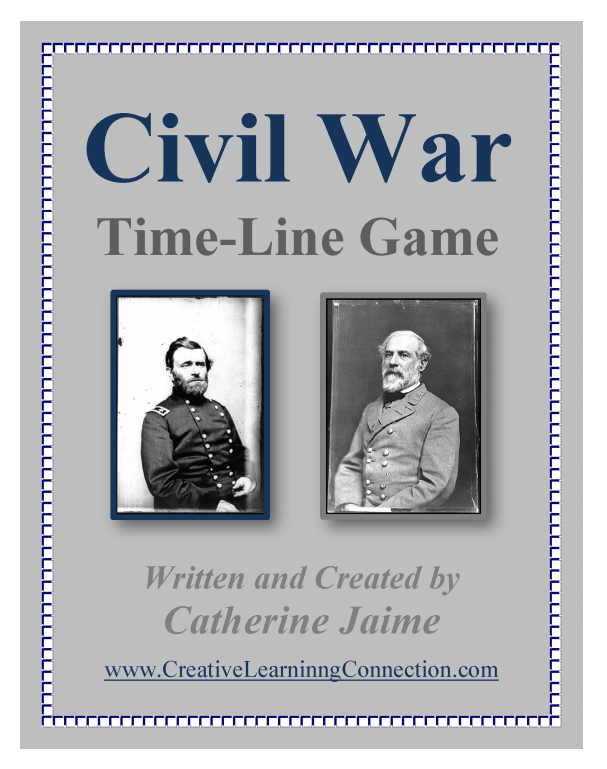
A printable card game that teaches Civil War chronology by having players place event cards into correct order on a personal timeline.

Country groups make alliance requests and respond to other groups under the game’s rules. The confrontation sequence reveals how commitments, rejection and changing loyalties can widen a conflict. Use the teacher guide to run the simulation, then map the alliances and discuss what the simplified model shows about escalation.
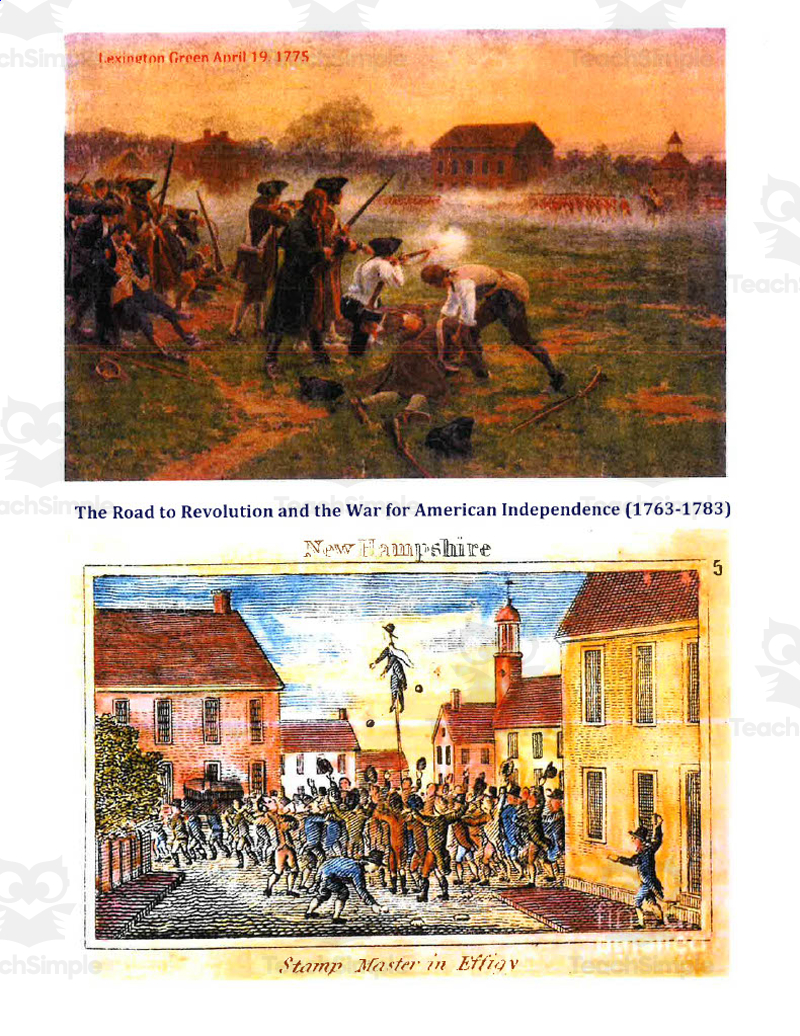
The Road to Revolution Diplomacy Game - Round #2 Stamp Act: An Engaging Classroom Resource "The Road to Revolution Diplomacy Game - Round #2 Stamp Act" is a combinatory tool of game-play and learning designed for high school level teaching. Detailing the period between the French and Indian War and American Revolution, it can be…
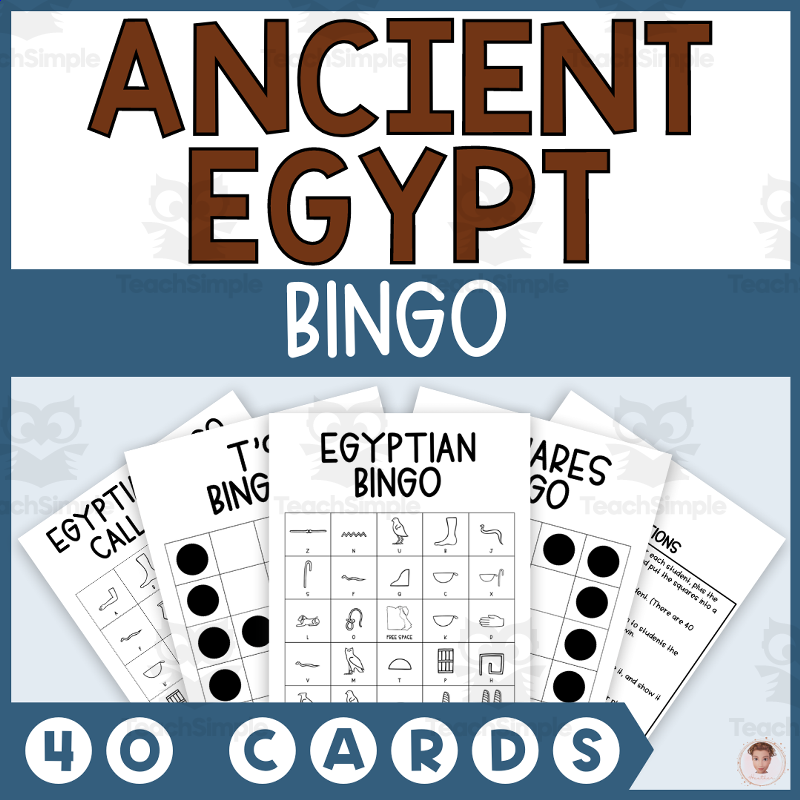
Travel to Ancient Egypt with this Bingo game! This NO PREP resource includes teacher instructions, Bingo patterns, call cards, and Bingo cards featuring hieroglyphics. It makes a great addition to your Ancient Egypt unit study; world geography lessons; social studies or history class; or just for fun. Perfect for third grade, fourth…
A digital (Google Slides) review game for a US-in-WWII history unit, letting teachers quiz students on content via game formats like Family Feud, Build-A-Bear, and Attack!.
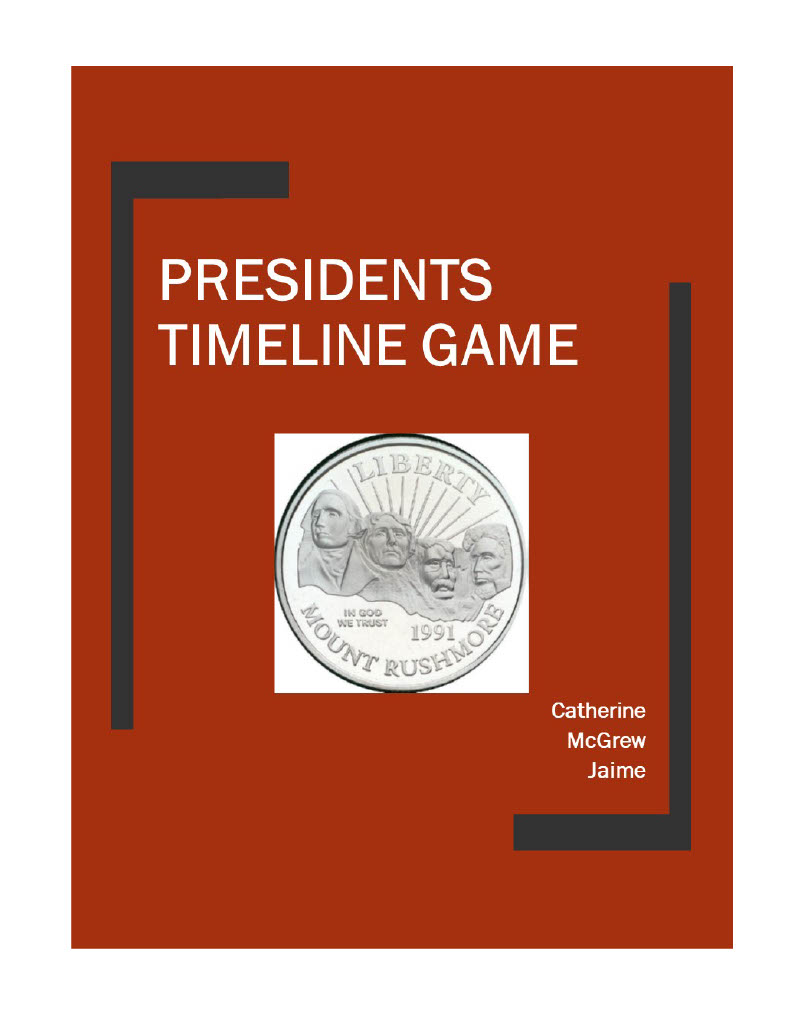
A card-based classroom game teaching the chronological sequence of U.S. presidents and key historical events tied to their terms, played by placing event cards in correct chronological order
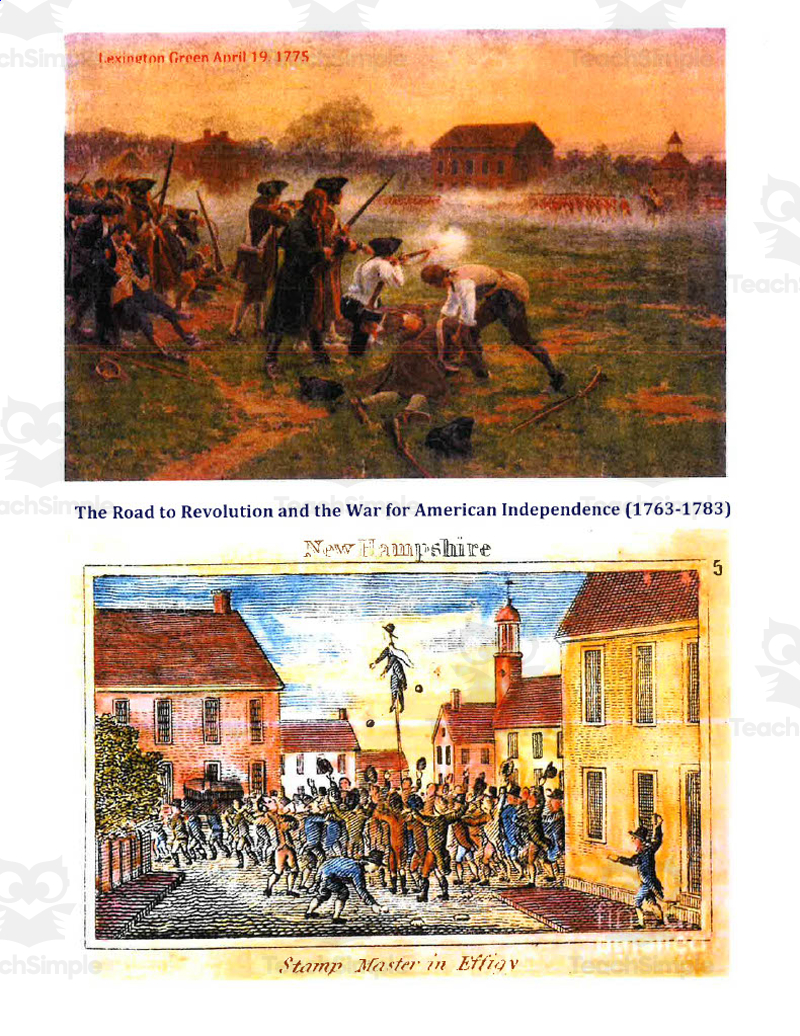
The Road to Revolution Diplomacy Game: Round #3 - The Incident on King Street This an engaging teaching resource that draws students right into the heart of American history. It transports them back to the pivotal night of March 5th, 1770—'The Incident on King Street' or as it was referred to by the colonists, 'a massacre'. Gameplay and…

Students begin with a hand-drawn English village and add or erase features as twenty-one narrated rounds introduce changes from 1745 to 1850. Canals, factories, railroads, and crowded housing gradually alter the same map, making urbanization visible. Background reading and a before-and-after chart prepare students to discuss the costs and benefits of industrialization, then develop a comparison essay; a drawing guide and sample map support the simulation.

A 37-page printable card game teaching American Revolution chronology (1760-1780s) by having players build a personal 8-card timeline in correct order from event cards.
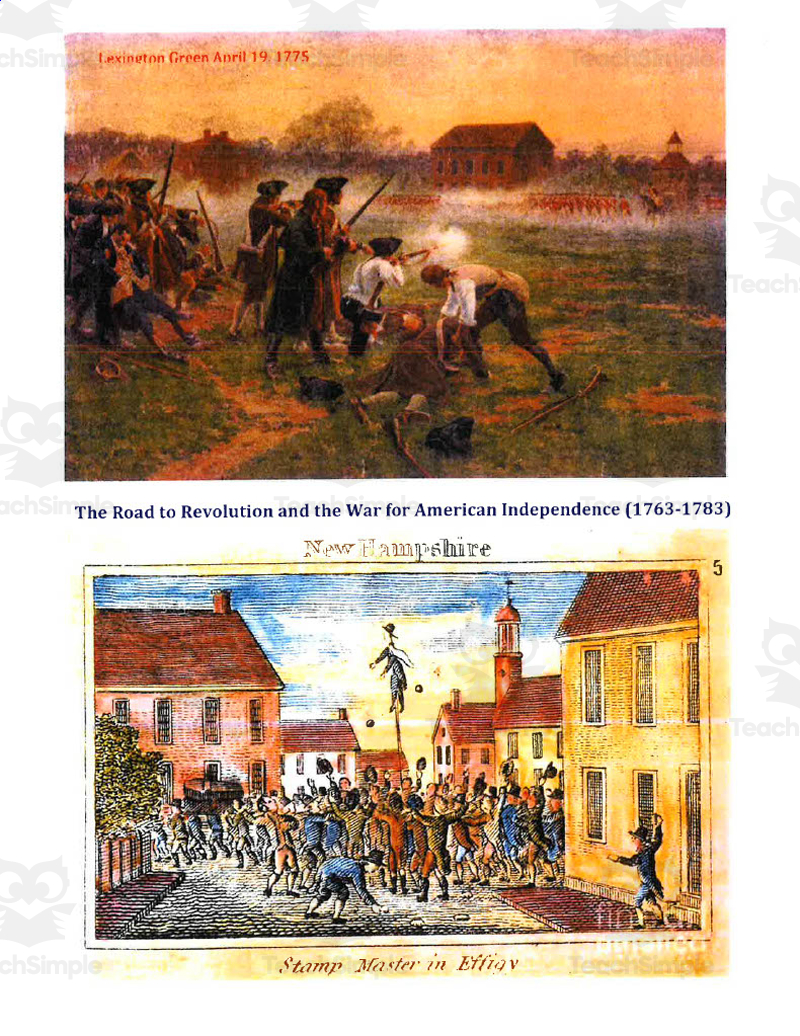
Sure, here it is: The Road to Revolution Diplomacy Game: Round #4 – The Coercive Intolerable Acts A valuable teaching resource that helps students experience the tumultuous era between the French and Indian War and the American Revolution. This activity provides an authentic learning experience for 9th-12th grade Social Studies students…
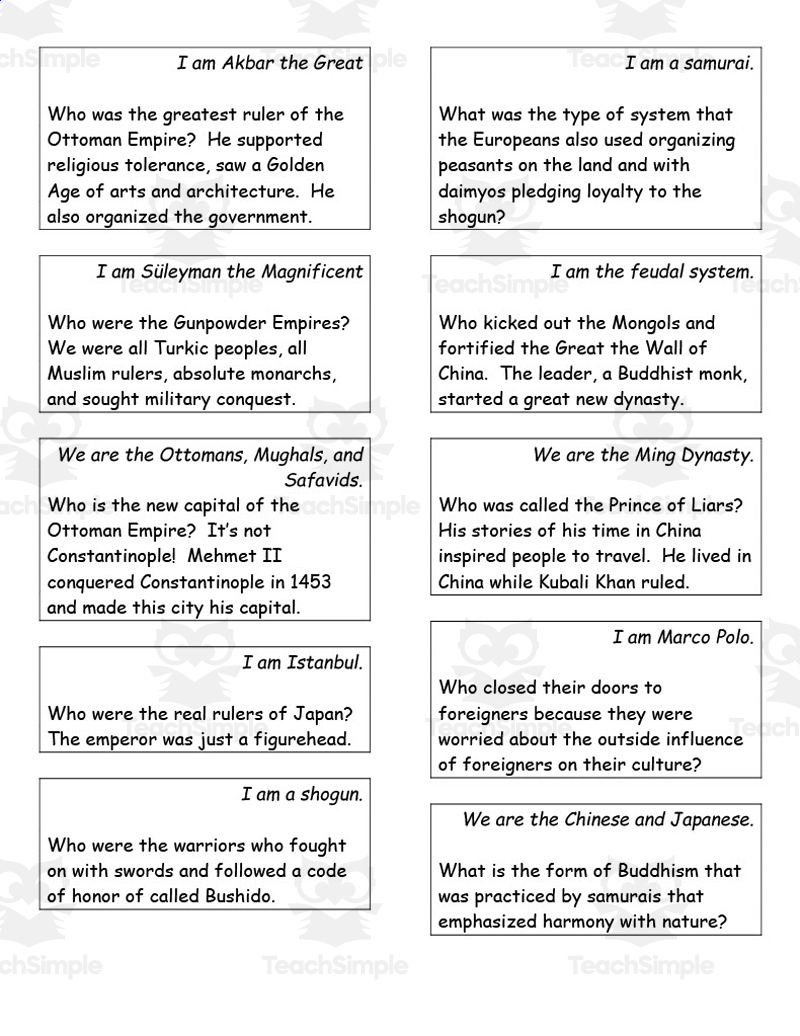
A review card game covering world history content on the Gunpowder Empires (Ottoman, Mughal, Safavid), Ming China, and feudal Japan.

A printable board game teaching students about landmarks and events along the historical Oregon Trail through a race-to-Oregon gameplay format.

Station-based 'scoot' trivia game teaching the life history of Juliette Gordon Low (founder of Girl Scouts) through 24 rotating question cards
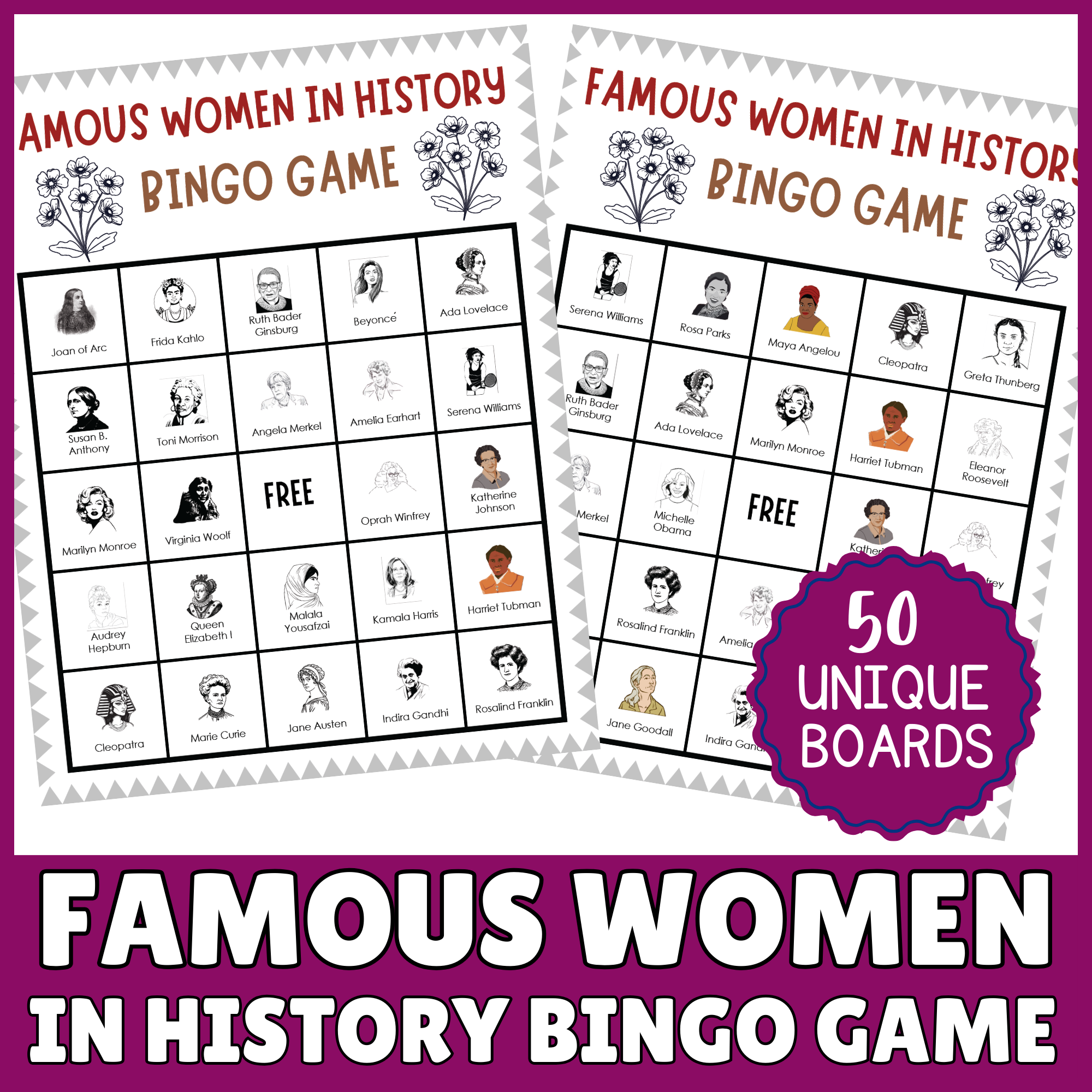
Make learning about Women's History Month or Most famous influential womens from history more engaging with these Bingo game Activities! This is Great for 2nd to 7th grade students to learn about Women's History Month What’s Included In This Bingo Game Pack? 50 Unique Bingo Boards 30 Calling Cards Bingo Markers Teacher-Friendly…
A digital (Google Slides) review game for a US history unit, letting teachers quiz students on content via game formats like Family Feud, Build-A-Bear, and Attack!.

A budget simulation game teaching students the economic mechanics and fairness questions of post-Civil War sharecropping and tenant farming systems.

A Women's History Month themed interactive game where students listen to and compare songs by different women artists/performers.
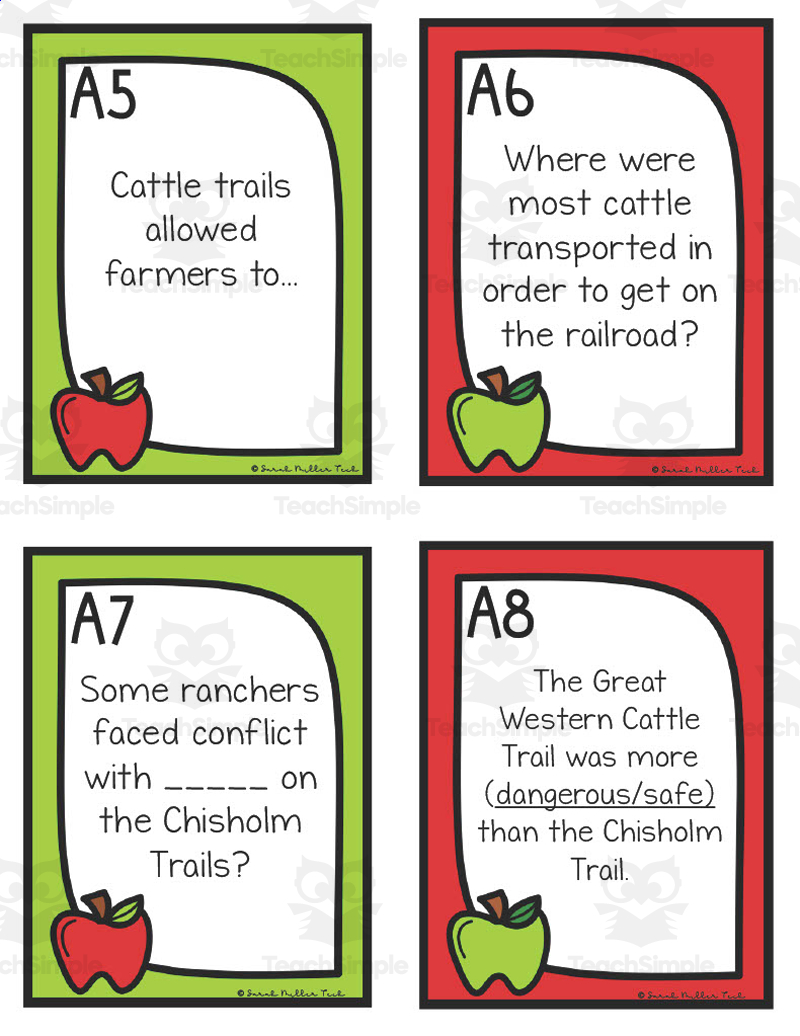
Board game reviewing "Turn of the Century" American history topics (cattle trails, westward expansion, inventors, McKinley/Roosevelt era, Spanish-American War) via trivia question cards, a game board, and answer keys.
An easy-to-read mini book about the history of the Ancient Olympics paired with a sight-word/phrase fluency board game themed around the Olympics.
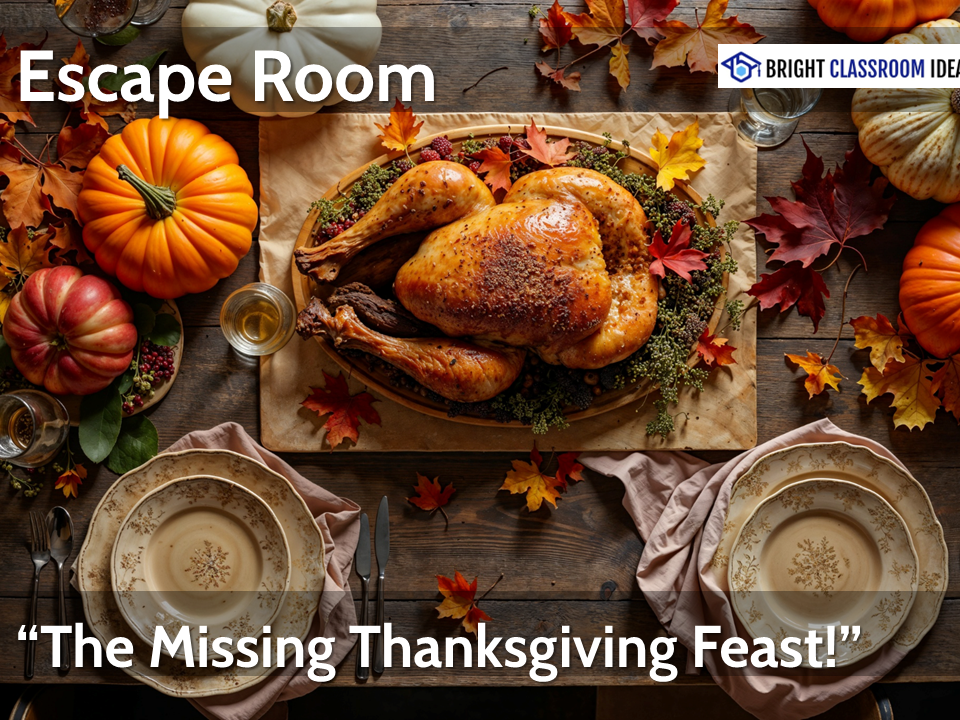
A 10-station Thanksgiving-themed escape-room activity (PowerPoint format) in which students solve a sequence of puzzles -- word unscrambles, matching, a number cipher, math word problems, riddles, a letter hunt, a word search, story sequencing, and a final riddle -- to find where the Thanksgiving feast has 'disappeared' to.

A middle/high school government lesson package on gerrymandering and redistricting, combining a video-companion worksheet, a slide presentation, and a hands-on district-drawing simulation game.
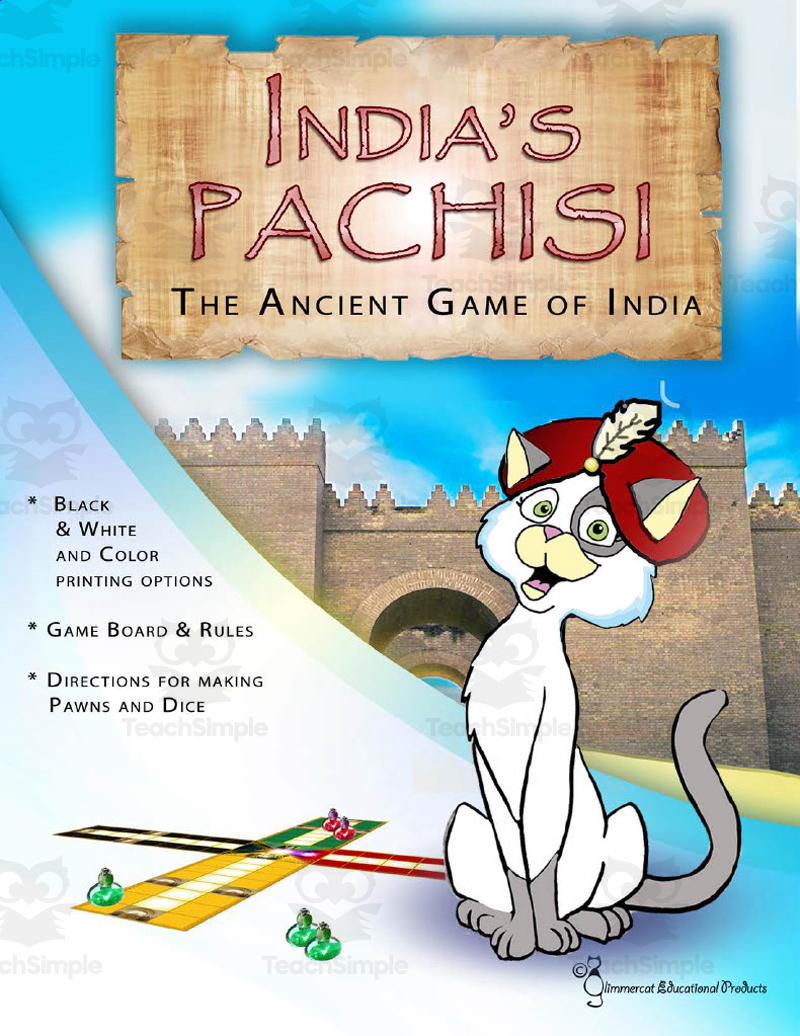
Teach students about the ancient Indian board game Pachisi by having them build and play a reproduction of it, connecting a hands-on game to a unit on Ancient India.

Are you looking for a fun and engaging activity for For Black History Month? If so this Black History Month Bingo Game Set is perfect for you!