2,813 products added recently
SEL Lesson Plans
Support your students' social and emotional development with lesson plans focused on SEL competencies. These activities help students build self-awareness, empathy, and interpersonal skills. Implement them to create a positive and inclusive classroom atmosphere that nurtures well-being.
Cosmic Quest A Middle Schooler's Journey into Space Exploration, Alien
Life Skills, Special Resources, Social Emotional Learning (SEL), Science, Research, Space, Earth and Environmental Sciences, Environmental Science, Earth Sciences, Geology, Grade 6, 7, 8, 9, 10, 11, 12, Lesson Plans, Teacher Tools, Assessments, Experiments, Activities, Labs
Embark on an extraordinary travel through the cosmos with `` Cosmic Quest, '' the ultimate middle school guide to space geographic expedition, alien living search, and the universe 's deepest mysteries. Written specifically for class 6-9 ( ages 11-15 ), this thorough 338-page resource transforms composite astronomical concepts into engaging, accessible knowledge. Usually, from our solar system 's fiery planets to distant galaxies, from the Big Bang to the hunting for extraterrestrial life, `` Cosmic Quest '' covers everything a Young space enthusiast needs to know. Frankly, with 90 meticulously organized chapters, students will explore planetary science, astrobiology, NASA 's Artemis program, Mars rover discoveries, exoplanet research, and future space technologies. Perfect for classroom use, homeschool curricula, or independent study, this volume aligns with Next Generation skill Standards ( NGSS ) while sparking genuine curiosity about STEM fields. Now, here's where it gets good: each chapter includes clear explanations, stunning cosmic phenomena, and real-world connections to current infinite mission happening right now. Whether your student dreams of becoming an astronaut, astronomer, or simply gazes at the stars with wonder, `` Cosmic Quest '' provides the foundational noesis and inspiration for their scientific journey. The volume also includes essential career guidance for space-related professions, making it both educational and aspirational. Why Parents/Schools Love It: • detailed & Curriculum-Aligned: Covers 90 essential infinite science topics matching center schoolhouse standards, saving teachers planning time while ensuring complete coverage • Future-Focused & stream: Includes NASA missions ( Artemis, Mars exploration ), James Webb Telescope discoveries, and private space industry developments • Career-Inspiring: Dedicated chapters on space careers ( astronauts, engineers, scientists ) connect learning to real-world opportunities • Accessible Yet Rigorous: Makes complex concepts like dark matter, exoplanet detection, and exobiology understandable without `` dumbing down '' the science • Multi-Platform Ready: Perfect for classroom instruction, independent assess, homeschool curricula, and science fair project brainchild mark Audience Analysis: Primary Target: Grades 6-9 ( Ages 11-15 ) centre school science classrooms Homeschool students Gifted and talented programs for grades 5-7 Science club resources Library collections for young adults Secondary Target: Advanced elementary students ( grades 4-5 ) with strong reading skills High schoolhouse student ( grades 9-10 ) postulate foundational astronomy review Parents seeking educational enrichment materials instructor needing supplemental infinite skill resource Copyright/Terms of Use: This Book was copyrighted by Syed Hammad Rizvi. Often, this resource is for personal and single classroom use only. You may not alter, redistribute, or sell any part of this resource. In other words, you may not put it on, kind of, the Internet where it could be publicly found and downloaded. Also, if you want to share this resource with colleagues, please purchase additional licenses from Teachsimple. Thank you for respecting these terms of use. This product is happily brought to you by Syed Hammad Rizvi
Author Creative Book Store
Rating
Tags CosmicQuest, SpaceScienceBook, MiddleSchoolSTEM, AstronomyForKids, ScienceEducation, HomeschoolResources, NGSS, SpaceExploration, AlienLifeSearch, STEMBooks
SEL Presentation-The Core Four
Special Resources, Social Emotional Learning (SEL), Social Skills, Special Education Needs (SEN), Life Skills, Kindergarten, Preschool, Grade 1, 2, Worksheets & Printables, Worksheets, Teacher Tools, Lesson Plans, Presentations
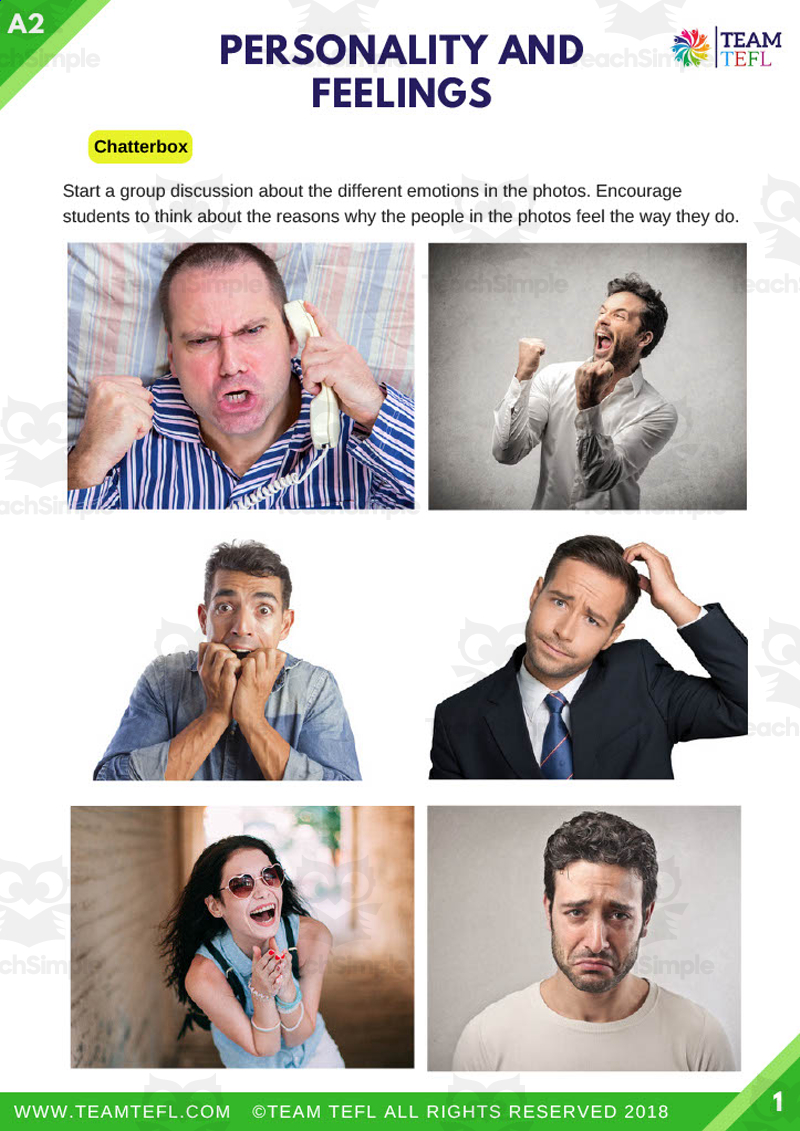
In this SEL presentation, students will learn about the "core four" as a way to figure out how someone else is feeling. This is the building block of empathy and understanding how someone is feeling. This product has a 12 slide Google Slides Presentation with the last 4 slides as handouts and activities for the lesson plan. Students will understand that the core four is looking at the key 4 body parts; the eyes, eyebrows, mouth and hands. They will analyze 4 pictures of real people and guess how they are feeling based on the core four. After they analyze the real children, they will play a game of charades with partners or in groups. There are 6 different emotions to act out-each have an emoji as well as the feeling word. No reading is required. Then there are 2 extension SEL worksheets. One is identifying what people are feeling in a picture, they will circle the feeling word and write down which part of the core four helped them figure it out. The next handout is a fun Find the 9 Differences in an emoji picture. The answer is on the following slide. This lesson is good for pre-k, kindergarten, first and second grades. If you are interested in more SEL products, please feel free to visit my SEL store here: https://teachsimple.com/contributor/jennifer-moyer-taylor For more products teaching students about feelings, emotions and SEL skills, check out these products: https://teachsimple.com/product/guess-the-emotion-sel-game (This is a fun lesson kind of like the game Cranium where students get to use play dough, writing, charades or talking to give clues about what feeling card they get.) https://teachsimple.com/product/betsy-the-top-banana-boom-cards-a-story-about-cliques-plus-task-cards-on-excluding-and-including-others-with-audio-plus-extension-activity (This is a combination Boom Cards activity as well as a fruit salad activity to discuss inclusivity with others.) https://teachsimple.com/product/sel-flashcards-for-social-emotional-learning-with-sel-coloring-pages (social emotional flashcards showcasing 16 different feelings. They are black and white as well as in color so students could color them in themselves. You can play memory, go Fish and other games with these flashcards.)
Author Jennifer Moyer Taylor
Tags SEL Presentation, Feelings, Emotions, Sel, Social Emotional Learning, School Counseling, Sen, Special Education Needs, Social Skills
Health 1st Grade Unit 4: Substance Use and Abuse
P.E. & Health, Health, Physical Education, Special Resources, Life Skills, Social Emotional Learning (SEL), Social Skills, Grade 1, Lesson Plans, Teacher Tools, Worksheets & Printables, Worksheets
For 1st Grade Health there are seven standards that need to be taught. Unit 1 Personal Health Unit 2 Growth and Development Unit 3 Nutrition and Physical Activity Unit 4 Substance Use and Abuse Unit 5 Injury/ Violence Prevention Control and Safety Unit 6 Prevention/Control of Disease Unit 7 Environmental Consumer Health These units can be taught out of order. They are only numbered for your convenience. At the end of each unit, there is an assessment to test students’ understanding. Through using this Health 1st Grade Unit 4: Substance Use and Abuse students will explore and learn to identify safe and unsafe items in their house and who can give them medicine. Included in this unit: * Students will learn the difference between helpful and harmful substances. * Students will learn how to just say no to harmful substances and situations. * Students will learn that only responsible adults can give them medicine. At the end of the unit, there is an assessment to check for understanding. A total of 10 pages for Health 1st Grade Unit 4: Substance Use and Abuse. There are seven units that cover all the health requirements for first grade. Here are the links to other health units: Health 1st Grade Unit 1: Personal Health Health 1st Grade Unit 2: Growth and Development Health 1st Grade Unit 3: Nutrition and Physical Activity Health 1st Grade Unit 4: Substance Use and Abuse Health 1st Grade Unit 5: Injury / Violence Prevention and Safety Health 1st Grade Unit 6: Prevention / Control of Disease Health 1st Grade Unit 7: Environmental / Consumer Health You can also teach your students about keeping yourself safe by studying about the Coronavirus, where and when it started and facts that plagued our world with this virus. 1st grade Coronavirus / Covid-19 Facts by Teach Simple This unit meets Common Core Standards.
Author K-5 Treasures
Tags Health Unit, Substance Use, Substance Abuse, Safe Household Items, 1st Grade Health, First Grade Health, Healthy Habits, Health, 1st Grade Resources, First Grade Resources
Strategy Mastermind: Thinking Like a Gamer to Solve Real-World Problem
Life Skills, Special Resources, Social Emotional Learning (SEL), Social Skills, Special Education Needs (SEN), Speech Therapy, STEM, Research, Mental Health, P.E. & Health, Grade 6, 7, 8, 9, 10, 11, 12, Games, Activities, Lesson Plans, Teacher Tools, Assessments, Word Problems, Worksheets & Printables, Workbooks
Unlock Your Child’s Potential with the Ultimate Guide to Strategic Thinking—Inspired by Gaming! “Strategy Mastermind: Thinking Like a Gamer to Solve Real-World Problems” is more than just another study guide. This powerful book is the key to unlocking the excitement of gaming while incorporating the skills required in everyday life. This book was written specifically for the middle school and high school audience to see the potential in using the skills learned by being a gamer to excel in school, interpersonal relationships, or any desired professions. By means of 80 fascinating chapters, learners will be able to: Break down complex challenges like defeating a boss into smaller steps that are manageable. Master resource management—time, attention, and energy, same as in-game inventory. Cultivate critical thinking skills through the observation of patterns, weaknesses, and "game mechanisms" in the real world. Develop a resilient and adaptable personality by learning and learning and learning, and by learning through failure. The application of Game Theory to Teamwork, Negotiation, and Strategic Planning. "Strategy Mastermind" is filled to the brim with analogies that are easy to understand, exercises that help improve learning skills, and real-world cases that turn learning problems into thrilling missions. It will be of immense help to students irrespective of the fact that their parents are gamers or that they themselves are one. Why Parents/Schools Love It Transforms a Possible Distraction into a Learning Device: Capitalizing on the innate passion for gaming that most students have, it offers learning opportunities related to discipline, planning, and critical thinking. Fosters Real-World Readiness Skills: These skills include time management, regulating one’s emotions, teamwork skills, and making ethical decisions. These skills can be very useful in the classroom as well as when Cultivates Growth Mindset: Teaches students to be resilient, adaptable, and learn from failures, which are all important for lifelong achievements Easy to Implement: Every chapter contains strategies, stories, and reflective questions designed for easy implementation in the classroom, a study session, or the homeschool. Relevance to the Modern Educational Scene: This textbook aligns with the modern education scenario because: It supports STEM education. It supports SEL education. It lends itself to the development of Target Audience by Class/Grade PRIMARY TARGET: Grades 7-12 (Ages Perfectly suited to a middle school and high school audience to help gaming-minded students leverage their gaming skills to succeed in academics and life. Secondary Audience: Highly able Grade 5-6 pupils (if interested in academics) College freshmen and young adults in search of basic strategic and life skills. Educators & Parents interested in new methods to integrate students' involvement in SEL (Social-Emotional Learning) and executive functions. Copyright/Terms of Use This Book is copyrighted by Syed Hammad Rizvi. This educational resource is for personal and classroom use only and cannot be changed or distributed or sold or given away by you or your institution by any means, including but not limited to being posted or shared on the Internet and available for download by everyone. For the purpose of sharing the resource among colleagues, you need to consider acquiring licenses from Teachsimple. This product has been happily made available to me by Syed Hammad Rizvi
Author Creative Book Store
Rating
Tags StrategyMastermind, GamerMindset, TeenSuccess, StudentMotivation, LearningThroughGaming, ParentingTips, EdTech, 21stCenturySkills, GrowthMindset, BookLaunch
Kindergarten Health: Unit 3
P.E. & Health, Life Studies, Health, Physical Education, Special Resources, Life Skills, Social Emotional Learning (SEL), Social Skills, Kindergarten, Lesson Plans, Teacher Tools, Worksheets & Printables, Worksheets
For Kindergarten Health there are seven standards that need to be taught to achieve healthy habits! Unit 1 Personal Health Unit 2 Growth and Development Unit 3 Nutrition and Physical Activity Unit 4 Substance Use and Abuse Unit 5 Injury/ Violence Prevention Control and Safety Unit 6 Prevention/Control of Disease Unit 7 Environmental Consumer Health These units can be taught out of order. They are only numbered for your convenience. Through using this Kindergarten Health: Unit 3, students will explore and learn to identify daily healthy habits. Students will cut, paste, and sort healthy and unhealthy foods. Also included is a fun engaging story about an unhealthy cat who learns how to be healthy by eating the appropriate food and getting exercise. There are a total of 12 pages included in this unit for Kindergarten Health. Included in this unit: * Students will sort healthy foods by their color. Teachers will help students understand that fruits and vegetables are colorful and healthy for their bodies. * Students will cut and sort healthy foods verses unhealthy foods by pasting them into the correct column. * Students will read individually or as a group a story about an unhealthy cat who learns how to be healthy. At the end of the story, students will identify and draw healthy foods and a physical healthy habit that is good for their bodies. There are seven units that cover all the health requirements for Kindergarten. Here are the links to other health units: Kindergarten Health: Unit 1 Personal Health Kindergarten Health: Unit 2 Growth and Development Kindergarten Health: Unit 3 Nutrition and Physical Activity Kindergarten Health: Unit 4 Substance Use and Abuse Kindergarten Health: Unit 5 Injury / Violence Prevention Control and Safety Kindergarten Health: Unit 6 Prevention / Control of Disease Kindergarten Health: Unit 7 Enviromental Consumer Health You can also teach your students about keeping yourself safe by studying about the Coronavirus, where and when it started and facts that plagued our world with this virus. Kindergarten Health: Covid 19 / Coronavirus Facts This unit meets Common Core Standards.
Author K-5 Treasures
Tags Health, Health Units, Personal Health, Health Worksheets, Kindergarten Health, Kids Health, Elementary Health, Worksheets On Health, Healthy Habits, Healthy Foods
Health 1st Grade Unit 5: Injury / Violence Prevention and Safety
P.E. & Health, Special Resources, Health, Physical Education, Life Skills, Social Emotional Learning (SEL), Social Skills, Grade 1, Lesson Plans, Teacher Tools, Worksheets, Worksheets & Printables
For 1st Grade Health there are seven standards that need to be taught. Unit 1 Personal Health Unit 2 Growth and Development Unit 3 Nutrition and Physical Activity Unit 4 Substance Use and Abuse Unit 5 Injury/ Violence Prevention Control and Safety Unit 6 Prevention/Control of Disease Unit 7 Environmental Consumer Health These units can be taught out of order. They are only numbered for your convenience. At the end of each unit, there is an assessment to test students’ understanding. Through using this Health 1st Grade Unit 5: Injury / Violence Prevention and Safety students will learn to identify personal information, safety in their environment, trusted adults in their community, and bullying. Included in this unit: * Students will learn how to be safe in their community, household, and community. * Students will learn the importance of knowing their personal information. * Students will learn how to identify trusted adults in their community. * Students will learn when to call 911. * Students will learn about stranger danger. * Students will learn about bullying and who to talk to if this occurs. At the end of the unit, there is an assessment to check for understanding. A total of 14 pages for Health 1st Grade Unit 5: Injury / Violence Prevention and Safety. There are seven units that cover all the health requirements for first grade. Here are the links to other health units: Health 1st Grade Unit 1: Personal Health Health 1st Grade Unit 2: Growth and Development Health 1st Grade Unit 3: Nutrition and Physical Activity Health 1st Grade Unit 4: Substance Use and Abuse Health 1st Grade Unit 5: Injury / Violence Prevention and Safety Health 1st Grade Unit 6: Prevention / Control of Disease Health 1st Grade Unit 7: Environmental / Consumer Health You can also teach your students about keeping yourself safe by studying about the Coronavirus, where and when it started and facts that plagued our world with this virus. 1st grade Coronavirus / Covid-19 Facts by Teach Simple This unit meets Common Core Standards.
Author K-5 Treasures
Tags Health Unit, Injury Prevention, Violence Prevention, Safety, 1st Grade Health, First Grade Health, Healthy Habits, Health Resources, Health, First Grade Resources
Kindergarten Health: Unit 2
P.E. & Health, Life Studies, Health, Physical Education, Special Resources, Life Skills, Social Emotional Learning (SEL), Social Skills, Kindergarten, Lesson Plans, Teacher Tools, Worksheets & Printables, Worksheets
For Kindergarten Health there are seven standards that need to be taught to achieve healthy habits! Unit 1 Personal Health Unit 2 Growth and Development Unit 3 Nutrition and Physical Activity Unit 4 Substance Use and Abuse Unit 5 Injury/ Violence Prevention Control and Safety Unit 6 Prevention/Control of Disease Unit 7 Environmental Consumer Health These units can be taught out of order. They are only numbered for your convenience. Through using this Kindergarten Health: Unit 2, students will explore and learn to identify daily healthy habits. Included in this unit: * Students will be able to understand their five senses. * Students will be able to match their senses to their body parts. * Students will sort out the five senses by cutting, matching, and pasting pictures to the correct sense. * As a group, students will be able to identify different characteristics that make them different from their classmates. Students will learn about the five senses and understand the parts of their body that help identify those five senses. They will also learn about the different characteristics they have compared to their classmates. There is a total of 8 pages included in this Unit 1 for Kindergarten Health. There are seven units that cover all the health requirements for Kindergarten. Here are the links to other health units: Kindergarten Health: Unit 1 Personal Health Kindergarten Health: Unit 2 Growth and Development Kindergarten Health: Unit 3 Nutrition and Physical Activity Kindergarten Health: Unit 4 Substance Use and Abuse Kindergarten Health: Unit 5 Injury / Violence Prevention Control and Safety Kindergarten Health: Unit 6 Prevention / Control of Disease Kindergarten Health: Unit 7 Enviromental Consumer Health You can also teach your students about keeping yourself safe by studying about the Coronavirus, where and when it started and facts that plagued our world with this virus. Kindergarten Health: Covid 19 / Coronavirus Facts This unit meets Common Core Standards.
Author K-5 Treasures
Tags Kindergarten Health, Health, Health Units, Health For Kindergarten, Healthy Foods, Healthy Habits, Healthy Kids, Elementary Health, Physical Activity, Kindergarten Resources
Health | 3rd Grade Unit 1: Personal Health
P.E. & Health, Life Studies, Physical Education, Health, Special Resources, Life Skills, Social Emotional Learning (SEL), Social Skills, Grade 3, Teacher Tools, Lesson Plans, Worksheets & Printables, Worksheets
For 3rd Grade Health there are seven standards that need to be taught. Unit 1 Personal Health Unit 2 Growth and Development Unit 3 Nutrition and Physical Activity Unit 4 Substance Use and Abuse Unit 5 Injury/ Violence Prevention Control and Safety Unit 6 Prevention/Control of Disease Unit 7 Environmental Consumer Health These units can be taught out of order. They are only numbered for your convenience. At the end of each unit, there is an assessment to test students’ understanding. In this unit, students will discuss and learn about healthy and unhealthy physical activities. They will discuss with the group what they think happens to their body when they are running, what causes our bodies to sweat and make our heartbeat faster and how long it takes for our bodies to recover. They will even perform some physical activities as a group and monitor what is happening to their bodies. Students will also read about healthy and unhealthy habits they do during the day. Such unhealthy habits they will read about include watching TV, playing video games, or laying around instead of doing physical activities such as skateboarding, swimming, and other activities that are good for our heart. There is a goal sheet included that will help students monitor how they can get more physical activity into their daily routines. After completing the goal sheet, they will compare it to other classmates and even improve on their physical goals that they want to accomplish. In the unit, there is a worksheet about making healthy eating habits. What foods kids should avoid like sugary sweets, greasy foods, chips and sodas. Student will discuss the consequences of eating unhealthy foods verses eating healthy options. Lastly, there is a worksheet on the importance of sleep. How much sleep kids need at their age and why it's important to go to bed on time each night. There are 13 pages included in all. In the end, there is an assignment to test for understanding. There are seven units that cover all the health requirements for 3rd grade. Here are the links to other health units: Health | 3rd Grade Unit 1: Personal Health Health | 3rd Grade Unit 2: Growth and Development Health | 3rd Grade Unit 3: Nutrition and Physical Activity Health | 3rd Grade Unit 4: Substance Use and Abuse Health | 3rd Grade Unit 5: Injury Prevention and Safety Health | 3rd Grade Unit 6: Prevention Control of Disease Health | 3rd Grade Unit 7: Environmental Consumer Health
Author K-5 Treasures
Tags Health Unit, Personal Health, Healthy Goals, Unhealthy Choices, Health Activities, Physical Goals, Health Goals, Health And Wellness, 3rd Grade Health, Third Grade Health
Health 2nd Grade Unit 3: Nutrition and Physical Activity
P.E. & Health, Health, Physical Education, Special Resources, Life Skills, Social Emotional Learning (SEL), Social Skills, Grade 2, Lesson Plans, Teacher Tools, Worksheets & Printables, Worksheets
For 2nd Grade Health there are seven standards that need to be taught. Unit 1 Personal Health Unit 2 Growth and Development Unit 3 Nutrition and Physical Activity Unit 4 Substance Use and Abuse Unit 5 Injury/ Violence Prevention Control and Safety Unit 6 Prevention/Control of Disease Unit 7 Environmental Consumer Health These units can be taught out of order. They are only numbered for your convenience. At the end of each unit, there is an assessment to test students’ understanding. Through using this Health 2nd Grade Unit 3: Nutrition and Physical Activity students will explore and learn to identify: * Healthy foods they should and foods that they should not eat that are unhealthy for their bodies. * Physical activities beneficial to their health and suggestions of which types of activities they can do. * Consequences of being active vs inactive * Students will also learn the importance of eating a healthy balanced diet and the benefits of being physically active at school, at home, and with their friends. This unit meets Common Core Standards for 2nd grade health. A total of 10 pages for this 2nd Grade Health Unit 3 on Nutrition and Physical Activity. At the end of the unit, there is an assessment to check for understanding. There are seven units that cover all the health requirements for second grade. Here are the links to other health units: Health 2nd Grade Unit 1: Personal Health Health 2nd Grade Unit 2: Growth and Development Health 1st Grade Unit 3: Nutrition and Physical Activity Health 2nd Grade Unit 4: Substance Use and Abuse Health 2nd Grade Unit 5: Injury / Violence Prevention and Safety Health 2nd Grade Unit 6: Prevention / Control of Disease Health 2nd Grade Unit 7: Environmental / Consumer Health 2nd grade Coronavirus / Covid-19 Facts
Author K-5 Treasures
Tags Health Unit, Nutrition, Physical Activity, Healthy Food, 2nd Grade Health, Second Grade Health, Physical Health, Eating Healthy, Health Resources, 2nd Grade Health Resources
K-2 Responsibility SEL Presentation SEL coloring pages
Special Resources, Social Skills, Social Emotional Learning (SEL), Special Education Needs (SEN), Preschool, Grade 1, 2, Teacher Tools, Lesson Plans
K-2 Responsibility SEL Presentation Lesson Overview This valuable learning tool is not only geared toward kindergarten, first grade, and second-grade students, it also includes a sorting activity and handouts. Emphasizing the significant concept of responsibility, this tool aims to enhance social-emotional learning (SEL). Detailed Features An engaging 4 slide Google Slide presentation that guides students into understanding responsibilities they have at home, school or in their interactions with others. A YouTube video link or alternatively an option for teachers to read books associated with responsibility. Options include I Just Forgot by Mercer Mayer, I'll Do It by Brian Moses and many more. An exciting sorting activity featuring 24 colorful cards depicting diverse scenarios relating to responsible and irresponsible actions. This hands-on element allows for partner work or group activities. Suggestive Measures We recommend laminating the cards for durability - especially if intended for use across multiple rounds of learners. Inclusive Advantage A significant advantage is the incorporation of written helpers associated with nine different activities. Such insight serves kindergartners who do not yet possess robust reading skills. The Power of Extension Handouts Learners can apply their newly acquired knowledge from classifying action in extension handouts where they cross out irresponsible actions while color-filling those deemed responsible. This encourages understanding duty-fulfillment while promoting community interaction and cooperation. There are SEL coloring pages in this product. Lasting Affirmations The package includes a rewarding coloring page which portrays an illustration of students with the motivating affirmation "We can all be responsible." Application of the K-2 Responsibility SEL Lesson This dynamic resource is ideal for lesson plans related to social skills, social-emotional learning, and special education needs (SEN). If you enjoy this resource and want to check out my other social emotional learning activities, please visit my store at: https://teachsimple.com/contributor/jennifer-moyer-taylor
Author Jennifer Moyer Taylor
Tags Responsibility, Social-emotional Learning, SEL Lesson, Sorting Activity, Handouts, School Counseling, Counseling, Google Slide, Sel Presentation, Sel Coloring Pages
Let's Chat Conversation Cards | "Take the High Road"
Special Resources, Social Emotional Learning (SEL), Grade 6, 7, 8, 9, 10, 11, 12, Teacher Tools, Lesson Plans
Take the High Road Conversation Cards The Take the High Road Conversation Cards are part of the Let's Chat program by Respectful Ways. This social-emotional learning resource helps build a positive classroom culture through real conversations that strengthen friendships and understanding between students. The Take the High Road cards encourage students to respond to challenges with compassion, perseverance, respect, and responsibility. Conversations explore different perspectives to handle difficult situations in constructive ways. Teachers can facilitate whole-class, small group, or partner discussions using the prompt cards. Respectful Ways integrates trauma-informed best practices into their blended SEL programs. Their ongoing partnerships with districts have shown improved student outcomes: 12% higher GPAs, 37% better attendance, and 93% fewer referrals. The Take the High Road Conversation Cards set allows flexible implementation for grades 6-12. Respectful Ways offers additional Let's Chat topics and signage, as well as custom workshops and training.
Author Respectful Ways
Tags SEL, Conversation Cards, Responsibility, Respectful Ways, Take The High Road, Social Emotional Learning, Let's Chat, Trauma-informed
Emotional Intelligence Building Blocks - Social Emotional Learning
Life Studies, Career, Research, Life Skills, Special Resources, Social Emotional Learning (SEL), Social Skills, Special Education Needs (SEN), Speech Therapy, Grade 3, 4, 5, 9, 10, 11, 12, Activities, Teacher Tools, Projects, Centers, Assessments, Lesson Plans, Outlines, Presentations, Rubrics, Quizzes and Tests
Uncover the best social emotional learning (SEL) curriculum for grades 3-6 in "Emotional Intelligence Building Blocks - Social Emotional Learning" by Syed Hammad Rizvi, especially designed for elementary-school-going children. With a total of 432 pages of in-depth information, this book maximizes 8- to 12-year-olds' ability to handle their internal world of emotions while developing high-quality social skills, such as mastering personal management skills and responsible decision-making. Full of exciting topics in each installments like recognizing happiness, sadness, anger, fear, and many more, this social emotional learning middle school workbook delves deep into self-awareness, self-management tools like journaling, breathing exercises, goal setting, social awareness with a focus on empathy, body language, and cultural differences. Designed to be highly beneficial for homeschoolers, classroom teaching, or family usage, this social-emotional learning middle school curriculum not only provides exercises to handle conflicts, make friends, and enhance positive thinking but is specifically designed to help in overcoming emotional difficulties by teaching kids to be emotionally intelligent individuals throughout their lives. It is a highly recommended teaching tool for all parents, tutors, and teachers looking for scientifically valid emotional intelligence exercises to be performed by kids in their classroom. Why Parents/Schools Love It: In-Depth SEL Resource: Provides students with a clear continuum of skills from recognizing emotions to applying concepts in a real-life setting. Helps students learn to be resilient, empathetic, and effective conflict resolvers. Practical and Engaging Tools: This category includes solutions such as journaling, breathing exercises, and goal-setting tasks, which require minimal effort to perform in the comfort of one's home or an educational setting in order to promote instant emotional development. Encourages Positive Relations: Deals with skills like listening, boundary marking, and celebrating diversity. Has the effect of reducing misbehavior and increasing positive associations with family, friends, and the broader community. Aligned with Educational Standards: Based on the principles of Emotional Intelligence, the resource is useful for both homeschooling and classroom education as it impacts academic success, health, and bullying intervention. Empowering for Lifelong Skills: It promotes self-discovery and optimistic outlooks, arming children with skills to conquer life's obstacles, resulting in happier and more confident people as manifested in parent and teacher feedbacks. Target Classes/Students : Based on the complete analysis of the content, structure, language, and examples in the book, it is ideally targeted at students in grades 3 to 6 (usually between 8-12 years old). The content uses vocabulary suitable for this age group, scenarios that are easy for students of this age to relate to, such as school challenges and playground and family dynamics, and progresses gradually from simple emotion identification to complex issues such as ethical dilemmas and community involvement. The introductory tone assumes basic reading skills without burdening the younger reader, while the substance in the later chapters on self-awareness and social dynamics fits well with the upper elementary levels. It could extend to advanced grade 2 students or remedial grade 7, but the core focus is perfectly in tune with middle childhood development stages emphasized in the book. Copyright/Terms of Use : This Book was copyrighted by Syed Hammad Rizvi. This resource is to be used only for personal and single-classroom use only. You are not to alter or redistribute any part of this resource or sell this resource. In other words, do not put this resource on the Internet where it could be downloaded. If you would like to share this resource with others, you can purchase other licenses through Teachsimple. Thank you so much for your cooperation! This product is happily brought to you by Syed Hammad Rizvi
Author Creative Book Store
Rating
Tags EmotionalIntelligenceBuildingBlocks, SocialEmotionalLearning, SELForKids, EmotionalIntelligenceForChildren, SELCurriculum, EmotionalRegulationForKids, BuildingEmpathyInChildren, KidsEmotionalWellbeing, ElementarySELActivities
Environmental Consumer Health: 4th and 5th Grade Unit 7
P.E. & Health, Life Studies, Physical Education, Health, Life Skills, Special Resources, Social Emotional Learning (SEL), Social Skills, Grade 4, 5, Teacher Tools, Lesson Plans, Worksheets & Printables, Worksheets
Environmental Consumer Health: 4th and 5th Grade Unit 7 For 4th and 5th Grade Health, there are seven standards that students will practice and learn. Through using this Environmental Consumer Health: 4th and 5th Grade Health Unit 7 students will explore and learn to identify daily healthy habits. This Environmental Consumer Health Unit 7, is full of engaging worksheets to help students learn about their environment in an educational way as it pertains to their own health and the health of others. In this unit, students will be educated on the pollution that effects the land, water, and air in their neighborhood and community. They will also identify solutions to stop the pollution. Along with that, they will discover ways to help the environment by reducing, recycling, and reusing products. Advertisers use tricky ways to convince consumers that unhealthy food is beneficial to them. Kids will learn about these tricky strategies and the messages that advertisers use that convince the public to use these unhealthy products. In addition, students will have the opportunity to draw their own advertisement to help stop the spread of a disease outbreak in a community. Lastly, there is an assessment to check for understanding. This Environmental Consumer Health unit is the perfect way for teachers and parents to help their students understand the importance of health in a community and teaches students a way to develop healthy habits for life! Included in this Environmental Consumer Health: 4th and 5th Grade Unit 7 are the following: How the land, water, and air pollution affect persona health and our community health. A worksheet is provided on solutions to stop the pollution. Learn ways to help a community with reducing, recycling, and reusing products. Students will learn about tricky strategies advertisers use on consumers to coerce them to purchase unhealthy products and the messages these advertisers are sending to kids. Understand what environmental health messages mean to a community. Draw your own health advertisement to help stop a disease outbreak in a community. Lastly, there is an assessment to check for understanding. There is an answer key included. There are 16 pages included! This unit meets Common Core Standards. There are seven units that cover all the health requirements for 4th and 5th grade. Here are the links to other health units: Health | 4th and 5th Grade Unit 1: Personal Health Health | 4th and 5th Grade Unit 2: Growth and Development Health | 4th and 5th Grade Unit 3: Nutrition and Physical Activity Health | 4th and 5th Grade Unit 4: Substance Use and Abuse Health |4th and 5th Grade Unit 5: Injury and Violence Prevention Health | 4th and 5th Grade Unit 6: Prevention and Control of Disease Health |4th and 5th Grade Unit 7: Environmental Consumer Health
Author K-5 Treasures
Tags Health Unit, Personal Health, Healthy Goals, Health Activities, Physical Goals, Health Goals, Health And Wellness, 4th Grade Health, 5th Grade Heath, Heath Units
Health 1st Grade Unit 2: Growth and Development
P.E. & Health, Health, Physical Education, Special Resources, Life Skills, Social Emotional Learning (SEL), Social Skills, Grade 1, Lesson Plans, Teacher Tools, Worksheets & Printables, Worksheets
For 1st Grade Health there are seven standards that need to be taught. Unit 1 Personal Health Unit 2 Growth and Development Unit 3 Nutrition and Physical Activity Unit 4 Substance Use and Abuse Unit 5 Injury/ Violence Prevention Control and Safety Unit 6 Prevention/Control of Disease Unit 7 Environmental Consumer Health These units can be taught out of order. They are only numbered for your convenience. At the end of each unit, there is an assessment to test students’ understanding. Through using this Health 1st Grade Unit 2: Growth and Development students will explore and learn to identify physical characteristics and emotional characteristics. Included in this Health 1st Grade Unit 2: Growth and Development: * Students match the physical characteristics and facial expressions with the correct emotion. * Students will draw an emotion based on a given event. * They will also work as a class as they identify all the different characteristics their peers have compared to themselves. At the end of the unit, there is an assessment to check for understanding. Included in this unit is an assessment with answer key. A total of 9 pages for Health 1st Grade Unit 2: Growth and Development. There are seven units that cover all the health requirements for first grade. Here are the links to other health units: Health 1st Grade Unit 1: Personal Health Health 1st Grade Unit 2: Growth and Development Health 1st Grade Unit 3: Nutrition and Physical Activity Health 1st Grade Unit 4: Substance Use and Abuse Health 1st Grade Unit 5: Injury / Violence Prevention and Safety Health 1st Grade Unit 6: Prevention / Control of Disease Health 1st Grade Unit 7: Environmental / Consumer Health You can also teach your students about keeping yourself safe by studying about the Coronavirus, where and when it started and facts that plagued our world with this virus. 1st grade Coronavirus / Covid-19 Facts by Teach Simple This unit meets Common Core Standards.
Author K-5 Treasures
Tags Health Unit , Growth And Development, Physical Differences, Emotional Differences, Self Development, 1st Grade Health, First Grade Health, Healthy Activities, Healthy Foods, 1st Grade Resources
Health 2nd Grade Unit 7: Environmental / Consumer Health
P.E. & Health, Health, Physical Education, Common Core, Special Resources, Life Skills, Social Emotional Learning (SEL), Social Skills, Grade 2, Lesson Plans, Teacher Tools, Worksheets & Printables, Worksheets
For 2nd Grade Health there are seven standards that need to be taught. Unit 1 Personal Health Unit 2 Growth and Development Unit 3 Nutrition and Physical Activity Unit 4 Substance Use and Abuse Unit 5 Injury/ Violence Prevention Control and Safety Unit 6 Prevention/Control of Disease Unit 7 Environmental Consumer Health These units can be taught out of order. They are only numbered for your convenience. At the end of each unit, there is an assessment to test students’ understanding. Through using this Health 2nd Grade Unit 7: Environmental / Consumer Health students will explore and learn: * How our environment is important to our health * Understanding pollution and the different types of pollution. * A focus on keeping our oceans clean and protecting sea life. * Environmental resources. * How to reduce, reuse, and recycle. * Project ideas on how to recycle some materials. * The importance of farmers markets and it is important to a community. With so many activities, students will learn all about their environment and how to protect it better with these worksheets. This unit meets Common Core Standards. At the end of the unit, there is an assessment to check for understanding. Answers to the assessment questions are provided. A total of 12 pages for 2nd Grade Health on Environmental and Consumer Health. There are seven units that cover all the health requirements for second grade. Here are the links to other health units: Health 2nd Grade Unit 1: Personal Health Health 2nd Grade Unit 2: Growth and Development Health 1st Grade Unit 3: Nutrition and Physical Activity Health 2nd Grade Unit 4: Substance Use and Abuse Health 2nd Grade Unit 5: Injury / Violence Prevention and Safety Health 2nd Grade Unit 6: Prevention / Control of Disease Health 2nd Grade Unit 7: Environmental / Consumer Health 2nd grade Coronavirus / Covid-19 Facts
Author K-5 Treasures
Tags Health Unit, Environment, Consumer Health, Reduce Reuse Recycle, Second Grade Health, 2nd Grade Health, Healthy Habits, Reducing Pollution, Health Activities, Health Resources For 2nd Grade
I WONDER - Why It Is Important To Create Strong Passwords
Life Skills, Special Resources, Social Emotional Learning (SEL), Technology, Science, Computer Science, Grade 4, 5, 6, 7, 8, 9, 10, Lesson Plans, Teacher Tools
Video Introduction An amazing video designed for the students to learn more about social and soft skills in our daily life. I WONDER - Why It Is Important To Create Strong Passwords | Animated Video Lesson Have you ever read about soft skills or social skills? If yes, can you tell us more about them? Body language is so important for us to learn about, as it teaches us how to deliver the correct message to the people we are talking to, and get the right message from the people who talk to us, by simply reading their body language. What do you know about etiquette? Do you know that every country has got its unique etiquette? What do you know about online etiquette? What is your strongest soft/social skill? Can you name other social or soft skills? Do you think we should be always nice to our friends and family? Do you think we should be kind with animals? Have you ever read about online etiquette? If yes, tell us more about it. What are the essential skills that we should have while dealing with people online? I WONDER - Why It Is Important To Create Strong Passwords | Animated Video Lesson The video is perfect for encouraging the researching skills for the students, while learning more about these fantastic social and soft skills in our daily life. I WONDER - Why It Is Important To Create Strong Passwords | Animated Video Lesson This friendly designed video is suitable for students at school, homeschooling, and as a group activity. Format Available in MP4 format.
Author Educational Voice
Rating
Tags Why It Is Important To Create Strong Passwords, Why It Is Important To Create Strong Passwords Video, Create Strong Passwords, Create Strong Passwords Facts, Create Strong Passwords Video, Create Strong Passwords Video For Kids
Let's Chat Conversation Cards | "Respectful Play is the Way"
Special Resources, Social Emotional Learning (SEL), Kindergarten, Preschool, Grade 1, 2, Teacher Tools, Lesson Plans
Let's Chat Conversation Cards for "Respectful Play is the Way" is a social-emotional learning resource that encourages positive discussions between students. This packet includes printable conversation prompt cards, a promise pledge, detailed lesson plans aligned to standards, a student award, and English and Spanish home connection letters. Teachers can use these materials in whole group, small group, or independent settings to facilitate meaningful dialogue. As students explore perspectives on concepts like compassion, perseverance, respect, and responsibility, they will strengthen interpersonal skills and friendships. By internalizing the mindset "Respectful Play is the Way," learners develop empathy and create a more positive classroom culture. This versatile conversation starter tool allows educators to nurture students' social-emotional growth in a variety of instructional contexts.
Author Respectful Ways
Tags SEL, Conversation Cards, Spanish, Respectful Ways, Play
Let's Chat Conversation Cards | "Think First, Then Act"
Special Resources, Social Emotional Learning (SEL), Kindergarten, Preschool, Grade 1, 2, Teacher Tools, Lesson Plans
Let's Chat Conversation Cards for "Think First, Then Act" is a social-emotional learning resource that helps build a positive mindset in students. Through guided conversations using the printable conversation cards, students learn to be more compassionate, show perseverance and responsibility, and respect others. By understanding different perspectives, students can strengthen friendships. This teaching resource includes printable English and Spanish conversation cards to prompt dialogues, a promise pledge, lesson plans aligned to standards, a student award, and home connection letters. Educators can facilitate rich discussions in whole or small groups that allow students to think critically about their actions. When students thoughtfully consider positive behaviors, they can achieve great things. This versatile resource is suitable for preschool to 2nd grade.
Author Respectful Ways
Tags SEL, Conversation Cards, Self Respect, Respectful Ways, Think First
Lego Themed Following Instructions SEL Lesson
Special Resources, Social Emotional Learning (SEL), Preschool, Grade 1, 2, Teacher Tools, Lesson Plans
In this Lego-themed product, students will practice following instructions from the teacher. A great way to teach look, listen and do steps. Then if there is time, students can practice giving a partner directions as well. For more Lego Themed resources, check out this! https://teachsimple.com/product/lego-themed-emotion-regulation-lesson (In this lesson, students learn about the zones of emotional regulation. There is a cute Lego themed poster and step by step directions on using actual Legos or generic toy bricks to give kids a hands-on experience.) For more SEL resources, please visit my store: https://teachsimple.com/contributor/jennifer-moyer-taylor (My store contains a wealth of SEL and social emotional learning resources. I am a school counselor and my resources are kid tested, kid approved.) Here are some other resources you may enjoy: https://teachsimple.com/product/10-sel-monthly-themed-activities-sel-coloring-pages-sel-worksheets (There are 10 SEL handouts for students to complete. They are seasonally themed for fun engagement. There is one for Halloween themed, Thanksgiving themed, Christmas themed, winter themed and so much more.)
Author Jennifer Moyer Taylor
Rating
Tags Lego Themed, Following Directions, Following Instructions, Classroom Management, School Counseling, Sel, Social-emotional Learning, Lego, Lego Lesson Plans Pdf, Lego Lesson Plans
Powered Neuro-Inclusive Micro-Learning Strategy Cards for Diverse
Science, Technology, Computer Science, Engineering, Special Resources, Social Emotional Learning (SEL), Special Education Needs (SEN), STEM, Life Skills, ELA, Grade 2, 3, 4, 5, 9, 10, 11, 12, Worksheets & Printables, Flashcards, Parts of and Anatomy of, Word Problems, Workbooks, Worksheets, Writing Prompts, Teacher Tools, Assessments, Lesson Plans
Unlocks the future of inclusive education with this 49-page ultimate resource: "AI-Powered Neuro-Inclusive Micro-Learning Strategy Cards for Diverse Classrooms (Ready!)" – an innovative and educator-recommended resource that disrupts and transforms K-12 educational strategies for the better. This downloadable pdf resource pushes the boundaries of neuro-inclusive education practices, micro-learning best practices, and responsible AI applications, covering all theoretical aspects of neuro-inclusive educational practices, micro-learning best practices, AI applications, and a lot more with its profound evidence-based resources on UDL, Cognitive Load Factors, and Constructivist concepts, with actual demonstration cases from elementary and high school levels, strategy card templates for creative development on worksheets and ethics of AI applications for educational environments, all crafted together for optimal cognitive engagement and minimizing educational barriers for effective personalized cognitive educational development. Perfect for special education resources, differentiated resources for personalized educational practices, and educational management tools, this SEO-optimized resource for educators helps and enables all educators for preparation of balanced cognitive educational morsels for enhanced cognitive engagements, motivation, and academic achievement for students across diverse K-12 educational environments. Keywords: Neuro-inclusive educational practices for classrooms, AI-based educational resources for classrooms, Micro-learning for neuro-diverse students, K-12 Neuro-inclusive educational practices, UDL resources for classrooms. Why Parents/Schools Love It: Personalized and Inclusive Strategy: Enables teachers to provide personalized education support for neurodiverse students, making them less frustrated and more confident using bite-sized and adjustable strategies such as tools for students with ADHD or autistic students. Time-Saving AI Integration: “Ethical AI capabilities offer real-time analytics, personalized content, and feedback loops that ease the instructor’s workload and help enhance outcomes in a K-12 classroom.” Results That Speak for Themselves: Proven on the evidence-based frameworks of UDL and Cognitive Load Theory, as well as illustrated cases of 20% or greater retention and engagement rates, there is no doubt that it helps students significantly. Versatile & Ready to Use: Comes with strategy cards, worksheets, & writing prompts that teachers can print out for instant use in their classrooms, thus being very useful in encouraging motivation, managing cognitive overload, & ensuring equitable education. Future-Proof Designs: equipped with ethical AI tools and frameworks that protect consumer and individual rights to privacy and mitigate biases, to ready and prepare learners for a technology-driven and worldwide environment while focusing on teaching and learning. Targeted Classes/Students : After thoroughly evaluating the entire 49-page PDF file, which contains information on foundational theory (Chapters 1-3), the design and execution of strategy cards (Chapter 4), worksheets for practice, ethical issues, case studies, and advanced topics, it is clear that the guide is designed for use in K-12 education environments. It applies to all grade levels, Kindergarten through 12th grade, with a focus on neurodiverse students. Specific suggestions are included for: Elementary School Students (Grades K-5): Underlying concepts may target fractions, reading comprehension, or social-emotional control, with examples such as Northwood Elementary focusing on ADHD, Dyslexia, and Autistic students during grades 3-5. Designed specifically for students who profit from visual supports and time-dosing assistance with their learning and attention. Middle School Students (6-8): Focuses on executive functioning assistance, multi-step task planning (ecosystems lesson for instance), AI-powered modifications for ESL, anxious, gifted students. Case examples, like Summit Ridge Middle School, discuss differentiating for students with learning disabilities. High School Students(9-12): Focuses on difficult topics in geometry proofs, formulas for volume, and abstract ideas, using micro-learning for dyscalculia, slow processing, and high-functioning autism. Examples include Emerald High School’s geometry in the 9th grade, which emphasize challenging concepts. Copyright/Terms of Use : This Book was copyrighted by Syed Hammad Rizvi. This document or textbook is exclusively for non-commercial personal and classroom use only. You are not allowed to copy, distribute, or sell any portion of this document or textbook through the Internet for public download. If you would like to share this resource with others in your workplace, please purchase additional licenses from Teachsimple. We appreciate your respect for these guidelines for use. This product is proudly brought to you by Syed Hammad Rizvi
Author Creative Book Store
Rating
Tags NeuroInclusiveEducation, AIPoweredLearning, MicroLearningStrategies, K12InclusivePedagogy, NeurodiversityInClassrooms, UDLPrinciples, CognitiveLoadTheory, EthicalAIInEducation, ADHDTeachingTools, DyslexiaSupportResources
Kindergarten Health: Unit 7
P.E. & Health, Life Studies, Physical Education, Health, Special Resources, Life Skills, Social Emotional Learning (SEL), Social Skills, Kindergarten, Teacher Tools, Lesson Plans, Worksheets & Printables, Worksheets
For Kindergarten Health there are seven standards that need to be taught to achieve healthy habits! Unit 1 Personal Health Unit 2 Growth and Development Unit 3 Nutrition and Physical Activity Unit 4 Substance Use and Abuse Unit 5 Injury/ Violence Prevention Control and Safety Unit 6 Prevention/Control of Disease Unit 7 Environmental Consumer Health These units can be taught out of order. They are only numbered for your convenience. Discover the comprehensive and engaging Kindergarten Health: Unit 7, a top-notch digital educational package designed to help you educate young minds about essential health concepts, habits, and practices. Focused on Environmental Consumer Health, this unit equips students with the knowledge to stay safe from sun exposure and appreciate the role healthcare workers play in their community. This fun-filled material offers interactive activities like cut-and-paste worksheets where children can learn about dressing appropriately for sun protection. They'll also get introduced to sunscreen usage for additional safety measures. With 12 insightful pages adhering to Common Core Standards, Kindergarten Health: Unit 7 is an indispensable resource for educators seeking high-quality content on environmental consumer health topics tailored towards kindergarten learners. Maximize your kindergarten instruction by exploring all seven units of the Kindergarten Health series by Teach Simple. Give your students a solid foundation in understanding personal wellbeing essentials while keeping them informed about current facts concerning Covid-19. Students will cut, paste, and decide how to best protect our bodies from the sun. They will also learn about health care workers in our community and how they keep us safe. There are a total of 12 pages included in this unit for Kindergarten Health. There are seven units that cover all the health requirements for Kindergarten. Here are the links to other health units: Kindergarten Health: Unit 1 Personal Health Kindergarten Health: Unit 2 Growth and Development Kindergarten Health: Unit 3 Nutrition and Physical Activity Kindergarten Health: Unit 4 Substance Use and Abuse Kindergarten Health: Unit 5 Injury / Violence Prevention Control and Safety Kindergarten Health: Unit 6 Prevention / Control of Disease Kindergarten Health: Unit 7 Enviromental Consumer Health You can also teach your students about keeping yourself safe by studying about the Coronavirus, where and when it started and facts that plagued our world with this virus. Kindergarten Health: Covid 19 / Coronavirus Facts This unit meets Common Core Standards.
Author K-5 Treasures
Tags Health Units, Health Worksheets, Worksheets On Health, Kindergarten Health, Personal Health, Healthy Habits, Healthy Foods, Healthy Kids, Elementary Health
Health 2nd Grade Unit 4: Substance Use and Abuse
P.E. & Health, Health, Physical Education, Special Resources, Life Skills, Social Emotional Learning (SEL), Social Skills, Grade 2, Lesson Plans, Teacher Tools, Worksheets & Printables, Worksheets
For 2nd Grade Health there are seven standards that need to be taught. Unit 1 Personal Health Unit 2 Growth and Development Unit 3 Nutrition and Physical Activity Unit 4 Substance Use and Abuse Unit 5 Injury/ Violence Prevention Control and Safety Unit 6 Prevention/Control of Disease Unit 7 Environmental Consumer Health These units can be taught out of order. They are only numbered for your convenience. At the end of each unit, there is an assessment to test students’ understanding. Through using this Health 2nd Grade Unit 4: Substance Use and Abuse students will learn to identify how adults can help with unknown substances and understand what is a safe and what is not safe or otherwise what is known as an unsafe substance. Students will also learn the following concepts: * How adults help students to understand what is an unknown substance. * Students will learn to “Just say no” to many harmful substances that are not healthy and habit forming. * How families and peers help with harmful / helpful substances. At the end of the unit, there is an assessment to check for understanding. A total of 10 pages for this 2nd Grade Health Unit 4 on Substance Use and Abuse. There are seven units that cover all the health requirements for second grade. Here are the links to other health units: Health 2nd Grade Unit 1: Personal Health Health 2nd Grade Unit 2: Growth and Development Health 1st Grade Unit 3: Nutrition and Physical Activity Health 2nd Grade Unit 4: Substance Use and Abuse Health 2nd Grade Unit 5: Injury / Violence Prevention and Safety Health 2nd Grade Unit 6: Prevention / Control of Disease Health 2nd Grade Unit 7: Environmental / Consumer Health 2nd grade Coronavirus / Covid-19 Facts This unit meets Common Core Standards.
Author K-5 Treasures
Tags Health Unit, Substance Use, Substance Abuse, Safe And Unsafe Substances, 2nd Grade Health, Second Grade Health, Health, Elementary Health, Health Resources, Health For 2nd Grade
Let's Chat Conversation Cards | "Empathy vs. Apathy"
Special Resources, Social Emotional Learning (SEL), Grade 6, 7, 8, 9, 10, 11, 12, Teacher Tools, Lesson Plans
Let's Chat Conversation Cards for "Empathy vs. Apathy" is a social-emotional learning resource that promotes positive conversations and encourages students to be more understanding, caring, and responsible. These conversation starter cards can be used in small groups or whole class to strengthen relationships, perspectives, and conflict resolution skills. This empathy-building resource from Respectful Ways helps create more positive school climates. Schools using Respectful Ways have seen improvements in GPAs, attendance, and fewer referrals. The program is trauma-informed and integrates well with PBIS and MTSS frameworks. Let's Chat cards allow students to explore differences and find common ground. Roleplaying real-world scenarios builds confidence, listening skills, and respect. Use this versatile resource for class meetings, advisory periods, or with the free English and Spanish "Home Connects" to extend learning. For more information on implementing Respectful Ways or customizing professional development using school climate data, contact Pam@RespectfulWays.com.
Author Respectful Ways
Tags Conversation Cards, SEL Lesson, Respectful Ways, Empathy, Social Emotional Learning, Compassion, Empathy Apathy, SEL, Trauma-informed, Character Education, Empathy Vs Apathy, Apathy Vs Empathy
I WONDER - Where Is The Best Place To Meditate | Animated Video Lesson
Life Skills, Special Resources, Social Emotional Learning (SEL), Mindfulness, Mental Health, P.E. & Health, Grade 6, 7, 8, 9, 10, 11, 12, Lesson Plans, Teacher Tools
Video Introduction An amazing video designed for the students to have fun learning about our daily activities or even to have fun learning more about our mental health. I WONDER - Where Is The Best Place To Meditate | Animated Video Lesson Our mental health is a crucial aspect nowadays for everyone. Do you know how to keep our mind and soul healthy? Have you ever practice gratitude? If yes, tell us what are you thankful for? Have you ever practiced meditation? If yes, can you share with us the steps you have done? Do you like group activities or crafts that you can enjoy with your friends and family? Which one makes you feel better? Yoga is really good for our mental health, have you tried it before? I WONDER - Where Is The Best Place To Meditate | Animated Video Lesson The activity is perfect for encouraging us to have a better way of life and thinking for the students, while having fun with our cool activities and crafts that let students learn more about our mental health. I WONDER - Where Is The Best Place To Meditate | Animated Video Lesson This friendly designed video is suitable for students at school, homeschooling, and as a group activity. Format Available in MP4 format.
Author Educational Voice
Rating
Tags Where Is The Best Place To Meditate, Where Is The Best Place To Meditate Video, Best Place To Meditate, Best Place To Meditate Video, Best Place To Meditate Video For Kids, Meditation, Meditation Facts