resources by type
resources by grade
resources by subject
other resources
Relevant
alt down
Any Time
alt down
filter by
alt down
All File Types
alt down
filter nav Show filters
Sort by: Relevant
CLEAR
resources by type
Activities
down arrow
Classroom Decor
down arrow
Teacher Tools
down arrow
Worksheets & Printables
up arrow
Drawing Templates & Outlines
Flashcards
Novel Studies
Parts of and Anatomy of
Task Cards
Word Problems
Writing Prompts
Worksheets
down arrow
Workbooks
resources by grade
Early Learning
down arrow
Pre-K
down arrow
Elementary
down arrow
Middle School
down arrow
High School
down arrow
Adult Education
Not Grade Specific
resources by subject
Creative Arts
down arrow
ELA
down arrow
Holiday & Seasonal
down arrow
Life Studies
down arrow
Math
down arrow
P.E. & Health
down arrow
Social Studies
down arrow
Special Resources
down arrow
Science
down arrow
Foreign Languages
down arrow
Resources for Teachers
down arrow
other resources
Common Core
Homeschool Resources
down arrow
Montessori
Research
STEM
Your First Digital Empire A Teen's Blueprint to Building an Online

Your First Digital Empire A Teen's Blueprint to Building an Online
Career, Life Studies, Business, Coaching, Finance, Home Economics, Leadership, Research, Life Skills, Special Resources, Grade 6, 7, 8, 9, 10, 11, 12, Assessments, Teacher Tools, Centers, Activities, Lesson Plans, Templates, Parts of and Anatomy of, Worksheets & Printables, Workbooks

Building your First Digital Empire: A Teen’s Roadmap to Establishing an Online Presence, Content Production, and Revenue Streams in the Creator Economy Empower the next generation of digital entrepreneurs with this complete guide created for teens between 14 and 18-years-old. Your First Digital Empire offers an actionable roadmap for teens who wish to leverage their passions for profits within the ever-growing creator economy. Authored by Syed Hammad Rizvi, this manual provides not only theoretical solutions for: Finding your niche and developing a personal brand Engaging content on platforms like YouTube, TikTok, or Instagram, among others Monetizing your influence through sponsorships, digital products, affiliate marketing, and much more Balancing legal and ethical requirements and issues as a young content creator Filled with real-life examples, activity tasks, and expert advice, this book is the perfect springboard for any teenager wanting to establish a sustainable presence online, grow their loyal community, and monetize doing the things they're passionate about. Be it the gaming, fashion, education, or lifestyle niches, all the necessary advice is present in this guide to kick-start their successful journey. Your First Digital Empire is perfect for students, young businessmen, educators, and parents who want to learn the latest knowledge.

Author Creative Book Store

Rating

Tags TeenEntrepreneur, CreatorEconomy, DigitalLiteracy, PersonalBranding, ContentCreation, Monetization, OnlineSafety, StudentEntrepreneur, ParentingTeens, EdTech

The Biophilic Blueprint A Gamified Technical Literacy & Engineering

The Biophilic Blueprint A Gamified Technical Literacy & Engineering
Science, Life Sciences, Earth and Environmental Sciences, Earth Sciences, Environmental Science, Geology, Space, Basic Science, Human Body, Nature & Plants, Grade 2, 3, 4, 5, 6, 7, 8, Worksheets & Printables, Parts of and Anatomy of, Worksheets, Word Searches, Writing Prompts, Crosswords Puzzles, Dot To Dots, Mazes, Word Problems, Workbooks

Gamified STEM-based Reading Comprehension Activities for Valentine's & Groundhog Day Willeng Activity Packet Your elementary classroom will be transformed with our exciting new gamified reading comprehension activity pack that combines science, engineering and seasonal fun into a single resource! The Biophilic Blueprint is a total of 41 pages in a PDF format designed as both a complete teacher's guide and a student workbook. This packet utilizes biophilic design concepts to convert traditional Groundhog Day and Valentine's Day celebrations into a rigorous STEM based reading comprehension and education program. By using concepts such as how groundhogs build burrows, the science of hibernation, the shape of hearts, and how species in the environment coexist (symbiosis), students will develop skills such as identifying main ideas, finding supporting details/inferences/cause and effect relationships, vocabulary, sequencing, and text analysis. This educational resource packet provides a thorough theoretical framework for teachers (included in Chapters 1-4 and Appendix) along with items such as 10 fun and engaging student worksheets that incorporate real-world passages related to topics including groundhog engineering; the history of Valentine’s Day; folklore based on meteorology; and examples of how two different species can work together during winter months. There are also diagrams, answer keys, and procedures for implementing the activities. The activities focus on winter-themed concepts and are designed to promote higher-order thinking through the use of analogies (for example, “Taproot Main Idea” or “Burrow Blueprinting”) to help students connect abstract concepts in literacy to concrete knowledge. This packet is appropriate for use by home-schoolers, as a part of a classroom's learning centers, or as a holiday unit for teachers. It is a printable PDF with no preparation required prior to printing and will conform to Reading Informational Text-WO Common Core Standards for third and fourth grades (RI.3.1 and RI.4.2). Using these resources will also promote the love of bio-literacy among children. Groundhog Day Reading Comprehension Worksheets, Valentine’s Day Main Idea Worksheets, Winter STEM Activities for Kids, Resources for Biophilic Education, Elementary Engineering Simulation, 3rd Grade Literacy Packet, 4th Grade Inference Worksheet, Seasonal Holiday Printables, February-Themed Teacher Resources. Why Parents/Schools Appreciate It: - Involving the STEM Literacy Fusion: Exposure to STEM information from a fun angle, such as celebrating Groundhogs Day or Valentine's Day, makes reading lessons an interactive simulation, sparking students curiosity, engaging them in critical thinking, and not feeling as traditional drill type exercise. - No Additional Preparation, Differentiated Resources: Provides teachers with materials written in ready-to-print format, with answer keys, diagrams, and tiered instruction; saving them time while allowing both homeschool and classroom teachers to tailor these resources according to individual student needs (from struggling to gifted). - Facilitates Higher-Order Thinking: Structures reading as a form of "Narrative Engineering", which includes tapping into analogy resources, logic mapping, and building out main idea/s, inference/s, and synthesis, while providing Common Core compliant alignment; exposing students to a gamified assessment process for test preparation. - Biophilia and Thematic Connection: Utilizes nature-based thematic units (ex: burrow as blueprints, hearts as systems of circulation) to promote environmental awareness and emotional connection between students and the unit content, making the unit lessons memorable. - Proven Retention Strategies: Incorporates Kinesthetic exercises (ex. developing a tracing image of leaf's venous structure) and visualization techniques (ex. red/blue annotation) that support retention of comprehension from the information being presented, as will be supported by the research-based material as referenced in the PDF. Target Audience/Students: The target audience/students based on careful re-evaluation of the PDF (entire document), in terms of defined target audience, print complexity, differentiated method of instructing the content contained within, and activity level as follows: Primary Audience: Third and Fourth Grade Students – The PDF is specifically geared toward Third and Fourth Grade students. Both grades focus on "Technical Literacy Threshold," where students transition from "Learning to Read" to "Reading to Learn." Worksheets are designed to focus on extracting a main idea; use of inferences; determining vocabulary from context; mapping cause and effect; and synthesizing information, including examples of using biology from the hibernation of a groundhog to exploring the symbiosis of Valentine's Day To promote engagement with these activities in the above context utilizes graphic organizers, logic puzzles, and text related questions within the reading level of Third and Fourth Grade (Example: Non-fiction passages regarding burrows or honey bee hives.) Expanded Audience: Second Grade (Lower Level/On-Level Readers) and Fifth Grade (Higher Level/Gifted Students) – Use of a simplified "Tier 1" strategy with second graders in terms of visual anchor via diagrams and color codes. To utilize advanced applications with Fifth graders, such as "Compare/Contrast Winter Matrix" and "synthesis writing" (Example: Debate isolation vs. co-operation) in a survival situation. Overall targeted audience is Grades 2-5, however, the depth of content is most appropriate for level two elementary cohorts at classroom, home-schools or after school programs, related to STEM seasonal integration with Literacy. Copyright and Terms of Use Copyright is owned by Syed Hammad Rizvi. This material is for personal use and/or use in a single classroom only. You are not permitted to change, share or sell any parts of this material. This also includes uploading the material online so it is available to the general public for download. If you want to share this resource with others, you must purchase an additional license through Teachsimple. Thank you for your understanding of this copyright policy. This product is proudly provided by Syed Hammad Rizvi

Author Creative Book Store

Rating

Tags BiophilicBlueprint, GamifiedLearning, TechnicalLiteracy, EngineeringSimulation, ReadingComprehension, GroundhogDayActivities, ValentinesDayWorksheets, MainIdeaPassage, WinterActivityPacket, ElementarySTEM

The Cognitive Cartographer: A Sensory-Integrated Framework for Complex

The Cognitive Cartographer: A Sensory-Integrated Framework for Complex
ELA, Language Development, ESL, Phonics, Reading, Library, Reading Comprehension, Strategies, Writing, Creative Writing, Grade 6, 7, 8, 9, 10, 11, 12, Worksheets & Printables, Parts of and Anatomy of, Workbooks, Worksheets, Word Searches, Writing Prompts, Teacher Tools, Charts, Lesson Plans, Quizzes and Tests

The Cognitive Cartographer: A Framework for Integrating Sensory Experiences When Analyzing & Synthesizing Complex Narratives Utilizing this revolutionary sensory-integrated 33-page framework, students go from “reading” complex narratives to actively creating a map of the experience using chronotopes, sensory anchors, thematic ley lines, emotional topography and a node/edge network to represent character relationships. This resources includes a digital PDF of: Phase 1 (Core Theory): Overview of narrative architecture, sensory epistemology; cartographic synthesis; and meta-narrative construction with original examples (The Glass Citadel, The Flooded City of Oakhaven, The Silk Rebellion). Phase 2 (Student Workbook): 10 scaffolded, ready-to-use worksheets addressing: scene topography; character geography; ecology of conflict; auditory/olfactory resonance; velocity of time; thematic ley lines; point of view cartography; emotional journey; socio-historical biome; and capstone master atlas synthesis. Phase 3 (Teacher Resources): includes visual schematics (Sensory Integrated Matrix; Cognitive Synthesis Map; Scaffolding Progression Chart), detailed guide for implementing the framework, pacing of the implementation for 7-12th grades, and an annotated example (Markus Zusak’s The Book Thief). Perfect for middle and high school English/Language Arts, honors and AP Literature classes. Aligned to Common Cores, State ELA Standards and College Readiness Skills. Instant Digital Download with No Preparation Required. Elevate student engagement, critical thinking and empathetic analysis through the use of this deeply human-centered literature toolkit. What Parents & Schools Appreciate About It: Building superior skills of advanced thinking (critical thinking), empathy, and spatial reasoning that traditional worksheet activities can't provide, students will actually "map" out a story instead of just summarizing it. Provides teachers with an easy way to save hours of planning time, by providing 10 ready-to-print worksheet activities, visual anchors, and complete implementation guidelines. Fully aligned to the ELA standards and makes all abstract concepts (theme, character motivation, unreliable narration) more concrete and engaging for reluctant readers. Provides differentiated scaffolding for all levels of learners from novice to expert, with defined continuums across grade levels. Develops lifelong reading habits by teaching children to "experience" literature using their bodies and senses versus only using their eyes. Target Group: 7-12 Teachers & Students an Expected Audience Group Based Upon Full PDF Analysis of ESL Programs The Following are Groups Targeted by Grade Levels of the Curriculum Project: 7-8 Grades: Provide guidance for sensory literals in keeping with the use of literary devices (mapping provided). 9-10 Grades: Providing students with the opportunity to create connections between their curricular experiences through mapping of literature. 11-12 Grades/Honors/AP Literature: Providing students with the opportunity to synthesize literature through the use of metanarrative, development of genres and development of multiple author texts using non-linear/fragment methodology. It is suggested that these materials will be utilized in all secondary programs where students experience difficulty analyzing literature through a traditional sequential format of reading literature. There are also other uses for this educational material, i.e., homeschooling, gifted curriculum, and literacy intervention programming. Copyright/Terms of Use Copyright is owned by Syed Hammad Rizvi. The items in this resource can be used for personal and/or classroom purposes only. You cannot modify, redistribute or sell any portion of this resource. Therefore, you cannot share this resource on the internet in a way that would allow others to access and download the resource publicly. If you would like to share this resource with other educators, you may purchase an additional license through Teachsimple. Thank you for complying with these terms and conditions. Syed Hammad Rizvi enjoys bringing you this product.

Author Creative Book Store

Rating

Tags CognitiveCartographer, SensoryIntegratedELA, LiteraryMapping, CognitiveCartography, EnglishLanguageArts, MiddleSchoolELA, HighSchoolELA, SecondaryELA, APLiterature, APLit

Anatomy of a Clown Fish | Bony Fish Anatomy Poster

Anatomy of a Clown Fish | Bony Fish Anatomy Poster
Science, Life Sciences, Animals, Grade 3, 4, 5, Parts of and Anatomy of, Worksheets & Printables

A beautiful hand-illustrated watercolor print features a fun little clownfish and its anemone home complete with anatomical labels. Great for learning more about these fascinating creatures, using in nature study, or just as a display print. There are two poster options (with or without the black labeling lines) and two posters without labels so children can add their own. To create a lasting and tactile item, I highly recommend printing the file onto watercolor paper. It creates a beautiful finish and looks like you are handling original paintings.

Author Fiddleticks Education

Tags Fish, Anatomy, Poster, Watercolor, Clown Fish

Anatomy of a Wildfire Poster | Printable Science / Geography Educational Poster

Anatomy of a Wildfire Poster | Printable Science / Geography Educational Poster
Science, Earth and Environmental Sciences, Earth Sciences, Not Grade Specific, Parts of and Anatomy of, Worksheets & Printables

A beautiful hand-illustrated watercolor print featuring a wildfire with the different parts labeled labels. An ideal accompaniment to science, nature , or geography study. To create a lasting and tactile item I highly recommend printing the file onto watercolor paper, it creates a beautiful finish and really looks like you are handling original paintings.

Author Fiddleticks Education

Tags Anatomy, Geography, Science, Wildfire Posters

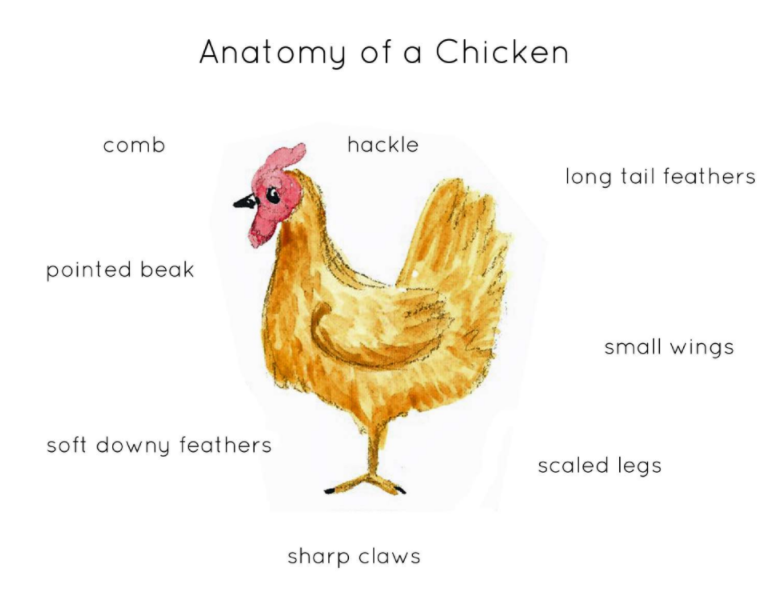
Anatomy of a Bald Eagle

Anatomy of a Bald Eagle
Science, Life Sciences, Animals, Grade 3, 4, 5, Parts of and Anatomy of, Worksheets & Printables

Anatomy of a Bald Eagle hand-illustrated watercolor flashcards . To create a tactile finished item, I highly recommend printing onto high-quality paper. I like to use watercolor paper as this also allows the children to add their own paintings to the pages they create and means that every piece looks and feels like an original painting.
Author Fiddleticks Education

Tags Eagle, Anatomy, Watercolor, Animals, Bald Eagle Anatomy Diagram, Bald Eagles Anatomy

Anatomy of a Caribou

Anatomy of a Caribou
Science, Life Sciences, Animals, Grade 3, 4, 5, Parts of and Anatomy of, Worksheets & Printables

The Anatomy of a Caribou Teaching Resource Our set of expertly hand-illustrated, watercolor flashcards are designed explicitly for Grades 3 to 5 Science educators. Through the fascinating world of Zoology, these detail-oriented tools impeccably depict the intricate anatomy of the captivating caribou species. The cards come as digital downloads in PNG format sized to A4, providing an enriching visual aid during lectures or study sessions. The lush use of colors taps into younger students' visual learning abilities, making each session more engaging with bursts of vibrant colors that bring life to scientific concepts. Dual Functionality and High-quality File Type Crisp visuals: Our high-quality file type ensures that even when printed on regular paper, the diagrams retain their clarity. Tactile experience: For an interactive experience enhancing artistic skills alongside science instruction, teachers may opt to print on watercolor paper—letting students participate through painting and adding personal touches. Versatile Learning Tool An ideal tool for not only whole-class instruction but also effective supplementary material during small group discussions or independent study sequences. This gives students time and freedom for self-paced analysis without overwhelming them with too much information simultaneously. Simple instructions in each card's design layout enrich it with educational content—becoming a surefire hit in classrooms! Additionally offering maximum flexibility during utilization makes it perfect not only within traditional classroom settings but also beneficial homeschool environments catering elementary-level learners interested in exploring science topics intensely. In Conclusion, >/p Foster appreciation for art and nature's beauty by utilizing our Anatomy of a Caribou pack. It's a wonderful way to seamlessly infuse student enthusiasm for learning core sciences and creative skill-building to achieve excellent academic performance as well as immerse students in the wonders of nature.

Author Fiddleticks Education

Tags Caribou Anatomy, Zoology, Flashcards, Watercolor Illustrations, Science Education

Daffodils Kindergarten Science Projects + Lesson Outline

Daffodils Kindergarten Science Projects + Lesson Outline
Science, Life Sciences, Nature & Plants, Writing, ELA, Creative Writing, Kindergarten, Grade 1, Teacher Tools, Outlines, Parts of and Anatomy of, Worksheets & Printables

Take the humble Daffodil and transform it into an engaging Kindergarten Science Project that your pupils will love this spring. You will be able to cover much of the Curriculum for Science (Plants) without your pupils knowing they are learning. Suggestions are made and resources are provided to enable you to integrate your science work with language (poetry) and creativity. Who is it for? This Daffodils Science project is intended to be used with Kindergarten and Grade 1 children. Home educators can also use it in the course of nature study/Science learning. What does it contain? · PowerPoint The pack comes with an 18-slide PowerPoint, which can be used to either start your lesson or as a recap at the end. The PowerPoint begins with the bulb under the ground waiting for spring, and then shows how the Daffodil grows. It teaches about the parts of a Daffodil: the bulb, stem, leaves, buds, calyx (the papery covering protecting the buds), petals, trumpet and pollen. The PowerPoint is a taught lesson and comes with sound. · Lesson outlines Two lesson outlines are provided, one for ages 5-6 and another for ages 6-7, though other ages might also benefit. It can be used successfully with mixed age-range classes. Notes as to how to dissect a Daffodil. · Worksheets/Activities · Label the parts of a Daffodil. · 5 pages to make a Daffodil diary: choice of coloured or black/white front cover. Let the children make observations of a Daffodil growing near them that can be observed easily. · Poetry work – read the poem ‘Daffodils’ by William Wordsworth (provided) and use our suggestions to think about the poem. · Acrostic worksheets for pupils to write their own Daffodils acrostic poem. · Daffodil writing paper For display: Beautiful original photos · A5 photos of parts of a Daffodil · A4 pictures and vocabulary cards for Daffodil Life Cycle: use for Science work, language or display, word walls, etc… · Display headers What is included? 1 18-slide PowerPoint 1 PDF file with 47 pages

Author Lilibette's Resources

Rating

Tags Daffodils, Daffodils Life Cycle, Daffodils Science, Daffodils Plants Lesson, Daffodil Life Cycle, Kindergarten Science Projects, Nature, Plants, Parts Of A Flower

Anatomy of a Wood Duck

Anatomy of a Wood Duck
Science, Life Sciences, Animals, Grade 3, 4, 5, Parts of and Anatomy of, Worksheets & Printables

Anatomy of a Wood Duck features hand-painted watercolor illustrations lovingly. This makes a stunning addition to nature tables or classrooms, providing a wealth of learning opportunities. To create a tactile finished item, I highly recommend printing onto high-quality paper. I like to use watercolor paper as the texture is beautiful to handle.

Author Fiddleticks Education

Tags Duck, Animals, Posters, Anatomy, Watercolour, Ducks Anatomy

Anatomy of a White Tailed Deer

Anatomy of a White Tailed Deer
Science, Life Sciences, Animals, Grade 1, 2, 3, 4, 5, Parts of and Anatomy of, Worksheets & Printables

This fantastic hand-painted watercolor illustration is perfect for teaching students about the white-tailed deer is the smallest among the deer family found in North, Central, and South America. They have a white tail when displayed vertically. To create a tactile finished item, I highly recommend printing onto high-quality paper. I like to use watercolor paper, which means that every piece looks and feels like an original painting.

Author Fiddleticks Education

Tags Anatomy , White Tailed Deer , Printable , Deer, Whitetail Deer Organ Diagram, Deer Anatomy, Anatomy Of A Deer, Anatomy Of A Whitetail, Anatomy Of Deer, Anatomy Of Whitetail Deer, Deer Anotomy, Deers Anatomy, Deer Organs Diagram, Dear Anatomy, Whitetail Deer Anatomy Diagrams

Anatomy of Black Garden Ant

Anatomy of Black Garden Ant
Science, Life Sciences, Animals, Grade 1, 2, 3, Parts of and Anatomy of, Worksheets & Printables

A beautiful hand-illustrated watercolor print is featuring the different life stages of the Black Garden ant complete with labels . Great for learning more about these fascinating creatures, using in nature study, or just as a display print. To create a lasting and tactile item, I highly recommend printing the file onto watercolor paper. It creates a beautiful finish and looks like you are handling original paintings.

Author Fiddleticks Education

Tags Ant, Watercolor, Animals, Anatomy

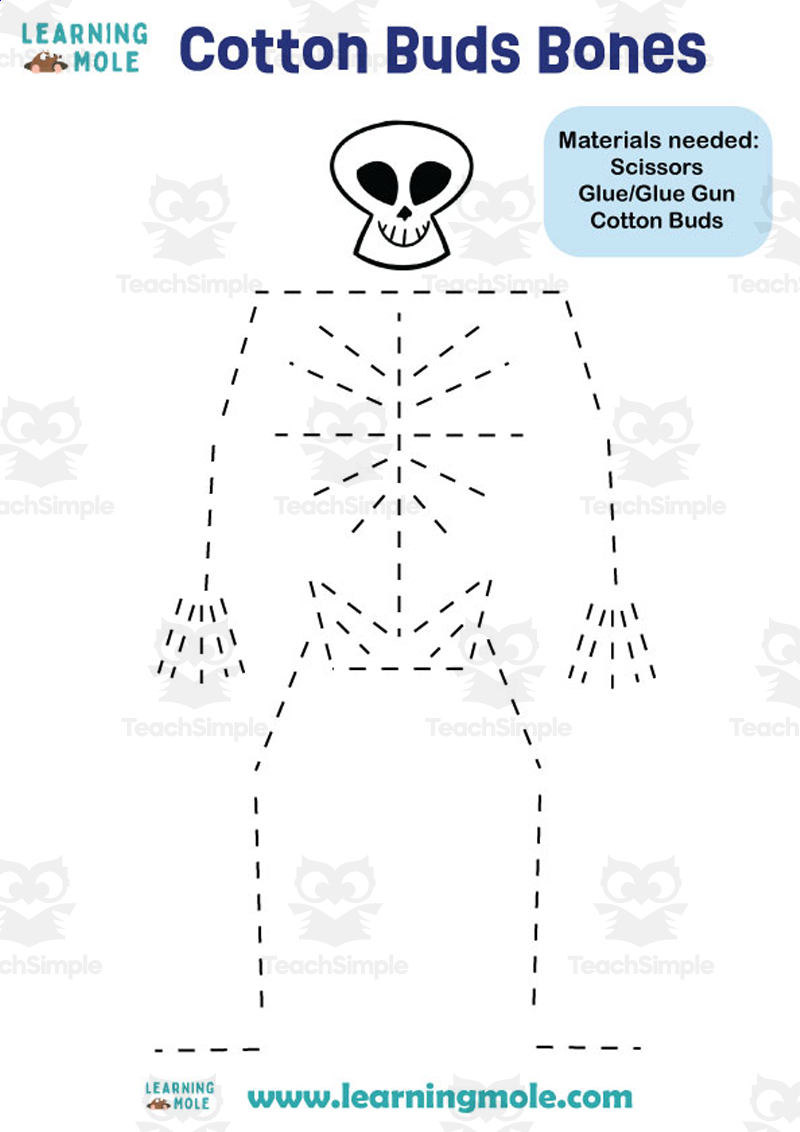
Anatomy of a Brown Bear

Anatomy of a Brown Bear
Science, Life Sciences, Animals, Grade 3, 4, 5, Parts of and Anatomy of, Worksheets & Printables

Anatomy of a Brown Bear hand-illustrated watercolor flashcards . To create a tactile finished item, I highly recommend printing onto high-quality paper. I like to use watercolor paper as this also allows the children to add their own paintings to the pages they create and means that every piece looks and feels like an original painting.
Author Fiddleticks Education

Tags Anatomy, Bear, Animals, Poster, Watercolor, Bear Anatomy, Anatomy Of Bear, Bear Anatomy Drawing, Brown Bear Teacher, Bear Anatomy Diagram, Anatomy Of A Bear, Bear Organs

Powered Neuro-Inclusive Micro-Learning Strategy Cards for Diverse

Powered Neuro-Inclusive Micro-Learning Strategy Cards for Diverse
Science, Technology, Computer Science, Engineering, Special Resources, Social Emotional Learning (SEL), Special Education Needs (SEN), STEM, Life Skills, ELA, Grade 2, 3, 4, 5, 9, 10, 11, 12, Worksheets & Printables, Flashcards, Parts of and Anatomy of, Word Problems, Workbooks, Worksheets, Writing Prompts, Teacher Tools, Assessments, Lesson Plans

Unlocks the future of inclusive education with this 49-page ultimate resource: "AI-Powered Neuro-Inclusive Micro-Learning Strategy Cards for Diverse Classrooms (Ready!)" – an innovative and educator-recommended resource that disrupts and transforms K-12 educational strategies for the better. This downloadable pdf resource pushes the boundaries of neuro-inclusive education practices, micro-learning best practices, and responsible AI applications, covering all theoretical aspects of neuro-inclusive educational practices, micro-learning best practices, AI applications, and a lot more with its profound evidence-based resources on UDL, Cognitive Load Factors, and Constructivist concepts, with actual demonstration cases from elementary and high school levels, strategy card templates for creative development on worksheets and ethics of AI applications for educational environments, all crafted together for optimal cognitive engagement and minimizing educational barriers for effective personalized cognitive educational development. Perfect for special education resources, differentiated resources for personalized educational practices, and educational management tools, this SEO-optimized resource for educators helps and enables all educators for preparation of balanced cognitive educational morsels for enhanced cognitive engagements, motivation, and academic achievement for students across diverse K-12 educational environments. Keywords: Neuro-inclusive educational practices for classrooms, AI-based educational resources for classrooms, Micro-learning for neuro-diverse students, K-12 Neuro-inclusive educational practices, UDL resources for classrooms. Why Parents/Schools Love It: Personalized and Inclusive Strategy: Enables teachers to provide personalized education support for neurodiverse students, making them less frustrated and more confident using bite-sized and adjustable strategies such as tools for students with ADHD or autistic students. Time-Saving AI Integration: “Ethical AI capabilities offer real-time analytics, personalized content, and feedback loops that ease the instructor’s workload and help enhance outcomes in a K-12 classroom.” Results That Speak for Themselves: Proven on the evidence-based frameworks of UDL and Cognitive Load Theory, as well as illustrated cases of 20% or greater retention and engagement rates, there is no doubt that it helps students significantly. Versatile & Ready to Use: Comes with strategy cards, worksheets, & writing prompts that teachers can print out for instant use in their classrooms, thus being very useful in encouraging motivation, managing cognitive overload, & ensuring equitable education. Future-Proof Designs: equipped with ethical AI tools and frameworks that protect consumer and individual rights to privacy and mitigate biases, to ready and prepare learners for a technology-driven and worldwide environment while focusing on teaching and learning. Targeted Classes/Students : After thoroughly evaluating the entire 49-page PDF file, which contains information on foundational theory (Chapters 1-3), the design and execution of strategy cards (Chapter 4), worksheets for practice, ethical issues, case studies, and advanced topics, it is clear that the guide is designed for use in K-12 education environments. It applies to all grade levels, Kindergarten through 12th grade, with a focus on neurodiverse students. Specific suggestions are included for: Elementary School Students (Grades K-5): Underlying concepts may target fractions, reading comprehension, or social-emotional control, with examples such as Northwood Elementary focusing on ADHD, Dyslexia, and Autistic students during grades 3-5. Designed specifically for students who profit from visual supports and time-dosing assistance with their learning and attention. Middle School Students (6-8): Focuses on executive functioning assistance, multi-step task planning (ecosystems lesson for instance), AI-powered modifications for ESL, anxious, gifted students. Case examples, like Summit Ridge Middle School, discuss differentiating for students with learning disabilities. High School Students(9-12): Focuses on difficult topics in geometry proofs, formulas for volume, and abstract ideas, using micro-learning for dyscalculia, slow processing, and high-functioning autism. Examples include Emerald High School’s geometry in the 9th grade, which emphasize challenging concepts. Copyright/Terms of Use : This Book was copyrighted by Syed Hammad Rizvi. This document or textbook is exclusively for non-commercial personal and classroom use only. You are not allowed to copy, distribute, or sell any portion of this document or textbook through the Internet for public download. If you would like to share this resource with others in your workplace, please purchase additional licenses from Teachsimple. We appreciate your respect for these guidelines for use. This product is proudly brought to you by Syed Hammad Rizvi

Author Creative Book Store

Rating

Tags NeuroInclusiveEducation, AIPoweredLearning, MicroLearningStrategies, K12InclusivePedagogy, NeurodiversityInClassrooms, UDLPrinciples, CognitiveLoadTheory, EthicalAIInEducation, ADHDTeachingTools, DyslexiaSupportResources

Life Cycle of a Pea Plant Worksheet - Plant Science Unit Study Pack

Life Cycle of a Pea Plant Worksheet - Plant Science Unit Study Pack
Montessori, Nature & Plants, Life Sciences, Science, Biology, STEM, Kindergarten, Preschool, Grade 1, 2, 3, Projects, Activities, Posters, Classroom Decor, Flashcards, Worksheets & Printables, Parts of and Anatomy of

Let’s learn more about amazing life of a pea plant with our worksheet! This fun and easy-to-use worksheet pack is perfect for introducing students to the stages of a plant’s growth. From tiny seed to blooming plant, kids will explore how pea plants grow, develop, and produce food. What’s You Will Get with This Study Pack? Plant Overview: A short and clear introduction to pea plants, including where they grow and why they’re important. Life Cycle Diagram: A colorful and labeled chart that shows the full journey—from seed, sprout, and seedling to mature plant. Cut-and-Paste Activity: An interactive way for students to practice sequencing the life stages. Flashcards: Helpful visual aids for remembering each part of the plant life cycle. Bonus Coloring Page: A relaxing, creative activity to reinforce learning. This Worksheet Is Ideal For: Plant science and biology units Spring-themed classroom lessons Homeschool gardening studies Hands-on centers and quiet learning activities Your Learning Goals: Identify each stage of the pea plant’s life cycle Understand how seeds grow into food-producing plants Build sequencing and observation skills through fun and interactive tasks This resource brings plant science to life and helps kids see how amazing and important plants really are!

Author Perfect_Printables

Rating

Tags Pea Plant , Life Cycle, Plant Science Unit, Life Cycle Printables, Nature Study For Kids, Botany Unit, Legume Plant Growth, Seed To Plant Stages, Science Printables, Classroom Plant Unit

The Quantum Leap:Unlocking the Mysteries of Quantum Computing for Teen

The Quantum Leap:Unlocking the Mysteries of Quantum Computing for Teen
Career, Life Studies, Research, Technology, Science, Computer Science, Life Skills, Special Resources, Social Skills, Special Education Needs (SEN), Grade 6, 7, 8, 9, 10, 11, 12, Lesson Plans, Teacher Tools, Worksheets & Printables, Workbooks, Parts of and Anatomy of, Presentations, Outlines, Centers, Activities

Explore the quantum revolution with The Quantum Leap: Unlocking the Mysteries of Quantum Computing for Teens, written by Syed Hammad Rizvi – a comprehensive resource for upfront and center students interested in innovative and advanced applications in computer science and related physics and technological domains. A thorough and correct resource on understanding complex ideas such as a bit compared to a qubit, quantum superpositions and entanglements, quantum gate and quantum circuit designs, Shor's algorithm and Grover's algorithm, and further applications in drug development simulation, economic modeling simulation, climate simulation modeling, and quantum cryptography beyond post-quantum cryptography. This 351-page book serves a thorough introduction to computer and physics students who are interested in understanding advanced computer applications and related physics. The Quantum Leap serves a detailed platform for students to learn about quantum paralleling, quantum correction, and quantum internet connectivity. Perfectly effective and aptly SEO-ed for educators on quantum mechanics resources and applications. A necessary read for students and professionals interested in quantum physics and computer applications. Why Parents/Schools Love It: Sparks STEM Passion: Makes the concept of quantum computing easy to understand for teens by comparing it to things they know and love, sparking their interest in the technological applications of the future such as artificial intelligence and cryptography. Teaches Future-Proof Skills: The course deals with applications, ethics, and future career options, providing students with knowledge required for in-demand jobs in quantum technology. Accessible and Engaging: Step-by-step analyses and context knowledge provided help make difficult subjects more accessible, overcoming intimidation factors and encouraging critical thinking. Comprehensive Curriculum Fit: It is compatible with the computer science and physics curriculum of high schools and is very suitable for being incorporated in the classroom or homeschooling settings. Encourages Ethical Awareness: It deals with the effects, limitations, and initiatives taken around the world, thus instilling ethical innovation in the minds. Target Student Classes: Having considered the entire contents and structure of this book and its intended audience from various perspectives such as its front cover and introduction chapters, it is intended for high school students from Grades 10 to 12 and aged 15 to 18 years. It commences from a level of basic discussion on classical and quantum fundamentals such as superpositions and entanglement concepts and then proceeds to more complex aspects of quantum studies such as algorithms and error correction strategies based on assumed foundational knowledge and interests but without rigorous prerequisite knowledge. Hence it is intended for high school seniors enrolled in introductory computer science studies at college or more in-depth math and physics studies at school levels above Grades 9; it may also serve Grade 9 students who take more challenging subjects at school and college-level new students at introductory stages as add-on reading contents, while its mainstream audience would be Grades 10 to 12 students in line with its teen-level comparison aids and refraining from more mature themes of mathematics chapters. Copyright/Terms of Use : This Book was copyrighted by Syed Hammad Rizvi. You may use this resource for personal and single class use. You are not authorized to modify, redistribute, and sell this resource or its part. That means you are not authorized to upload this resource to the Internet so people can freely access and download it. If you wish to share these resources with others in your workplace or with classmates at school, then go ahead and buy additional licenses from Teachsimple. "This product is happily brought to you by Syed Hammad Rizvi"

Author Creative Book Store

Rating

Tags QuantumComputingForTeens, QuantumLeapBook, UnlockQuantumMysteries, QubitsForBeginners, SuperpositionExplained, EntanglementForKids, QuantumAlgorithmsTeens, ShorsAlgorithmGuide, GroversSearchTeen, QuantumComputing2026

Life Cycle of a Peach Tree Worksheet | Plants, Botany Unit Study

Life Cycle of a Peach Tree Worksheet | Plants, Botany Unit Study
Biology, Life Sciences, Science, Nature & Plants, STEM, Kindergarten, Preschool, Grade 1, 2, 3, Parts of and Anatomy of, Worksheets & Printables, Flashcards, Coloring Pages, Worksheets

Help your students explore the amazing journey of a peach tree with this fun and easy-to-follow worksheet! This Life Cycle of a Peach Tree activity is perfect for young learners who are just beginning to understand how plants grow and change over time. From a tiny seed to a tree full of juicy peaches, this resource walks kids through each stage of the peach tree life cycle in a way that’s simple, visual, and engaging. Designed with hands-on learning in mind, this worksheet encourages curiosity, critical thinking, and a love for nature and science. What’s Included In this worksheet? A clear and labeled life cycle chart of a peach tree Cut-and-paste sequencing activity for interactive learning Fun peach tree facts to build background knowledge Bonus coloring page for a creative extension This life cycle worksheet is Perfect For: Botany or plant science units Spring and seasonal science themes Gardening studies or farm-themed lessons Homeschool or classroom science centers This peach tree life cycle worksheet is a great way to mix science and fun—while helping kids build a strong understanding of plant growth and nature’s patterns!

Author Perfect_Printables

Rating

Tags Peach Tree Life Cycle, Peach Tree Worksheet, Plant Science Unit, Botany For Kids, Life Cycle Printables, Peach Tree Activities, STEM Plant Study, Nature Study Worksheets, Preschool Plant Science, Montessori Plant Unit

Scorpion Life Cycle Worksheet | Animals Unit Study With Fun Facts!

Scorpion Life Cycle Worksheet | Animals Unit Study With Fun Facts!
Animals, Life Sciences, Science, Biology, Kindergarten, Preschool, Grade 1, 2, 3, Parts of and Anatomy of, Worksheets & Printables, Flashcards, Diagrams, Teacher Tools, Lesson Plans

Bring the fascinating world of scorpions into your classroom with this engaging Scorpion Life Cycle Worksheet . Designed for young learners, this resource introduces students to the unique stages of a scorpion’s life while encouraging curiosity about desert animals and their adaptations. This worksheet set is perfect for your animal science unit study , combining visual learning, hands-on activities, and fun facts to make lessons memorable. Students can explore the scorpion’s life cycle through diagrams, a cut-and-paste sequencing activity, matching tasks, and a coloring page to spark creativity. What’s Included In this scorpion life cycle pack? Scorpion short decsription Life Cycle Diagram Cut-and-Paste Life Cycle Sequencing Activity Matching Activity Flashcards for review Fun Facts About Scorpions Coloring Page Why Teachers Love It: No prep – just print and use Engages students with visuals and interactive activities Builds science vocabulary and sequencing skills Great for life cycle units, desert animal studies, or independent science centers Great For: Science lessons on animals and habitats Small group or independent work Early finishers and homework activities Homeschool unit studies With this Scorpion Life Cycle resource , your students will have fun exploring one of nature’s most unique creatures while strengthening their science skills!

Author Perfect_Printables

Rating

Tags Scorpion Life Cycle Worksheet, Life Cycle Of A Scorpion, Scorpion, Insect And Arachnid Life Cycle, Animal Science Worksheet, Scorpion Facts, Life Cycle Printables For Classroom, Arachnid Unit Study, Desert Animals Worksheet, Animal Life Cycle Activities

Life Cycle of a Cheetah Worksheet- Animal Science Unit Study

Life Cycle of a Cheetah Worksheet- Animal Science Unit Study
Montessori, Animals, Life Sciences, Science, Biology, STEM, Kindergarten, Preschool, Grade 1, 2, 3, Posters, Classroom Decor, Flashcards, Worksheets & Printables, Parts of and Anatomy of

Let you kids learn about the biggest wild cat with our " Life Cycle of a Cheetah Worksheet ! This engaging and kid-friendly science resource is designed to help students explore how cheetahs grow, change, and survive in the wild. With fun facts and interactive activities, learners will discover the unique life stages of the fastest land animal on Earth! What’s Included In this file? Cheetah Overview: A short and exciting introduction to cheetahs, where they live, what they eat, and what makes them special. Life Cycle Diagram: A clear, easy-to-follow chart showing each stage of a cheetah’s life—from cub to adult. Cut-and-Paste Activity: A hands-on activity that lets students cut out and sequence the stages of the cheetah’s life. Flashcards: Visual cards to help reinforce science vocabulary and life cycle steps. Bonus Coloring Page: A fun and relaxing way to review with a cheetah-themed coloring activity. This Worksheet is perfect for Animal science and wild animal units African wildlife studies Classroom centers or homeschool lessons Students who love big cats and nature What you will learn from this worksheet? Understand the stages in a cheetah’s life cycle Learn how cheetahs grow and survive in their environment Build sequencing and critical thinking skills through interactive tasks This worksheet pack is a great mix of science, fun, and creativity—perfect for helping kids connect with the wild world of cheetahs!

Author Perfect_Printables

Rating

Tags Cheetah Life Cycle, Cheetah Worksheet, Animal Science Unit, Homeschool Science, Biology For Kids, Cheetah Activities, Nature Study For Kids, Montessori Wildlife Unit, Savanna Animals, Cheetah Growth Stages

Life Cycle of a Fern Worksheet - Plant Science Unit Study

Life Cycle of a Fern Worksheet - Plant Science Unit Study
Montessori, Life Sciences, Science, Biology, Nature & Plants, STEM, Kindergarten, Preschool, Grade 1, 2, 3, Classroom Decor, Bulletin Boards, Posters, Flashcards, Worksheets & Printables, Parts of and Anatomy of, Coloring Pages, Worksheets

Have you ever noticed ferns growing in shady forests or gardens? Unlike most plants, ferns don’t grow from seeds! In this exciting science unit, we will explore the unique life cycle of a fern and learn fun facts about these ancient plants. Get ready to discover, cut, paste, and color! What’s Inside Your Fern Life Cycle Worksheet? Fern Fun Facts – Learn where ferns grow, how they reproduce, and why they have been around for millions of years! Life Cycle Diagram – A simple and clear chart showing each stage of a fern’s life, from spore to full-grown plant. Cut-and-Paste Activity – Arrange the life cycle in the correct order by cutting and pasting the stages. Flashcards – Use these picture cards to help remember each step in a fern’s growth. Bonus Coloring Page – Get creative and color a beautiful fern! Why This Worksheet is Perfect for You! Makes learning about plants fun and interactive. Helps develop sequencing and problem-solving skills. Teaches the importance of ferns in nature and their role in ecosystems. Includes hands-on activities to reinforce learning. What Will You Learn? The unique life cycle of a fern, including spores, gametophytes, and adult ferns. How ferns reproduce without flowers or seeds. Why ferns are important for the environment. How to use sequencing and observation skills in a fun way! Let’s grow our knowledge and explore the fascinating life cycle of a fern together!

Author Perfect_Printables

Tags Fern Life Cycle, Plant Science Worksheet, Botany Activities For Kids, Life Cycle Printables, Biology For Kids, STEM Plant Study, Educational Worksheets, Kindergarten Learning, Montessori Botany, Plant Reproduction

Future-Ready Navigator: Guided Career & Skill Pathway Planner

Future-Ready Navigator: Guided Career & Skill Pathway Planner
Special Resources, Life Skills, Social Emotional Learning (SEL), Social Skills, Special Education Needs (SEN), Speech Therapy, STEM, Life Studies, Career, Coaching, Homeschool Curriculum, Grade 5, 9, 10, 11, 12, Projects, Activities, Teacher Tools, Assessments, Lesson Plans, Presentations, Outlines, Worksheets & Printables, Parts of and Anatomy of, Workbooks

The Future Ready Navigator has been designed to develop the careers of High School Students (Grades 9-12) as they transition into the workplace. This comprehensive GIANAWORK workbook includes a combination of both theoretical concepts of career guidance as well as interactive worksheets that help with the development of an individualized, resilient career path, through research that incorporates both technological and job market trends. Together, these pieces of information will help ensure that high school students and all lifelong learners have access to career planning tools to build a strong foundation for a successful transition into the ever-changing job market. The workbook consists of 27 pages containing various types of content, such as the Adaptive Trajectory Framework (ATF), which provides information on how to identify your true abilities, assess your current skill set, and develop a dynamic plan to achieve your goals. It will also teach you how to create effective AI prompts that can be used for identifying trends and researching jobs and developing future skills. The workbook includes several real-world case studies, guidelines around the ethical use of AI, and a number of educator resources, such as SVG diagrams (flowcharts, mind maps, Venn diagrams) to use as reference tools. This printable career planning workbook will also prepare users for jobs that will be created as a result of the technological disruption reforming our world, for those looking to move to the gig economy, to develop premium future skills, such as critical thinking, emotional intelligence, and digital literacy. There are many uses for this career planning workbook, including use by students taking classes, and as a resource for teachers providing career development coaching to their students. It can also be used as another way for people who want to develop professionally to use this career development workbook to develop the skills needed for the job market. Download now to create engaging, relevant education-ready for counselors, parents, or any educators looking for high school career counseling resources, or workers developing skill sets with integration of the AI process, or resources/strategies that encourage lifelong learning. Keywords: AI-based career planning tools, High School Career Counseling, Future Skills Workbook, Career Development for Teens, Educational PDF Printable, & Student Self Assessment Worksheets. Parents and schools appreciate it for a variety of reasons: It Prepares Students for Real-World Success: It incorporates both self-discovery activities and AI-based insights to help teenagers identify new career opportunities and align them with their own values and strengths as well as the demands of the market (e.g., Precision Agriculture Technician, AI Ethics Advisor), which is especially important in an economy disrupted by technology. Interactive and Engaging Tools: Printable worksheets that guide students through prompt engineering, skill-gap analyses, and career exploration are not only engaging and educational, but there are also high-quality SVG graphics (flowcharts, mind maps, Venn diagrams) to help students understand complex concepts easily and enjoyably in both traditional classroom and home school environments. Responsible Use of AI with Practical Tips: Helps students learn how to use AI responsibly and how to address issues related to bias, data privacy, and the interaction between people and AIs, and provides specific ways for students to upskill through certification programs, internship opportunities, and side projects, allowing them to take the initiative to continue learning throughout their lives. Versatility for Various Learners: Available for students in grades 9-12+ and includes case studies of real-life transitions (e.g., from Clinical Research to Bioethics), making it great for individualized educational plans, group settings, or for parents who want to do educational activities with their children, complete with teacher answer keys for each unit. Fostering Future Skills: By focusing on "future skills," such as critical thinking, adaptability, and digital fluency, and using data from reputable sources (e.g., World Economic Forum) to assist parents and schools in preparing their students to thrive in a gig-work world and during periods of rapid technological advancement. Student/Target Class: The target audience of this 27-page PDF analysis is specified as grades 9-12+. This content consists of theoretical content of AI-enhanced career planning, student worksheets for self-reflection and prompt creation, real-life examples of how high school-aged learners and adult learners are changing careers through AI as well as resources for teachers (with images) about these items. It was determined that the primary target audience for the content and example case studies of students and adults was high school students ages 14-18 in grades 9-12. Case studies utilized for reference were from students in their 10th and 11th grade year, included high school scenarios such as expected academic performance (i.e., transcripts) to identify which extra curricular activities students would participate in, such as: extracurricular activities (e.g., debate club, robotics); and student worksheets will have students reflect on their interests (e.g., interest in space exploration or environmental projects) and what path they would pursue through a community college or university. This resource is perfect for career education classes, guidance counseling sessions, or homeschooling activities related to getting ready for the job market after high school and the impact on their jobs in an unstable economy. The secondary audience of the content and the example case studies was all post-high school students ages 12+ including: young adults transitioning to a 4-year college, first-year college freshmen, and working adults looking to upskill/re-skill. Additionally; case studies of older adults (past PhD graduates and adults in their late 20s seeking to transition from administrative positions to logistics in the bio-tech industry) demonstrate that the resource promotes lifelong learning, investigation, and adapting to shifting technologies (e.g., AI and quantum computing).Some target classes could be the introductory college career development course; vocational training program; and adult learning/education workshops about Artificial Intelligence Ethics and skill bridging. With an emphasis on marketing to high school career preparation classes, but also demonstrate the versatility of the program to appeal to transitional learners in larger markets. Copyright / Terms of Use : Copyrighted by Syed Hammad Rizvi This resource is intended for your own personal use and/or one classroom use only. You are not permitted to modify, redistribute or sell any part of this resource, nor may you place this resource on the internet publicly for download. (In other words, you may not post this resource publicly on the internet where it may be available to download). If you are interested in sharing this resource with your colleagues, please purchase an additional license for each colleague on Teachsimple. Thank you for following our terms of use! This product is provided courtesy of Syed Hammad Rizvi

Author Creative Book Store

Rating

Tags AICareerPlanner, FutureReadyNavigator, AIGuidedCareer, SkillPathwayPlanner, HighSchoolCareerGuidance, TeenCareerDevelopment, FutureSkillsWorkbook, CareerPlanningPDF, AIinEducation, StudentSelfAssessment

Anatomy of an Ant Colony Poster

Anatomy of an Ant Colony Poster
Science, Life Sciences, Animals, Not Grade Specific, Parts of and Anatomy of, Worksheets & Printables

Anatomy of an Ant Colony Poster Discover the intricacies of the insect world with our hand-illustrated, educational resource: Anatomy of an Ant Colony Poster. It presents a unique view into a bustling ant colony through the depiction of a detailed cross-section both above and below ground. A meticulously designed visual feast, this poster offers students an innovative path to immerse themselves in zoological studies. It embodies artistry as well as academic insight, featuring comprehensive labels throughout to inspire easy learning about these fascinating insects and their social structure. Flexibility across multiple age groups and academic levels The Anatomy of an Ant Colony Poster is not grade-specific, ensuring its flexibility across multiple age groups and academic levels—making it equally suited for public school settings or independent homeschooling environments. This enchanting tool can serve as fuel for science lessons, enhancing engagement during group discussions or individual assignments. Teachers can also utilize it as part of homework assignments for independent study or nature-study projects. Real-life habitats: This resource provides a great starting point to introduce basic zoology concepts while sparking curiosity about nature's design principles. Detailed life- cycle : From work structures to feeding habits—even explaining how ants build their intricate colonies –the details addressed within the poster encourage students' observational skills and their understanding about animal kingdoms. Educators freedom with printing preferences This teaching aid unfolds in a PDF format that allows educators freedom with printing preferences based on their teaching needs and student accessibility. A standout recommendation is printing onto watercolor paper which enhances the artistic features and lifelike accuracy while adding relevance and depth to student interaction with this lively material. Drawing upon art's innate allure to engage young minds more effectively into complex life sciences topics like Zoology—the Anatomy of an Ant Colony Poster encompasses much more than purely instruction; it transforms facts into tangible knowledge that stimulates further exploration towards our natural world's wonders.

Author Fiddleticks Education

Tags Ant Colonies, Insect Anatomy, Educational Poster, Zoology, Nature Study, Anatomy Of An Ant

Life Cycle of Arctic Fox Worksheet- Winter Animal Science Unit Study

Life Cycle of Arctic Fox Worksheet- Winter Animal Science Unit Study
Animals, Life Sciences, Science, Biology, Kindergarten, Preschool, Grade 1, 2, 3, 4, Coloring Pages, Worksheets, Worksheets & Printables, Workbooks, Parts of and Anatomy of

Bring science to life with this Life Cycle of the Arctic Fox Worksheet – Winter Animal Science Unit Study . This no-prep activity is a perfect addition to your seasonal science lessons, helping students explore the fascinating life cycle of the Arctic fox in a fun and engaging way. What’s Included In this Arctic Fox Unit Study? Life Cycle of the Arctic Fox diagram worksheet Cut-and-paste activity for sequencing the life cycle Arctic Fox in a Nutshell Coloring page Life cycle flashcards Fun facts Why Teachers Love It: • Supports life science, animal studies, and seasonal themes • Builds vocabulary and sequencing skills • Easy to differentiate for a variety of grade levels • No prep required – just print and go Perfect For: • Winter animal unit studies • Arctic and tundra ecosystems lessons • Science centers or interactive notebooks • Homeschool, small groups, or whole-class activities Give your students a deeper understanding of Arctic animals with this hands-on life cycle worksheet —a fun blend of science and creativity for your winter classroom!

Author Perfect_Printables

Rating

Tags Arctic Fox Life Cycle Worksheet, Winter Animal Science Unit Printable, Arctic Animals Life Cycle, Wildlife Science Worksheet, Arctic Animal Study, Life Cycle Cut And Paste, Winter Animal Classroom Worksheets, Life Cycle Science Unit, Arctic Animal

Yellow Jacket Wasp Life Cycle Worksheet- Insect Science Unit Study

Yellow Jacket Wasp Life Cycle Worksheet- Insect Science Unit Study
Montessori, Life Sciences, Science, Insects, Biology, STEM, Kindergarten, Preschool, Grade 1, 2, 3, Posters, Classroom Decor, Parts of and Anatomy of, Worksheets & Printables, Flashcards

Let your kids learn about most amazing & buzzing world of yellow jacket wasps with this fun and educational Yellow Jacket Wasp Life Cycle Worksheet ! This insect science unit helps kids understand how these fascinating insects grow and live. With easy-to-follow diagrams, hands-on activities, and interesting facts, students will dive into the life cycle of a wasp from egg to adult. What’s Included In this file? Wasp Overview: A simple introduction to yellow jackets—where they live, how they build their nests, and what makes them unique in the insect world. Life Cycle Diagram: A clear, labeled chart showing the stages of a wasp’s life—egg, larva, pupa, and adult. Cut-and-Paste Activity: A fun way for kids to practice sequencing by cutting and organizing each life stage in order. Flashcards: Handy cards to help reinforce key vocabulary and science concepts. Bonus Coloring Page: A creative coloring sheet that keeps learning light and fun. This worksheet is Perfect For: Insect science units and nature studies Fall and outdoor-themed lessons Classroom centers or homeschool activities Kids interested in bugs and how they live What you will learn from this worksheet? Understand the four main stages in a yellow jacket wasp’s life Learn about their role in nature and how they survive Practice sequencing, observation, and vocabulary skills This worksheet is a great blend of science and fun—perfect for helping kids explore the insect world in a memorable and exciting way!

Author Perfect_Printables

Rating

Tags Yellow Jacket Life Cycle, Wasp Worksheet, Insect Science Unit, Homeschool Science, Biology For Kids, Yellow Jacket Activities, STEM Insect Study, Montessori Insect Unit, Wasp Growth Stages, Social Insects For Kids

Life Cycle of a Dolphin Worksheet | Ocean Mammals Unit Study

Life Cycle of a Dolphin Worksheet | Ocean Mammals Unit Study
Montessori, Animals, Life Sciences, Science, Biology, STEM, Kindergarten, Preschool, Grade 1, 2, 3, Bulletin Boards, Classroom Decor, Posters, Parts of and Anatomy of, Worksheets & Printables, Coloring Pages, Worksheets

Are you ready to dive into the amazing world of dolphins? This Life Cycle of a Dolphin Worksheet is a fun and interactive way to learn about how these intelligent marine mammals grow and live in the ocean. Perfect for science lessons, homeschool studies, or ocean animal units, this worksheet makes learning fun and engaging! What’s Inside in this file Dolphin Overview – Learn what makes dolphins special, where they live, and how they survive in the ocean. Life Cycle Diagram – A clear and labeled chart showing each stage of a dolphin’s life, from calf to adult. Cut-and-Paste Activity – A fun way for kids to organize and sequence the life stages of a dolphin. Flashcards – Visual tools to help students remember the steps of the life cycle. Bonus Coloring Page – A creative activity to color a dolphin while learning! This is perfect for: Helps students understand the life cycle of dolphins in a simple way. Encourages hands-on learning with interactive activities. Great for classroom science lessons, homeschooling, or marine biology units. Supports sequencing, problem-solving, and creative thinking skills. What Will You Learn? The different stages of a dolphin’s life, from baby calf to fully grown adult. How dolphins adapt to their ocean environment and why they are important. Fun facts about dolphins, including how they communicate and take care of their young. Let’s explore the amazing life cycle of dolphins together and make learning about ocean mammals exciting!

Author Perfect_Printables

Tags Dolphin Life Cycle, Dolphin Worksheet, Ocean Mammals Unit, Marine Biology For Kid, Life Cycle Printables, Homeschool Science, Biology For Kids, Dolphin Activities, STEM Marine Study, Sea Animals For Kids