2,787 products added recently
Music Worksheets
Incorporate music worksheets into your curriculum to teach concepts such as notation, rhythm, and instrument recognition. These resources offer activities that support both theoretical understanding and practical skills. Use them to enrich your music classes and inspire creativity in your students.
El carnaval de los animales – Differentiated Leporello (Spanish)
Music, Creative Arts, Grade 1, 2, 3, 4, 5, Crafts, Activities, Projects, Worksheets & Printables, Worksheets
El carnaval de los animales – Differentiated Leporello (Spanish Resource) Language of material: Spanish Grade level: Grades 1–4, inclusive settings Subject areas: Music, literacy, creative arts This Spanish-language resource is based on The Carnival of the Animals by Camille Saint-Saëns. It provides a differentiated printable leporello booklet (accordion-style mini-book) that helps students engage with classical music in a hands-on and meaningful way. The material includes four different formats: A black-and-white version for students to color while listening to the music A version where students cut out image-text strips and paste them in the correct place A cloze version, where students complete missing parts of the text using a word bank All three versions are also provided in color for extra visual support This resource is designed for elementary students and also works well in inclusive or bilingual classrooms . It combines music, reading, and fine motor practice in one engaging activity. No prior knowledge of music theory is required, making it accessible for all learners. Learning goals include: Listening closely to classical music Identifying instruments and matching them with animals Reading and writing in Spanish Improving fine motor coordination (cutting, folding, gluing) Encouraging creativity and structure at the same time Teachers can use this resource after playing the music in class or as part of a cross-curricular unit on animals, instruments, or composers. It can also be used as independent work, pair activity, or for centers. The leporello format offers a creative way to document what students have learned in a personalized way. No preparation is needed. Just print, cut, fold, and use. Idioma del material: Español Nivel educativo: 1.º a 4.º de Primaria, educación inclusiva Áreas temáticas: Música, lectoescritura, artes creativas Este recurso en español está basado en El carnaval de los animales de Camille Saint-Saëns. Ofrece un librito tipo leporello (acordeón) para imprimir, que permite a los alumnos interactuar activamente con la música clásica. El material incluye cuatro versiones: Versión en blanco y negro para colorear mientras se escucha la música Versión con tiras de imagen y texto para recortar y pegar Versión de completar texto con banco de palabras Todas también disponibles en versión a color Objetivos de aprendizaje: Escuchar y comprender música clásica Relacionar instrumentos musicales con animales Leer y escribir en español Desarrollar la motricidad fina Trabajar la creatividad en una estructura clara Ideal tras una actividad auditiva o en proyectos interdisciplinarios. Solo hay que imprimir, recortar y montar. No se requiere preparación adicional. Best Wishes, Doreen Blumhagen - Die Relitante
Author Die Relitante
Rating
Tags Carnival Of The Animals, Composer Study, Camille Saint-Saëns, Elementary Music, Classical Music For Kids, Listening Activity, Music Booklet, Differentiated Learning, Music Worksheets
Carnival of the Animals – Differentiated Leporello
Music, Creative Arts, Grade 1, 2, 3, 4, 5, Crafts, Activities, Projects, Worksheets & Printables, Worksheets
Carnival of the Animals – Differentiated Leporello This teaching material is designed for elementary music classes and focuses on the classical piece Carnival of the Animals by Camille Saint-Saëns. Students explore the music through a creative booklet project. The resource supports listening skills, musical understanding, and knowledge about the composer. It is suitable for students in grades 2 to 5. The main component of this resource is a foldable booklet, called a leporello. It allows students to document their listening experience while interacting with the music. The leporello includes spaces to match animals, name instruments, and complete short texts. The goal is to help students remember key musical movements and understand how music can tell a story. The resource offers four levels of differentiation . Version 1 is fully guided and includes all labels. Version 2 includes cut-and-paste cards for matching. Version 3 is a cloze text version with a word bank. Version 4 has no support and is suitable for students who can write independently. The download includes color and black-and-white versions. Students can color the animals, match instruments, and fold the booklet themselves. A teacher guide is included with step-by-step instructions for preparation, printing, and usage in the classroom. The material can be used in different teaching formats: Whole-class listening sessions Music centers or stations Homework or individual work Substitute teacher plans Interdisciplinary projects (music, art, literacy) Learning goals: Listen to music attentively and describe it Learn the names and sounds of orchestral instruments Recognize the connection between animals and music Know basic facts about Camille Saint-Saëns and his life Express musical impressions through writing and coloring Included in this download: 4 differentiated leporello templates Animal and instrument cards for cut-and-paste activities Cloze text about the composer Color and B/W versions of all pages Teacher instructions for classroom use No additional materials are required , but you will need access to a recording of Carnival of the Animals to use this resource effectively. This activity supports visual, auditory, and kinesthetic learning. It is also suitable for inclusive classrooms, English language learners, and students with different ability levels. Best Wishes, Doreen Blumhagen - Die Relitante
Author Die Relitante
Rating
Tags Carnival Of The Animals, Composer Study, Camille Saint-Saëns, Elementary Music, Classical Music For Kids, Listening Activity, Music Booklet, Differentiated Learning, Music Worksheets
Pianos Reading Comprehension Passage - Cored Ed Encyclopedia
ELA, Language Development, Resources for Teachers, Reading Comprehension, Reading, Pre-Reading, Writing, Strategies, Music, Creative Arts, Grade 2, 3, 4, 5, Worksheets & Printables, Worksheets, Teacher Tools, Centers, Activities, Writing Prompts, Assessments, Tests, Quizzes and Tests, Quizzes
This pianos reading comprehension contains the following: Visualize on the Cover (Teacher Read Aloud Script) Start your lesson by taking a few moments to visualize the topic and share thoughts or feelings about it. Pre-Reading Trivia Students will write down one thing they already know about the subject and then read five more facts and discuss. These facts are fun, and the students will enjoy learning about the subject before reading more. Reading Passage The text is a high-interest reading passage with set paragraphs, roughly three to four paragraphs long. It contains a variety of themes about the topic, anywhere from history to technology. The passage is between 250 and 350 words in length. Mixed Questions The first question page contains four multiple-choice questions, each with a choice of four answers, and three written response questions that require a sentence or two from the student. Vocabulary Questions Practice seven key words from the text in this section across two activities. First section is scrambled words where students will unscramble three words given a clue for each. The second section is a word to meaning matching activity. Creative Writing In this question, the student will be required to write a five to eight sentence paragraph on a question related to the topic. Extension Activities This page is optional for fast finishers or to take home. There are several activities, each one requiring a different skill. Do some, do none, do all, completely optional - but you will feel reassured knowing every possibility is planned for. Includes summary writting question. Answer Key There are answers for the multiple-choice questions, written response questions have sample answers, vocabulary answers and if there is a summary question then a sample summary will be provided as well. FULL CATALOG OF DOWNLOAD LINKS AND ENCYCLOPEDIA INDEX HERE Lesson Snapshot Title: Pianos Genre: Nonfiction (informational text) Subject: Music (Performing Arts) / Reading Informational Text Primary Topic: How the piano was invented and improved Estimated Guided Reading Level (A–Z): S What This Lesson Teaches Best How the piano idea began around 1700 in Florence, Italy , with Bartolomeo Cristofori trying to make music “gentle or bold” depending on touch. How the piano’s key action works: a mechanism sends a leather-covered hammer to strike strings, then pulls back so the string keeps vibrating . How dampers stop strings from ringing—and lifting them lets tones ring longer. How information spread the invention: Scipione Maffei published an article with a diagram , leading builders like Gottfried Silbermann to make pianos based on Cristofori’s design. How the piano grew for bigger spaces: sturdier builds and a wider range from about four octaves to 88 keys , changing where music could be played (homes, schools, apartments, stages). Learning Goals Students will explain why Cristofori began tinkering with a new keyboard instrument around 1700. Students will describe how a key triggers the hammer-and-string action using details from the passage. Students will explain how a player’s touch can make the sound softer or louder according to the text. Students will identify how Maffei helped the piano idea travel and name one builder mentioned who made pianos afterward. Students will describe how the piano’s keyboard range changed over time and state the number of keys many pianos have today. Key Vocabulary From the Text harpsichords — older keyboards that stayed mostly one volume. inventory — a recorded list that showed a piano existed. mechanism — moving parts that make the piano action work. dampers — parts that stop strings from ringing. octaves — groups of notes used to describe keyboard range. Cored Ed Encyclopedia Overview The Cored Ed Encyclopedia is a weekly series of lessons that you can pick up and use right away. These short readings fit into whatever time you have available. Each one includes a warm-up, a reading, and a set of questions, but it’s flexible — you can do just the reading, the full lesson, or skip the writing section if you need to. Each lesson focuses on a single topic so students don’t get lost. The writing is clear but never childish, making it perfect for grades two through five. Topics range from animals and science to history, inventions, and everyday things. No matter the level of the student, everyone should take away at least one new idea or fact from each lesson. The materials are easy to print, easy to explain, and require no setup. They work well for whole-class teaching, partner work, or independent study.
Author Cored Education
Rating
Tags Vocabulary, Spelling, Reading Comprehension, Reading Passages, Reading, Creative Writing, Reading Strategies, Writing Prompts, Music, Pianos
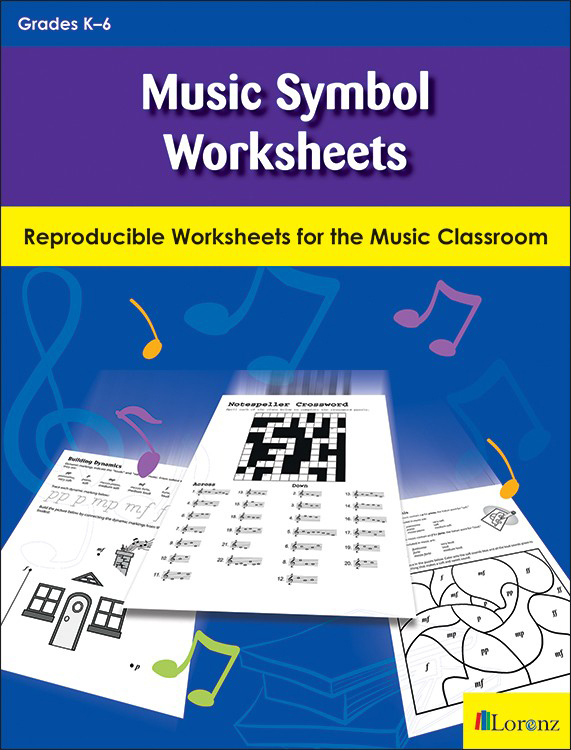
Music Symbol Worksheets: Notes, Dynamics, and More
Creative Arts, Art, Music, Preschool, Grade 1, 2, 3, 4, 5, 6, Worksheets, Worksheets & Printables
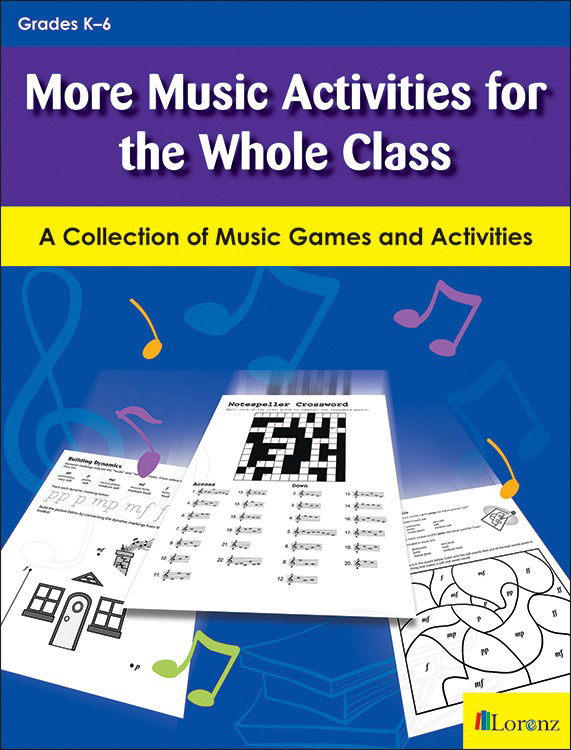
Music Symbol Worksheets: Notes, Dynamics, and More An invaluable resource to seasoned arts educators or instructors without formal music training. This product features a range of reproducible worksheets designed to teach elementary aspects of music theory, such as note recognition, dynamic awareness, knowledge of rests and various other musical symbols. Versatility Tailoretly devised for versatility; these worksheets can function in a range of teaching environments. They are suitable for whole group lessons either introducing new concepts or revising old ones. Their adaptability is also well-suited to small group activities where students can dive into the nitty-gritty details while promoting learning experiences. Cross-Curricular Elements Beyond typical music education, these worksheets include cross-curricular elements too! Teachers from other disciplines can adapt this resource as a tool to solidify their lesson plans . Makes an innovative approach possible for those who may struggle with traditional lessons. The package comes as one PDF file making it easy for repeated printing. Saves time on preparation and fits within ink and paper budgets better! Focused on K-6 grade levels, the Music Symbol Worksheets cater specifically to students' developmental needs throughout these grades boosting their understanding of musical genres along with cognitive abilities like reasoning & problem-solving skills under The Music Subsubject category under Art & Music Subjects. In Conclusion... This rich playbook assists bringing greater appreciation for differences in musicality through engaging explorations leading your students on an educational journey unlocking their understanding about different sounds around them altering how they see the world enjoying amazing beauty found within its harmonies and emotional connections making loving lifelong learners out of them in the field while adding significantly to their comprehensive growth.
Author Classroom Complete Press
Tags PDF, Music Symbols Printable
Research Organizer & Essay Assignment: George Gershwin
Creative Arts, Art, Social Studies, Music, History, History: USA, Grade 8, 9, 10, 11, 12, Activities, Projects, Worksheets & Printables, Worksheets
George Gershwin Biography Research Project The famous American composer George Gershwin left behind a rich musical legacy still beloved today. With this engaging 6-page resource, students will conduct research on Gershwin's influential life and career before crafting an informative essay. The step-by-step materials scaffold the research and writing process for learners. First, a biography worksheet guides information gathering, including quality source citation. Next, an outline organizes facts into essay structure. Finally, the assignment sheet presents essay requirements, writing tips, peer review, and a rubric tied to Common Core standards. Differentiation is built-in since educators can assign this as an entire lesson or use components to supplement instruction. Applicable for grades 8-12, particularly music and social studies classes. This versatile resource develops research abilities and informs students about a key figure in 20th century American music.
Author The Language of Educational Art, LLC
Tags Essay, Rubric, Research, Notetaking, Outlining
Research Organizer & Essay Assignment: Stephen Sondheim
Creative Arts, Art, Social Studies, Music, History, History: USA, Grade 8, 9, 10, 11, 12, Activities, Projects, Worksheets & Printables, Worksheets
Few figures have meant as much to American musical theatre than Stephen Sondheim This resource provides your students with the opportunity to independently learn about and summarize the life of the Broadway legend with this engaging research planner and essay assignment. This carefully scaffolded and easy-to-assign-AND-assess resource has been designed to guide student learning from Stephen Sondheim fact-collection to the careful development of a five-paragraph research essay. Teaching this resource could not be easier! Start by handing out the background research and note-taking worksheet (you could also ONLY hand this out if you want a shorter lesson!). Once students have found their facts and sources, provide them with the essay outline activity, which guides them step-by-step through the requirements of a short research essay. From there, drafting their essay, using the provided peer review checklist, and submitting their final draft will be no problem at all. And then you can assess their work with the provided Common Core rubric! Use this entire resource as a complete research lesson or just part of it as a short research activity or sub plan! This TeachSimple download includes: - A Stephen Sondheim essay writing assignment with directions, requirements, research essay writing tips, a peer review checklist, and Common Core-tied grading rubric - An editable rubric, provided as a link, that lets you make adjustments to the grade values and guidelines. This link is provided as as Google Sheet specifically built for integration into Google Classroom, although you can also modify it for use in other Learning Management Systems (LMSs) - A Stephen Sondheim biography and note-taking worksheet that will guide your students through information gathering. This straightforward two-page handout includes instructions for background research, a fun drawing section, and an area to cite quality sources and organize conducted research - A research essay outlining worksheet, so students build on their Stephen Sondheim notes in a clear and simple manner as they build their work towards a draft and final paper - All 6-pages of this lesson are provided in full-color and B&W versions Although this resource can be fitted for any secondary Language Arts classroom, it has been carefully designed to work best in grades 8 through 11. The included rubric is subtly but specifically tied to Common Core ELA Standards for Language (3) and Writing (2 and 7). This resource is provided as a print-ready, bookmarked, and adjustable PDF file. The rubric is also included as an editable Google Sheet. This resource contains 6 pages and 1 Google Sheet.
Author The Language of Educational Art, LLC
Tags Essay, Rubric, Research, Notetaking, Outlining, Stephen Sondheim
Research Organizer & Essay Assignment: Lin Manuel Miranda
Creative Arts, Art, Social Studies, Music, History, History: USA, Grade 8, 9, 10, 11, 12, Activities, Projects, Worksheets & Printables, Worksheets
If you're students are in love with the music of "Hamilton" or "Moana," give them the opportunity to learn about that music's creator, Lin Manuel Miranda. This resource provides your students with the opportunity to independently learn about and summarize the life of the modern music legend with this engaging research planner and essay assignment. This carefully scaffolded and easy-to-assign-AND-assess resource has been designed to guide student learning from Lin Manuel Miranda fact-collection to the careful development of a five-paragraph research essay. Teaching this resource could not be easier! Start by handing out the background research and note-taking worksheet (you could also ONLY hand this out if you want a shorter lesson!). Once students have found their facts and sources, provide them with the essay outline activity, which guides them step-by-step through the requirements of a short research essay. From there, drafting their essay, using the provided peer review checklist, and submitting their final draft will be no problem at all. And then you can assess their work with the provided Common Core rubric! Use this entire resource as a complete research lesson or just part of it as a short research activity or sub plan! This TeachSimple download includes: - A Lin Manuel Miranda essay writing assignment with directions, requirements, research essay writing tips, a peer review checklist, and Common Core-tied grading rubric - An editable rubric, provided as a link, that lets you make adjustments to the grade values and guidelines. This link is provided as as Google Sheet specifically built for integration into Google Classroom, although you can also modify it for use in other Learning Management Systems (LMSs) - A Lin Manuel Miranda biography and note-taking worksheet that will guide your students through information gathering. This straightforward two-page handout includes instructions for background research, a fun drawing section, and an area to cite quality sources and organize conducted research - A research essay outlining worksheet, so students build on their Lin Manuel Miranda notes in a clear and simple manner as they build their work towards a draft and final paper - All 6-pages of this lesson are provided in full-color and B&W versions Although this resource can be fitted for any secondary Language Arts classroom, it has been carefully designed to work best in grades 8 through 11. The included rubric is subtly but specifically tied to Common Core ELA Standards for Language (3) and Writing (2 and 7). This resource is provided as a print-ready, bookmarked, and adjustable PDF file. The rubric is also included as an editable Google Sheet. This resource contains 6 pages and 1 Google Sheet.
Author The Language of Educational Art, LLC
Tags Essay, Rubric, Research, Notetaking, Outlining
Guitars Reading Comprehension Passage - Cored Ed Encyclopedia
ELA, Language Development, Resources for Teachers, Reading Comprehension, Reading, Pre-Reading, Writing, Music, Creative Arts, Strategies, Grade 2, 3, 4, 5, Worksheets & Printables, Worksheets, Teacher Tools, Centers, Activities, Writing Prompts, Assessments, Tests, Quizzes and Tests, Quizzes
This guitars reading comprehension contains the following: Pre-Reading Trivia Students will write down one thing they already know about the subject and then read five more facts and discuss. These facts are fun, and the students will enjoy learning about the subject before reading more. Reading Passage The text is a high-interest reading passage with set paragraphs, roughly three to four paragraphs long. It contains a variety of themes about the topic, anywhere from history to technology. The passage is between 250 and 350 words in length. Mixed Questions The first question page contains four multiple-choice questions, each with a choice of four answers, and three written response questions that require a sentence or two from the student. Creative Writing In this question, the student will be required to write a five to eight sentence paragraph on a question related to the topic. Extension Activities This page is optional for fast finishers. If there are five to ten minutes left at the end of the lesson, the student can choose one of three activities, each one requiring a different skill. Answer Key There are answers for the multiple-choice questions and three written response questions have sample answers. FULL CATALOG OF DOWNLOAD LINKS AND ENCYCLOPEDIA INDEX HERE Cored Ed Encyclopedia Overview The Cored Ed Encyclopedia is a weekly series of lessons that you can pick up and use right away. These short readings fit into whatever time you have available. Each one includes a warm-up, a reading, and a set of questions, but it’s flexible — you can do just the reading, the full lesson, or skip the writing section if you need to. Each lesson focuses on a single topic so students don’t get lost. The writing is clear but never childish, making it perfect for grades two through five. Topics range from animals and science to history, inventions, and everyday things. No matter the level of the student, everyone should take away at least one new idea or fact from each lesson. The materials are easy to print, easy to explain, and require no setup. They work well for whole-class teaching, partner work, or independent study.
Author Cored Education
Rating
Tags Vocabulary, Spelling, Reading Comprehension, Reading Passages, Reading, Creative Writing, Reading Strategies, Writing Prompts, Guitars, Music
Research Organizer & Essay Assignment: Leonard Bernstein
Creative Arts, Art, Social Studies, Music, History, History: USA, Grade 8, 9, 10, 11, 12, Activities, Projects, Worksheets & Printables, Worksheets
Few figures have meant as much to American musical theatre than Leonard Bernstein. This resource provides your students with the opportunity to independently learn about and summarize the life of the Broadway legend with this engaging research planner and essay assignment. This carefully scaffolded and easy-to-assign-AND-assess resource has been designed to guide student learning from Leonard Bernstein fact-collection to the careful development of a five-paragraph research essay. Teaching this resource could not be easier! Start by handing out the background research and note-taking worksheet (you could also ONLY hand this out if you want a shorter lesson!). Once students have found their facts and sources, provide them with the essay outline activity, which guides them step-by-step through the requirements of a short research essay. From there, drafting their essay, using the provided peer review checklist, and submitting their final draft will be no problem at all. And then you can assess their work with the provided Common Core rubric! Use this entire resource as a complete research lesson or just part of it as a short research activity or sub plan! This TeachSimple download includes: - A Leonard Bernstein essay writing assignment with directions, requirements, research essay writing tips, a peer review checklist, and Common Core-tied grading rubric - An editable rubric, provided as a link, that lets you make adjustments to the grade values and guidelines. This link is provided as as Google Sheet specifically built for integration into Google Classroom, although you can also modify it for use in other Learning Management Systems (LMSs) - A Leonard Bernstein biography and note-taking worksheet that will guide your students through information gathering. This straightforward two-page handout includes instructions for background research, a fun drawing section, and an area to cite quality sources and organize conducted research - A research essay outlining worksheet, so students build on their Leonard Bernstein notes in a clear and simple manner as they build their work towards a draft and final paper - All 6-pages of this lesson are provided in full-color and B&W versions Although this resource can be fitted for any secondary Language Arts classroom, it has been carefully designed to work best in grades 8 through 11. The included rubric is subtly but specifically tied to Common Core ELA Standards for Language (3) and Writing (2 and 7). This resource is provided as a print-ready, bookmarked, and adjustable PDF file. The rubric is also included as an editable Google Sheet. This resource contains 6 pages and 1 Google Sheet.
Author The Language of Educational Art, LLC
Tags Essay, Research, Rubric, Notetaking, Outlining, Leonard Bernstein
Colorea según las notas | Spanish Music Theory Coloring Worksheets
Creative Arts, Music, Elementary, Activities, Games, Worksheets & Printables, Worksheets, Coloring Pages
🎵 Colorea según las notas | Spanish Music Theory Coloring Worksheets Language of material: Spanish / Idioma del material: Español This resource contains printable music theory worksheets in Spanish. Students identify musical notes, rests, and time signatures and color the areas according to the instructions. It is suitable for 2nd to 4th grade and can also be used in special education or for differentiated instruction. What’s included: Worksheets to practice: Note values (whole, half, quarter, eighth notes) Rests The C major scale (C to C’) Time signatures (2/4, 3/4, 4/4) Answer keys (color-coded) Versions with and without musical symbols Instructions for use (Spanish only) Learning goals: Learn to recognize basic note values and rests Understand and reinforce the C major scale Practice reading and adding note values for different time signatures Improve fine motor skills through coloring Connect music theory with visual learning Classroom use: Whole-class introduction or reinforcement Individual work Stations or centers Special education settings Homework or review This resource supports students in visualizing music theory. It is helpful in classrooms with Spanish as the main language or in bilingual music education. Este material contiene hojas de trabajo imprimibles para aprender teoría musical en español. Los alumnos identifican las notas, silencios y compases, y colorean según las instrucciones. Está pensado para los grados 2 a 4, y también puede utilizarse en aulas de educación especial o con necesidades de diferenciación. Contenido: Fichas para practicar: Valores de notas (redonda, blanca, negra, corchea) Silencios Escala de do mayor (de Do a Do’) Compases (2/4, 3/4, 4/4) Claves de respuestas a color Variantes con y sin símbolos musicales Instrucciones metodológicas (solo en español) Objetivos de aprendizaje: Reconocer valores de notas y silencios Comprender y reforzar la escala de do mayor Practicar la suma de valores rítmicos para diferentes compases Mejorar la motricidad fina con ejercicios de coloreado Relacionar la teoría musical con el aprendizaje visual Uso en clase: Introducción o repaso en grupo Trabajo individual Estaciones o rincones de aprendizaje Aulas de educación especial Tareas o refuerzo en casa
Author Die Relitante
Rating
Tags Notes, Rhythm, Whole Note, Music Theory, Primary School, Spanish, Rests And Rhythms, C Major Scale, Time Signatures, Visual Music Learning
Research Organizer & Essay Assignment: John Coltrane
Creative Arts, Art, Social Studies, Music, History, History: USA, Research, Grade 8, 9, 10, 11, 12, Activities, Projects, Worksheets & Printables, Worksheets
Research Organizer & Essay Assignment: John Coltrane Guide students to research saxophone legend John Coltrane with this complete 5-paragraph essay project. Students first gather facts and sources on a worksheet, learning background on Coltrane's life and music. Next, they use an outline to draft their essay, detailing Coltrane's early life, musical career, legacy, and why he was so influential. Peer review and revision steps teach the writing process. Finally, students submit their work for a grade based on the included rubric. Use the full project for an in-depth lesson or just the research worksheet for a shorter activity. This resource works well for grades 8-11 language arts or music appreciation classes. The scaffolded materials make research and essay writing approachable for students while aligning to ELA writing standards.
Author The Language of Educational Art, LLC
Tags Essay, Rubric, Research, Notetaking, Outlining
Music Building Blocks: Learn Rhythm and Note Values
Creative Arts, Music, Early Learning, Elementary, Presentations, Teacher Tools, Worksheets & Printables, Flashcards, Worksheets
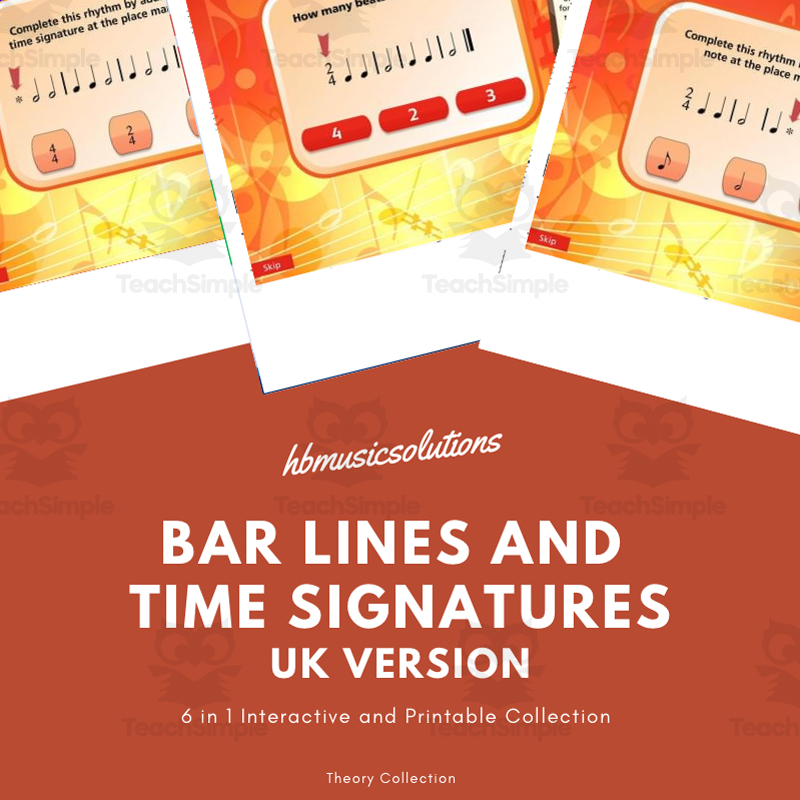
Music Building Blocks: Learn Rhythm and Note Values Through Hands-On Activities Engage your students with this innovative music education resource designed to teach time signatures, note values, and rhythm practice in a creative, hands-on way. Perfect for elementary music teachers, special education, and even non-specialist teachers, this material simplifies music theory concepts while keeping students actively involved. What’s Included? Note and Rest Blocks: Visual tools for understanding note durations (whole notes, half notes, quarter notes, and more). Time Signature Base Plates: Pre-marked plates for 2/4, 3/4, and 4/4 time signatures. Key Signature Cards: Treble and bass clefs to complete measures. Worksheets: Printable activities to reinforce concepts. Learning Objectives Understand time signatures and how measures are structured. Recognize note values and their durations. Develop a strong sense of rhythm through clapping, tapping, and playing. Why This Material? Versatile: Ideal for classroom teaching, homeschool settings, and group music lessons. Accessible: Easy-to-use for both experienced and non-specialist teachers. Interactive: Encourages tactile and auditory learning through music blocks, Boomwhackers, and Orff instruments. How to Use Cut out the blocks and create rhythms on the baseplates. Clap, tap, or use classroom instruments to perform the rhythms. Print and laminate the board materials for reuse. This resource transforms music theory into a fun, practical experience, making it perfect for beginners and younger learners. Start building a solid musical foundation today!
Author Die Relitante
Tags Music Education, Rhythm Practice, Time Signatures, Note Values, Hands-On Learning, Classroom Materials, Music Worksheets, Orff Instruments, Boomwhackers Activities, Elementary Music Teaching
Music Writing Sheets with Decorative Layout
Seasons, Holiday & Seasonal, Summer, Spring, Common Core, ELA, Language Development, Music, Creative Arts, Dance, Homeschool Templates, Grade 1, 2, 3, 4, 5, Activities, Worksheets & Printables, Worksheets, Projects, Classroom Decor, Bulletin Boards, Posters, Teacher Tools, Templates, Coloring Pages
Music Writing Sheets with Decorative Layout Create space for creativity in music class – with printable sheets for composing, notating, or practicing music theory 🎵✍️ PNG + PDF These music-themed worksheets offer a quiet and motivating way for students to engage with musical notation. Each sheet includes clearly spaced music lineatures (staff lines) and gentle decorative elements to make the learning experience both structured and enjoyable. The color tones of the staff lines are matched to the overall design, giving the pages a calm, coherent look – without overwhelming students who are still learning to read or write music. Whether you’re asking students to notate simple melodies, copy rhythms, or compose short pieces, these pages provide a flexible format that supports focus and neatness. They’re also great for music journals, theory exercises, or creative music tasks. What’s included: A selection of PDF music writing pages with pre-printed lineatures Decorative design elements in subtle tones Coordinated ruling colors for better visual harmony Format: Printable or usable in digital notebooks (e.g., GoodNotes, Notability) PNG Format Ideas for classroom use: In my own music classes, I use these sheets for short composition tasks or to write down musical ideas after listening to a piece. They also work well in project folders or as part of student portfolios. Some of my students like to use them during free work time – writing down simple melodies they've invented or even illustrating their musical ideas. For students who are easily overwhelmed by plain staff paper, the friendly design can reduce the fear of the blank page. The format works well in both primary and lower secondary settings – and it's a great way to combine structure with freedom in creative tasks. These pages don’t replace formal music workbooks – but they’re a welcome addition when you want students to engage with music more openly and personally. Best, Heike from Lernfitness Did You Know? I teach with a certified therapy dog, and together we create a positive and welcoming learning environment. 🐶
Author Lernfitness
Rating
Tags Activity Sheets, Spring, Summer, Decorative Pages, Custom Classroom Materials, Seasonal, Worksheets, Primary Students, Music, Notating
Soul (2020): Complete Movie Guide & Character Map
Creative Arts, Art, ELA, Music, Grade 5, 6, 7, 8, Worksheets & Printables, Worksheets
Soul (2020): A Complete Movie Guide & Character Map This is an invaluable teaching resource, ideal for Grade 5 up to Grade 8 educators who teach Other, Language Arts, or Art & Music subjects. Specifically designed to enrich the learning experience of those being taught about Pixar Animation Studio's animated film, Soul. About the Movie: The movie follows Joe Gardner—a middle-school music teacher cum aspirational jazz artist whose soul gets displaced into 'The Great Before,' a realm where souls cultivate personalities before starting their human existence. The story revolves around how Joe collaborates with a non-conformist soul named '22' to return into his physical body on Earth while simultaneously unraveling deep philosophical aspects about life's purpose. Teaching resource features: An assortment of 21 carefully formulated questions that encourage students to ponder over critical lessons derived from the movie. Teachers can tailor discussions individually or in groups—providing opportunities for shared learning among students. A character map is included which helps students dissect each character’s role while observing different dynamics at play even when broken down into smaller study groups. To enhance classroom execution further, time stamps are provided that teachers can utilize for planning classes optimally—making it homework-friendly too! All these without needing any preparatory action—an absolute ready-to-use learning supplement. Note: This teaching material works across multiple file types – providing educators with an easy and versatile teaching tool. It not only bolsters students' understanding of language arts and music but also allows them to appreciate thematic films. The tool emulates real-life experiences through an interactive lens — combining entertainment with meaningful parable-like teachings. By using this resource, educators equip their students with profound life insights besides academic learning—an essential acquisition for every mindful educator out there.
Author EduPal Learning
Tags Inspirational Journey, Philosophical Lessons, Character Analysis, Thematic Film, Interactive Learning
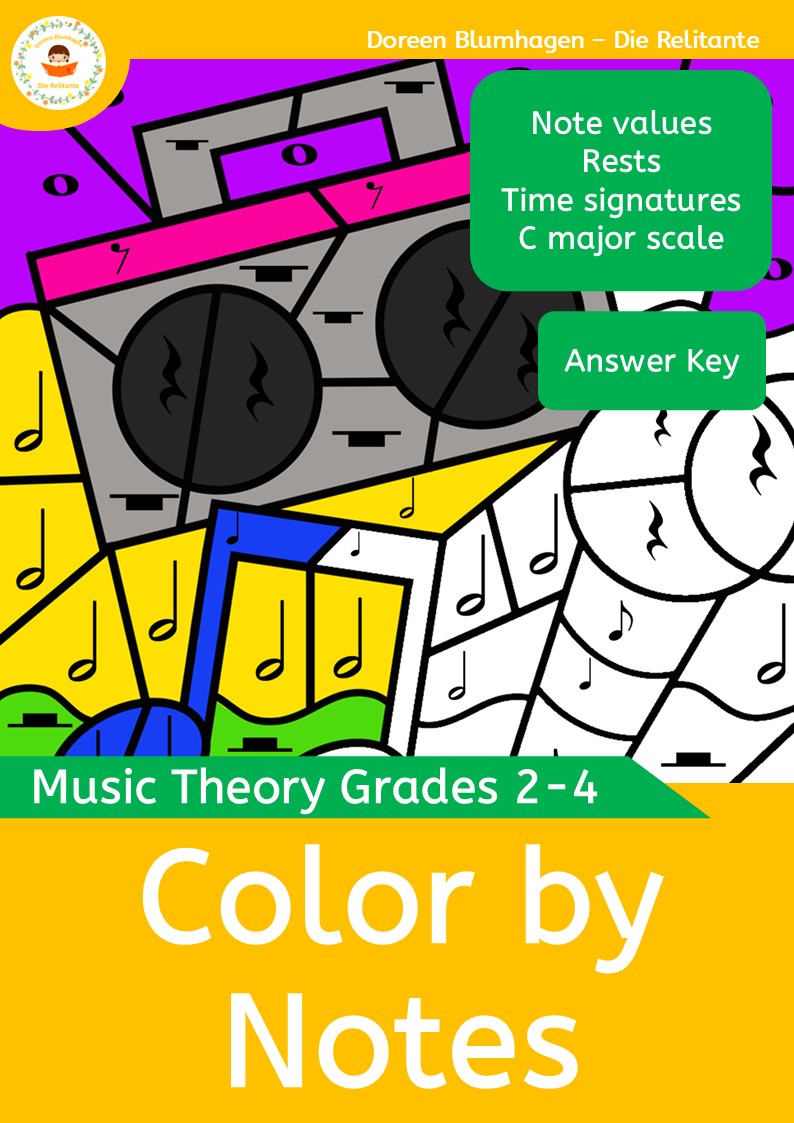
Color by Notes – Music Theory Worksheets
Creative Arts, Music, Elementary, Activities, Games, Worksheets & Printables, Worksheets, Coloring Pages
Color by Notes – Music Worksheets (Grades 2–4) These worksheets help students learn simple music theory by coloring. Students color pictures by following music notes and symbols. This helps them remember the music symbols easily. What students learn: Note values: whole note, half note, quarter note, eighth note Rests: whole rest, half rest, quarter rest, eighth rest Notes of the C major scale (C, D, E, F, G, A, B, C') Time signatures: 2/4, 3/4, 4/4 How to use the worksheets: Students look at music symbols on each worksheet. Each symbol matches a color. Students color each symbol with the right color. They learn music symbols while coloring. Ways to use in class: Independent activity: Students complete worksheets on their own. Group work: Students color worksheets in pairs or small groups. Learning stations: Set worksheets at different stations for students to rotate and practice. Review: Worksheets help students practice music theory learned in previous lessons. Preparing the material: Print one worksheet for each student. Students use colored pencils or crayons to complete the coloring tasks. Optional: laminate completed sheets to display in class. Who can use this resource? Music classes in grades 2, 3, and 4 Special education students who need visual learning support Teachers looking for simple music activities for their class These coloring worksheets help students understand basic music ideas. Coloring makes learning music notes and symbols easy and fun. Students practice important musical skills like recognizing notes, rests, and rhythms. The activity is simple and clear. Students quickly learn to match symbols with colors. They gain confidence by easily understanding new music symbols. The worksheets also help students practice their motor skills and concentration while coloring. These worksheets give students a clear and easy way to learn music symbols and theory. Teachers can use them often, as they require very little preparation. This resource is helpful for classrooms needing simple music learning activities for elementary students.
Author Die Relitante
Tags Notes, Rhythm, Whole Note, Half Note, Quarter Note, Eight Note, Whole Rest, Half Rest, Music Theory, Primary School
Research Organizer & Essay Assignment: Beethoven
Creative Arts, Art, Social Studies, Music, History, History: World, Grade 8, 9, 10, 11, 12, Activities, Projects, Worksheets & Printables, Worksheets
Ludwig van Beethoven Research Project This 6-page resource guides students through researching and writing an informative essay on Ludwig van Beethoven's life and achievements. Students begin by gathering facts and citing sources on a structured 2-page worksheet. An outlining tool then scaffolds drafting a 5-paragraph essay that summarizes their research. Finally, a rubric tied to Common Core ELA standards aids assessment. Use the full lesson or assign individual components like the research worksheet for a customizable sub plan. Applicable for grades 8-11, this project develops skills in research, note-taking, outlining, writing, citing sources, and peer review. Subjects covered include music history and composition while meeting ELA informational writing standards. Modify the included Google Sheet rubric or use the provided print-ready PDF.
Author The Language of Educational Art, LLC
Tags Essay, Research, Rubric, Notetaking, Outlining
Music Family Mazes
Creative Arts, Art, Music, Preschool, Grade 1, 2, 3, Mazes, Worksheets, Worksheets & Printables
This resource is a set of Music Family Mazes. This is a great addition to your music classroom activities. There are 3 different levels: - Easy - Medium - Difficult Students will love completing the maze to reinforce which instruments belong to which family.
Author More Than Just Reading
Tags Music, Family, Mazes, Music Class, Instruments
Harps Reading Comprehension Passage - Cored Ed Encyclopedia
ELA, Language Development, Resources for Teachers, Reading Comprehension, Reading, Pre-Reading, Writing, Strategies, Music, Creative Arts, Grade 2, 3, 4, 5, Worksheets & Printables, Worksheets, Teacher Tools, Centers, Activities, Writing Prompts, Assessments, Tests, Quizzes and Tests, Quizzes
This harps reading comprehension contains the following: Pre-Reading Trivia Students will write down one thing they already know about the subject and then read five more facts and discuss. These facts are fun, and the students will enjoy learning about the subject before reading more. Reading Passage The text is a high-interest reading passage with set paragraphs, roughly three to four paragraphs long. It contains a variety of themes about the topic, anywhere from history to technology. The passage is between 250 and 350 words in length. Mixed Questions The first question page contains four multiple-choice questions, each with a choice of four answers, and three written response questions that require a sentence or two from the student. Creative Writing In this question, the student will be required to write a five to eight sentence paragraph on a question related to the topic. Extension Activities This page is optional for fast finishers. If there are five to ten minutes left at the end of the lesson, the student can choose one of three activities, each one requiring a different skill. Answer Key There are answers for the multiple-choice questions and three written response questions have sample answers. FULL CATALOG OF DOWNLOAD LINKS AND ENCYCLOPEDIA INDEX HERE Lesson Snapshot Title: Harps Genre: Nonfiction (informational text) Subject: Music (Informational Reading) Primary Topic: How harps work, types, and early history Estimated Guided Reading Level (A–Z): O What This Lesson Teaches Best Explains what a harp looks like and how it makes sound when strings are plucked. Connects string length and thickness to low and high notes (how pitch changes). Describes the soundboard’s role in helping the sound “ring out.” Introduces harps as an ancient instrument and names early places they were played (Mesopotamia, Egypt, Sumer). Compares types of harps today (lever harps vs. pedal harps) and what levers/pedals do to change pitch. Learning Goals Describe how a harp makes sound using details from the passage. Explain how longer/thicker strings and shorter/thinner strings relate to low and high notes. Identify what the soundboard does for the harp’s sound. Compare lever harps and pedal harps by explaining how each changes pitch. Summarize evidence that harps are very old by naming where early harps were played or found. Key Vocabulary From the Text soundboard — flat wooden part that helps sound ring out. plucking — pulling and releasing strings with fingers to make sound. pitch — how high or low a note sounds. glissando — a swooshing sound moving across many notes. mechanism — parts that work together to change something. Cored Ed Encyclopedia Overview The Cored Ed Encyclopedia is a weekly series of lessons that you can pick up and use right away. These short readings fit into whatever time you have available. Each one includes a warm-up, a reading, and a set of questions, but it’s flexible — you can do just the reading, the full lesson, or skip the writing section if you need to. Each lesson focuses on a single topic so students don’t get lost. The writing is clear but never childish, making it perfect for grades two through five. Topics range from animals and science to history, inventions, and everyday things. No matter the level of the student, everyone should take away at least one new idea or fact from each lesson. The materials are easy to print, easy to explain, and require no setup. They work well for whole-class teaching, partner work, or independent study.
Author Cored Education
Rating
Tags Vocabulary, Spelling, Reading Comprehension, Reading Passages, Reading, Creative Writing, Reading Strategies, Writing Prompts, Harps, Music
Quotes and Notes From Great Classical Composers Copywork: Franz Joseph Haydn
Creative Arts, Art, Music, Grade 2, 3, 4, 5, 6, 7, 8, Worksheets & Printables, Worksheets
This Copywork Notebook walks your student through bite-sized portions of quotes from classical composer, Franz Joseph Haydn. This product includes regular spaced lines for older students. Copywork is designed to help your children to learn spelling, punctuation, sentence structure, and vocabulary while copying from historical information. The idea is that your student will actually begin to imitate the elements in his or own writing. This product is an ebook in PDF format. Keywords: Classical Composers, History, Classical, Music, Conductor, Strings, Woodwinds, Brass, Orchestra, Violin, Viola, Cello, Horn, Percussions, Copywork, Spelling, Punctuation, Sentence Structure, Vocabulary, Franz Joseph Haydn
Author Knowledge Box Central
Tags Haydn, Classical Composers, Music History, Classical Music, Copywork, Joseph Haydn Student
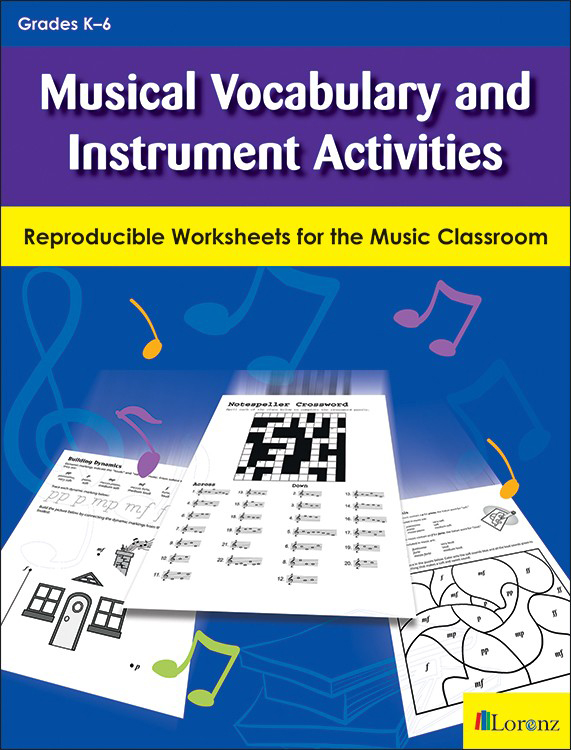
Musical Vocabulary and Instrument Activities: Reproducible Worksheets for the Music Classroom
Creative Arts, Art, Music, Preschool, Grade 1, 2, 3, 4, 5, 6, Worksheets, Worksheets & Printables
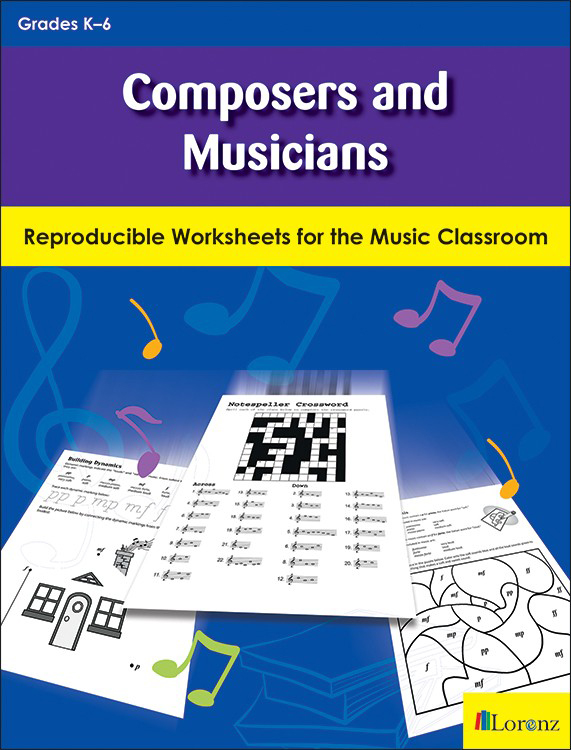
Musical Vocabulary and Instrument Activities: Reproducible Worksheets for the Music Classroom A robust teaching resource that guides students through the basic elements of music, effortlessly bridging the gap between various educational disciplines. This comprehensive toolset caters to Kindergarten all the way up to Grade 6 learners, making it a versatile addition to any educational environment. Key Features: Reproducible worksheets that simplify complex musical concepts into user-friendly activities. Promotes effective learning through interactive tasks such as mazes based on musical instruments and cognitive reasoning exercises linking musicians with their respective instruments and roles. Provides valuable lessons in musical vocabulary and instrument recognition without requiring formal music training from educators. Cross-Curricular Links: This product has strong cross-curricular links with subjects such as art and history, offering versatile ways of extending classroom learning beyond traditional borders. Digital Convenience & Compatibility: The teaching aid avails itself as a PDF file ensuring compatibility across multiple platforms - perfect for whole-class sessions or downloading copies for individual study periods or homework assignments. In Conclusion: Musical Vocabulary and Instrument Activities: Reproducible Worksheets for the Music Classroom offers educators an effective path towards advancing student knowledge about music basics while fostering lateral thinking skills. In turn, they make all-around learning enjoyable yet meaningful!
Author Classroom Complete Press
Tags PDF
Jazz Women's History Composer Profile
Creative Arts, Art, Music, Grade 2, 3, 4, 5, 6, Worksheets & Printables, Worksheets
This resource Jazz Women's History Composer Profile is a composer profile set for 12 different women in jazz so that students collect and share their biographical information in the form of a social media post. Students will use this resource digitally or printed to fill out information about that composer. It mimics a social media profile so students will love that. Each page dedicated to each composer has 6 squares for them to fill up with facts from the lives of the composers. Each of the squares are to represent a post as in social media posts. The composers included in this Jazz Women's History Composer Profile are: 1. Ella Fitzgerald 2. Alice Coltrane 3. Bessie Smith 4. Billie Holiday 5. Dinah Washington 6. Etta James 7. Mary Lou Williams 8. Melba Liston 9. Nancy Wilson 10. Nina Simone 11. Sarah Vaughan 12. Terri Lyne Carrington This resource Jazz Women's History Composer Profile was designed for any elementary school student. However, it can be used for any student who is exploring the lives of these jazz women composers. For similar resources check this one out https://teachsimple.com/product/womens-history-month-meet-the-artists-backstage-pass For other engaging resources you can also visit my store here!
Author Joyful Noise Teaching
Tags Jazz, Women, History, Composers, Music Activity
Oboes Reading Comprehension Passage - Cored Ed Encyclopedia
ELA, Language Development, Resources for Teachers, Reading Comprehension, Reading, Pre-Reading, Writing, Strategies, Music, Creative Arts, Grade 2, 3, 4, 5, Worksheets & Printables, Worksheets, Teacher Tools, Centers, Activities, Writing Prompts, Assessments, Tests, Quizzes and Tests, Quizzes
This oboes reading comprehension contains the following: Visualize on the Cover (Teacher Read Aloud Script) Start your lesson by taking a few moments to visualize the topic and share thoughts or feelings about it. Pre-Reading Trivia Students will write down one thing they already know about the subject and then read five more facts and discuss. These facts are fun, and the students will enjoy learning about the subject before reading more. Reading Passage The text is a high-interest reading passage with set paragraphs, roughly three to four paragraphs long. It contains a variety of themes about the topic, anywhere from history to technology. The passage is between 250 and 350 words in length. Mixed Questions The first question page contains four multiple-choice questions, each with a choice of four answers, and three written response questions that require a sentence or two from the student. Vocabulary Questions Practice seven key words from the text in this section across two activities. First section is scrambled words where students will unscramble three words given a clue for each. The second section is a word to meaning matching activity. Creative Writing In this question, the student will be required to write a five to eight sentence paragraph on a question related to the topic. Extension Activities This page is optional for fast finishers or to take home. There are several activities, each one requiring a different skill. Do some, do none, do all, completely optional - but you will feel reassured knowing every possibility is planned for. Includes summary writting question. Answer Key There are answers for the multiple-choice questions, written response questions have sample answers, vocabulary answers and if there is a summary question then a sample summary will be provided as well. FULL CATALOG OF DOWNLOAD LINKS AND ENCYCLOPEDIA INDEX HERE Lesson Snapshot Title: Oboes Genre: Nonfiction (informational text) Subject: Music (Performing Arts) / Reading Informational Text Primary Topic: How the oboe developed and works Estimated Guided Reading Level (A–Z): S Support pages included: Pre-reading trivia, mixed questions, vocabulary activities, creative writing, extension activities, and an answer key. Support-page QA note: The support page uses “orchestra” (singular) in a scrambled-word item, while the passage uses “orchestras” (plural). What This Lesson Teaches Best How the modern oboe developed from earlier instruments, including the shawm and hautbois , across time in Europe. How a double reed starts the oboe’s sound through vibrating and buzzing. How adding more keys helped players move faster and play more notes in tune. Why the oboe often gives the tuning note in an orchestra (clear, steady sound). Using section headings to organize and locate key facts in an informational passage. Learning Goals Students will be able to describe how the shawm relates to the modern oboe. Students will be able to explain what the double reed does to start the oboe’s sound. Students will be able to identify how the hautbois was different from the shawm. Students will be able to explain why new key systems were designed in the 1800s. Students will be able to describe why the oboe often gives the tuning note in orchestras. Students will be able to use the passage’s headings to find information quickly. Key Vocabulary From the Text shawm — a loud older double-reed instrument played long ago. hautbois — an early French version of the oboe. double reed — two reeds that vibrate to start the sound. tuning — matching the same pitch before playing together. blend — mix smoothly with other instruments. Cored Ed Encyclopedia Overview The Cored Ed Encyclopedia is a weekly series of lessons that you can pick up and use right away. These short readings fit into whatever time you have available. Each one includes a warm-up, a reading, and a set of questions, but it’s flexible — you can do just the reading, the full lesson, or skip the writing section if you need to. Each lesson focuses on a single topic so students don’t get lost. The writing is clear but never childish, making it perfect for grades two through five. Topics range from animals and science to history, inventions, and everyday things. No matter the level of the student, everyone should take away at least one new idea or fact from each lesson. The materials are easy to print, easy to explain, and require no setup. They work well for whole-class teaching, partner work, or independent study.
Author Cored Education
Rating
Tags Vocabulary, Spelling, Reading Comprehension, Reading Passages, Reading, Creative Writing, Reading Strategies, Writing Prompts, Oboes, Music
"Life on the High Seas" Small Ensemble Sheet Music
Creative Arts, Art, Music, Grade 4, 5, 6, Worksheets & Printables, Worksheets
All you have to do is print and go with this "Life on the High Seas" Small Ensemble Sheet Music.
Author Adam Brox Music Store
Tags Small Ensemble, Sheet Music, Instruments, Music Class, Life On The High Seas
Electric Guitar Extreme Difficulty Dot-to-Dot PDF
Creative Arts, Music, Graphic Arts, Art, Math, Early Learning, Elementary, Worksheets & Printables, Worksheets, Dot To Dots
Connect 345 dots to complete the Electric Guitar Extreme Difficulty Dot-to-Dot / Connect the Dots Puzzle! Connect the dots puzzles like this one are an enjoyable and relaxing challenge that can entertain and educate students. A wide range of ages can benefit from dot-to-dots, including elementary, middle, and high school. They’re also handy for homeschooling. These challenging puzzles can help improve fine motor skills, and also help kids develop patience and focus. Finally, they’re fun to color too! Let the kids grab some crayons or colored pencils and put a personal creative touch on their dot-to-dot. This dot-to-dot printable created by Tim van de Vall. It is copyright Tim’s Printables LLC. Terms of use: Content may be printed/downloaded for personal and educational purposes only. Commercial Use is strictly prohibited. Thank you for respecting these terms! The connect the dots is activity on page 1, and the answer key is on page 2. The page dimensions are: letter-sized 8.5”x11”. PDF format.
Author Tim's Printables
Rating
Tags Music, Guitar, Electric Guitar, Worksheet, Printable, Activity, Puzzle, Connecting The Dots, Join The Dots, Dot To Dot