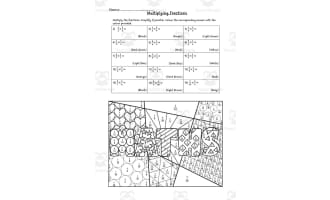
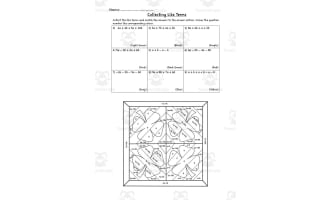
Area of Parallelograms – Color by Number Activity
- Grades
- Grades 6–7, Middle School
- File type
- Preparation
- Print ready


- Subject
- Math, Geometry
- Topic
- Math Homework
- Resource types
- Activities, Worksheets & Printables, Worksheets
- Preparation
- Print ready
- Standards
- 6.G.A.1
About this resource
What's inside this resource
Related resources
More resources teachers may find useful
24 related resources were found using this product's title, contributor, categories and tags.


In the classroom
Teaching tips & learning objectives

Learning objectives
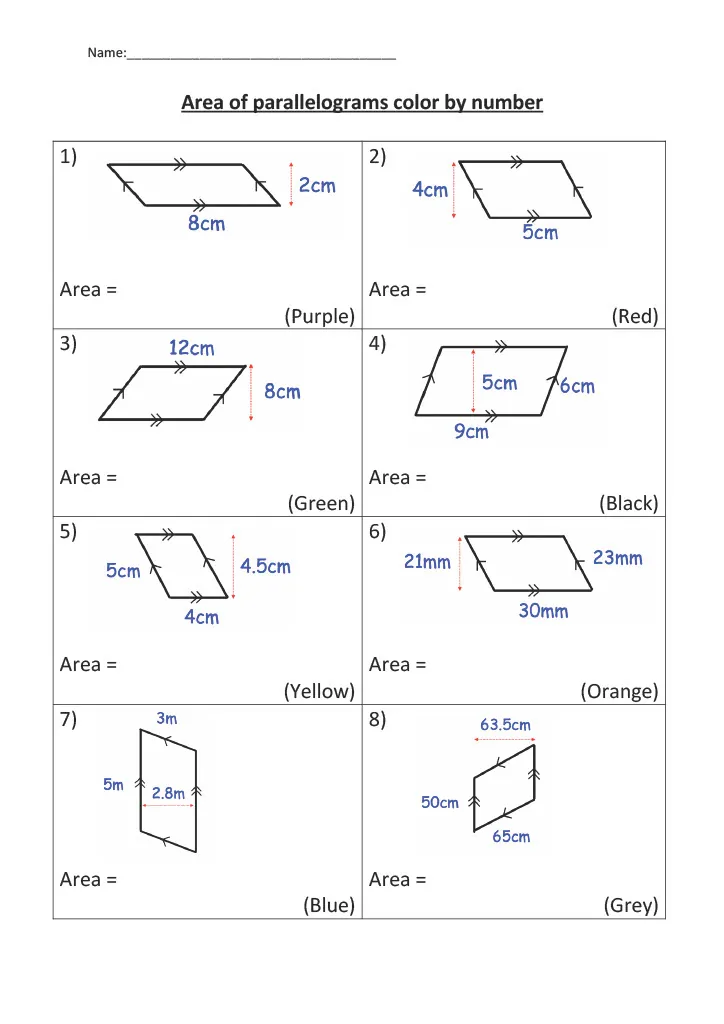
Students will calculate the area of a parallelogram using the formula area = base x height.
Students will apply the area formula across different units of measurement (cm, mm, m) within the same problem set.

Teaching tips
Point out before students start that the eight problems mix centimeters, millimeters, and meters, so a hasty student can't just repeat the same formula setup without checking each problem's unit.
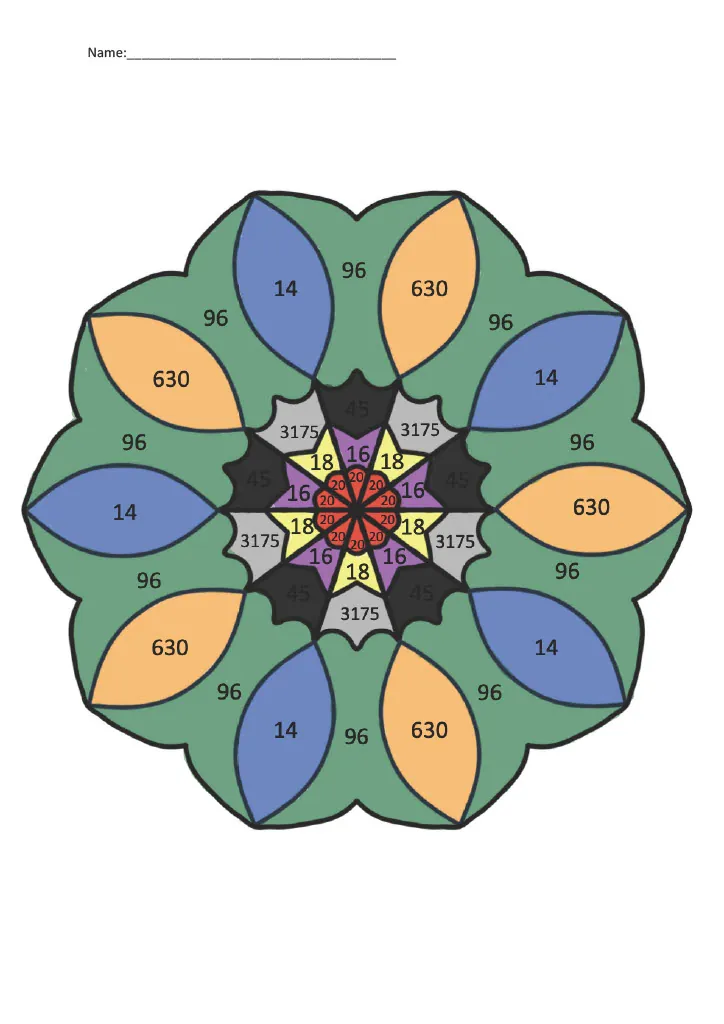
Use the included answer page as a self-check station: students calculate first, then compare against the worked page rather than being handed it up front.
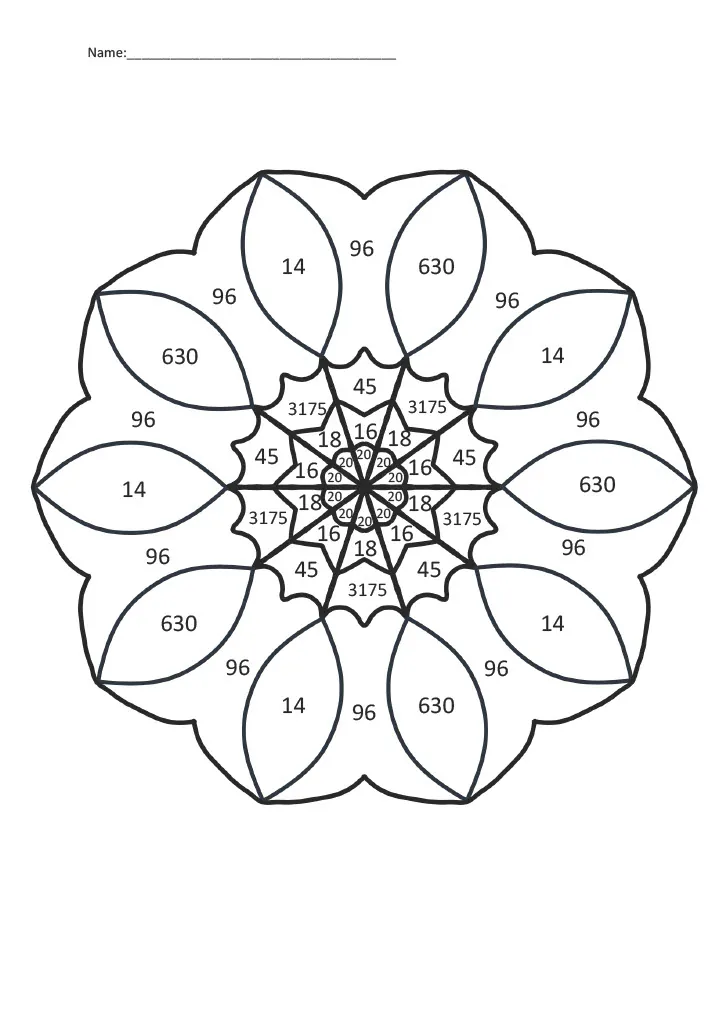
Since the reveal picture only works if every answer is correct, an incomplete or garbled picture is an easy visual cue for which students need a re-check.

Skills covered
Parallelogram area calculation — students apply area = base x height across all eight problems.
Unit awareness — students track and report area in the correct unit (cm2, mm2, m2) as it changes problem to problem.
Self-checking — students use the answer key to verify their own calculations before or after the coloring step.
Good to know
Questions teachers ask about this resource
Is this the US or UK spelling version — does that affect the math?
No. The problem set and picture-reveal grid are identical; only the header text on the answer page uses the British spelling 'colour' rather than 'color'. The math content and answers are the same either way.
Can students use this as an independent self-check activity?
Yes. Because a fully worked answer page with all eight area values is included, students can grade their own work before or after completing the coloring step, without teacher involvement.

No reviews yet
Downloaded this resource? Tell other teachers how it went.
Curriculum
Standards, concepts & topics
Standards
 Standards
- 6.G.A.1 — Find the area of right triangles, other triangles, special quadrilaterals, and polygons by composing into rectangles or decomposing into triangles and other shapes; apply these techniques in the context of solving real-world and mathematical problems.
Core concepts
 Core concepts
area of parallelograms
area formula
measurement units
color by number
Topics
 Topics
Explore more
Categories this resource belongs to
Explore related searches
More to explore
You may also like