C-E-R Writing Review Worksheet (Claim, Evidence, Reasoning)



- Grades
- Grades 9–12, High School
- Pages
- 4
- File type
- Answer key
- Included


- Subject
- ELA, Writing
- Topic
- CER, c-e-r
- Resource types
- Worksheets & Printables, Worksheets
- Answer key
- Included
About this resource
What's inside this resource
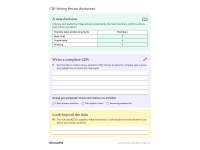
Middle school students review claim, evidence and reasoning (CER) by working with short arguments and small data tables printed right on the page. The worksheet opens with a three-column reminder of what C, E and R each do, then moves from labeling the parts of an argument to writing a complete CER paragraph of their own.
On page 1, students mark each sentence of a short argument about library book displays as a claim, evidence or reasoning, then explain how a back-door return box would solve a problem found in a student survey. Page 2 gives a table of sorting trials with and without picture labels. Students pick the claim the data best support, choose two relevant facts, select the reasoning that links them, and rewrite an overstated claim so it fits only what the trials show. Page 3 asks for a three-sentence CER about a library club's vote tally, a quick self-check of the paragraph, and one last question about what the club still needs to know before it decides.
- Grades 6–8: writing and argument, claim-evidence-reasoning review
- Four pages: three student pages with 10 tasks and a one-page answer key with a model paragraph
- Print options: full-color and print-friendly black-and-white PDF versions
Related resources
More resources teachers may find useful
24 related resources were found using this product's title, contributor, categories and tags.



In the classroom
Teaching tips & learning objectives

Learning objectives
Identify the claim, evidence and reasoning in a short argument.
Select evidence from a data table that supports a claim.
Choose reasoning that explains why the evidence supports the claim.

Teaching tips
Review the C, E and R chart at the top of page 1 before students label the three sentences in the first task.
For item 6, have students check every number in each choice against the table; one choice mentions a border color the table never shows.
Use Repair a claim to discuss how words like always and every stretch a claim past the evidence.

Skills covered
Argument structure: students sort sentences into claim, evidence and reasoning in an argument about which book display the library club should keep.
Data reading: students compare counts across three trials in a table to decide which statements the numbers actually support.
Scoped claims: students rewrite “Picture labels always prevent every sorting mistake” so it matches only what the trials show.
Good to know
Questions teachers ask about this resource
What does CER stand for?
Claim, evidence and reasoning. The chart on page 1 defines each part: the claim answers the question, evidence gives relevant facts or data, and reasoning explains why the evidence supports the claim.
Is there an answer key?
Yes. Page 4 gives answers for all 10 tasks, including a model CER paragraph and what to look for in student writing.
Do students need a separate reading passage?
No. Every task uses the short arguments, tables and tallies printed on the worksheet.
What grade level is it for?
It is written for grades 6–8 and works as a review once students have been introduced to CER.

No reviews yet
Downloaded this resource? Tell other teachers how it went.
Resource details
Concepts & topics
Core concepts
 Core concepts
claim, evidence and reasoning (CER)
argumentative writing
data interpretation
supporting evidence
reasoning
scoped claims
 Topics
Explore more
Categories this resource belongs to
Explore related searches
More to explore
You may also like