search
user.png
vertical menu

Mastering the Irregular Verbs

Mastering the Irregular Verbs preview
Mastering the Irregular Verbs preview 2
Mastering the Irregular Verbs preview 3

Look Inside · 10 pages · answer key included

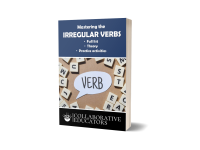
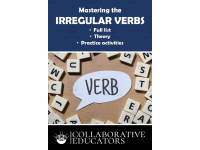
Mastering the Irregular Verbs cover listing a full list, theory and practice activities, with a VERB speech bubble
Title page introducing the verb unit
Chapter 1 on irregular verbs: defines them and explains base form, past simple and past participle with examples
Mini-lesson notes before students practise past forms
Chapter 2 irregular verb list, arise to come: base, past simple and past participle of each, e.g. begin-began-begun
Reference chart to start the alphabetical verb list
Irregular verb list continued, cost to hear: three forms of each, e.g. do-did-done, drink-drank-drunk, go-went-gone
Lookup page for verbs C through H
Irregular verb list continued, hide to say: three forms of each, e.g. know-knew-known, lie-lay-lain, ride-rode-ridden
Lookup page for verbs H through S
Irregular verb list continued, see to swear: three forms of each, e.g. sing-sang-sung, steal-stole-stolen
Lookup page for the S verbs
End of the verb list, sweep to write, then Chapter 3 memorizing tips: grouping verbs by pattern and using mnemonics
Study strategies to share before verb quizzes
Chapter 4 irregular verb exercises: fill in past forms of bracketed verbs, match verb forms, transform sentences
Guided practice sets 1 to 3 for class or homework
Story cloze on a day at the park: students fill in past-tense verbs, then choose the correct verb form in 3 items
Exit-ticket style check of past forms in context

Answer key included

Answer key included
Attributes
Add To Collection
Add to collection Add to collection

About This Product

What are Irregular Verbs?

Irregular verbs are verbs that do not follow the standard rules of conjugation in English. Unlike regular verbs, which form the past simple and past participle by adding “-ed” (e.g., walk -> walked), irregular verbs change in unique ways.

Why Do We Use Irregular Verbs?

Irregular verbs are deeply rooted in the English language, often because of their origins in Old English or other Germanic languages. They are commonly used, and knowing them helps speakers sound more fluent and natural.

Irregular Verb Forms

In English, verbs can have three main forms:

  • Base Form: The root form of the verb (e.g., go, see, buy)

  • Past Simple: The form used for past events (e.g., went, saw, bought)

  • Past Participle: The form used in perfect tenses and the passive voice (e.g., gone, seen, bought)

Understanding these forms is essential for forming correct sentences in past and perfect tenses. This ebook will help you and your students with that.

0 Reviews

Explore related searches
you may also like...

Check out these other great products