Short i CVC Worksheets
- Grades
- K–1
- Pages
- 6
- File type
- Preparation
- Print ready


- Subject
- ELA, Phonics, Reading
- Topic
- Short i, CVC words
- Resource types
- Worksheets
- Preparation
- Print ready
Product description
From the author
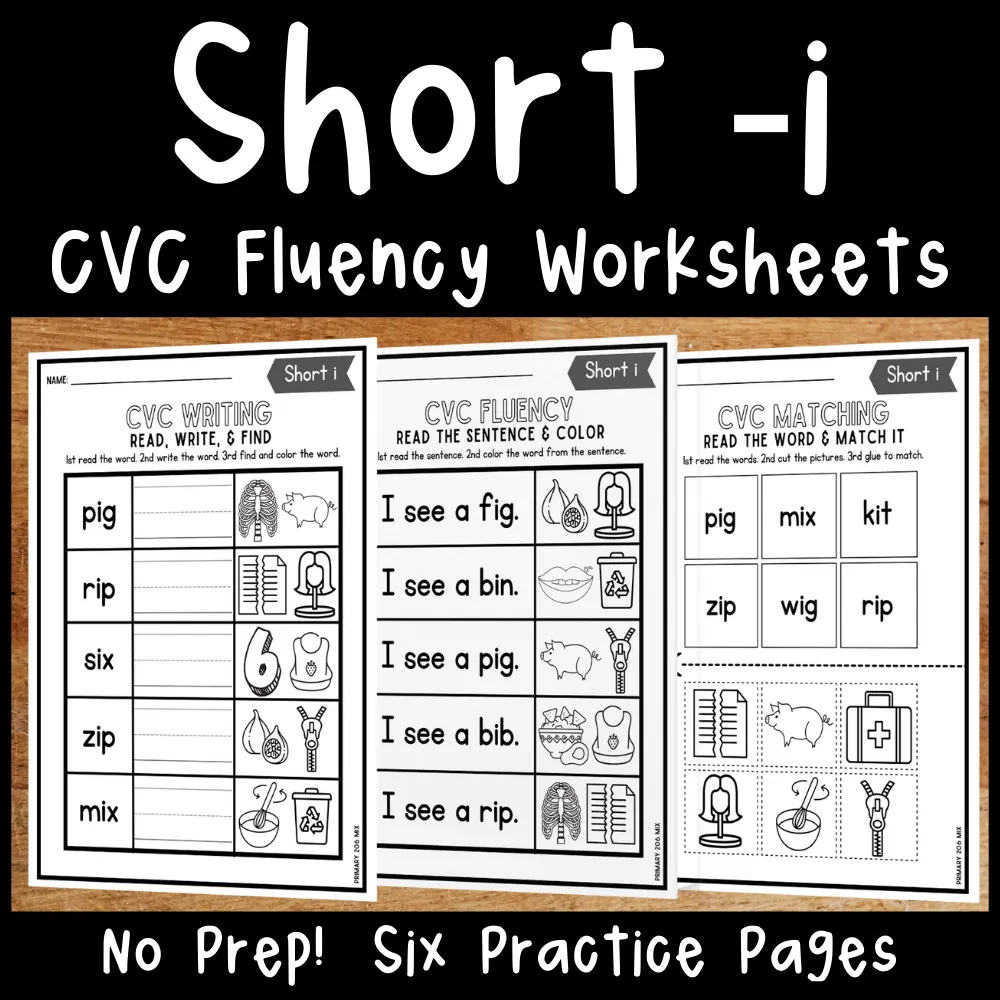
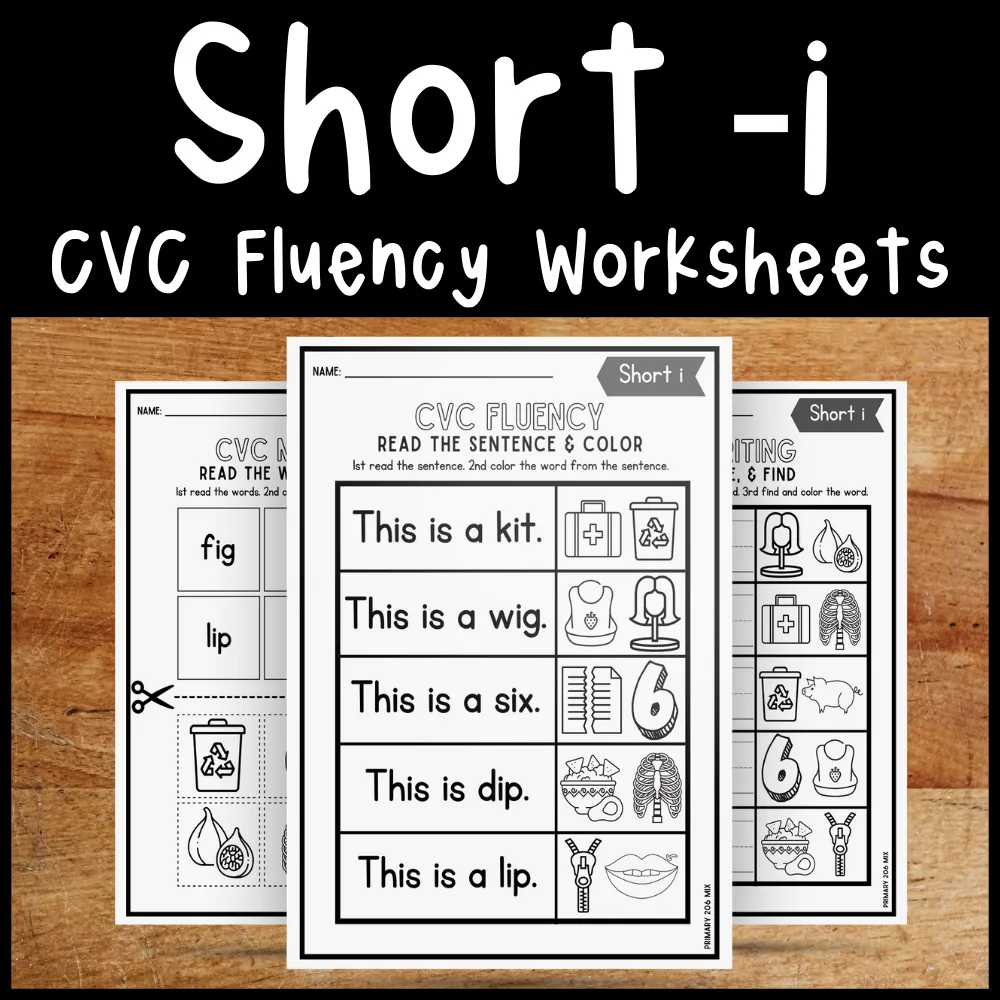
Introduce your students to the short i sound and help them develop foundational reading skills with these CVC Worksheets! This 6 pack of printable worksheets includes activities that help your students practice matching, reading, writing, and identifying CVC words with the short i sound. With these CVC Worksheets, your students will be able to become confident readers of short i words in no time! Great for in class or as homework!
Reading CVC words is an important strategy when introducing many phonological awareness skills emerging readers need to learn. CVC words follow the simple pattern of consonant-vowel-consonant and make it easier for students to transform individual letter sounds into short and simple familiar words. The short vowel sounds are the foundation of fluent reading. When students begin learning letter names and sounds the first vowel sounds we teach them are the short vowel sounds. You can use these worksheets in the classroom or send them home for extra practice.
RF.K.2d Isolate and pronounce the initial, medial vowel, and final sounds (phonemes) in three-phoneme words (CVC words).
RF.K.3b Associate the long and short sounds with common spellings (graphemes) for the five major vowels.
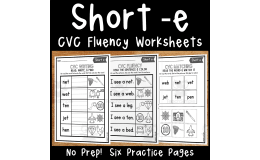
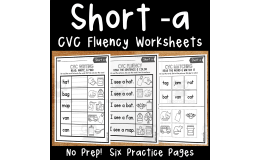
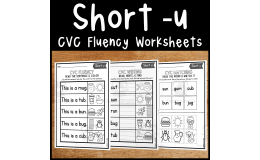
Check out these same CVC worksheets for each short vowel sound available for download on Teach Simple:
Related resources
More resources teachers may find useful
24 related resources were found using this product's title, contributor, categories and tags.
In the classroom
Teaching tips & learning objectives

Learning objectives
Read and write short-i CVC words such as pig, wig, six, mix, and kit.
Read simple short-i sentences aloud and identify the target word within each sentence.
Match a printed picture to its corresponding short-i CVC word by cutting and gluing.

Teaching tips
Have scissors, glue, and coloring supplies ready before starting — the matching pages require cutting and the writing/fluency pages require coloring.
Use the two Writing pages for initial practice, then move to the Fluency pages once students can read individual words, since the fluency pages embed the same word types inside full sentences.
Preview the six pictures and words on a Matching page before students cut them apart, so pieces don't get mixed up between pages.

Skills covered
Short-i CVC decoding — students read words such as pig, wig, six, mix, and bin across all three formats.
Sentence reading — the Fluency pages embed short-i words in simple sentences ("I see a fig") for oral reading practice.
Picture-word matching — the Matching pages have students pair a picture with its short-i CVC word label.
Good to know
Questions teachers ask about this resource
Do the two pages of each format use the same words or different ones?
Different — for example the first Writing page uses pig, rip, six, zip, and mix, while the second uses wig, rib, bin, bib, and dip.
What do students do on the Matching pages specifically?
They read six short-i words, cut out matching picture cards, and glue each picture beside the word it represents.

No reviews yet
Downloaded this resource? Tell other teachers how it went.
Curriculum
Standards, concepts & topics
Standards
 Standards
- RF.K.3.b
- RF.1.3.b
Core concepts
 Core concepts
Short i CVC words
Short-i word writing
Word-picture matching
 Topics
Explore more
Categories this resource belongs to
Explore related searches
More to explore
You may also like