Anatomy of a Black Tailed Prairie Dog
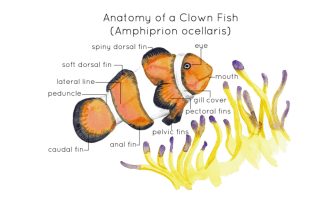
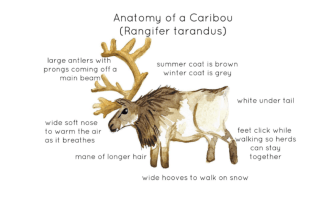
A hand-painted watercolour illustration labels the external features of a black-tailed prairie dog, including its rounded ears, eyes, digging claws and black-tipped tail. The two-page PDF also includes the creator’s printing tips.


- Year levels
- Years 1–4
- File type
- Preparation
- Print ready


- Subject
- Animals, Life Sciences, Science
- Topic
- Anatomy, Poster
- Resource types
- Parts of and Anatomy of
- Preparation
- Print ready
From the author
About this resource
Anatomy of a Black Tailed Prairie Dog This informative science resource features a beautifully hand-painted watercolour image of a Black-tailed Prairie Dog with clear anatomical labels identifying key external body parts. Students will learn the correct terminology for prairie dog anatomy as they study the detailed illustration. This engaging worksheet can be utilised in a variety of ways - teachers may have students label their own prairie dog diagrams, complete a compare and contrast activity with other rodents, create a prairie dog facts poster, or simply discuss the functions of different prairie dog body parts as a whole group or small group activity. With many possible applications across primary science curriculums, this vivid prairie dog anatomy diagram is a versatile addition to any life science unit for ages 6–10.
Related resources
More resources teachers may find useful
More resources on the same subject and topic.



In the classroom
Teaching tips & learning objectives

Learning objectives
Identify the labelled external features of a black-tailed prairie dog and connect its claws and fur with digging and camouflage.

Teaching tips
Display the illustration and ask students to point to each feature as its label is read aloud.

Skills covered
Reading an animal diagram and using vocabulary for ears, eyes, fur, tail, claws and legs

No reviews yet
Downloaded this resource? Tell other teachers how it went.
Resource details
Concepts & topics
Core concepts
 Core concepts
Prairie dog external anatomy
 Topics
Explore more
Categories this resource belongs to
Explore related searches



More to explore