Animal Farm Creative Writing Ideas


- Grades
- Grades 7–10
- Pages
- 2
- File type
- Google Docs™
- Use
- Digital activity


- Subject
- Creative Writing, Writing, ELA
- Topic
- Creative Writing, Character Analysis
- Resource types
- Assessments
- Use
- Digital activity
From the author
About this resource
Related resources
More resources teachers may find useful
More resources on the same subject and topic.


In the classroom
Teaching tips & learning objectives

Learning objectives
Compose an original piece of creative writing — a letter, journal entry, song, podcast script, or poem — consistently in a character's first-person voice.
Select and analyze at least three specific quotes or scenes from the novel to support the response.
Compare the outcome described at the end of the novel to the vision set out earlier in the text, and explain the resulting contrast.

Teaching tips
Have students re-read Old Major's chapter-1 speech immediately before starting, since the assignment's own procedure asks them to compare it directly against the chapter-10 outcome.
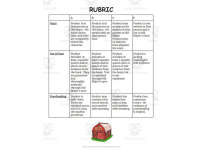
Share the rubric before students begin drafting — the top score specifically requires three analyzed quotes presented in Old Major's voice, which shapes how much textual evidence to plan for.
Because the format is open (letter, song, podcast, journal, or poem), consider letting students pick complementary formats so the class can share a mix of finished pieces.

Skills covered
Character-voice writing — students sustain Old Major's first-person perspective, tone, and word choice across their chosen creative format.
Textual evidence analysis — the rubric requires at least three specific quotes or scenes from the novel, explained through the character's point of view.
Thematic comparison — students contrast the vision Old Major set out in chapter 1 with the outcome he would witness in chapter 10.
Format flexibility — students translate the same content and voice requirements into one of five different creative formats.

No reviews yet
Downloaded this resource? Tell other teachers how it went.
Resource details
Concepts & topics
Core concepts
 Core concepts
Character perspective
Textual evidence
Creative writing
Theme (idealism vs. outcome)
 Topics
Explore more
Categories this resource belongs to
Explore related searches


More to explore