Biochemistry Introduction for High School Biology



- Grades
- Grades 11–12
- Pages
- 11
- File type
- Multiple File Types
- Editable
- Yes


- Subject
- Biology, Life Sciences, Science
- Topic
- Biochemistry, Senior Biology Lesson
- Resource types
- Lesson Plans
- Editable
- Yes
From the author
About this resource
Biochemistry Introduction - Senior High School Biology lesson
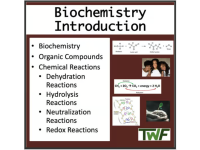
The lesson covers the following topics; Biochemistry, Organic Compounds, Chemical Reactions, Dehydration Reactions, Hydrolysis Reactions, Neutralization Reactions, and
Redox Reactions.
Your lesson includes the teacher and student version of the presentation, one embedded video, an auto-graded exit ticket, and a student lesson handout so the students can record the notes on a more condensed medium. The lesson is entertaining, engaging, and classroom-tested.
This lesson is designed to be your go-to resource, whether you're in a traditional classroom or a virtual one. With both a teacher version and a student version, it seamlessly fits into your lesson plans, making learning engaging and adaptable.
Assessment made easy
We've included an auto-graded Exit Ticket and a quiz with an answer key – because who doesn't love saving time on grading?
Whether you're a PowerPoint pro or a Google Slides user, prefer Word or Google Docs – we've got you covered. This lesson comes in both Office and Google formats for your convenience.
The student version of the presentation has strategically placed blanks for them to fill in as you're teaching. It keeps them active and engaged, encourages discussion, and leaves more time for those "aha" moments.
Related resources
More resources teachers may find useful
More resources on the same subject and topic.

In the classroom
Teaching tips & learning objectives

Learning objectives
Identify the elements that make up the main classes of organic compounds
Distinguish dehydration from hydrolysis reactions
Explain oxidation and reduction in a redox reaction

Teaching tips
The completed teacher deck doubles as the answer key for the student outline, so it can be shared after the lesson for students to check their notes.
Copying to Google Drive requires a Google account; the included access guide walks through it.

Skills covered
Note-taking — filling in key definitions on the outline as slides are presented
Comparing reactions — contrasting how dehydration builds molecules and hydrolysis breaks them apart
Classifying compounds — using composition tables to sort organic compounds

No reviews yet
Downloaded this resource? Tell other teachers how it went.
Resource details
Concepts & topics
Core concepts
 Core concepts
Organic compounds
Dehydration synthesis
Redox reactions
 Topics
Explore more
Categories this resource belongs to
Explore related searches
More to explore