


Cognitive Verbs Graphic Organizers


- Grades
- Grades 7–10
- File type
- Preparation
- Print ready


- Topic
- Cognitive Verbs, Graphic Organizers
- Resource types
- Graphic Organizers
- Preparation
- Print ready
From the author
About this resource
Cognitive Verbs Graphic Organizers: An Essential Teaching Resource
Cognitive Verbs Graphic Organizers are crucial teaching tools designed with public school teachers and homeschoolers in mind. They nurture the indispensable skills that students need to display knowledge understanding in various classroom situations.
This resource helps advance high-level thinking by prompting students to systematically organize their thoughts and ideas. The organizers come furnished with a set of probing questions that stir critical thought, making them excellent instruments for inspiring intellectual involvement across different subjects. Importantly, both American and British spelling versions are available to cater to different linguistic preferences.
List of Included Organizers:
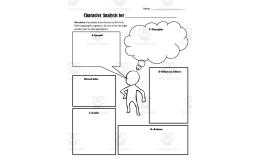
- Analyzing (Comes with a Music example)
- Evaluating (Also has a Music example)
- Comparing & Predicting (Each supported by primary science examples)
- Contrasting (Illustrated by a Music model)
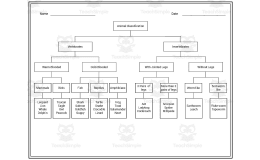
- Classifying (Reinforced with another music sample)
- Justifying & Summarizing (Paired up with an English example), and Inferring
The Cognitive Verbs Graphic Organizers have versatile application from Grade 7 through Grade 10, showing their wide range use. Whether for large group discussions for cooperative learning or small team or individual tasks - such as homework - these graphic organizers offer adaptive solutions complementary to varied teaching strategies.
The Cognitive Verbs Graphic Organizers come as convenient PDF downloads—a familiar format accessible on several platforms—making them user-friendly resources ready for immediate effective use after download.
Bolster Critical Literary Skills With Ease
In essence, these cognitive verb graphics significantly alleviate the task of fostering clear comprehension among learners—while increasing their capability to analyze, evaluate, infer, among other vital literary skills—in a structured yet engaging manner. In addition, the organizers serve as handy guides during exams revision as completed examples have been provided with specific organizers thus furnishing learners with first-hand insights into possible quality responses.
Related resources
More resources teachers may find useful
More resources on the same subject and topic.


In the classroom
Teaching tips & learning objectives

Learning objectives
Apply a named thinking process, such as classifying or inferring, to subject content
Use guiding questions to plan an evaluation, comparison or prediction

Teaching tips
The three filled examples could be shown first to model what a completed organizer looks like.

Skills covered
Evaluating — deciding on criteria before judging, prompted by questions in the organizer
Summarizing — condensing a text into the organizer's structured boxes

No reviews yet
Downloaded this resource? Tell other teachers how it went.
Resource details
Concepts & topics
Core concepts
 Core concepts
Predicting
Analyzing
Evaluating
Inferring
Classifying
 Topics
Explore more
Categories this resource belongs to
Explore related searches



More to explore


