CONFLICT: The FIVE Elements of a Story Graphic Organizers



- Grades
- Grades 3–8
- Pages
- 14
- File type
- Preparation
- Print ready


- Subject
- Reading Comprehension, Writing, Reading, Language Development, ELA
- Topic
- Study, Skills
- Resource types
- Graphic Organizers
- Preparation
- Print ready
From the author
About this resource
This is our CONFLICT section of our Graphic Organizers Series: The FIVE Elements of a Story. In this set, you can enjoy 10 custom graphic organizers for Conflict. Choose organizers and a reading text that fit your students’ comprehension and writing levels.
Use these graphic organizers to help students gain an understanding of Conflict in a story. Each graphic organizer comes with instructions on how to use them.
Conflict Graphic Organizers:
Conflict Dissection – Complete this graphic organizer by filling in each quadrant. In the first box, identify the characters of the story. In the next box, identify the time and place of the story. In the third box, identify the problem that takes place in the story. In the last box, identify the solution to the problem.
Problems and Solutions Chart – Identify the Problems and possible Solutions with this graphic organizer. First, identify the problem in the first box. Then, identify possible causes of the problem, followed by possible effects of the problem. Finally, identify any possible solutions to the problem based on this information.
Conflict Commentary – Summarize the Conflict by first identifying how the conflict starts. Then, identify possible causes of the conflict. At the top, identify the climax of the conflict, or how it comes to a head. Then, identify possible effects of the conflict. Finally, identify the outcome of the conflict.
Internal or External Conflict – Determine whether the conflict in the story is internal or external. Internal conflict: a character experiences two opposite emotions or desires. External conflict: a character struggles with an outside force. Find examples of the conflict in the story and add them to the column that most fits.
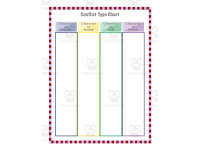
Conflict Type Chart – In the first column, find examples from the story that shows Character against Character. In the second column, find examples of Character against Nature. In the third column, find examples of Character against Self. And finally, in the fourth column, find examples of Character against Society.
Conflict Timeline – Complete the Conflict Timeline graphic organizer by breaking down the events for the conflict. Write down the stages of events for the conflict in the boxes on the timeline. Each stage should follow the order in which it took place in the story.
Opposing Forces Comparison – Compare two opposing forces in the story with this graphic organizer. First, identify the two forces you will be comparing. Then, identify the struggle between these two forces. List the differences between the two forces in the outside circles. List the similarities where the circles overlap.
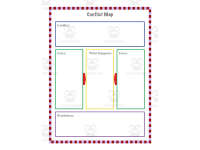
Conflict Map – Outline the Conflict in the story with this Conflict Map graphic organizer. First identify the conflict of the story in the top box. Then, identify the two forces that are in conflict with each other, and what happens when these two forces collide. Finally, identify the resolution of the conflict.
Cause-Effect-Consequences – Identify the cause, effect, and consequences of the Conflict as it appears in the story. First, identify the conflict in the story in the top box. Then, in the chart, identify the causes of the conflict, the effects of the conflict, and the consequences of the conflict.
Conflict Analysis – Determine what type of conflict the author created: Character vs. Character, vs. Nature, vs. Self, vs. Society, vs. Supernatural, or vs. Technology. Answer the questions to lead to the Conflict Statement. Here, identify the type of conflict, what the character wants, and why they can’t have it.
Related resources
More resources teachers may find useful
More resources on the same subject and topic.



In the classroom
Teaching tips & learning objectives

Learning objectives
Identify a story's characters, setting, central problem and solution using a four-quadrant organizer.
Trace a conflict's causes and effects, and the consequences that follow from them.
Classify a story's conflict as internal or external, and further as character-versus-character, -nature, -self or -society.
Sequence the stages of a story's conflict chronologically, from its start to its resolution.

Teaching tips
Pair each organizer with a shared class novel or short story, since the templates are blank and rely on a text students are actively reading.
Use the 2-page instructional key at the front as a teacher reference describing exactly what belongs in each organizer's fields before assigning them.
Assign a different organizer to the same story across several class periods, since each one highlights a different facet of conflict (cause/effect, internal/external, type, timeline).

Skills covered
Story-element identification — students name a story's characters, setting, problem and solution in the Conflict Dissection organizer's four quadrants.
Cause-and-effect analysis — students trace a conflict's causes, effects and consequences using the Problems and Solutions Chart and Cause-Effect-Consequences organizer.
Conflict classification — students sort a story's conflict as internal or external, then further as character-versus-character, -nature, -self or -society.
Event sequencing — students break a conflict into six ordered stages on the Conflict Timeline organizer.
Conflict statement writing — students answer guiding questions on the Conflict Analysis page to build a written conflict statement naming what the character wants and why they can't have it.

No reviews yet
Downloaded this resource? Tell other teachers how it went.
Resource details
Concepts & topics
Core concepts
 Core concepts
Conflict
Cause and effect
Internal vs. external conflict
Story elements
Graphic organizer
 Topics
Explore more
Categories this resource belongs to
Explore related searches


More to explore