Emoji Bingo Cards – Emotions Game for Class

- File type
- Preparation
- Print ready


- Subject
- Life Studies, Life Skills, Special Resources
- Topic
- Bingo, Emotional
- Resource types
- Games
- Preparation
- Print ready
From the author
About this resource
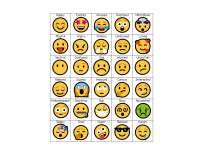
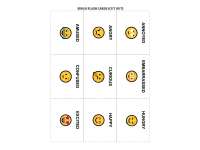
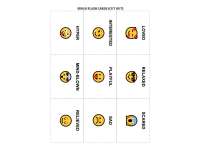
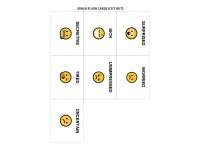
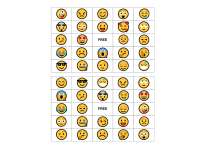
These emoji bingo cards are great for teaching emotions!
Related resources
More resources teachers may find useful
More resources on the same subject and topic.


In the classroom
Teaching tips & learning objectives

Learning objectives
Recognize and name a range of emotion vocabulary words (e.g., amused, mind-blown, embarrassed, nauseated) during a bingo-style matching game.
Listen for a called emotion word and match it to the correct square on a bingo board.

Teaching tips
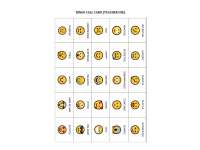
Use the teacher call card to randomly call emotion words, since it lists all 25 in one place.
Pre-teach unfamiliar words (e.g., "mind-blown," "unamused," "nauseated") before play, since vocabulary difficulty varies widely across the grid.
Use the cut-out flash cards for a separate matching or vocabulary-review activity outside of full bingo play.

Skills covered
Emotion vocabulary recognition — students identify 25 named feelings (e.g., amused, furious, embarrassed) on a bingo grid as they are called.
Listening and matching — students listen for a called emotion word and locate the matching square on their board.
Good to know
Questions teachers ask about this resource
The board includes both "Amused" and "Unamused" as separate emotion words — how can students tell them apart quickly during play?
The file does not explain the distinction directly; a teacher would need to briefly define each term before play since the words look similar but describe near-opposite feelings.

No reviews yet
Downloaded this resource? Tell other teachers how it went.
Resource details
Concepts & topics
 Core concepts
 Topics
Explore more
Categories this resource belongs to
Explore related searches


More to explore