Design a Park: Geometry and Budgeting Project




- Grades
- Grades 5–8
- Pages
- 4
- File type


- Subject
- Measurements, Division, Multiplication and Division, Geometry, Math
- Resource types
- Word Problems, Activities
From the author
About this resource
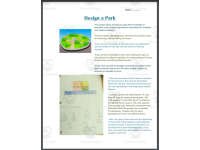
This math project allows students in 5th, 6th, 7th, or Grade 8 to apply their knowledge of perimeter, area, volume, financial literacy, and decimal calculations to a realistic & creative situation: planning a fun new park!
They will design a new park that includes different areas for swimming, playing, eating, resting, walking, and even skating!
Students will
use their knowledge of perimeter of right-angled shapes when planning the size and shape of the park & the amount of fencing required
use their knowledge of area when splitting the park up into different sections for activities
use their knowledge of volume when considering filling the pool in their park
use their knowledge of money math/decimal calculations when determining the grand total price of the entire park project. Each section has a different cost- a great introduction to unit rate. For example, paths are much less expensive than a playground, while grassy areas cost less than the swimming pool does.
I ask my students to calculate by hand, but you can allow yours to use a calculator as well.
This project gets students using their creative and logical problem solving skills, organizational skills, careful calculating methods, and neat drawing and colouring.
It is a great project to use for a summative assessment at the end of a unit or to show parents at parent-teacher conferences.
What's Included:
A total of 4 pages in PDF format: Ready to print and use!
Title Page, 2 Page Worksheet, 1 Page Grid
Grades to Use With:
This math project could work in grades 4-8 in regular math classes. It could also be used in high school special education classes.
Transformation Design with Rubric
Math Mini Unit: Converting Scores into Percentages
Math Project: Create Your Dream Store
Related resources
More resources teachers may find useful
More resources on the same subject and topic.


In the classroom
Teaching tips & learning objectives

Learning objectives
- Apply perimeter, area, volume and decimal calculations to a constrained design.

Teaching tips
- Compare two plans with the same boundary length before discussing why their usable areas differ.

Skills covered
- Mathematical modelling — turn the park layout into area, perimeter, volume and cost calculations.

No reviews yet
Downloaded this resource? Tell other teachers how it went.
Resource details
Core concepts
Core concepts
 Core concepts
- Area and perimeter
- Volume
- Budget constraints
Explore more
Categories this resource belongs to
Explore related searches




More to explore