Mood Music--Printable Coping Skill and Music Activity for Resiliency Skills


- Grades
- Grades 2–4
- File type
- Preparation
- Print ready


- Subject
- Social Emotional Learning (SEL), Life Skills, Special Resources
- Topic
- Music, Coping Skills
- Resource types
- Worksheets
- Preparation
- Print ready
From the author
About this resource
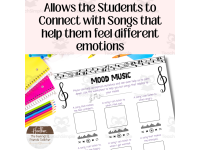
This comprehensive resource, delivered in a worksheet format, is designed to merge music with the development of coping skills - two crucial elements for maintaining balanced emotional health. Primarily intended as an additional special resource or supplement to life-skills lessons in social-emotional learning.
Main Features
- Gives learners the chance to reflect on music that impacts their feelings deeply,
- Serves as a tool for students to track different songs that could aid them in dealing with future emotional hurdles,
- Serves as both an engaging exploration activity and an ongoing reference point.
The Worksheet helps expand self-regulatory practices while emphasizing something they love - music.
Versatility
This unique blend of combining music while building emotional strength lends itself to widespread application potential within various classroom settings. It accommodates both individual explorations and cooperative discoveries amongst groups of peers.
Potential Usage Scenarios:- Morning meetings,
- Counseling group sessions, ,
- Individual sessions with students who require resilience skill-building activities.
Convenient PDF Format
The worksheet is delivered in convenient PDF format which ensures easy access across devices. This makes physical printing or virtual lesson delivery hassle-free! To conclude, this Mood Music Worksheet allows substance-focused teaching methods to blend seamlessly with music insightfully engaging elementary school students.Related resources
More resources teachers may find useful
More resources on the same subject and topic.


In the classroom
Teaching tips & learning objectives

Learning objectives
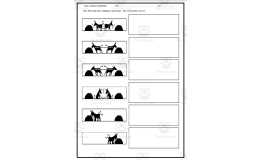
Match a song they already know to each of nine named feelings
Name specific songs to turn to when feeling sad, angry, worried or nervous, building a personal list to draw on later
Distinguish between a song that creates a feeling and a song that helps with one
Recognise that some music makes a mood worse, using the annoyed box as the worked case

Teaching tips
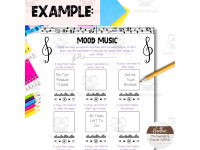
Model one box with a song the whole group knows before students start - a blank grid is hard to begin from cold
Only one page of the file is the student sheet, so set the print range before running off a class set
The four when-I-feel prompts are the ones worth revisiting weeks later, since a coping list only works if the student still remembers what is on it
Treat the annoyed box as a discussion point about what not to put on in a difficult moment rather than as an odd question
Because students supply their own titles, agree beforehand how songs with explicit lyrics will be handled

Skills covered
Naming emotions - the nine prompts put confident, sad, angry, happy, worried, annoyed, calm, nervous and excited on one page as separate states to be matched to a song.
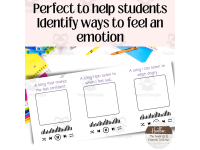
Building a personal coping plan - four boxes ask which song a student would choose when already sad, angry, worried or nervous, which turns the sheet into a short list of regulation strategies in their own words.
Noticing how music affects mood - the sheet opens by stating that music can help us express ourselves and calm down, and several boxes ask which song produces a feeling rather than answers one.
Recognising an unhelpful choice - one box asks for a song that makes the writer annoyed, so the activity also names music to avoid when already struggling.
Good to know
Questions teachers ask about this resource
How do the nine prompts differ from one another?
Two kinds sit side by side. Some ask which song produces a feeling - confident, calm, excited, happy, annoyed - and others ask which song a student would put on while already feeling something: sad, angry, worried or nervous. Working that difference out with students is much of the value of the sheet.
What does a student need to have before the sheet works?
Songs they already know. No titles are supplied and nothing is played from the file, so the activity draws entirely on a student's own listening; a quick warm-up naming a few favourites helps anyone who stalls at a blank box.

No reviews yet
Downloaded this resource? Tell other teachers how it went.
Resource details
Concepts & topics
Core concepts
 Core concepts
Coping skills
Emotional regulation
Identifying feelings
Music
 Topics
Explore more
Categories this resource belongs to
Explore related searches


More to explore