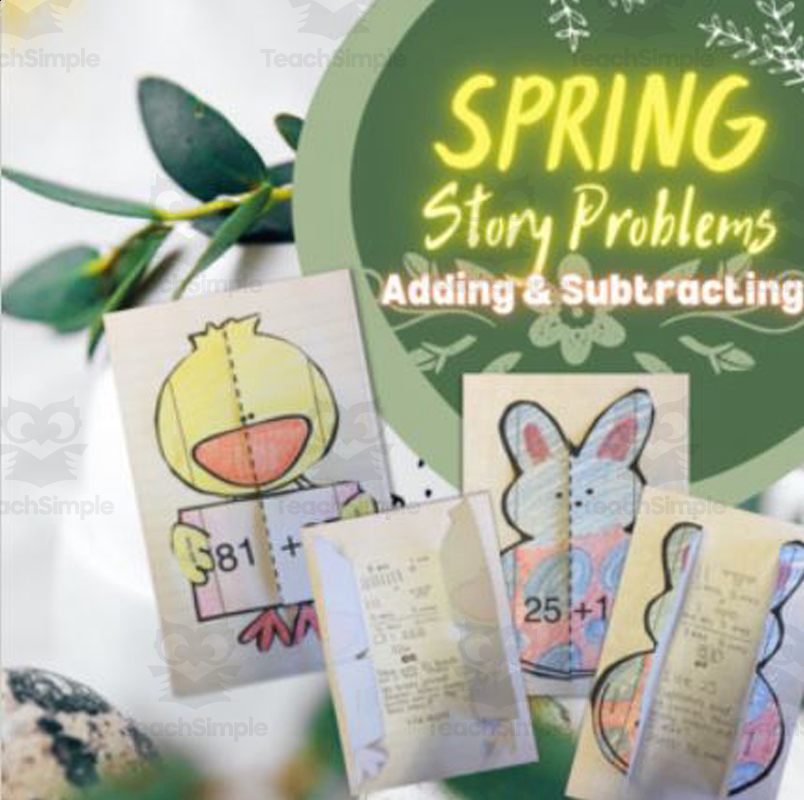
Addition & subtraction stories
Addition and Subtraction Story Problems
Spring-themed 'craftivity' story-problem worksheets that combine addition/subtraction practice (grades K-2) with a cut-and-fold paper craft and creative writing.




Classroom resources
Start with short math stories that use familiar situations and manageable numbers. Practice adding, taking away, equal groups, money and time before moving into mixed review and simple fraction problems.
Browse by lesson focus
Choose the topic or kind of practice you need.
Showing 1–24 of 554 resources

 Show filters
 Spring-themed 'craftivity' story-problem worksheets that combine addition/subtraction practice (grades K-2) with a cut-and-fold paper craft and creative writing.

A Kindergarten-level workbook that teaches and practices addition (and, per the source's overview, subtraction) with numbers up to 18 through themed activity pages, fact-family wheels, a story problem, and multiple-choice practice tests.
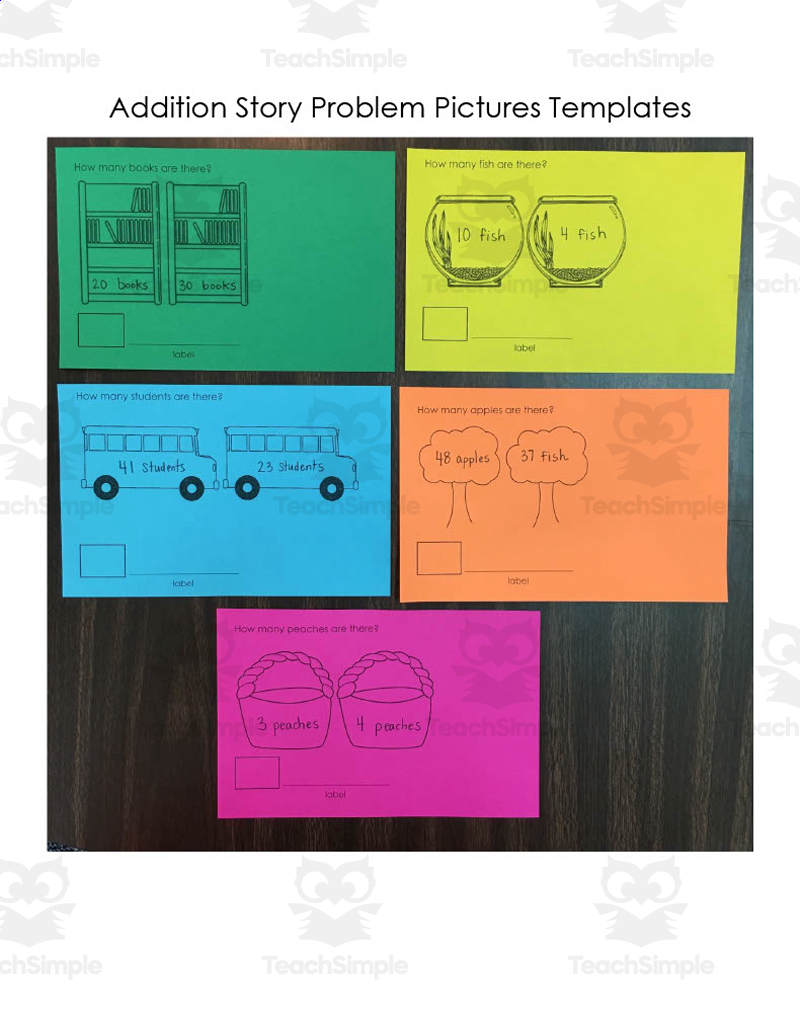
Provide blank picture-based story-problem templates teachers can customize with their own number partners for addition practice, including regrouping.

Practice solving simple subtraction word problems using single-digit numbers.
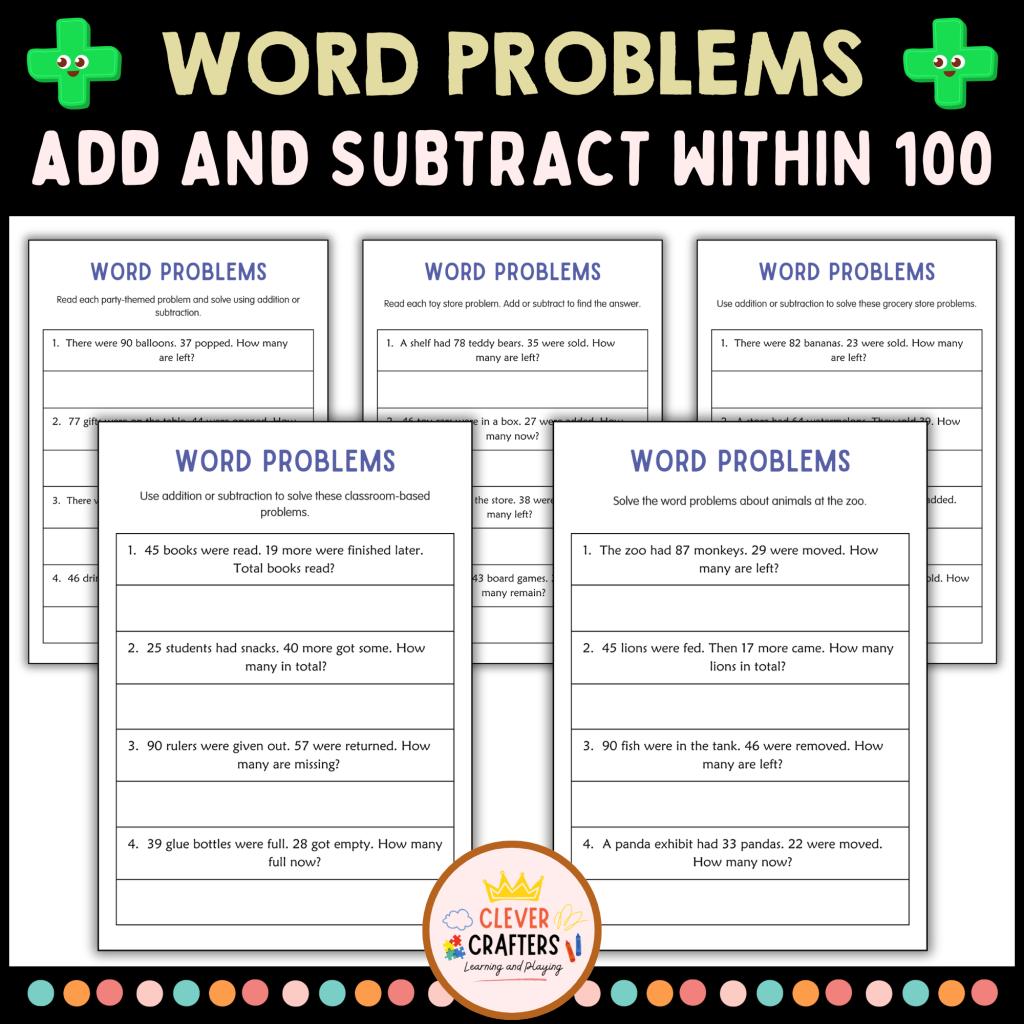
Practice solving addition and subtraction word problems with numbers within 100.

A 2-page decimal operations quiz/assessment (addition, subtraction, multiplication, division) that has students estimate before calculating, plus real-world word problems, with a complete answer key for grading.

Practice solving addition word problems involving three single-digit addends.
Multiplication and Division Story Problems Introducing the Multiplication and Division Story Problems. Specially designed for educators, this teaching resource aims to engage students' interest in math through a fun, spring-themed activity. Ideal for Kindergarten students up to Grade 2 level, it encompasses the core learning subjects of…
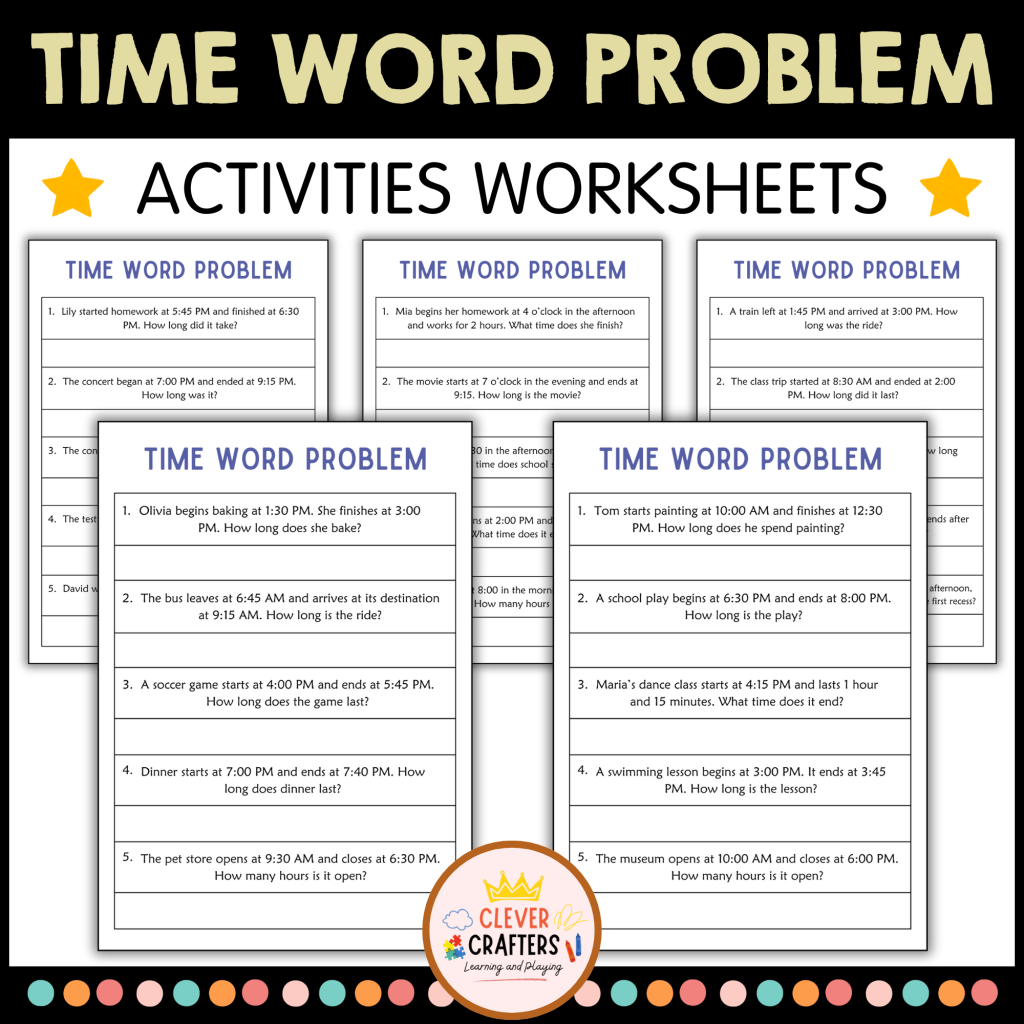
Math worksheet set teaching elapsed-time word problems.

Apply elapsed-time calculation skills to short narrative word problems, some paired with clock diagrams.
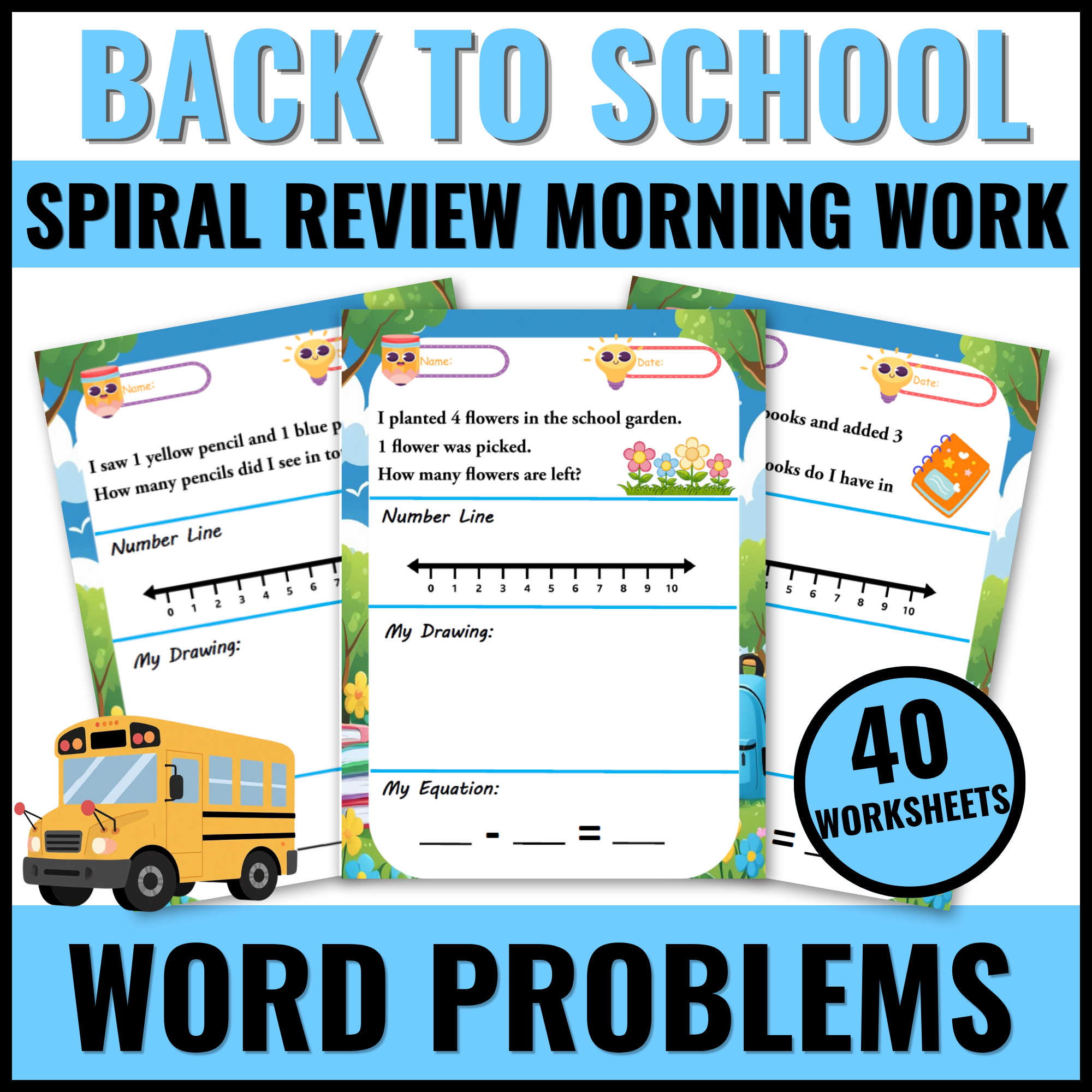
A set of kindergarten addition and subtraction word-problem mats for morning work, spiral review, or assessment.
Give students repeated practice recalling multiplication facts for the 10 times table.
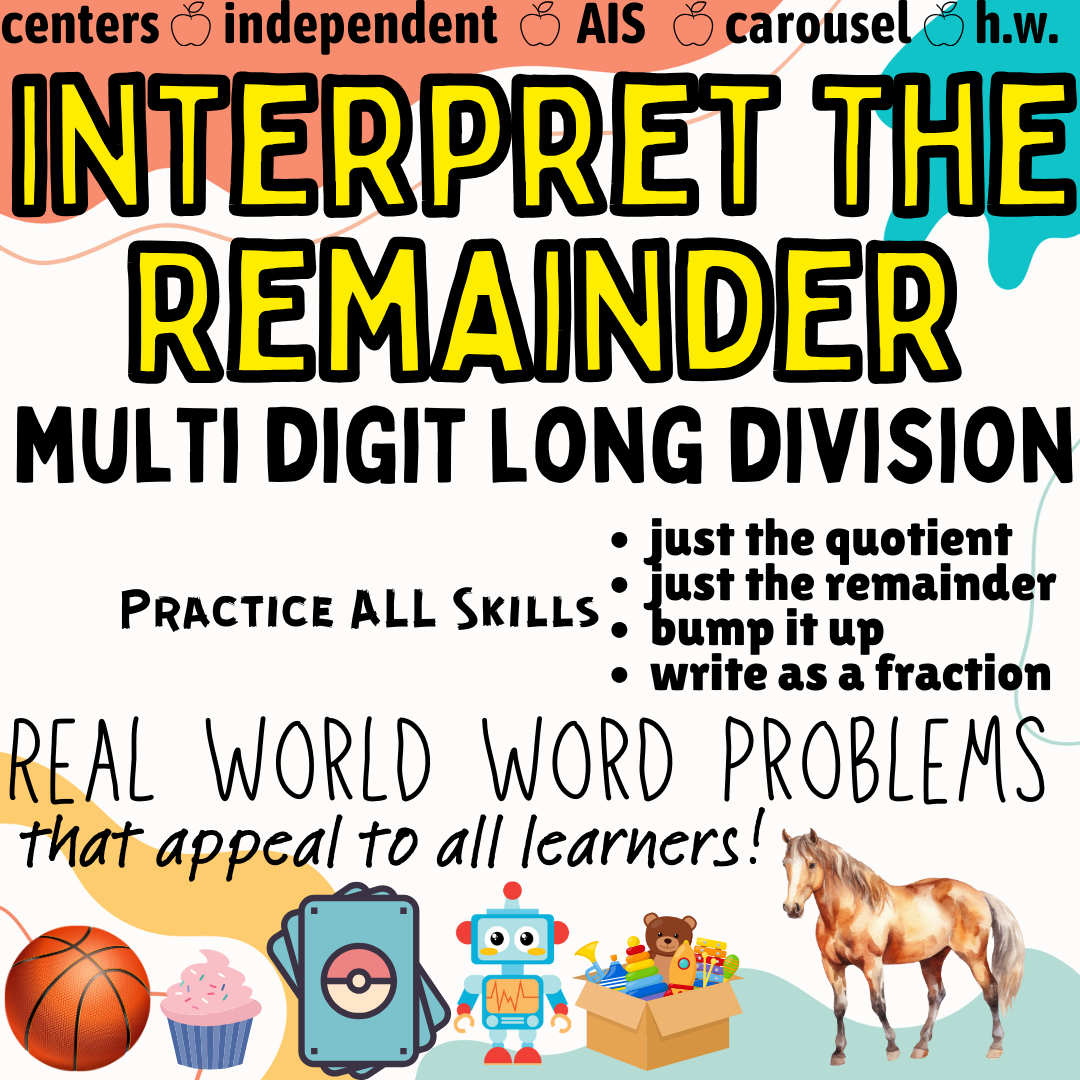
What does understanding the quotient really mean? How can students apply the quotient and its remainder in different ways to better understand and solve word problems? Use these FOUR strategies that work for all multi step word problems to interpret remainder after you’ve divided. Mastering the skill of interpreting remainders requires…
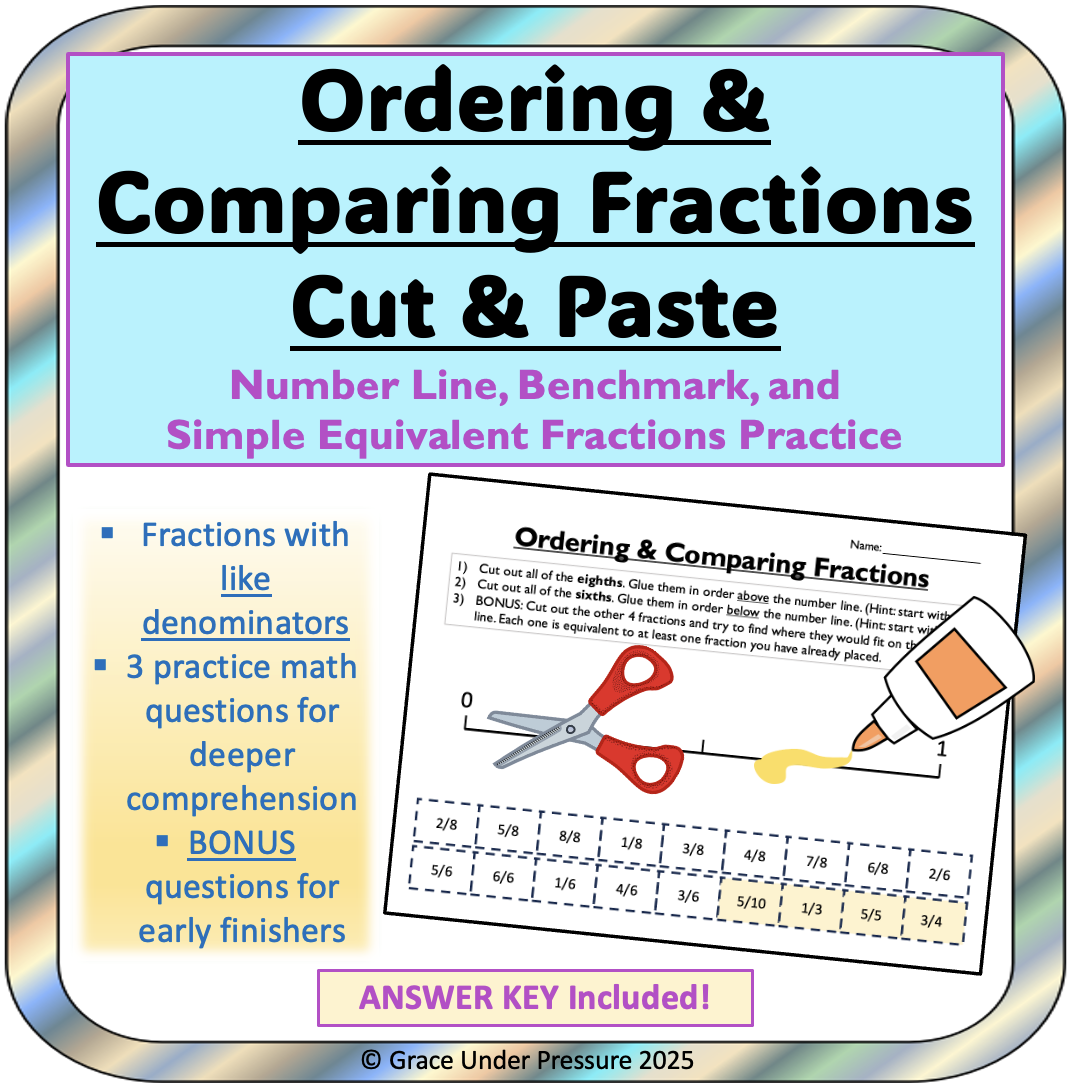
Assess and build understanding of ordering and comparing fractions using a cut-and-paste number line activity plus comprehension/word-problem questions.

Review multiplication by nine through timed calculations, cut-and-paste matches, and answer-based coloring. A multiplication chart and test sit alongside the practice activities in the packet, with answer keys for checking. Select activities to match the amount and kind of repetition your students need.
Give students repeated practice recalling multiplication facts for the 12 times table.
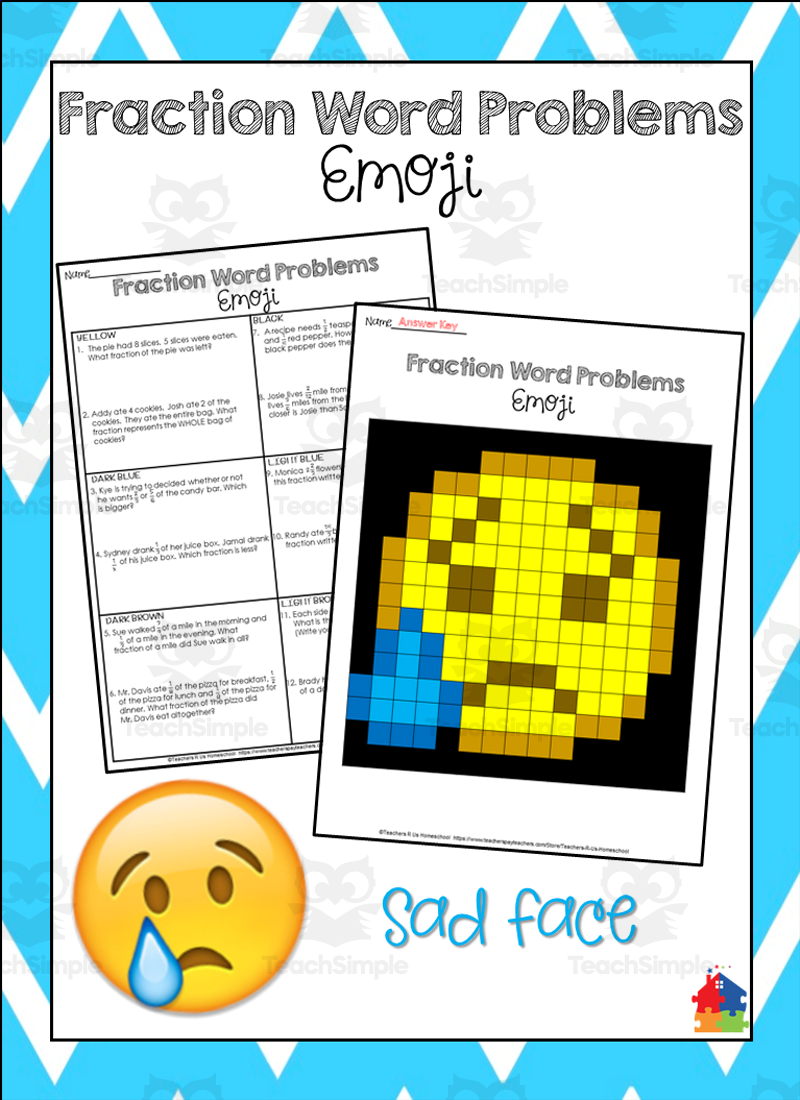
Solve fraction word problems, then use the answers and a color key to color a grid and reveal a sad-face emoji picture.
Two practice sheets (Part A and Part B) of word problems requiring students to multiply fractions and mixed numbers in real-world contexts, aligned to Common Core standard 5.NF.06.

Four remainder-interpretation strategies — Drop It, Use It, Add It, and Keep It — are each explained with teacher notes describing when to apply them, then practiced through a modeled example and a matching word problem that students solve and illustrate. A 'Match It' page has students pair word problems with their correct division model, a 'Write It' page asks students to compose and solve their own word problem for each of the four categories, and a six-question 'Test It' mastery check closes the booklet. A complete answer key follows, showing worked division and the correct strategy applied to every practice page and mastery-check question.
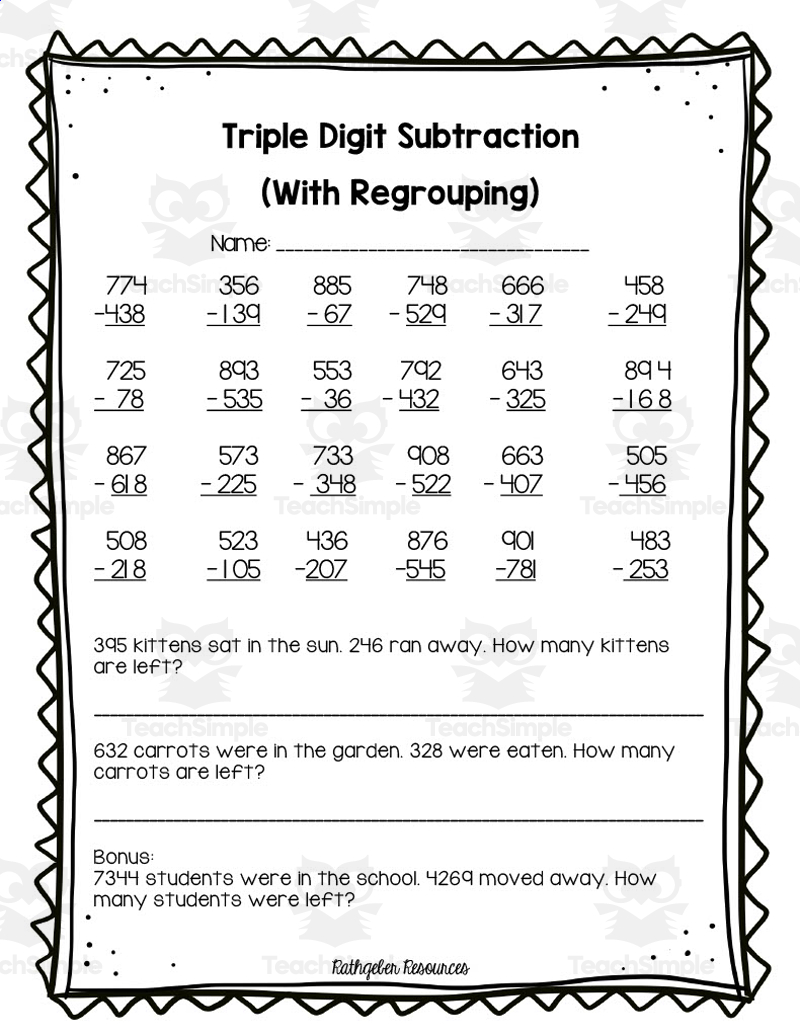
Students solve 24 vertical subtraction calculations arranged in four rows of six, using three-digit starting numbers and regrouping. Two word problems apply subtraction in context, followed by a four-digit bonus problem. The separate answer page gives final answers; students show their own borrowing marks and steps. Students who need to build up to triple-digit problems can start with addition and subtraction regrouping practice that steps from single-digit facts through three-digit regrouping in one set.
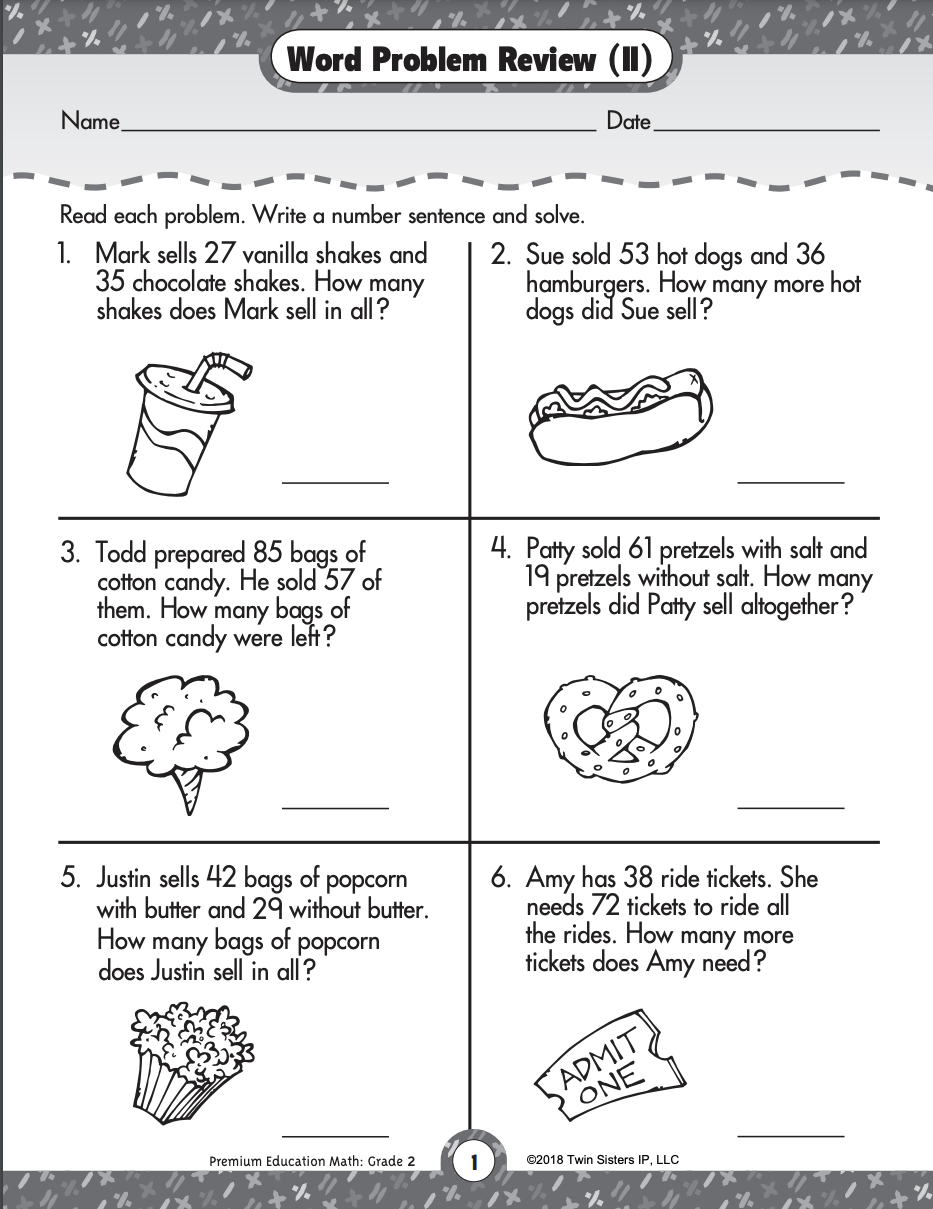
Provide Grade 2 practice worksheets on place value (hundreds, tens, ones) and 3-digit addition/subtraction, including word problems.
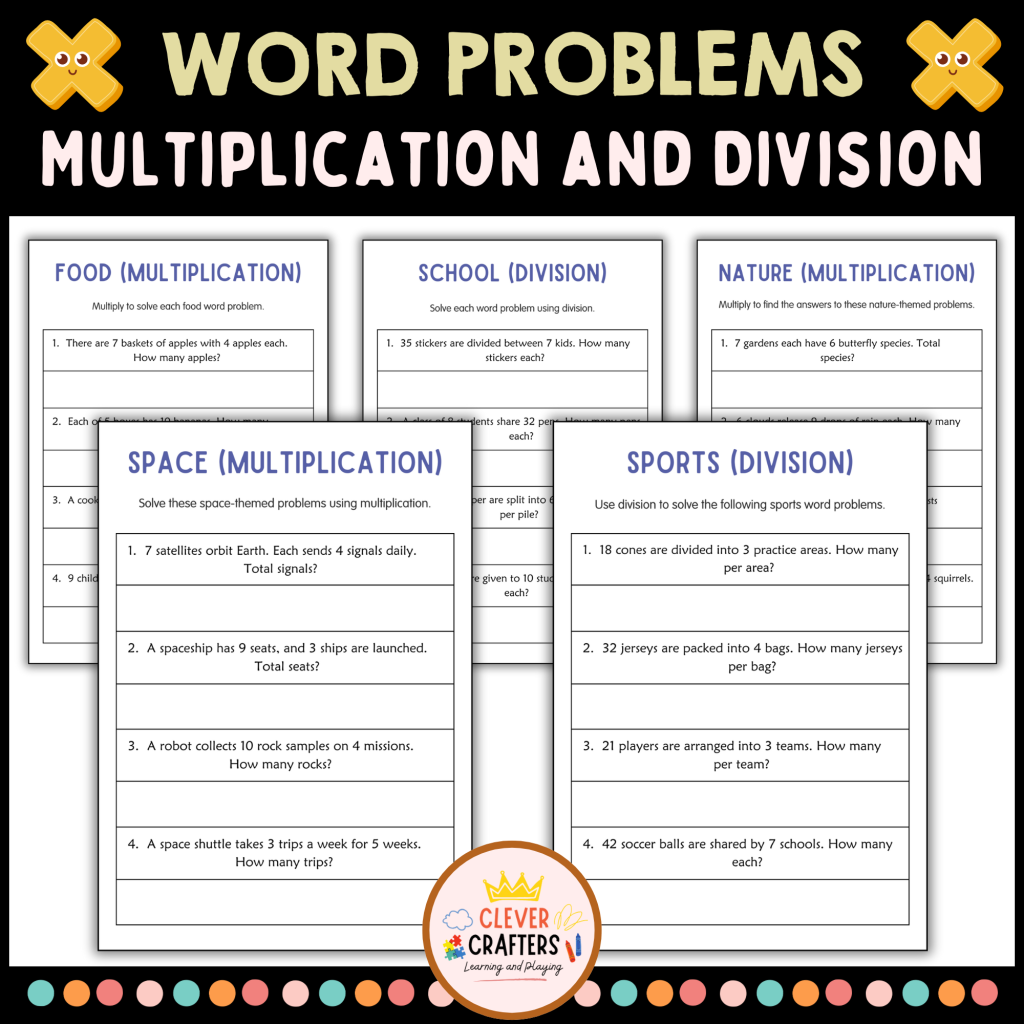
Give students practice solving multiplication and division word problems set in everyday, themed contexts.
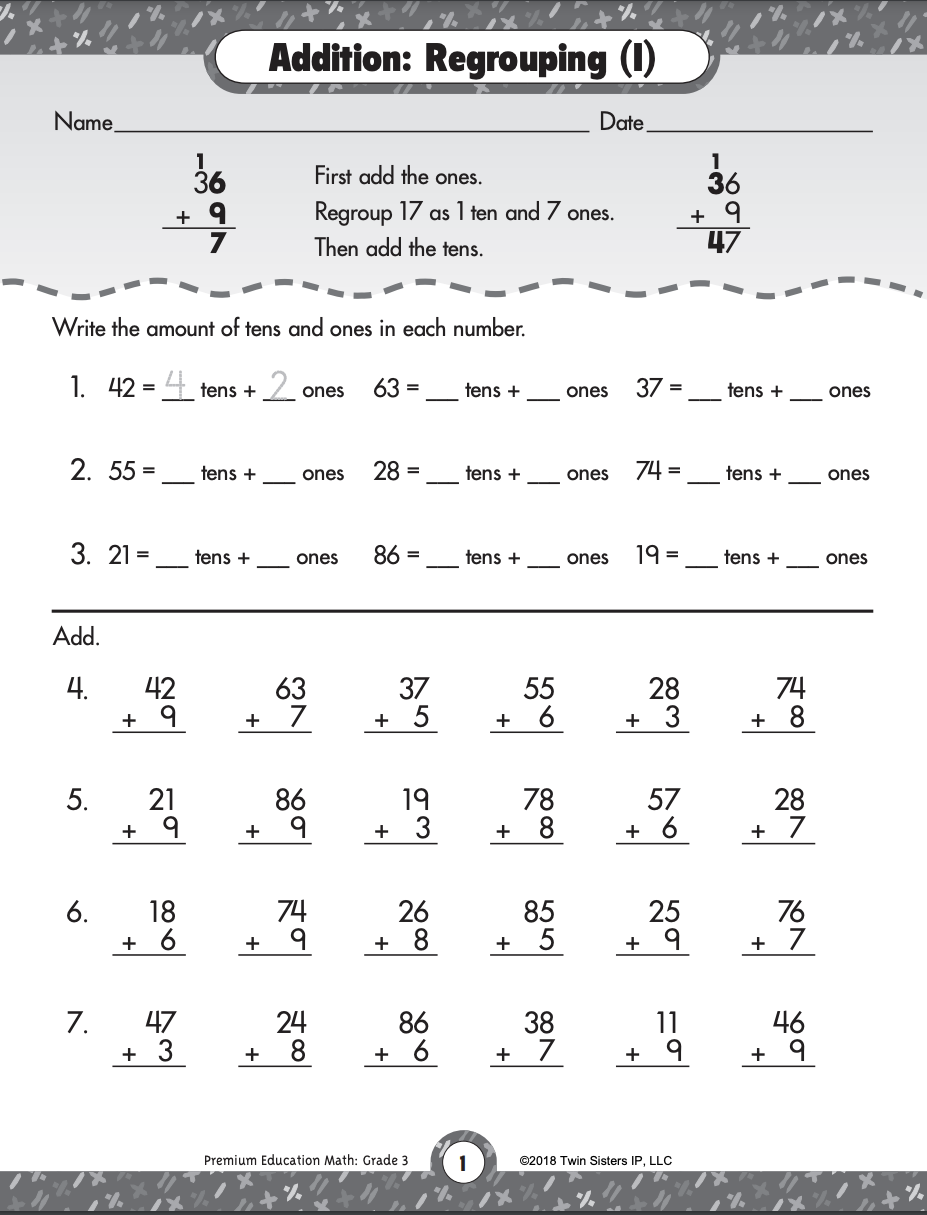
This Grade 3 workbook combines worked examples with computation and word problems. Addition and subtraction progress from two-digit work into three-digit calculations; later pages cover place value through ten thousands, rounding, estimation, comparing numbers and number patterns. Multiplication pages introduce repeated addition, factors and products, facts using 0–5 as one factor, missing factors and word problems. Select pages to match prior learning rather than assigning the entire workbook as one skill practice.
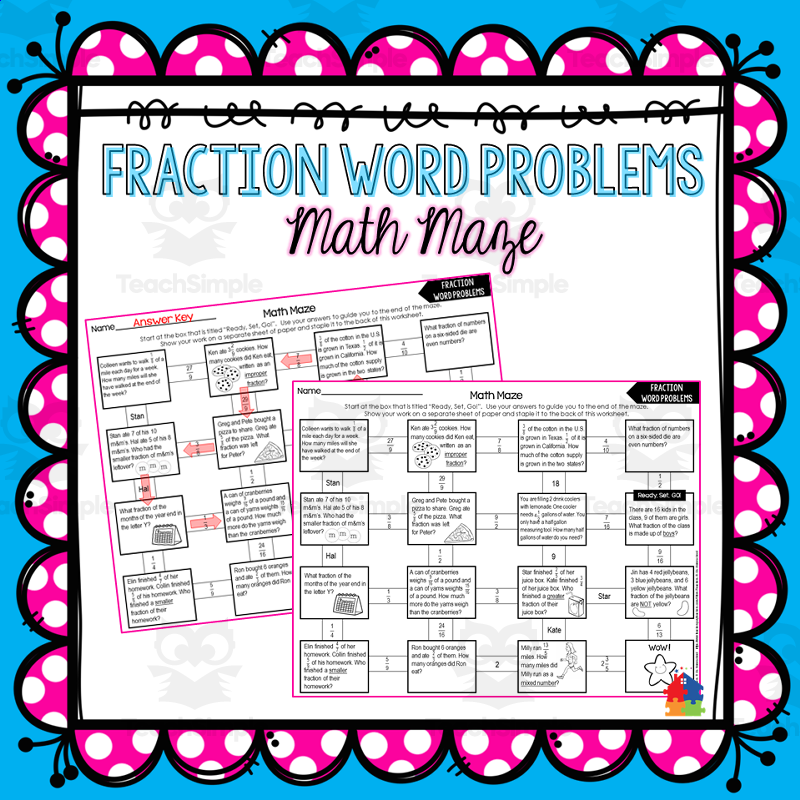
Self-checking maze-format worksheet giving students practice solving fraction word problems.