resources by type
resources by grade
resources by subject
other resources

2,896 products added recently

Page 78 - 2nd Grade Worksheets

Provide your second graders with worksheets that promote growth in literacy, numeracy, and critical thinking. These resources align with curriculum standards and offer engaging activities. Incorporate them to strengthen understanding and encourage enthusiasm for learning.

Relevant
alt down
Any Time
alt down
filter by
alt down
All File Types
alt down
filter nav Show filters
Sort by: Relevant
CLEAR
resources by type
Activities
down arrow
Classroom Decor
down arrow
Teacher Tools
down arrow
Worksheets & Printables
up arrow
Drawing Templates & Outlines
Flashcards
Novel Studies
Parts of and Anatomy of
Task Cards
Word Problems
Writing Prompts
Worksheets
up arrow
Coloring Pages
Crosswords Puzzles
Dot To Dots
Mazes
Word Searches
Workbooks
resources by grade
Early Learning
down arrow
Pre-K
down arrow
Elementary
up arrow
Grade 1
Grade 2
Grade 3
Grade 4
Grade 5
Middle School
down arrow
High School
down arrow
Adult Education
Not Grade Specific
resources by subject
Creative Arts
down arrow
ELA
down arrow
Holiday & Seasonal
down arrow
Life Studies
down arrow
Math
down arrow
P.E. & Health
down arrow
Social Studies
down arrow
Special Resources
down arrow
Science
down arrow
Foreign Languages
down arrow
Resources for Teachers
down arrow
other resources
Common Core
Homeschool Resources
down arrow
Montessori
Research
STEM
Helicopters Reading Comprehension Passage - Cored Ed Encyclopedia

Helicopters Reading Comprehension Passage - Cored Ed Encyclopedia
ELA, Language Development, Resources for Teachers, Reading Comprehension, Reading, Pre-Reading, Writing, Strategies, Technology, Science, Grade 2, 3, 4, 5, Worksheets & Printables, Worksheets, Teacher Tools, Centers, Activities, Writing Prompts, Assessments, Tests, Quizzes and Tests, Quizzes

This helicopters reading comprehension contains the following: Pre-Reading Trivia Students will write down one thing they already know about the subject and then read five more facts and discuss. These facts are fun, and the students will enjoy learning about the subject before reading more. Reading Passage The text is a high-interest reading passage with set paragraphs, roughly three to four paragraphs long. It contains a variety of themes about the topic, anywhere from history to technology. The passage is between 250 and 350 words in length. Mixed Questions The first question page contains four multiple-choice questions, each with a choice of four answers, and three written response questions that require a sentence or two from the student. Creative Writing In this question, the student will be required to write a five to eight sentence paragraph on a question related to the topic. Extension Activities This page is optional for fast finishers. If there are five to ten minutes left at the end of the lesson, the student can choose one of three activities, each one requiring a different skill. Answer Key There are answers for the multiple-choice questions and three written response questions have sample answers. FULL CATALOG OF DOWNLOAD LINKS AND ENCYCLOPEDIA INDEX HERE Lesson Snapshot Title: Helicopters Genre: Nonfiction (informational text with headings) Subject: Reading (Informational Text) / Science & Technology Primary Topic: How helicopters fly and what they do Estimated Guided Reading Level (A–Z): O Support pages present: Pre-reading trivia, mixed questions, creative writing, extension activities, answer key (plus a QR/index page). What This Lesson Teaches Best Explains how helicopters can move differently than most airplanes (rise straight up, drop straight down, hover, slide sideways, scoot backward). Teaches the basic idea of lift in a helicopter by describing spinning rotors/blades and how pilots change blade tilt to move. Describes a problem caused by the main rotor spinning and how a tail rotor (or two opposite-spinning rotors) helps stop unwanted spinning. Connects early ideas about vertical flight (a Chinese bamboo spinning toy; Leonardo da Vinci’s “air screw” sketch) to modern helicopter uses. Builds knowledge of real-world purposes for helicopters (rescue, carrying injured patients to hospitals, fighting fires with water buckets, lifting equipment with cables). Learning Goals Students can describe at least three ways a helicopter can move, based on the text. Students can explain that helicopters use spinning rotors/blades to make lift and move through the air. Students can describe why many helicopters use a tail rotor, using details from the passage. Students can identify two examples of early clues/ideas about vertical flight mentioned in the text. Students can name and describe at least two jobs helicopters do today that the passage lists. Key Vocabulary From the Text rotorcraft — an aircraft that uses spinning rotors. hover — stay in one place in the air. blades — long parts that spin on top. vertical — straight up and down. cables — strong lines used to lift equipment. Cored Ed Encyclopedia Overview The Cored Ed Encyclopedia is a weekly series of lessons that you can pick up and use right away. These short readings fit into whatever time you have available. Each one includes a warm-up, a reading, and a set of questions, but it’s flexible — you can do just the reading, the full lesson, or skip the writing section if you need to. Each lesson focuses on a single topic so students don’t get lost. The writing is clear but never childish, making it perfect for grades two through five. Topics range from animals and science to history, inventions, and everyday things. No matter the level of the student, everyone should take away at least one new idea or fact from each lesson. The materials are easy to print, easy to explain, and require no setup. They work well for whole-class teaching, partner work, or independent study.

Author Cored Education

Rating

Tags Vocabulary, Spelling, Reading Comprehension, Reading Passages, Reading, Creative Writing, Reading Strategies, Writing Prompts, Technology, Helicopters

Sight Word Fluency Packet - tell

Sight Word Fluency Packet - tell
ELA, Reading, Grade 1, 2, Worksheets & Printables, Worksheets

Sight Word Fluency Practice for "tell" This reading fluency resource provides differentiated practice pages for students to improve recognition, spelling, and reading comprehension of the high frequency word "tell." The packet includes three no-prep printable worksheets that can be used for independent practice, small groups, homework, or literacy centers . The pages incorporate "tell" into fluency passages that students will read, write, copy, spell, and illustrate. Repetition builds familiarity with the sight word to support word recognition automaticity in continuous text. Teachers can differentiate instruction by assigning pages based on students' needs: - Struggling readers can simply locate and read "tell" within a passage. - Students needing more writing practice can write "tell" within sentences and passages. - An illustration page integrates reading, writing, copying, and drawing to check comprehension. With multiple exposures to "tell" in context, students gain experience with the word's meaning, grammar, and usage while improving overall reading fluency.

Author The Connett Connection

Tags Sight Words, Sight Word Tell, Sight Word Reading Passages, Sight Word Stories, Reading Homework, Sight Word Worksheets, Fry Sight Words, High Frequency Words, Reading Fluency Passages

Countries of the World: Scotland Interactive Foldable Booklets - EBOOK

Countries of the World: Scotland Interactive Foldable Booklets - EBOOK
Social Studies, Geography, Grade 2, 3, 4, 5, 6, 7, 8, 9, 10, 11, 12, Worksheets & Printables, Worksheets

Countries of the World: Scotland Interactive Foldable Booklets - EBOOK This is a highly interactive teaching resource provided in a convenient PDF format, suitable for grades 2 to 12. This e-book covers an in-depth exploration of Scotland spanning across 22 pages. Geography: Detailed examination of physical attributes and significant landmarks. Economy: Highlights major industries and trade relationships. Government: Insight into the structure of Scottish government. Culture: Explore traditions, customs and societal norms. This versatile resource can be used both for individual study or group activities in classrooms or homeschool settings. Its interactive nature involves cutting , folding, and pasting that enhances retention while fostering active participation among students. Additionally, it can also be used as a comprehensive homework assignment spurring independent research about various aspects of Scotland! The Interactive Experience: Foldable Feature The notable foldability function promotes a multi-dimensional learning experience beyond mere reading. This actively engages students with hands-on application during lessons hence enriching their learning process considerably. In Summary: Packed with enlightening information, these fun interactive booklets serve as excellent resources within any educational environments endorsing holistic study approaches. They provide foundation-generating knowledge while stimulating critical thinking skills by incorporating real-world topics into lesson plans.

Author Knowledge Box Central

Tags Scotland, Geography, Economy, Government, Culture

Articulation Speech Therapy S Blends Puzzles Codebreakers Crosswords Word Searches Jumbles and More

Articulation Speech Therapy S Blends Puzzles Codebreakers Crosswords Word Searches Jumbles and More
ELA, Language Development, ESL, Grade 2, 3, 4, 5, 6, Word Searches, Worksheets, Worksheets & Printables

Are you looking for an engaging way to help your students improve their speech production of S blends? These Articulation Speech Therapy Puzzles are specifically designed to target S Blends. The puzzles offer a variety of activities such as crosswords, codebreakers, word searches , jumbles, word matches, anagrams, and more. Not only will these puzzles keep your students motivated and engaged, but they also provide targeted practice for common speech sound production of sound blends such as "st," "sp," "sl," "sn," "sw" and "sm". Whether you're looking for individual or group activities or homework practice, these puzzles are versatile and easy to use - simply print them out and start helping your students improve their articulation skills today! Great for mixed groups with language goals too! The objective of using speech therapy articulation S blends puzzles is to help students with speech sound disorders improve their ability to produce S blend sounds accurately and effectively. Through targeted practice using a variety of engaging puzzle activities, students can develop their articulation skills and increase their confidence in speaking. Ultimately, the goal is to support students in achieving clear and effective communication in their everyday lives. ⭐These activities can be used for individual therapy or group work ⭐In person or assigned for homework practice ⭐Print and go ⭐Answer sheets included Great for second to sixth grade. Your students will love these fun puzzle. Your language groups will love these puzzles too. Great for mixed groups!

Author Ivybee Speech

Tags Speech And Language Therapy, Articulation, ELA, ESL, Speech Sound Disorder, Phonemes, Speech, Puzzles, Critical Thinking, Vocabulary, Hispanic Heritage Crossword Puzzle

Reading Comprehension Passages Fiction Set 7 - Sports (Word)

Reading Comprehension Passages Fiction Set 7 - Sports (Word)
ELA, Reading, Reading Comprehension, Common Core, Vocabulary, Language Development, Grammar, Children’s Literature, Literature, Resources for Teachers, Grade 2, 3, Worksheets & Printables, Worksheets, Writing Prompts, Assessments, Teacher Tools, Tests, Quizzes and Tests

Reading Comprehension Passages Fiction Set 7 Overview Fascinating reading comprehension passages, each with an array of activities included. Stories are written for the modern classroom and topics are designed to promote enthusiasm from each student. Each lesson contains a mixed questions section to check understanding, a vocabulary or spelling activity to help remember key language introduced, and a writing exercise. Full answer keys are provided. For a more detailed overview, check the section under the links at the bottom of this description. Passages Include 1.Catch It, Dan: Dan is at the ball game and wants to catch a foul ball. 2.Feeling Left Out: Polly isn't invited bowling by her friends and wants to knowwhy. 3.Ian's Friday Nights: Ian wants to be anywhere but the bleachers on Friday nights. 4.Aimee's Dilemma: Soccer or cheerleading? That is the question. 5.A Great Team: Adam & Justin both want to play first base. How will they sortit? 6.Ana's Swimming Party: Jodie can't swim and doesn't want her friends to find out. 7.Touchdown Pythons: Serena loves her first football game. 8.Sam's Passion: Sam talks about his passion for Karate in this passage. 9.Where's My Board: Kerry spends all the story looking for her skateboard. 10.Lacey the Runner: Lacey has dreams to run in the Olympics. Read to find out more. Additional File: Ana's Swimming Party: Invitation Templates Word Version This is the Word editable version. This download is available in GOOGLE Docs, GOOGLE Forms, GOOGLE Slides. PDF, PPT, WORD. FULL CATALOG OF DOWNLOAD LINKS HERE Grade 2/3 Links Fiction Set 1 - Nature Google Docs Google Forms Google Slides PDF PPT Word Guided Reading Materials Fiction Set 2 - Animals Google Docs Google Forms Google Slides PDF PPT Word Guided Reading Materials Fiction Set 3 - Food Google Docs Google Forms Google Slides PDF PPT Word Guided Reading Materials Fiction Set 4 - School Google Docs Google Forms Google Slides PDF PPT Word Guided Reading Materials Fiction Set 5 - Friends Google Docs Google Forms Google Slides PDF PPT Word Guided Reading Materials Fiction Set 6 - Family Google Docs Google Forms Google Slides PDF PPT Word Guided Reading Materials Fiction Set 7 - Sports Google Docs Google Forms Google Slides PDF PPT Word Guided Reading Materials Nonfiction Set 1 - Technology Google Docs Google Forms Google Slides PDF PPT Word Guided Reading Materials Nonfiction Set 2 - Nutrition Google Docs Google Forms Google Slides PDF PPT Word Guided Reading Materials Nonfiction Set 3 - Animals Google Docs Google Forms Google Slides PDF PPT Word Guided Reading Materials Reading Passages Overview Each passage is especially written for Grade 2-3 students, including key vocabulary required for this age group. Topics are varied and are accompanied by colorful graphics. Topics are meant to educate, yet entertain the modern student. These passages are perfect for the modern classroom. Whereas textbooks can become outdated in no time, any changes to technology or the world will result in updates to this product. Mixed Questions The mixed questions section of each lesson includes a variation of fivecomprehension, vocabulary and math questions. In addition, key reading strategies are frequently covered including cause & effect, summarizing, compare & contrast and making conclusions. Three of the questions will be MCQs and two will require a written response of some kind. Full answers and example responses appear at the end of the lesson. Spelling & Vocab Each reading passage contains a variety of words and phrases designed for Grade 2-3 students. Spelling and vocab activities provide the opportunity to build fluency with these words. As it can become quite mundane doing the same activities over and over, each lesson in a set will contain a different spelling and vocab activity . Writing Prompts Writing prompts are designed to continue the theme or lessons learned in the story. Students are persuaded to write in a variety of ways and each prompt includes several cues to help. As with the spelling/vocab section, writing prompts will vary. This includes research pieces, reading responses, poetry and creative writing prompts. Full Answer Keys Full answer keys and sample responses are provided so no matter how busy you are, you know you're covered! Mixed question answers provide evidence from the text, math questions contain the relevant workings. Answers are designed for use by the teacher, but also suitable as a handout to the student. Additional File One lesson will have an additional file. This is something fun to extend the lesson with. For similar downloads and other frees, do check out Cored Group on TeachSimple.

Author Cored Education

Tags Elementary, Reading, Comprehension, Vocabulary, Answers, Ccss, Common Core, Spelling, Writing, Passages

Single Digit Subtraction Worksheets and Timed Assessments

Single Digit Subtraction Worksheets and Timed Assessments
Math, Addition and Subtraction, Subtraction, Preschool, Grade 1, 2, Worksheets, Worksheets & Printables

Single Digit Subtraction Worksheets and Timed Assessments The Single Digit Subtraction Worksheets and Timed Assessments are a comprehensive teaching resource for kindergarten, grade 1, and grade 2 students. This product boasts of less-stress subtraction worksheets, drills, and timed assessments within the number range of 0-10 - suggesting it as an all-rounded platform promoting knowledge gain at different learning stages. This instructional set offers different skill levels made specifically to accommodate various learning stages. Using this resource pack, students can track their progress in solving subtraction problems while simultaneously improving their speed. Inclusions A wide assortment of themed assessment pages ranging from racing cars to honeybees. Each theme comes with its unique number problem count escalating from twelve problems on a page till twenty-eight problems on others for added variety in engagement. An array of practice worksheets paired with each theme: visualize solving math equations through race car styled mazes or climbing ice cream scoops by deciphering algebraic riddles. Scheduled subtraction drills have been established ensuring frequent practicing focusing specifically on pairs like "1's & 2's", slowly progressing till "9's &10's". Flexible Nature Favourable for both classrooms as well as homeschool setups alike these materials can be assigned either for whole class sessions or split into smaller groups supporting individual attention catering also into weekly homework assignments expanding its scope multi-fold. In total there are twenty pages ripe with stimulating themes ready to make math an adventurous venture rather than a perceived dull topic transmuted into easily downloadable PDF format facilitating user ease making it one-stop-shop material for educators pursuing multifaceted teaching methods especially focusing on early year grades.

Author Quail Trail Products

Tags Subtraction Worksheets, Timed Assessments, Kindergarten Math, Grade 1 Math, Grade 2 Math

Science Reading Passages on Characteristics of Organisms (Word)

Science Reading Passages on Characteristics of Organisms (Word)
ELA, Reading, Reading Comprehension, Common Core, Life Sciences, Science, Nature & Plants, Biology, Animals, Insects, Grade 2, 3, 4, Worksheets & Printables, Worksheets, Assessments, Teacher Tools, Tests, Quizzes and Tests

Reading Passages on Characteristics of Organisms for Life Science (Biology) Characteristics of Organisms: Reading Passages Life Science (Biology): This vibrant collection of science reading comprehension passages is an ideal resource for seamlessly integrating science literacy into your classroom. Each intriguing text is accompanied by a diverse set of questions, adding depth and variety to the learning experience. With most of the preparatory work already completed for you, incorporating science into your curriculum has never been easier or more engaging. What's inside? Part 1 - Characteristics of Organisms Reading Passage 1: Animal and Plant Needs and the Environment Reading Passage 2: Environments, Ecosystems, and Organisms Reading Passage 3: Instincts, Behavior, and Survival Reading Passage 4: Plant and Animal Cells Reading Passage 5: Plant Structure, Function, and Survival Reading Passage 6: Animals, Plants, and Energy Reading Passage 7: Animal Needs and Animal Behavior Reading Passage 8: The Five Senses and Survival Product Info: 43 PAGES (US English with Answers) Word Version Teaching Duration: 3 Weeks Science Reading Comprehension Outline: Targeted for students in 3rd and 4th grades, these reading passages are enhanced with illustrations and graphs to elucidate critical points. Each lesson aligns with the Common Core State Standards, allowing you to integrate science reading practice effortlessly, knowing that minimal preparation is needed on your part. Each passage comes with a variety of questions in different formats, including multiple-choice formats, data analysis, and fill-in-the-blanks. The topics covered strike a balance between engaging content and core curriculum-based science subjects. Versatile in application, these lessons are suitable for a variety of settings such as whole-class instruction, morning activities, independent desk work, small group discussions, contingency plans for substitute teachers, homework assignments, or even special holiday-themed tasks. FULL CATALOG OF DOWNLOAD LINKS HERE Grade 3/4 Links: Physical Science Part 1 - Properties of Objects and Materials Google Docs/Slides/Forms PDF PPT Word Free Supplementary Pack Accompanying Videos Physical Science Part 2 - Position and Motion of Objects Google Docs/Slides/Forms PDF PPT Word Free Supplementary Pack Accompanying Videos Physical Science Part 3 - Light, Heat, Electricity, Magnetism Google Docs/Slides/Forms PDF PPT Word Free Supplementary Pack Accompanying Videos Life Science Part 1 - Characteristics of Organisms Google Docs/Slides/Forms PDF PPT Word Free Supplementary Pack Accompanying Videos Life Science Part 2 - Life Cycles of Organisms Google Docs/Slides/Forms PDF PPT Word Free Supplementary Pack Accompanying Videos Life Science Part 3 - Organisms and Environments Google Docs/Slides/Forms PDF PPT Word Free Supplementary Pack Accompanying Videos Earth Science Part 1 - Properties of Earth Materials Google Docs/Slides/Forms PDF PPT Word Free Supplementary Pack Accompanying Videos Earth Science Part 2 - Changes in the Earth and Sky Google Docs/Slides/Forms PDF PPT Word Free Supplementary Pack Accompanying Videos Earth Science Part 3 - Objects in the Sky Google Docs/Slides/Forms PDF PPT Word Free Supplementary Pack Accompanying Videos For similar products and other frees, do check out Cored Group on TeachSimple .

Author Cored Education

Rating

Tags Science, Elementary, Reading, Comprehension, Vocabulary, Answers, Life Science, Biology, Science Assessments, Reading Comprehension Assessments

Classroom Subject Signs Set 2 - Classroom Decorations - EBOOK

Classroom Subject Signs Set 2 - Classroom Decorations - EBOOK
, Preschool, Kindergarten, Grade 1, 2, 3, 4, 5, 6, Classroom Decor, Worksheets & Printables, Worksheets

Classroom Subject Signs Set 2 - Classroom Decorations - EBOOK This is an all-inclusive teaching resource suited for various learning environments from public schools to homeschooling scenarios. The product focuses on providing a stimulating and colorful ambiance for students studying Kindergarten through 6th grade. Variety: This robust set features 16 engaging subject signs of size 8.5x11 inch each, enhancing areas like Language Arts, English, Math, Science and more. Cute design: The vibrant two-toned chevron print with an adorable child figure brings a splash of color into the classrooms, reminding students that learning can be fun too! Alternate option: An additional set without the child image is also included for those desiring less decoration. Laminated after printing for increased durability; these subject signs act as effective visual aids that stimulate student understanding and engagement. Potential uses include: Bulletin Boards / Class Walls: Promote classroom organization by creating clear zones or corners related to different subjects studied throughout the day. Routine Scheduler: Showcase them prominently at front desks marking rotations during group learnings sessions allowing students see what topic they'll be shifting focus to next. Note: The product is downloadable worldwide in PDF format. Get your copy right now! In conclusion, Classroom Subject Signs Set2- Classroom Decorations – EBOOK provides an elegant yet functional approach to meet pedagogical needs, by adding aesthetic appeal into any classroom while fostering a nurturing space where young minds can grow fearlessly.

Author Knowledge Box Central

Tags Classroom Signs, Subject Signs, Classroom Decorations, Visual Aids, Classroom Ambiance

Coping Skills Cut & Paste Sorting Worksheets

Coping Skills Cut & Paste Sorting Worksheets
Special Resources, Social Emotional Learning (SEL), Life Skills, Grade 1, 2, 3, Activities, Worksheets & Printables, Worksheets

Coping Skills Cut-And-Paste Sorting Worksheets For Coping Skills School can be an emotional place for students and having the right tools to manage those feelings is essential. Enter the versatile Coping Skills Cut-And-Paste Sorting Worksheets – comprehensive resources that promote social-emotional learning. These worksheets are designed as an engaging way for students in grades 1 through 3 to reflect on healthy and unhealthy coping strategies they might use when dealing with heightened emotions. This activity comes ready-to-use, no additional prep work required! Each worksheet presents various coping skills, leaving it up to students to determine whether it's a healthy or unhealthy method of managing their feelings. By physically cutting out and sorting these elements, hands-on learners have an opportunity to actively engage with the concepts being taught. Apart from self-study sessions, these worksheets are flexible enough for whole group lessons or small group counseling sessions making them a versatile resource in classrooms or any educational settings looking into integrating life skills into their curriculum. Both individual needs and peer discussions can be addressed by incorporating this activity into different teaching dynamics. Moreover, this resource fits seamlessly within larger discussions about respect or back-to-school themes adding depth and practical exercises related to emotional regulation lessons. Cultivating Vital Life Skills: These worksheets help teach vital life skills like self-awareness and emotional regulation whilst encouraging active learning amongst young learners. As such, when confronted with those big emotions - confusion over a lesson plan or a conflict during playtime – children equipped with knowledge gained from this helpful tool would have healthier options readily available at their disposal. Potential Uses: Whether you're using them for morning meetings as an extension of themed topics or providing extra practice for individual students who need more focused guidance on handling emotions responsibly - these no-prep Coping Skills Cut-and-Paste Sorting Worksheets will surely prove themselves as invaluable teaching aids in facilitating crucial social-emotional learning topics. Target Grades: Grade 1-3 Subjects: Special Resources Subsubjects: Social Emotional Learning, Life Skills Type: Activities, Worksheets File Type:PD .

Author The Feelings and Friends Teacher

Rating

Tags Coping Skills, Emotional Regulation, Social-emotional Learning, Life Skills, Self-awareness, Coping Skill Worksheets

Printable Subject and Object Pronouns Grammar Worksheets for Grade 4

Printable Subject and Object Pronouns Grammar Worksheets for Grade 4
Grammar, Language Development, ELA, Grade 1, 2, 3, 4, 5, Worksheets, Worksheets & Printables

Introduction This Subject and Object Pronouns Worksheets helps learners understand how to correctly use pronouns in sentences. Through engaging grammar activities, students practise identifying subject pronouns and object pronouns, completing sentences, and improving their overall sentence structure. What’s Included: Activities for identifying subject pronouns (I, you, he, she, it, we, they) Practice using object pronouns (me, you, him, her, it, us, them) Fill-in-the-blank sentence exercises Sentence completion activities using the correct pronouns Grammar practice that improves sentence clarity and structure Easy-to-follow exercises designed for developing English learners Grades / Ages: Ideal for Grades 2–5 Implementation Format: Perfect for: • Grammar lessons • Classroom practice • Morning work • Small group activities • Independent learning • Homework assignments • ESL / EFL learners Answer Key: Not included File Type: PDF (Non-editable) Number of Pages: 8 pages total License: Paid product for personal or single-classroom use only Tags to Use: Subject and object pronouns worksheets, pronoun practice worksheets, grammar worksheets for kids, ESL pronouns practice, English grammar worksheets, subject pronouns, object pronouns exercises, elementary grammar worksheets

Author Clever Crafters

Rating

Tags Subject And Object Pronouns Worksheets, Pronoun Practice Worksheets, Grammar Worksheets For Kids

3-Digit Subtraction with Regrouping – Match Worksheet

3-Digit Subtraction with Regrouping – Match Worksheet
Math, Addition and Subtraction, Subtraction, Grade 2, 3, Worksheets & Printables, Worksheets

This is a 3 Digit Subtraction with Regrouping Matching Worksheet. There are 10 problems for students to complete. Students will solve the problem and find the correct puzzle piece. This worksheet can be printed in color or black and white.

Author That One Cheerful Classroom

Rating

Tags Matching, Puzzles, Math Homework, Regrouping, Subtraction, 2-digit Subtraction, Word Problems, Math Centers, Small Group

Primary Reading Prompts - Task Cards

Primary Reading Prompts - Task Cards
ELA, Reading, Grade 1, 2, 3, Worksheets, Worksheets & Printables

Reading Center task cards ensure reading fluency and comprehension skills as students increase their vocabulary. Reading strategies are used to increase student understanding and ensure engagement in independent reading. The activity prompts presented in this resource encourage students to read with a purpose so that they can become successful readers.

Author Classroom Complete Press

Tags Reading, Prompts, Skills, Task Cards, Comprehension, Strategies, Fluency, Vocabulary, Primary

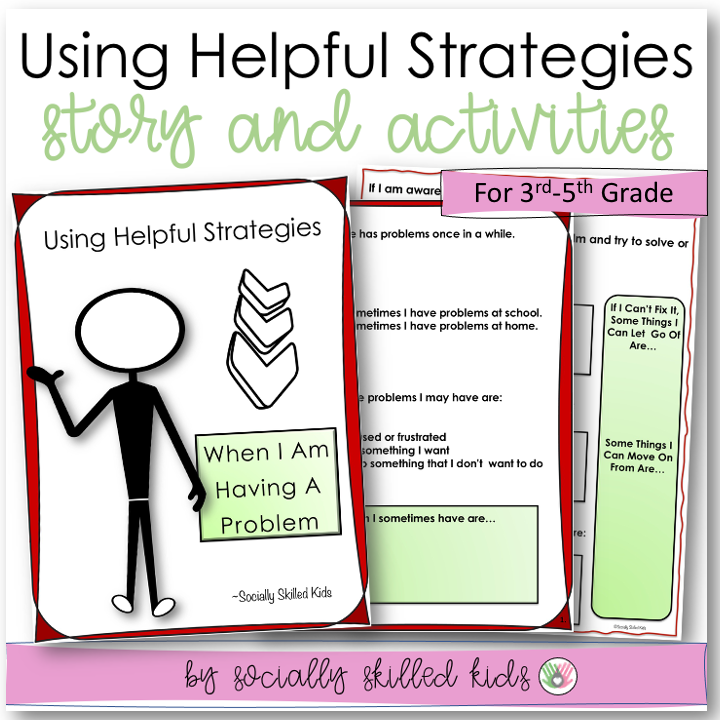
I Am Going To A Birthday Party!  Social Skills Story and Activity

I Am Going To A Birthday Party! Social Skills Story and Activity
Life Studies, Special Resources, Life Skills, Preschool, Grade 1, 2, 3, Worksheets & Printables, Worksheets

I Am Going To A Birthday Party! Social Skills Story and Activity In navigating social events such as birthday parties, children often face various challenges. The 'I Am Going To A Birthday Party!' Social Skills Story and Activity provides a well-crafted solution for educators dealing with this common dilemma. This teaching resource is designed specifically to help students in kindergarten through 3rd grade who might experience anxiety or difficulty at birthday parties. Birthday celebrations are assumed by many adults to be solely fun activities. Yet, young pupils with social learning difficulties can find these seemingly straightforward events both perplexing and stressful. For instance, students who struggle with sensory processing might be unsettled by a party's noise or lights. Others may have emotional difficulties that hinder them from patiently waiting their turn during games or cake-serving. How Does This Product Address These Problems? This product precisely addresses these problems – it breaks down information into understandable chunks using clear language, supporting the child in comprehending what is expected of them at such occasions. Explicit instruction about what happens at a birthday party, potential strategies for difficult moments, and acceptable behaviours specified through the guide can transform these gatherings from daunting experiences into successful ones. Additional Features The teaching resource couples its social story with follow-up activities and visual aids called Skill Builders; This feature makes the material even more effective by reinforcing learned concepts immediately after teaching them. Educational Package Details A real-photo-based social story; Twenty Birthday Party Scenario Cards providing realistic situations for role-play exercises; Additional Support Activity Suggestions: including recommended books, videos and articles for further study; 'Going To A Birthday Party Tips' page ensures that preparation comes full circle. Benefits of the Product The product delivers interactive worksheets formatted as PDFs suitable primarily for Life Skills lessons within Special Resources subjects. By implementing it either solo or in groups - like whole classroom instructions or small collaboration group assignments - educators can enhance their students' understanding of how to properly attend a birthday party with a universally beneficial and hands-on activity . The promise it holds is impressive, for it offers an opportunity to shape the fun event of birthday parties into practical teaching moments that can significantly improve children's lives.

Author Socially Skilled Kids

Tags Birthday Party, Social Skills, Social Story, Sensory Processing, Behavior Management

The Bill of Rights Interactive Foldable Booklets - EBOOK

The Bill of Rights Interactive Foldable Booklets - EBOOK
Social Studies, History, History: USA, Grade 2, 3, 4, 5, 6, 7, 8, 9, 10, 11, 12, Worksheets & Printables, Worksheets

What is The Bill of Rights? Who wrote it? These and more questions will be answered as you create these interactive foldables for your Interactive Notebook or Lapbook. These booklets cover very basic information about the Bill of Rights. For a more detailed look at EACH of the amendments individually, please check out our Constitutional Amendments Interactive Foldables and Bundle. These 3 foldables cover: •What is The Bill of Rights? •Who wrote The Bill of Rights? •Why was The Bill of Rights written? •When was The Bill of Rights written and ratified? •Each Amendment This product is downloadable as a PDF file. Print, cut, fold, and create! Keywords: Bill of Rights, Government, Constitution, interactive, foldable, booklets, Melissa Noll

Author Knowledge Box Central

Tags Bill Of Rights, Government, Constitution, United States, History

OU OW Diphthong – Phonics Activity Packet

OU OW Diphthong – Phonics Activity Packet
ELA, Language Development, Phonics, Preschool, Grade 1, 2, Worksheets, Worksheets & Printables

Teach Phonics Skills with the Diphthong OU OW Vowel Sounds Activity Packet This phonics resource helps students in Kindergarten through 2nd Grade strengthen skills with the vowel diphthongs ou and ow. Created by experienced educators for both classroom teachers and homeschoolers, these no-prep printables provide engaging and differentiated practice. The packet includes fun worksheets, games, and activities focusing on phonics, spelling, reading comprehension, grammar, and creative writing. Teachers can use these versatile materials for whole-group lessons, small groups, independent work, homework, or assessment. With multiple levels built in, the packet allows learners to work at their own pace while mastering the complex ou and ow sounds. By actively applying their new knowledge, students will gain reading fluency and writing skills.

Author KP Classroom

Rating

Tags Diphthong, Words, Phonics, Vowels, Spelling, Ou Ow Sound, Ow Worksheets 1st Grade, Phonics Diphthongs, Ou/ow Words, Ou Vowel Team, Ou And Ow Words, Is Ow A Diphthong, Ow Ou, Ou Ow Words, Ou Ow Word List

Guided Reading Level N - How People Communicated (with Lesson Plan)

Guided Reading Level N - How People Communicated (with Lesson Plan)
ELA, Resources for Teachers, Reading Comprehension, Reading, Science, Pre-Reading, Language Development, Technology, History, Social Studies, Grade 2, 3, 4, Worksheets & Printables, Worksheets, Teacher Tools, Centers, Activities, Literacy Readers, Quizzes, Quizzes and Tests, Assessments

This Guided Reading Book - How People Communicated (Level N) with lesson plan includes: Guided Reading Color Label (front cover x1) This is a quick way to match the book’s demands to what students can generally handle.. The overall goal is to use the level/color to pick books for several smaller groups. To qualify for a certain level, a student is expected to read a book from that level with about 90–94% accuracy. If a student is consistently accurate and understands, move up a level. If the student is struggling at that level, drop down and add more support. Each student will improve at completely different rates, but it is generally one of the best ways to check progress across the class. DOWNLOAD THE CATALOG TO VIEW ALL GUIDED READING BOOKS AVAILABLE (SORTED LEVELS A-Z) Pre-Reading Question (x1) Teacher asks the prompt aloud, can be while showing the cover or first page. Students share what they already know, or make educated guesses from the cover. Prompt them to use the target vocabulary. Write some of their responses on the board to look back at during the reading. Vocabulary Words (x5) Introduce the five words, best doing it one at a time. Start by saying it, while students repeat and then see if anyone knows what it means before reading further. Read through the meaning and try to briefly connect each word to a picture or gesture so it’s meaningful. Ask students to flip through the book pages and point to where they see each of the vocabulary words. While reading the book pause upon coming across one of the vocab words or read the sentence twice to make sure students understand the word has appeared. Optional: Ask students to raise hands whenever they see/hear one of the new words. Guided Reading Pages (x10) Check the book snapshot (below) for: primary topic - do you need to prep extra reading or intro materials on this? what is taught best - decide on 1-2 bullets to focus on, use the prompt or words provided here for best results. learning goals - what you are checking for students to be able to do after the session, elicit answers using prompts or words provided. key vocabulary (see section above). questions overview - so you know what is coming up and if you need to prep extra materials to assist understanding. Run the lesson You may have already looked at a few of the pages together, but you can show them some of the pictures again first to set meaning. Depending on how much time you have and how familiar your students are with guided reading class, you may want to read the book aloud first with the group first. Students whisper or partner read, while you listen in. If time, do it as a group, one student reading a page each. Use the guided page’s prompts to coach: “Check the picture / does it make sense?” “Point under the words / try the first sound” “Reread the sentence smoothly”. Try to focus more on one student per session (rotating every time), so you can work out if they are ready to move up or need to move down a level. Comprehension Questions (back cover x3) This is your way to check that students didn’t just say the words, but actually understood the text. First, let students answer by pointing to the page/picture and saying a short sentence. After any answer, follow with: “Show me where you found that in the text.” In bigger groups, have partners answer first (10–20 seconds), then call on 2–3 students to share. Differentiation tips: Emerging speakers/struggling readers: oral + pointing On-level: oral in a full sentence Higher: one written sentence or draw + label Book Snapshot Title: How People Communicated Long Ago Genre: Nonfiction (Informational) Subject: Social Studies (Past and Present) / Reading Primary Topic: How people shared messages long ago Estimated Guided Reading Level (A–Z): N What This Book Teaches Best How people shared information long ago using cave wall paintings made from crushed rocks and water. How messengers (runners) delivered spoken messages or wooden tablets across forests and mountains. Different tools for sending messages, including carrier pigeons , letters , and the printing press for making many copies quickly. How inventions changed communication over time—from telegraph (Morse code) to telephone to near-instant messages today. Quality check note: One page includes text about firefighters’ turnout gear that does not match the book’s communication topic, and the vocabulary list includes firefighter terms (“protective,” “turnout”). Learning Goals Students will describe at least three ways people communicated long ago using details from the text. Students will explain how carrier pigeons carried letters according to the text. Students will describe how the printing press changed how books were made. Students will explain how the telegraph sent messages and name “Morse code” as described. Students will compare older communication methods to today’s communication described in the book. Key Vocabulary From the Text messengers — people who carry messages or news. invention — something new created for the first time. telegraph — machine that sent messages using electricity. envelope — paper cover that holds a letter. instantly — right away, with almost no waiting. Discussion Prompts Pre-reading question: What are some ways people might share information when they are far apart? Comprehension questions: How did people use cave walls to share information thousands of years ago? What did carrier pigeons carry, and where was it attached? According to the text, how can a message travel around the world today in just a few seconds? Printing Tips 1. Best Printing Method (Recommended) “Booklet” Printing (Best if Available) If your printer or PDF viewer supports Booklet Printing , use this. Settings to use: Print mode: Booklet Paper size: Letter or A4 (either works) Orientation: Landscape Print on both sides: Yes Flip on: Short edge Scaling: Fit to printable area Booklet subset: First test: Front sides only Then: Back sides only This will automatically: Pair pages correctly Put the cover on the outside Align everything for folding After printing, fold in half and staple along the spine . 2. If “Booklet” Printing Is NOT Available You can still print this correctly with manual duplex printing . Step-by-step: Open the PDF. Choose Print . Set: Orientation: Landscape Pages per sheet: 1 Print on both sides: Yes Flip on: Short edge Print all pages . Because each PDF page already contains two facing book pages, the result will still fold cleanly into a book. Thousands of Cored Education products are included with your TeachSimple membership. Download links and encyclopedia index available here.

Author Cored Education

Rating

Tags Reading Comprehension, Reading Passages, Reading, Guided Reading, Guided Reading Lesson Plan, Guided Reading Activity, Pre-reading, Vocabulary, History Lesson Plans, Technology

Bats, Bats, Bats! Interactive Foldable Booklets - EBOOK

Bats, Bats, Bats! Interactive Foldable Booklets - EBOOK
Science, Life Sciences, Animals, Preschool, Grade 2, 3, 4, 5, 6, 7, 8, Worksheets & Printables, Worksheets

Explore the world of bats as you create these interactive foldables for your Interactive Notebook or Lapbook! This product includes a full-color and black & white version of the booklets. These 4 foldables cover: •Basic facts about bats (Color and black/white) •Different types of bats (Color and black/white) This ebook is a downloadable PDF file. Just print, follow instructions for cutting, folding and gluing, and create! Keywords: Bats, Hibernation, Migration, Conservation, Vampire Bat, Fruit Bat, Little Brown Bat, Indiana Bat, Egyptian Fruit Bat, Amy Moses, interactive, foldable, notebook

Author Knowledge Box Central

Tags Bats, Hibernation, Migration, Conservation, Fruit Bat, Foldable Bat, Batsbatsbats Com, Batsbatsbats

Guided Reading Level H - Bridges Strong and Safe

Guided Reading Level H - Bridges Strong and Safe
ELA, Resources for Teachers, Reading Comprehension, Reading, Language Development, Pre-Reading, Vocabulary, Science, Technology, Engineering, Kindergarten, Grade 1, 2, Worksheets & Printables, Worksheets, Teacher Tools, Centers, Activities, Literacy Readers, Quizzes, Quizzes and Tests, Assessments

This Guided Reading Book - Bridges Strong and Safe (Level H) includes: Guided Reading Color Label (front cover x1) This is a quick way to match the book’s demands to what students can generally handle.. The overall goal is to use the level/color to pick books for several smaller groups. To qualify for a certain level, a student is expected to read a book from that level with about 90–94% accuracy. If a student is consistently accurate and understands, move up a level. If the student is struggling at that level, drop down and add more support. Each student will improve at completely different rates, but it is generally one of the best ways to check progress across the class. DOWNLOAD THE CATALOG TO VIEW ALL GUIDED READING BOOKS AVAILABLE (SORTED LEVELS A-Z) Pre-Reading Question (x1) Teacher asks the prompt aloud, can be while showing the cover or first page. Students share what they already know, or make educated guesses from the cover. Prompt them to use the target vocabulary. Write some of their responses on the board to look back at during the reading. Vocabulary Words (x5) Introduce the five words, best doing it one at a time. Start by saying it, while students repeat and then see if anyone knows what it means before reading further. Read through the meaning and try to briefly connect each word to a picture or gesture so it’s meaningful. Ask students to flip through the book pages and point to where they see each of the vocabulary words. While reading the book pause upon coming across one of the vocab words or read the sentence twice to make sure students understand the word has appeared. Optional: Ask students to raise hands whenever they see/hear one of the new words. Guided Reading Pages (x10) Check the book snapshot (below) for: primary topic - do you need to prep extra reading or intro materials on this? what is taught best - decide on 1-2 bullets to focus on, use the prompt or words provided here for best results. learning goals - what you are checking for students to be able to do after the session, elicit answers using prompts or words provided. key vocabulary (see section above). questions overview - so you know what is coming up and if you need to prep extra materials to assist understanding. Run the lesson You may have already looked at a few of the pages together, but you can show them some of the pictures again first to set meaning. Depending on how much time you have and how familiar your students are with guided reading class, you may want to read the book aloud first with the group first. Students whisper or partner read, while you listen in. If time, do it as a group, one student reading a page each. Use the guided page’s prompts to coach: “Check the picture / does it make sense?” “Point under the words / try the first sound” “Reread the sentence smoothly”. Try to focus more on one student per session (rotating every time), so you can work out if they are ready to move up or need to move down a level. Comprehension Questions (back cover x3) This is your way to check that students didn’t just say the words, but actually understood the text. First, let students answer by pointing to the page/picture and saying a short sentence. After any answer, follow with: “Show me where you found that in the text.” In bigger groups, have partners answer first (10–20 seconds), then call on 2–3 students to share. Differentiation tips: Emerging speakers/struggling readers: oral + pointing On-level: oral in a full sentence Higher: one written sentence or draw + label Book Snapshot Title: Bridges: Strong and Safe Genre: Nonfiction (informational) Subject: Science (Engineering) Primary Topic: Bridge types, parts, and forces that affect bridges Estimated Guided Reading Level (A–Z): H What This Book Teaches Best Explains what bridges do: connect two places and help people and vehicles cross obstacles. Introduces several bridge types and what makes each one work (beam, arch, suspension, truss). Teaches key bridge parts and supports (deck, abutments, piers) using clear definitions in context. Builds science/engineering understanding of forces that act on bridges (gravity, tension, compression). Shows that scientists and engineers work together to keep bridges safe. Learning Goals Students will explain how bridges help people, cars, and trains travel using text details. Students will identify and describe at least two types of bridges named in the book. Students will use the book’s words to tell what a bridge deck is and what it does. Students will describe how gravity, tension, and compression affect bridges, based on the text. Students will explain what piers do and why they must be deep and steady. Key Vocabulary From the Text deck — the flat top part of a bridge. abutments — the ends an arch bridge pushes against. tension — a pulling force that stretches materials. compression — a pushing or squeezing force. piers — supports that go into ground or water. Discussion Prompts Pre-reading question: How do you think bridges help people get from one place to another? Comprehension questions: What do bridges help cars, trains, and people do? What is the flat top of a beam bridge called? What do piers keep a bridge from doing when wind blows or water flows fast? Printing Tips 1. Best Printing Method (Recommended) “Booklet” Printing (Best if Available) If your printer or PDF viewer supports Booklet Printing , use this. Settings to use: Print mode: Booklet Paper size: Letter or A4 (either works) Orientation: Landscape Print on both sides: Yes Flip on: Short edge Scaling: Fit to printable area Booklet subset: First test: Front sides only Then: Back sides only This will automatically: Pair pages correctly Put the cover on the outside Align everything for folding After printing, fold in half and staple along the spine . 2. If “Booklet” Printing Is NOT Available You can still print this correctly with manual duplex printing . Step-by-step: Open the PDF. Choose Print . Set: Orientation: Landscape Pages per sheet: 1 Print on both sides: Yes Flip on: Short edge Print all pages . Because each PDF page already contains two facing book pages, the result will still fold cleanly into a book. Thousands of Cored Education products are included with your TeachSimple membership. Download links and encyclopedia index available here.

Author Cored Education

Rating

Tags Vocabulary, Reading Comprehension, Reading Passages, Leveled Reading, Nonfiction, Reading, Guided Reading, Bridges, Technology, Engineering

Subordinating Conjunctions in Complex Sentences Grammar Worksheets

Subordinating Conjunctions in Complex Sentences Grammar Worksheets
Language Development, ELA, Grammar, Grade 1, 2, 3, 4, 5, Worksheets, Worksheets & Printables

Introduction This set of eight worksheets provides students with ample practice in working with subordinating conjunctions and constructing complex sentences. Each page focuses on a single evident skill, such as identifying the conjunction, completing a sentence starter, selecting the appropriate connector, or combining two ideas into a single sentence. The activities are straightforward and include eleven examples on each sheet, making them easy to use for classwork, review, or independent practice. What’s Included: 8 printable worksheets Identification and sentence-completion activities Complex sentence combining and rearranging tasks Conjunction selection, error correction, and creative writing Practice with common subordinating conjunctions ( because, although, since, until, when, before, while, unless, and more*) Grades / Ages: Ideal for Grades 1–6 Implementation Format: Perfect for grammar lessons, writing workshops, literacy centres, homework, or small-group instruction. Answer Key: Not included File Type: PDF (Non-editable) Number of Pages: 8 pages total License: Paid product for personal or single-classroom use only Tags to Use: Subordinating conjunctions worksheets, complex sentences practice, grammar for grades 4–8, conjunction activities, sentence structure worksheets, dependent clauses, complex sentence writing

Author Clever Crafters

Rating

Tags Subordinating Conjunctions Worksheets, Complex Sentences Practice, Grammar For Grades 4–8, Conjunction Activities, Sentence Structure Worksheets

Guided Reading Level P - A Guide to Sharks (with Lesson Plan)

Guided Reading Level P - A Guide to Sharks (with Lesson Plan)
ELA, Resources for Teachers, Reading Comprehension, Reading, Pre-Reading, Language Development, Animals, Life Sciences, Science, Vocabulary, Grade 2, 3, 4, Worksheets & Printables, Worksheets, Teacher Tools, Centers, Activities, Literacy Readers, Quizzes, Quizzes and Tests, Assessments

This Guided Reading Book - A Guide to Sharks (Level P) with lesson plan includes: Guided Reading Color Label (front cover x1) This is a quick way to match the book’s demands to what students can generally handle.. The overall goal is to use the level/color to pick books for several smaller groups. To qualify for a certain level, a student is expected to read a book from that level with about 90–94% accuracy. If a student is consistently accurate and understands, move up a level. If the student is struggling at that level, drop down and add more support. Each student will improve at completely different rates, but it is generally one of the best ways to check progress across the class. DOWNLOAD THE CATALOG TO VIEW ALL GUIDED READING BOOKS AVAILABLE (SORTED LEVELS A-Z) Pre-Reading Question (x1) Teacher asks the prompt aloud, can be while showing the cover or first page. Students share what they already know, or make educated guesses from the cover. Prompt them to use the target vocabulary. Write some of their responses on the board to look back at during the reading. Vocabulary Words (x5) Introduce the five words, best doing it one at a time. Start by saying it, while students repeat and then see if anyone knows what it means before reading further. Read through the meaning and try to briefly connect each word to a picture or gesture so it’s meaningful. Ask students to flip through the book pages and point to where they see each of the vocabulary words. While reading the book pause upon coming across one of the vocab words or read the sentence twice to make sure students understand the word has appeared. Optional: Ask students to raise hands whenever they see/hear one of the new words. Guided Reading Pages (x10) Check the book snapshot (below) for: primary topic - do you need to prep extra reading or intro materials on this? what is taught best - decide on 1-2 bullets to focus on, use the prompt or words provided here for best results. learning goals - what you are checking for students to be able to do after the session, elicit answers using prompts or words provided. key vocabulary (see section above). questions overview - so you know what is coming up and if you need to prep extra materials to assist understanding. Run the lesson You may have already looked at a few of the pages together, but you can show them some of the pictures again first to set meaning. Depending on how much time you have and how familiar your students are with guided reading class, you may want to read the book aloud first with the group first. Students whisper or partner read, while you listen in. If time, do it as a group, one student reading a page each. Use the guided page’s prompts to coach: “Check the picture / does it make sense?” “Point under the words / try the first sound” “Reread the sentence smoothly”. Try to focus more on one student per session (rotating every time), so you can work out if they are ready to move up or need to move down a level. Comprehension Questions (back cover x3) This is your way to check that students didn’t just say the words, but actually understood the text. First, let students answer by pointing to the page/picture and saying a short sentence. After any answer, follow with: “Show me where you found that in the text.” In bigger groups, have partners answer first (10–20 seconds), then call on 2–3 students to share. Differentiation tips: Emerging speakers/struggling readers: oral + pointing On-level: oral in a full sentence Higher: one written sentence or draw + label Book Snapshot Title: A Guide to Sharks Genre: Nonfiction (informational text) Subject: Life Science / Reading (Informational Text) Primary Topic: Shark adaptations, senses, and ocean ecosystem roles Estimated Guided Reading Level (A–Z): P What This Book Teaches Best Food chains and ecosystem balance: Sharks are “apex predators” that help regulate marine animal populations, and the text explains what could happen “without sharks.” Body structure and movement: Sharks’ skeletons are made of cartilage, which helps them stay buoyant and turn quickly while swimming. How sharks breathe: The book explains gills, oxygen extraction, and why many sharks must keep swimming to breathe. Feeding and hunting adaptations: Sharks’ teeth work like a “conveyor belt,” replacing lost or broken teeth. Special senses and survival strategies: The text describes electroreception (Ampullae of Lorenzini), camouflage (Wobbegong shark), and different ways sharks reproduce. Learning Goals Students will describe what it means for sharks to be apex predators in an underwater food chain. Students will explain how cartilage helps sharks stay buoyant and move in water. Students will explain why many sharks must swim constantly in order to breathe. Students will describe how a shark’s teeth are replaced when one is lost or broken. Students will describe electroreception and how it helps sharks find prey hiding under sand. Students will explain one way sharks help keep ocean fish populations and the marine ecosystem healthy. Key Vocabulary From the Text apex — the very top or highest level. cartilage — flexible body material that is not bone. buoyant — able to float or stay up in water. electroreception — sensing tiny electrical signals in the water. ecosystem — living things and how they interact in a place. Discussion Prompts Pre-reading question: What body features might help a shark survive in the ocean? Comprehension questions: According to the text, why do many sharks need to keep swimming in order to breathe? Comprehension questions: What does the text say happens when a shark loses or breaks a tooth? Comprehension questions: How does the text explain that sharks help keep the ocean’s fish populations and ecosystem healthy? Printing Tips 1. Best Printing Method (Recommended) “Booklet” Printing (Best if Available) If your printer or PDF viewer supports Booklet Printing , use this. Settings to use: Print mode: Booklet Paper size: Letter or A4 (either works) Orientation: Landscape Print on both sides: Yes Flip on: Short edge Scaling: Fit to printable area Booklet subset: First test: Front sides only Then: Back sides only This will automatically: Pair pages correctly Put the cover on the outside Align everything for folding After printing, fold in half and staple along the spine . 2. If “Booklet” Printing Is NOT Available You can still print this correctly with manual duplex printing . Step-by-step: Open the PDF. Choose Print . Set: Orientation: Landscape Pages per sheet: 1 Print on both sides: Yes Flip on: Short edge Print all pages . Because each PDF page already contains two facing book pages, the result will still fold cleanly into a book. Thousands of Cored Education products are included with your TeachSimple membership. Download links and encyclopedia index available here.

Author Cored Education

Rating

Tags Reading Comprehension, Reading Passages, Reading, Guided Reading, Guided Reading Lesson Plan, Guided Reading Activity, Pre-reading, Science Lesson Plans, Life Science, Animals

Creatures of the African Savannah Interactive Foldable Booklets – EBOOK

Creatures of the African Savannah Interactive Foldable Booklets – EBOOK
Science, Life Sciences, Animals, Grade 2, 3, 4, 5, 6, 7, 8, Worksheets & Printables, Worksheets

'Creatures of the African Savannah Interactive Foldable Booklets – EBOOK' is a unique teaching tool curated to facilitate deep understanding of science and zoology for students ranging from grades 2 to 8. This resource envelopes learners in the diverse biomes of Africa - all this happening without ever having to exit their classrooms or homes! The main features include: An educational deep dive into the awe-inspiring animal kingdom housed by the African savannah. A focus on a variety of animals such as lions, elephants, hyenas, giraffes and cheetahs. This interactive eBook comprises four distinct foldables covering two crucial topics: "Creatures of the African Savannah" & "All About Savannas". The color schemes range from vivacious hues to minimalist black & white. This allows educators to customize their teaching methodology based on what aligns best with their student's learning modalities or classroom requirements. Presented as an 18-page PDF bursting with beneficial content and easily-printed worksheets , our product stands out. It adds an element of interactivity through cut-outs, folding techniques and booklet creation exercises that depart from normative teaching approaches. Potential Classroom Applications: Turn Science/Zoology lessons into vibrant group tasks encouraging student collaboration. Serve as enrichment activities for self-paced home learning experiences. Distribute as homework assignments maintaining consistency in learning beyond school hours. In conclusion, this resource doesn't merely motivate active class participation but also fosters scientific exploration among young learners – bringing them closer to experiencing first-hand wonders reminiscent of stepping foot in Africa’s wilderness!

Author Knowledge Box Central

Tags African Savannah, Interactive Learning, Foldable Booklets, Science Education, Zoology

Guided Reading Level L - All About Horses (with Lesson Plan)

Guided Reading Level L - All About Horses (with Lesson Plan)
ELA, Resources for Teachers, Reading Comprehension, Reading, Science, Language Development, Life Sciences, Animals, Pre-Reading, Vocabulary, Grade 2, 3, 4, Worksheets & Printables, Worksheets, Teacher Tools, Centers, Activities, Literacy Readers, Quizzes, Quizzes and Tests, Assessments, Lesson Plans

This Guided Reading Book - All About Horses (Level L) with lesson plan includes: Guided Reading Color Label (front cover x1) This is a quick way to match the book’s demands to what students can generally handle.. The overall goal is to use the level/color to pick books for several smaller groups. To qualify for a certain level, a student is expected to read a book from that level with about 90–94% accuracy. If a student is consistently accurate and understands, move up a level. If the student is struggling at that level, drop down and add more support. Each student will improve at completely different rates, but it is generally one of the best ways to check progress across the class. DOWNLOAD THE CATALOG TO VIEW ALL GUIDED READING BOOKS AVAILABLE (SORTED LEVELS A-Z) Pre-Reading Question (x1) Teacher asks the prompt aloud, can be while showing the cover or first page. Students share what they already know, or make educated guesses from the cover. Prompt them to use the target vocabulary. Write some of their responses on the board to look back at during the reading. Vocabulary Words (x5) Introduce the five words, best doing it one at a time. Start by saying it, while students repeat and then see if anyone knows what it means before reading further. Read through the meaning and try to briefly connect each word to a picture or gesture so it’s meaningful. Ask students to flip through the book pages and point to where they see each of the vocabulary words. While reading the book pause upon coming across one of the vocab words or read the sentence twice to make sure students understand the word has appeared. Optional: Ask students to raise hands whenever they see/hear one of the new words. Guided Reading Pages (x10) Check the book snapshot (below) for: primary topic - do you need to prep extra reading or intro materials on this? what is taught best - decide on 1-2 bullets to focus on, use the prompt or words provided here for best results. learning goals - what you are checking for students to be able to do after the session, elicit answers using prompts or words provided. key vocabulary (see section above). questions overview - so you know what is coming up and if you need to prep extra materials to assist understanding. Run the lesson You may have already looked at a few of the pages together, but you can show them some of the pictures again first to set meaning. Depending on how much time you have and how familiar your students are with guided reading class, you may want to read the book aloud first with the group first. Students whisper or partner read, while you listen in. If time, do it as a group, one student reading a page each. Use the guided page’s prompts to coach: “Check the picture / does it make sense?” “Point under the words / try the first sound” “Reread the sentence smoothly”. Try to focus more on one student per session (rotating every time), so you can work out if they are ready to move up or need to move down a level. Comprehension Questions (back cover x3) This is your way to check that students didn’t just say the words, but actually understood the text. First, let students answer by pointing to the page/picture and saying a short sentence. After any answer, follow with: “Show me where you found that in the text.” In bigger groups, have partners answer first (10–20 seconds), then call on 2–3 students to share. Differentiation tips: Emerging speakers/struggling readers: oral + pointing On-level: oral in a full sentence Higher: one written sentence or draw + label Book Snapshot Title: All About Horses Genre: Nonfiction (informational) Subject: Life Science / Reading (Informational Text) Primary Topic: Horse body parts, needs, and behaviors Estimated Guided Reading Level (A–Z): L What This Book Teaches Best Key animal facts about horses (they are strong animals, mammals, and live outdoors in grassy areas). How horse body parts help them (mane and tail; tail swishes away flies). What horses need to stay healthy (they eat plants and drink a lot of water). How horses move (trot with “diagonal pairs,” and gallop as the fastest way to move with hooves off the ground). Special horse behaviors and life stages (sleeping while standing; a baby horse is a foal). Learning Goals Students will identify key facts about horses (habitat, body traits, and needs) from the text. Students will explain how a horse uses its tail based on details in the book. Students will describe what horses eat and how they graze using evidence from the text. Students will compare two horse movements (trot and gallop) using information from the book. Students will explain how a horse can sleep while standing without falling over. Students will describe what a foal is and what it can do soon after being born. Key Vocabulary From the Text mammal — an animal that breathes air with lungs. herbivores — animals that eat only plants. grazing — eating grass little by little over time. diagonal — slanted, from one corner to the opposite corner. hooves — the hard feet of a horse. Discussion Prompts Pre-reading question: What do you think a horse needs to stay healthy outdoors? Comprehension questions: What does the text say a horse uses its tail for? How does the text describe a trot? What is a foal, and what can it do within an hour of being born? Printing Tips 1. Best Printing Method (Recommended) “Booklet” Printing (Best if Available) If your printer or PDF viewer supports Booklet Printing , use this. Settings to use: Print mode: Booklet Paper size: Letter or A4 (either works) Orientation: Landscape Print on both sides: Yes Flip on: Short edge Scaling: Fit to printable area Booklet subset: First test: Front sides only Then: Back sides only This will automatically: Pair pages correctly Put the cover on the outside Align everything for folding After printing, fold in half and staple along the spine . 2. If “Booklet” Printing Is NOT Available You can still print this correctly with manual duplex printing . Step-by-step: Open the PDF. Choose Print . Set: Orientation: Landscape Pages per sheet: 1 Print on both sides: Yes Flip on: Short edge Print all pages . Because each PDF page already contains two facing book pages, the result will still fold cleanly into a book. Thousands of Cored Education products are included with your TeachSimple membership. Download links and encyclopedia index available here.

Author Cored Education

Rating

Tags Reading Comprehension, Reading Passages, Reading, Guided Reading, Guided Reading Lesson Plan, Guided Reading Activity, Pre-reading, Science Lesson Plans, Life Science, Animals

Reading Comprehension Fiction Set 7: Ian's Friday Nights (Docs)
Free Download

Reading Comprehension Fiction Set 7: Ian's Friday Nights (Docs)
ELA, Reading, Common Core, Reading Comprehension, ESL, Language Development, Vocabulary, Children’s Literature, Literature, Writing, Grade 2, 3, Worksheets & Printables, Worksheets, Centers, Activities, Assessments, Teacher Tools, Tests, Quizzes and Tests, Writing Prompts

Reading Comprehension Passages Fiction Set 7 Sample Overview Fascinating reading comprehension passages, each with an array of activities included. Stories are written for the modern classroom and topics are designed to promote enthusiasm from each student. Each lesson contains a mixed questions section to check understanding, a vocabulary or spelling activity to help remember key language introduced, and a writing exercise. Full answer keys are provided. For a more detailed overview, check the section under the links at the bottom of this description. Passage Included 3.Ian's Friday Nights: Ian wants to be anywhere but the bleachers on Friday nights. Docs Version This is the Docs editable and fillable version. This download is available in GOOGLE Docs, GOOGLE Forms, GOOGLE Slides. PDF, PPT, WORD. FULL CATALOG OF DOWNLOAD LINKS HERE Grade 2/3 Links Fiction Set 1 - Nature Google Docs Google Forms Google Slides PDF PPT Word Guided Reading Materials Fiction Set 2 - Animals Google Docs Google Forms Google Slides PDF PPT Word Guided Reading Materials Fiction Set 3 - Food Google Docs Google Forms Google Slides PDF PPT Word Guided Reading Materials Fiction Set 4 - School Google Docs Google Forms Google Slides PDF PPT Word Guided Reading Materials Fiction Set 5 - Friends Google Docs Google Forms Google Slides PDF PPT Word Guided Reading Materials Fiction Set 6 - Family Google Docs Google Forms Google Slides PDF PPT Word Guided Reading Materials Fiction Set 7 - Sports Google Docs Google Forms Google Slides PDF PPT Word Guided Reading Materials Nonfiction Set 1 - Technology Google Docs Google Forms Google Slides PDF PPT Word Guided Reading Materials Nonfiction Set 2 - Nutrition Google Docs Google Forms Google Slides PDF PPT Word Guided Reading Materials Nonfiction Set 3 - Animals Google Docs Google Forms Google Slides PDF PPT Word Guided Reading Materials Reading Passages Overview Each passage is especially written for Grade 2-3 students, including key vocabulary required for this age group. Topics are varied and are accompanied by colorful graphics. Topics are meant to educate, yet entertain the modern student. These passages are perfect for the modern classroom. Whereas textbooks can become outdated in no time, any changes to technology or the world will result in updates to this product. Mixed Questions The mixed questions section of each lesson includes a variation of fivecomprehension, vocabulary and math questions. In addition, key reading strategies are frequently covered including cause & effect, summarizing, compare & contrast and making conclusions. Three of the questions will be MCQs and two will require a written response of some kind. Full answers and example responses appear at the end of the lesson. Spelling & Vocab Each reading passage contains a variety of words and phrases designed for Grade 2-3 students. Spelling and vocab activities provide the opportunity to build fluency with these words. As it can become quite mundane doing the same activities over and over, each lesson in a set will contain a different spelling and vocab activity . Writing Prompts Writing prompts are designed to continue the theme or lessons learned in the story. Students are persuaded to write in a variety of ways and each prompt includes several cues to help. As with the spelling/vocab section, writing prompts will vary. This includes research pieces, reading responses, poetry and creative writing prompts. Full Answer Keys Full answer keys and sample responses are provided so no matter how busy you are, you know you're covered! Mixed question answers provide evidence from the text, math questions contain the relevant workings. Answers are designed for use by the teacher, but also suitable as a handout to the student. Additional File One lesson will have an additional file. This is something fun to extend the lesson with. For similar downloads and other frees, do check out Cored Group on TeachSimple.

Author Cored Education

Tags Elementary, Reading, Comprehension, Vocabulary, Answers, Ccss, Common Core, Spelling, Writing, Digital Centers

A Pirate's Life | Cross-Curricular Activity Packet

A Pirate's Life | Cross-Curricular Activity Packet
ELA, Strategies, Grade 1, 2, 3, Worksheets & Printables, Worksheets

A Pirate's Life | Cross-Curricular Activity Packet This engaging and entertaining resource is a treasure for educators looking to infuse excitement into their curriculum. Suitable for Grades 1 through 3, the focus of this packet is on language arts and strategies. Within this ready-to-print format, educational adventures await: Nearly 35 pages of pirate-themed content to spark curiosity. Language arts topics, including compound words and contractions. An opportunity for students to dive into narrative writing, stimulating creative thinking while developing vital writing skills. In addition, math activities aligned with Common Core standards are included, making learning mathematical concepts an exciting treasure hunt! This flexible tool can be adapted amongst varied teaching approaches. Whether it's used in group classroom sessions or as homework assignments individually; even homeschoolers can incorporate it within their lesson plans easily. A Pirate's Life: More Than Just Academics… It’s a Laugh-filled Learning Journey! Rather than giving just another worksheet stack that serves academics solely, this Activity Packet ensures education goes hand-in-hand with entertainment. The delivery method promotes skill-building at every step—offering a refreshing contrast against traditional pedagogical resources. As such, this cross-curricular activity packet combines entertainment with education - all neatly held together in one convenient PDF format. With its breadth &amp; depth enhanced via fun-learning methodologies - navigating the world of educational concepts has never looked more promising! </p

Author Second Grade Smartypants

Tags Pirate-themed Learning, Language Arts, Cross-curricular Activities, Math Activities, Interactive