Secret Code Words
- Grades
- Grades 2–4
- Pages
- 33
- File type
- Preparation
- Print ready


- Topic
- Secret code, Decoding symbols
- Preparation
- Print ready
Product description
From the author
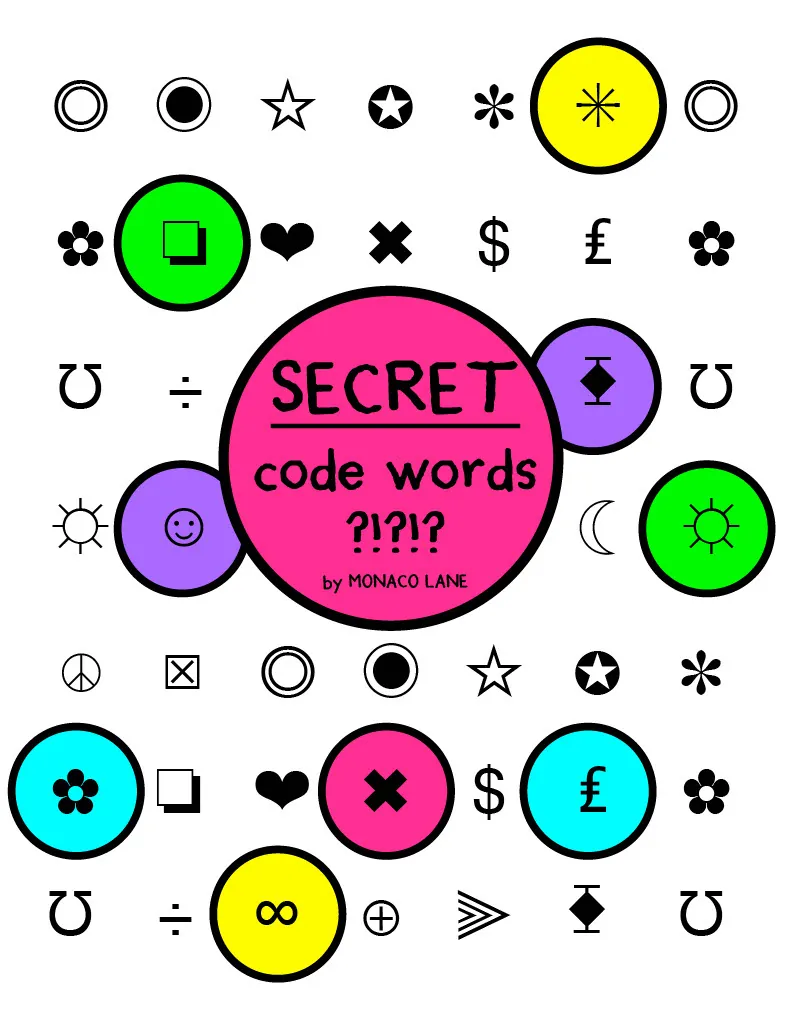
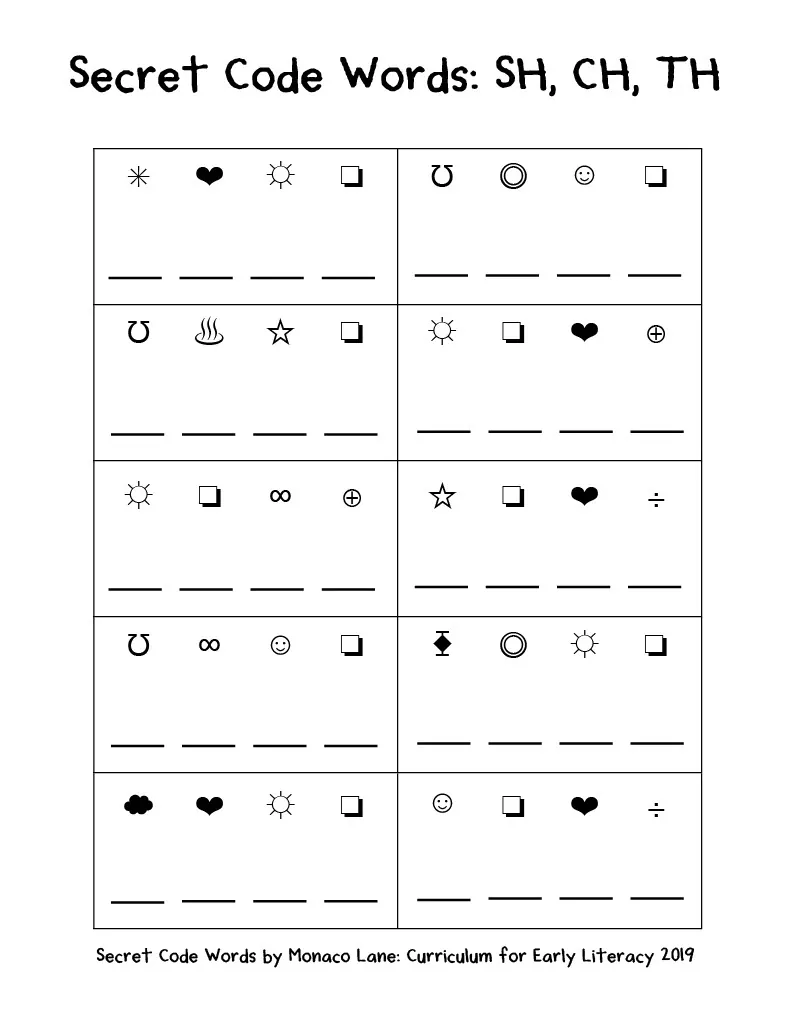
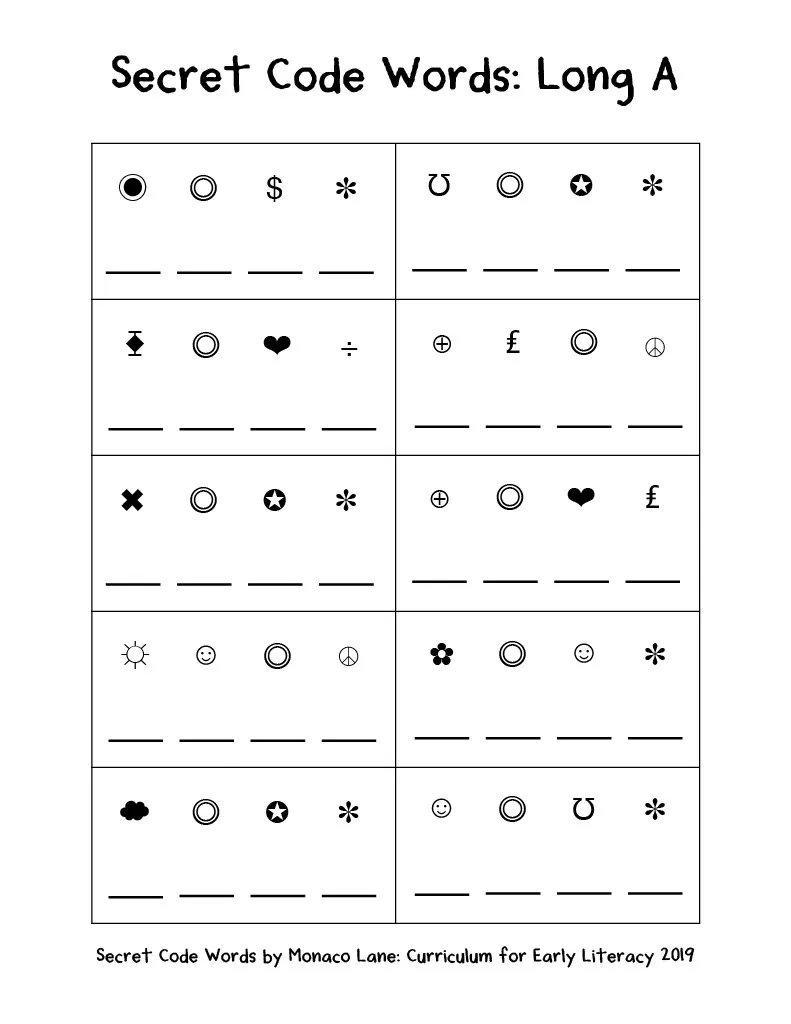
This resource is a Secret Code Words Packet.
These activities are self-directed and will engage your students in a meaningful, independent activity while you spend time with another small group.
As an extension, students can use the secret code to write messages to their friends, create their own lists of words, or practice their spelling words.
The worksheets in this set help kids practice:
- letter recognition
- handwriting
- phonics
- reading
- spelling
- sight word recognition
- hand-eye coordination
- independence
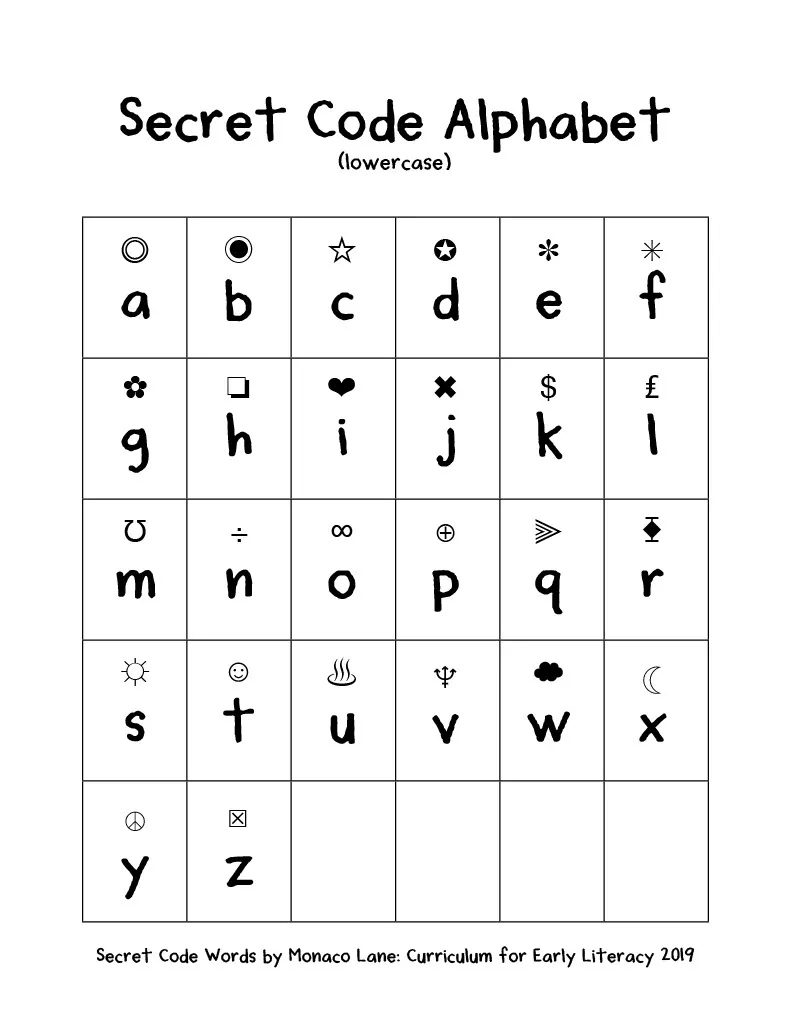
There are 28 worksheets and 2 secret codes (1 for uppercase and 1 for lowercase).
Related resources
More resources teachers may find useful
24 related resources were found using this product's title, contributor, categories and tags.
In the classroom
Teaching tips & learning objectives

Learning objectives
Decode a substitution-cipher symbol into its corresponding uppercase or lowercase letter using the two code-key pages.
Blend decoded letters into words organized by short-vowel, long-vowel, digraph, R-controlled and other vowel patterns.
Recognize and write out Fry's first 100 sight words using the code key.

Teaching tips
Hand out or post both code-key pages (uppercase and lowercase) before starting, since students reference them on every decoding page.
Use the set as a self-directed independent activity or station while working with another small group.
Sequence the code-word pages in the order they are organized — short vowels, digraphs, R-controlled vowels, other vowel patterns, then long vowels — before moving to the ten sight-word pages.

Skills covered
Letter-symbol decoding — students match each of the 26 code symbols to its letter using the two key pages.
Short and long vowel word decoding — students decode words built from each individual short and long vowel pattern.
Sight word recognition — students decode and write out 100 grade-1 Fry sight words across ten pages.
Good to know
Questions teachers ask about this resource
Do the code-word pages follow a set phonics sequence, or are the words mixed together at random?
They follow a set sequence: each short vowel individually, a mixed short-vowel page, the SH/CH/TH digraphs, R-controlled vowel patterns, OU/OW, OI/OY and OO vowel patterns, a mixed "chunks" page, then each long vowel individually and a mixed long-vowel page.
Is the same code used across every page, or does it change for the sight-word section?
The same 26-symbol code — one uppercase key, one lowercase key — is used across every code-word and sight-word page in the set.

No reviews yet
Downloaded this resource? Tell other teachers how it went.
Resource details
Concepts & topics
Core concepts
 Core concepts
Substitution cipher
Phonics decoding
Sight words
Vowel patterns
 Topics
Explore more
Categories this resource belongs to
Explore related searches
More to explore
You may also like