


Crash Course Government Episode Worksheet | 38 - How Voters Decide
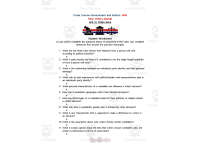
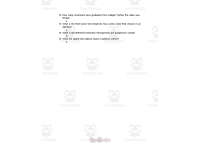
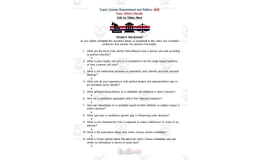
Crash Course Government episode 38 worksheet on How Voters Decide, with 15 short-answer questions on party loyalty, candidate traits, retrospective and prospective voting, and spatial and valence issues.

- Grades
- Grades 7–10, Middle School, High School
- File type
- Microsoft Word
- Editable
- Yes


- Subject
- Social Studies, Government
- Topic
- Crash Course Government, Crash Course Episodes
- Resource types
- Worksheets & Printables, Worksheets
- Editable
- Yes
About this resource
What's inside this resource
Engage students by having them analyze real-world political issues through Crash Course Government. This 2-page How Voters Decide worksheet accompanies the episode explaining factors influencing voter decisions. It includes 15 short answer questions targeting key concepts from the fast-paced 7-minute video. Students gain deeper understanding by watching the episode then reflecting critically on content through the worksheet questions. An answer key allows students to check their comprehension. Use for whole class discussion, small groups, or individual assignments in middle school or high school civics, government, or U.S. history courses. Check out this and other scaffolded video learning resources bridging entertainment media with curriculum standards at the Active Social Studies store.
Related resources
More resources teachers may find useful
24 related resources were found using this product's title, contributor, categories and tags.


In the classroom
Teaching tips & learning objectives

Learning objectives
- Explain why party loyalty predicts how people vote
- Distinguish retrospective voting from prospective voting
- Compare spatial issues with valence issues

Teaching tips
- The worksheet holds a 'Link to Video Here' placeholder, so the episode link needs adding before students use it.

Skills covered
- Video comprehension — students answer in complete sentences during and after viewing

No reviews yet
Downloaded this resource? Tell other teachers how it went.
Resource details
Concepts & topics
Core concepts
 Core concepts
- Party loyalty
- Retrospective voting
- Prospective voting
- Valence issues
- Spatial issues
 Topics
Explore more
Categories this resource belongs to
Explore related searches
More to explore
You may also like

Worksheets & Printables, Worksheets


Worksheets & Printables, Worksheets

Worksheets & Printables, Worksheets

Worksheets & Printables, Worksheets

Worksheets & Printables, Worksheets

Worksheets & Printables, Worksheets