High School Science Fungi Life Cycle Reading Passage & Note-Taking She


Worksheets & Printables, Writing Prompts, Teacher Tools, Assessments, Quizzes and Tests, Quizzes


About This Product
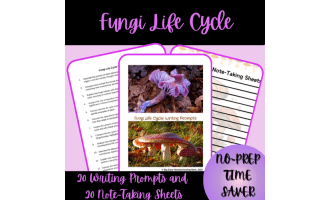
Take a journey the incredible world of fungi with this High School Science Fungi Life Cycle resource! As a homeschool mom who's passionate about quality science education, I created this reading passage and note-taking sheets with your biology students in mind – whether you're teaching in a traditional classroom or at your kitchen table like I do. Instead of drowning our kids in boring technical jargon, I have wrapped key mycological concepts in stories and explanations they will actually want to read (trust me, I have tested these on my own teenager daugther!), all while maintaining scientific integrity.
INCLUDED IN THIS RESOURCE:
✔️10-page comprehensive reading passage with advanced mycological concepts
✔️20 challenging critical thinking questions with complete answer key
✔️Detailed note-taking sheets
TOPICS COVERED:
✔️Plant Reproductive Cycles: Alternation of Generations and Seed Structure
✔️Germination: Molecular Regulation, Hormonal Control, and Dormancy Mechanisms
✔️Vegetative Growth Patterns and Meristematic Activity
✔️Flower Development: Genetic Basis, Floral Induction, and Pollination Ecology
✔️Fertilization Processes: Double Fertilization and Endosperm Development
✔️Ecological Dynamics: Seed Dispersal Strategies and Climate Change Impacts
Your students/homeschoolers will get genuinely excited learning how fungi reproduce through fascinating processes like spore dispersal and hyphal networks, examine their unique structures up-close, and discover why these overlooked organisms are absolute superstars in practically every ecosystem. The reading passage flows naturally into questions and activities that encourage real critical thinking – no mindless worksheet filling here!
I developed this resource because I believe our high schoolers/homeschoolers deserve science education that respects their intelligence and nurtures their curiosity. The content hits that sweet spot—deep enough to prepare them for college-level biology without overwhelming them. Beyond just teaching facts, these materials foster genuine appreciation for organisms most people walk right past. From the antibiotics in our medicine cabinets to the bread on our tables and the hidden networks beneath forest floors, fungi shape our world in remarkable ways. By connecting concepts to real life, I hope to spark a curiosity in your students that lasts long after the unit ends, just as I've seen happen with my own children.
If you and your students/homeschoolers enjoyed this resources, please leave a review.
Thank you for your support.
Tina - Big Easy Homeschooling Mom
Resource Tags
0 Reviews
Check out these other great products