HIV and AIDS - Science Reading Article - Grades 5-7

- Grades
- Grades 5–7, Middle School, Elementary
- File type
- Multiple File Types


- Subject
- Science, Life Sciences, Biology
- Topic
- disease, HIV
- Resource types
- Worksheets & Printables, Worksheets
About this resource
What's inside this resource
Related resources
More resources teachers may find useful
24 related resources were found using this product's title, contributor, categories and tags.

In the classroom
Teaching tips & learning objectives

Learning objectives
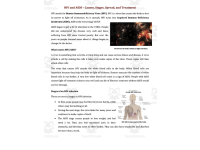
Distinguish HIV from AIDS, explaining that HIV is the virus and AIDS the final stage of the infection
Explain how a virus replicates by forcing infected cells to make copies of it, and why attacking white blood cells leaves the body unable to fight illness
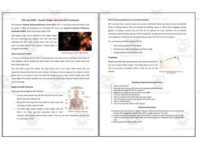
Describe the three stages of an HIV infection, from flu-like or absent early symptoms through the long replication stage to the AIDS stage

Teaching tips
Read the transmission section before deciding how to use the article - it names semen, unprotected sexual intercourse and condom use directly, which needs checking against your school's health policy at the grade 5 end of the stated range
Question 9 is the one worth spending time on: the article's list of what does not spread HIV - touching, tears, saliva, hugging, sharing glasses, kissing - is the part that changes how students think about the disease
The Magic Johnson extension turns the article's 1980s paragraph into a research task with a real outcome, which is a natural bridge into how treatment has changed since

Skills covered
Reading an informational science text for detail - nine questions send students back into a four-section article for answers that are stated in it explicitly.
Explaining a biological mechanism - questions 2 and 6 ask how a virus replicates through the cells it infects and why a damaged immune system leaves a patient vulnerable.
Sequencing a process - question 3 asks for the stages of an HIV infection in order, which the article gives as three bulleted phases.
Good to know
Questions teachers ask about this resource
How explicit is the article about how the virus is transmitted?
Fully explicit, in plain terms. It names blood, semen and breastmilk as the fluids involved, and lists sharing needles, blood transfusion, unprotected sexual intercourse, pregnancy, childbirth and breastfeeding as routes. Prevention includes using condoms when sexually active. Worth reading before the article is issued at the lower end of the stated grade range.
Which questions have fixed answers and which are open?
The nine comprehension questions all have worked answers supplied. Of the three extension tasks, the cure question is answered - no cure exists, but some people have stopped taking medication and stayed healthy for years - while the poster task is marked "Various answers" and the Magic Johnson research is left for students to find.
Where do the article's facts come from?
A references page lists seven sources with retrieval dates, drawn from aids.gov, the NIAID, WebMD and a CNN report on attitudes to HIV in the 1980s. All seven were retrieved in May 2016, so the citations are worth checking before the article is used as a current source.

No reviews yet
Downloaded this resource? Tell other teachers how it went.
Resource details
Concepts & topics
Core concepts
 Core concepts
HIV and AIDS
Viruses and immune response
Disease transmission
Informational reading
Health education
Topics
 Topics
Explore more
Categories this resource belongs to
Explore related searches
More to explore
You may also like