Mankind Story of All of Us: Episode 2 (Iron Men)


- Grades
- Grades 6–8, High School
- Pages
- 4
- File type
- Answer key
- Included


- Subject
- Social Studies, History
- Topic
- Mankind Story of All of Us Episode 2 Iron Men, Viewing questions
- Answer key
- Included
Product description
From the author
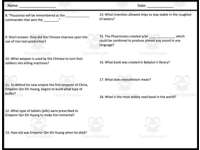
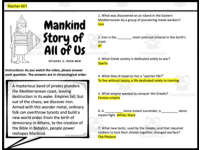
This four-page viewing guide accompanies Mankind: The Story of All of Us, Episode 2: Iron Men. Two student pages provide a short episode synopsis and 18 fill-in or short-answer questions about iron, Greek warfare, China, Phoenician writing and religion. Two teacher-key pages repeat the questions with expected responses.
Arrange access to the episode separately. Discuss the key as the documentary’s account and check historical generalizations before presenting them as settled facts.
Related resources
More resources teachers may find useful
24 related resources were found using this product's title, contributor, categories and tags.


In the classroom
Teaching tips & learning objectives

Learning objectives
Record the episode’s accounts of Iron Age societies, technologies and historical figures.
Connect technologies discussed in the documentary with its explanations of warfare, travel and written language.
Use viewing questions to organize listening notes.

Teaching tips
Arrange separate access to the episode before using the guide.
Pause for longer written responses.
In question 2, describe iron as an element rather than a mineral. The final key answer, The Old Testament, and broad claims about the Bible’s creation or readership need separate historical verification; do not use the key alone as factual proof.

Skills covered
Documentary comprehension — learners record information presented in the episode using eighteen viewing questions.
Note-taking — learners capture names, events and explanations in short-answer and fill-in formats.
Good to know
Questions teachers ask about this resource
Is the documentary included?
No. Arrange separate access to Iron Men, episode 2 of Mankind: The Story of All of Us, before using the viewing guide.
How are the questions organized?
The printed instructions place the eighteen questions in episode order. Pause as needed for longer responses.

No reviews yet
Downloaded this resource? Tell other teachers how it went.
Resource details
Concepts & topics
Core concepts
 Core concepts
Iron Age
Ancient Greece
Ancient China
World history
 Topics
Explore more
Categories this resource belongs to
Explore related searches
More to explore
You may also like