


TP-CASTT Poetry Analysis Guide
TP-CASTT poetry analysis guide with blank response slides and two fully modeled examples, William Blake's 'A Poison Tree' and Percy Shelley's 'Ozymandias', showing each step of the method.



- Grades
- Grades 9–12, High School
- File type
- Microsoft PowerPoint
- Use
- Digital activity


- Subject
- ELA, Literature, Poetry
- Topic
- Poetry Analysis, TP-CASTT Method
- Resource types
- Worksheets & Printables, Worksheets
- Use
- Digital activity
About this resource
What's inside this resource
Teaching Resource: Poetry Analysis Guide TP-CASTT
The Poetry Analysis Guide TP-CASTT is an invaluable offering for educators in diverse settings—from public schools to homeschool environments. This resource functions as a comprehensive guide to navigate poetic complexities—a field often perceived as challenging by students.
Intended for high schoolers—grades 9-12—engaged in their language arts curriculum, specifically the realm of poetry.
Product Description:
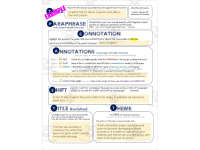
This teaching aid incorporates a meticulously designed worksheet detailing every phase of the TP-CASTT method (Title, Paraphrase, Connotation / Mood, Annotations, Shifts happening in the poem's narrative arc or mood, revisiting Title after detailed analysis and identifying Theme). This unique methodology enables students to effectively decipher sophisticated poetic compositions. The PDF format facilitates easy printout handling for instructors. List of components:
- Title: Encourages initial predictions based on first impressions.
- Paraphrase: Pushes learners to dissect each stanza and express its literal meaning.
- Connotation / Mood:Promotes identification of words imparting positive or negative tones contributing towards overall sentiment.
- Annotating: Centralizes on marking unfamiliar vocabularies, making text connections or tracing figurative language models at work.
- Acknowledging 'shift's within poems. Shines light on turning points impacting meaning or tone drastically.
- In-depth examination leading towards a reassessment of initial assumptions regarding title identifier after 'Poem Examination'
- The final step involves recognising the larger ‘Theme’ encompassing poem structure.
Related resources
More resources teachers may find useful
24 related resources were found using this product's title, contributor, categories and tags.


In the classroom
Teaching tips & learning objectives

Learning objectives
- Apply each TP-CASTT step to analyze a poem
- Identify shifts in a poem and state its theme

Teaching tips
- Walk through the 'A Poison Tree' model together, then have students try 'Ozymandias' on a blank template before showing the modeled version.

Skills covered
- Paraphrasing — students restate the poem's literal meaning before interpreting it
- Figurative language analysis — students note imagery, symbolism and alliteration in their annotations

No reviews yet
Downloaded this resource? Tell other teachers how it went.
Resource details
Concepts & topics
Core concepts
 Core concepts
- TP-CASTT
- Paraphrase
- Connotation
- Shift
- Theme
 Topics
Explore more
Categories this resource belongs to
Explore related searches
More to explore
You may also like
Teacher Tools, Presentations


Teacher Tools, Assessments
Worksheets, Worksheets & Printables
Games, Activities

Worksheets & Printables, Worksheets

Novel Studies, Worksheets & Printables