Pronoun Shifts (CCSS L.6.1c): Supplemental Worksheets for the Common Core



- Grades
- Grade 6, Middle School
- File type
- Preparation
- Print ready


- Subject
- ELA, Grammar, Common Core
- Topic
- language arts, grammar
- Resource types
- Worksheets, Worksheets & Printables
- Preparation
- Print ready
About this resource
What's inside this resource
Are you an educator teaching Grade 6 Language Arts and searching for resources on grammar units related to pronouns? Then, these worksheets are a must-have! These refer specifically to the CCSS L.6.1c standard on Pronoun Shifts.
About the Worksheets
- Each worksheet features questions or activities designed to enhance your students' understanding of pronoun shifts in English grammar.
- Crafted keeping the Common Core standards in focus, there are five different activities offering a variety of prompts and keeping students engaged.
Usability in Classroom Setting
- Suitable for use with whole classrooms during lessons, smaller groups during center time, or as homework assignments - providing reinforcement to lessons taught.
- Comes with an answer key at its conclusion – simplifying marking procedures effectively.
- The code located on each worksheet allows you to find out which book it originated from – offering you an opportunity gradually build up your professional teaching library!
Your teaching plans can maintain maximum flexibility by making use of this product’s PDF formating - it’s complete with five print-ready pages!
In conclusion, Pronoun Shifts (CCSS L.6.1c) Supplemental Worksheets provide tools high in quality content geared towards improving knowledge and mastery around grammar aspects aligned with Common Core standards – they’re particularly beneficial for minimizing gaps between student learning in-classroom and curriculum targets.
Related resources
More resources teachers may find useful
24 related resources were found using this product's title, contributor, categories and tags.



In the classroom
Teaching tips & learning objectives

Learning objectives
Choose the correct pronoun case in context, distinguishing subject forms such as we, she and they from object forms such as us, her and them
Identify possessive pronouns and tell those used before a noun (her, our, their) from those that stand alone (hers, theirs, mine)
Match a pronoun to the noun it replaces, naming the antecedent rather than only the pronoun

Teaching tips
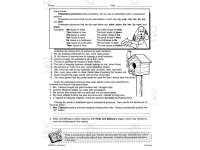
The paragraph-sorting worksheet needs a book or story to hand and another sheet of paper for the two lists, so it is the one page that is not print-and-go
The journal-entry worksheet asks students to describe their own role and their classmates' roles in a school project, which naturally forces both singular and plural possessives into the writing
The pronoun-confusion worksheet is the discussion page of the set - its example question about whether you would use pronouns at the start of a story works well read aloud before students write. Give subject and object choices extra attention with these pronoun worksheets.

Skills covered
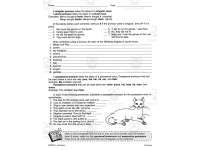
Pronoun case - the marked pages label items S or O and correct entries such as "1. me" and "6. him", so students must place subject and object forms correctly.
Possessive pronoun forms - one marked section sorts responses into possessives that come before the noun and possessives that stand alone, covering his, her, our, their, hers, theirs and mine.
Antecedent matching - a marked section pairs each pronoun with the noun it replaces: Miss Wilson with She, class with They, Edward with He, Mairin and Bethany with they.
Good to know
Questions teachers ask about this resource
What do the three open worksheets ask students to produce?
Written work rather than fill-in answers. One asks for a list of times when using only pronouns could confuse a reader, with a reason for each. One asks students to pick a short paragraph from a book they have read and split its pronouns into personal and possessive lists on another sheet. The third asks for a journal entry about a favourite school project with every possessive pronoun underlined.
Is anything needed beyond the printed pages?
Provide a short paragraph from a book or story and separate paper for the pronoun lists and journal writing. The other exercises are printed on the worksheets.

No reviews yet
Downloaded this resource? Tell other teachers how it went.
Resource details
Concepts & topics
Core concepts
 Core concepts
Pronouns
Personal pronouns
Possessive pronouns
Subject and object pronouns
Antecedents
 Topics
Explore more
Categories this resource belongs to
Explore related searches
More to explore
You may also like