



Sight Word Sentences, Fill in the Blanks, 1st Grade - SET 7
- Grades
- Grade 1
- Pages
- 6
- File type
- Preparation
- Print ready


- Subject
- ELA, Reading, Vocabulary
- Topic
- Sight words, Sentence completion
- Resource types
- Worksheets
- Preparation
- Print ready
- Standards
- RF.1.3.g
Product description
From the author
1st Grade Sight Words
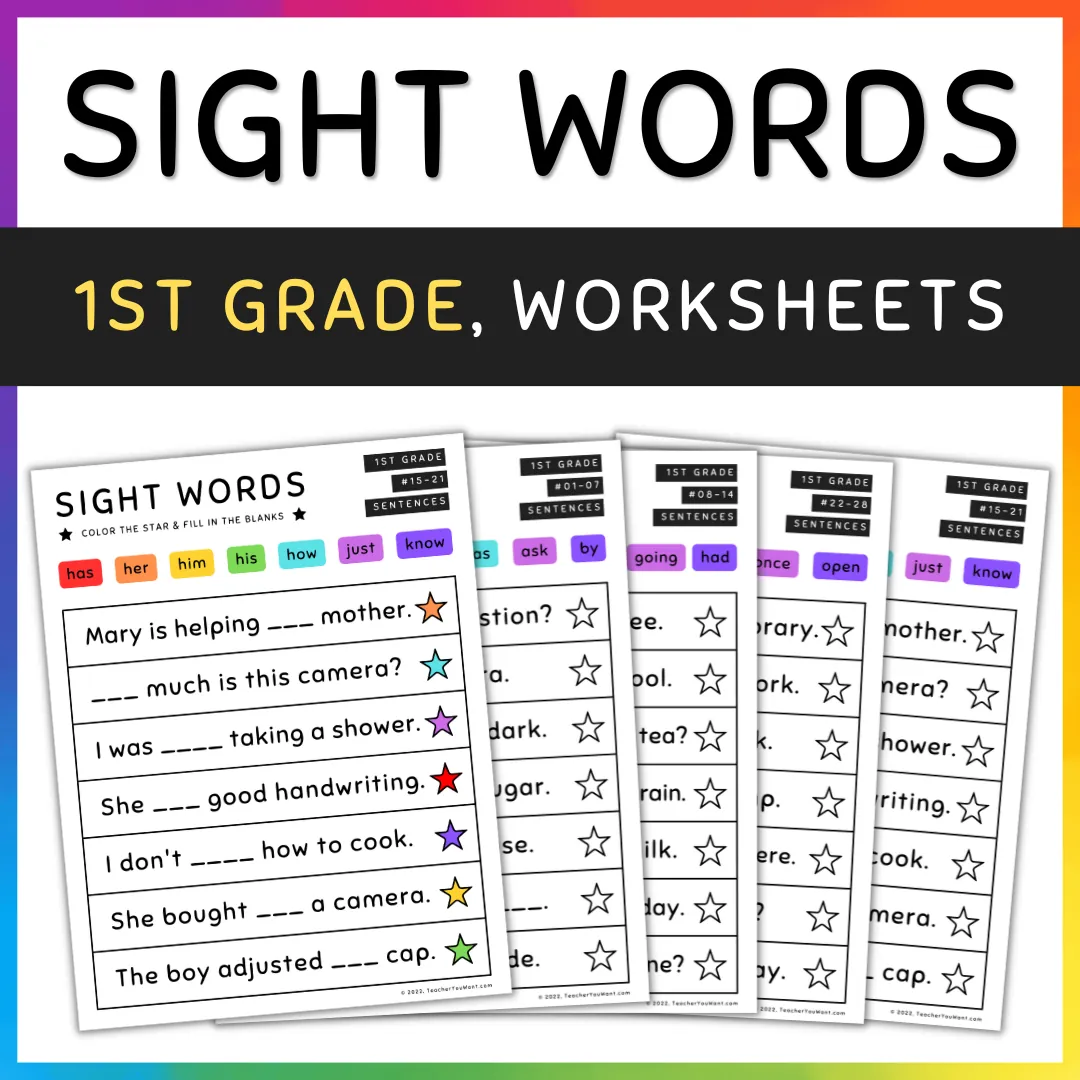
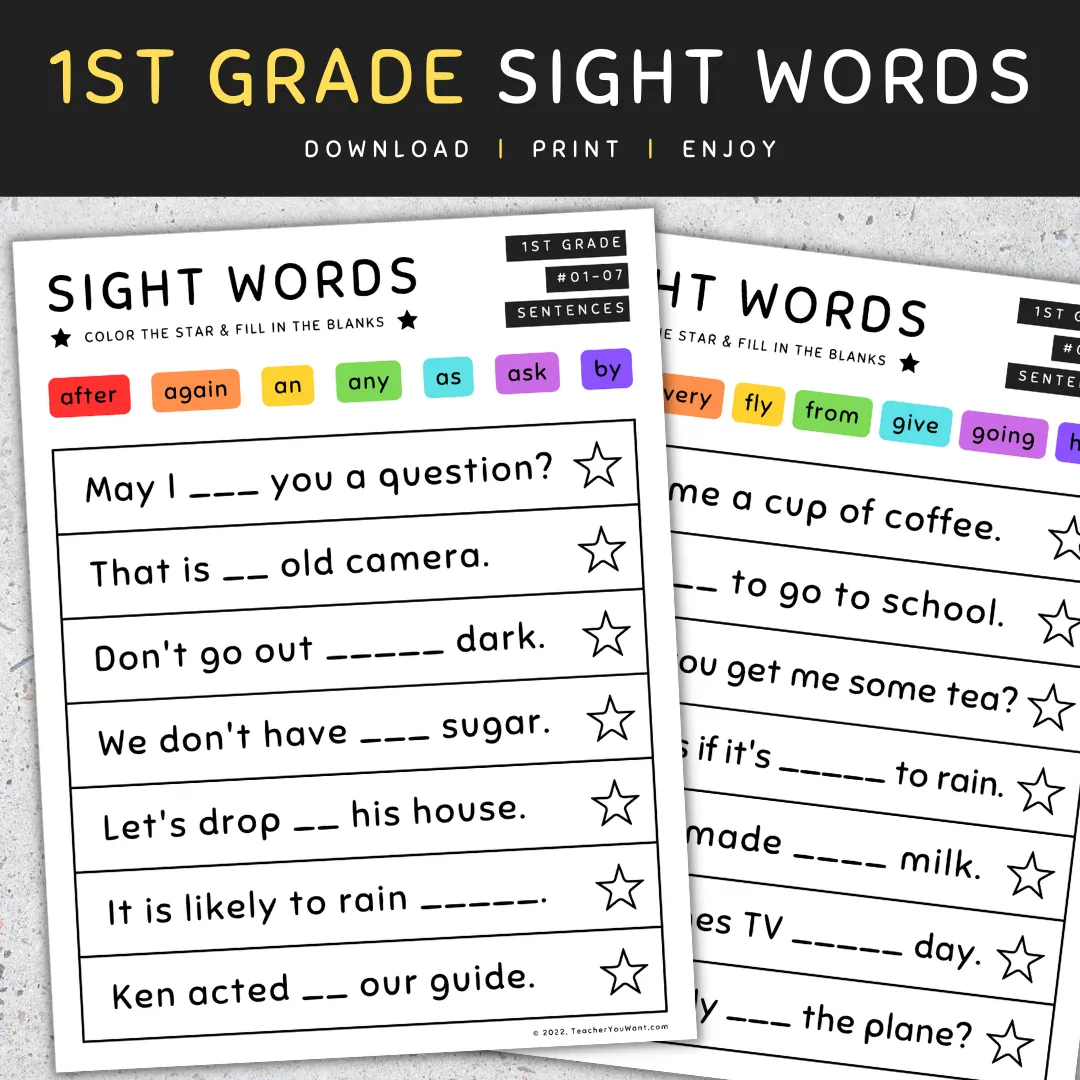
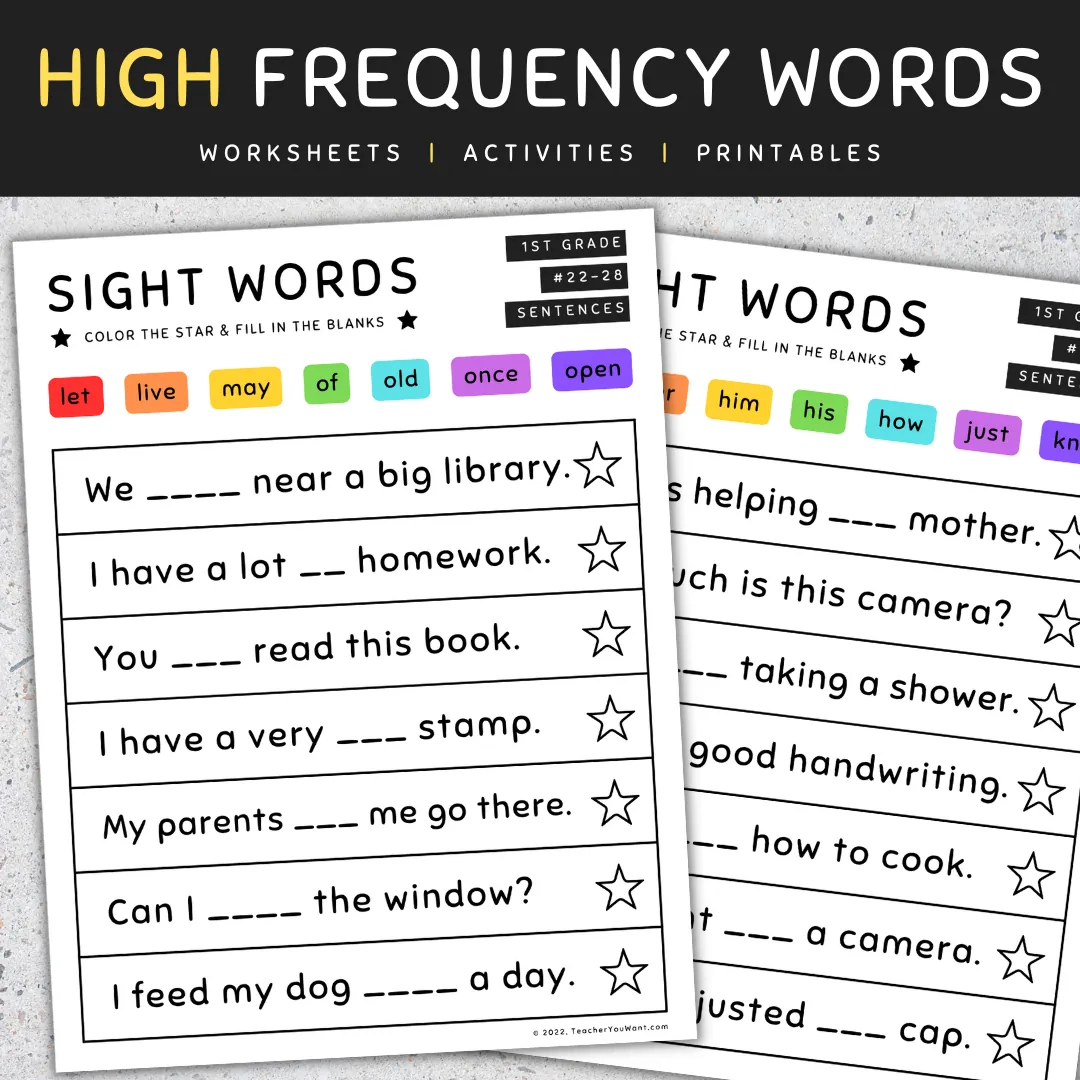
Introducing Set 7 of Sight Words Worksheets! This set is a fantastic resource for teachers and parents who want to help children improve their sight word recognition and sentence building skills. These worksheets feature a fun and engaging fill-in-the-blank activity that challenges children to use sight words in context. With seven sight words on each of the first five sheets and six on the last, children will have ample opportunity to practice and master these important words.
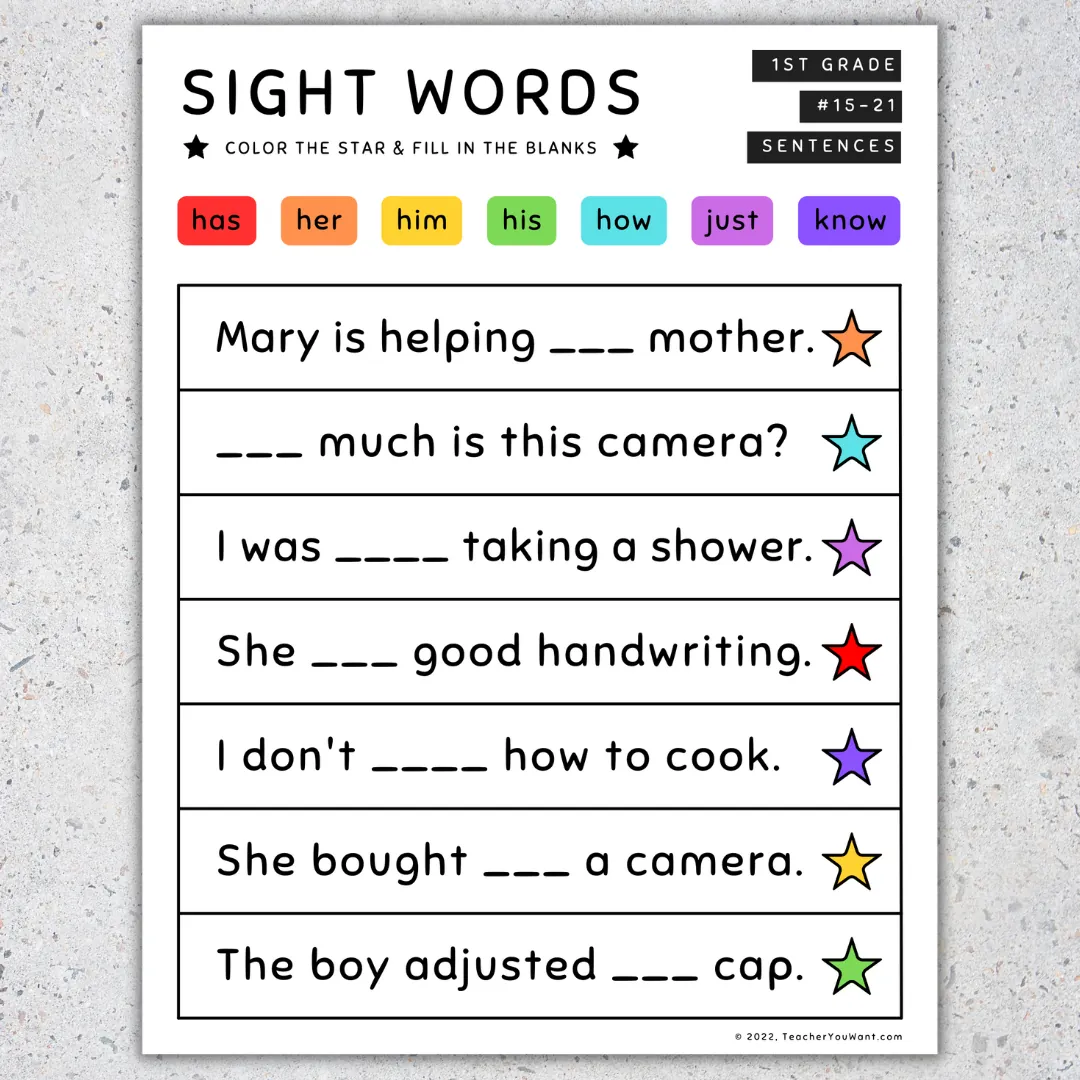
This set of worksheets is specifically designed to aid students in practicing and assessing their sight word recognition and usage in context. Each worksheet is visually appealing and engaging, making them perfect for group work, individual work, morning work, homework, and homeschooling. With the Sight Words Sentences Fill in the Blanks worksheets, students will be tasked with filling in the blanks of each sentence with the correct sight word. Once completed, students can then color in the star on the worksheet with the matching color of the sight word used. This not only helps reinforce sight word recognition but also encourages fine motor skills development.
But it's not just the design that makes these worksheets so effective. The fill-in-the-blank activity is a proven method for helping children build their sentence building skills. By using sight words in context, children are able to understand how these words are used in real-life situations. This can help them to remember the words more easily and use them correctly in their own writing.
In conclusion, Set 7 of Sight Words Worksheets is an excellent resource for parents and teachers who want to help children improve their sight word recognition and sentence building skills. With the visually appealing design, engaging fill-in-the-blank activity, and versatility, these worksheets are sure to become a favorite among both children and educators. Whether used for assessment, review, or practice, these worksheets offer a fun and effective way to learn sight words in context.
Words Included:
after, again, an, any, as, ask, by, could, every, fly, from, give, going, had, has, her, him, his, how, just, know, let, live, may, of, old, once, open, over, put, round, some, stop, take, thank, them, then, think, walk, were, when
Related resources
More resources teachers may find useful
24 related resources were found using this product's title, contributor, categories and tags.

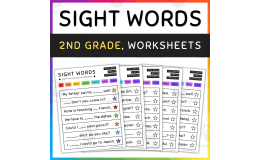
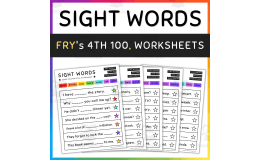
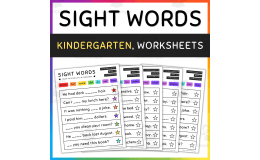
In the classroom
Teaching tips & learning objectives

Learning objectives
Read a sentence, identify what is missing, and supply the sight word that completes it
Choose between seven similar high-frequency words in the same bank — has, her, him, his all appear on one sheet
Use blank length as a check on the choice, since each gap matches the letters of the word it takes

Teaching tips
Sheet three groups several easily confused words: has, her, him, his, how, just and know sit in one bank, and four of them start with h, so it rewards reading the whole sentence rather than scanning first letters
The gaps are drawn to the length of the missing word, which gives a struggling reader a second route in — point that out explicitly rather than leaving it to be noticed
Several sentences use adult contexts — coffee, a camera, a guide, handwriting — so read them through before setting the sheet and explain unfamiliar contexts before students work independently

Skills covered
Sight word recognition in context — forty-one high-frequency words are met inside sentences rather than on flashcards.
Choosing between confusable words — banks group words that look and sound alike, so has, her, him and his have to be told apart by the sentence around them.
Following a two-part instruction — each page asks students to colour the star as well as fill the blanks.

No reviews yet
Downloaded this resource? Tell other teachers how it went.
Curriculum
Standards, concepts & topics
Standards
 Standards
- RF.1.3.g
Core concepts
 Core concepts
Sight words
High-frequency words
Fill in the blanks
Sentence context
 Topics
Explore more
Categories this resource belongs to
Explore related searches
More to explore
You may also like


