The Hate U Give Novel Study Student Workbook


- Grades
- Grades 8–12, Middle School, High School
- File type
- Preparation
- Print ready


- Subject
- ELA, Literature
- Topic
- angie thomas, the hate u give
- Resource types
- Workbooks, Worksheets & Printables
- Preparation
- Print ready
About this resource
What's inside this resource
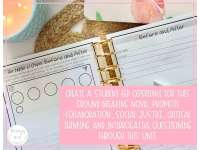
The Hate U Give is one of the hottest novels out, and its message is impactful. Engage your students through this novel with this student workbook that encourages a student-led learning while working closely with their peers to dig deep and answer some tough questions.
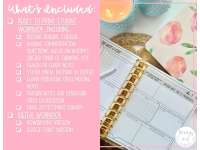
This product includes includes a detailed student workbook, including:
-Printable PDF version
-DIGITAL versions
- Microsoft AND Google versions available
-Editable reading schedule
-Reading comprehension questions based on bloom’s (higher order of thinking questions!)
-Character chart notes
-Social media inspired activities
-Guided literature circle meeting notes
-Teacher notes for literature circle facilitation
-Final assessment concept WITH rubric
-CCSS Alignments
This unit is geared around literature circles, where students will review the sections that they read, researching current events, asking deeper questions and focusing on social justice.
Related resources
More resources teachers may find useful
24 related resources were found using this product's title, contributor, categories and tags.


In the classroom
Teaching tips & learning objectives

Learning objectives
Cite textual evidence when explaining character motivation, symbolism and conflict across the novel
Track sixteen characters through the book, recording traits and each one's relationship to Starr
Connect the novel's events to real-world issues, including Emmett Till, protest, stereotyping and the Black Lives Matter and All Lives Matter exchange

Teaching tips
The teacher guide says the literature-circle section can be removed entirely, so the question pages work as a standalone workbook if group meetings do not fit your timetable
Groups of four or five are the stated ideal, and the same group carries through to the final assessment, so form them before the first meeting rather than at the end
The guide asks the teacher to stay hands-off during meetings while still joining the conversation with probing questions - worth agreeing with students in advance so the silence is not misread

Skills covered
Textual evidence - question after question asks students to support an answer with evidence from the text, from why Lisa and Starr leave the police station upset to how Starr describes Khalil in her interview.
Character tracking across a long novel - sixteen charts record full name, race, traits and relationship to Starr, building a reference students keep adding to as the book goes on.
Symbol and theme analysis - students are asked what the tanks in Garden Heights symbolise, what the King Lords' appearance at Khalil's funeral means, and how themes shift from the start of the book.
Good to know
Questions teachers ask about this resource
How do the literature circles work?
Students meet four times across the novel in groups of four or five, and those same groups carry through to the final assessment. Each meeting follows a set agenda - review the reading, discuss how social justice plays a role in that section, discuss how the themes have shifted since the start, then share the three questions each student brought. The guide asks the teacher to stay hands-off and let students run it.
What is the final assessment?
A group project called Campaign for Change. Each book group picks a social-justice issue from race, gender, sexual orientation, religion or mental ability, then explains the issue and who it affects, reports three current events, researches two teacher-approved questions using scholarly sources, and identifies three ways to raise awareness or solve it. The output can be a video, brochure, website, presentation, poster or an Instagram page, and a four-level rubric is supplied.
Is there a version students can complete on a device?
Yes. Alongside the 56-page printable workbook there is a 47-slide digital version whose fields read "Type here" in place of ruled lines, plus a page carrying a Google Slides copy-link to the same workbook and a reading-schedule slide you fill in yourself.

No reviews yet
Downloaded this resource? Tell other teachers how it went.
Resource details
Concepts & topics
Core concepts
 Core concepts
Novel study
Character analysis
Textual evidence
Social justice
Literature circles
 Topics
Explore more
Categories this resource belongs to
Explore related searches
More to explore
You may also like