Social Studies Lessons on Income Inequality


Social Studies, Life Studies, ELA, Economics, Finance, Reading, Reading Comprehension, Literature


About This Product
This lesson introduces middle school students to the basic ideas of capitalism and income inequality using familiar stories as reference points. Students will take notes on a handout and consider whether they think it's fair that the 26 richest people on earth have as much money as 3.8 billion other people.
They will learn about the moral of Charles Dickens’ A Christmas Carol: Dickens thinks Scrooge is too greedy and that he should share his wealth with others- especially his hard-working clerk, Bob Cratchit.
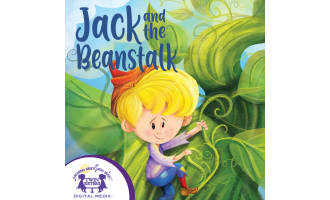
Next, they discover the message in the popular fairy tale Jack and the Beanstalk: one could argue the original author of this tale thinks Jack and his mom should not be living in poverty while the giant has piles of gold.
Then, they choose a story or novel of their own that addresses these issues and untangle that author’s specific message.
Finally, they complete a personal reflection of what they have learned and what they think about equality in society. There are no wrong answers here- some students may think changes should be made, while others may think our system is working well.
This is a developmentally-appropriate way to start a discussion about social issues including income inequality, wealth hoarding, progressive taxation, basic income, human rights, and more. It is also a good way to review parts of a story: plot, characters, moral, and theme.
Grades to Use With: This lesson is designed for students in the middle years (5-9) and can be used in a social studies or language arts class.
If you enjoy this product, check out other similar activities in my store:
Thinking Critically About Social Programs: More, Fewer, or Just Right?
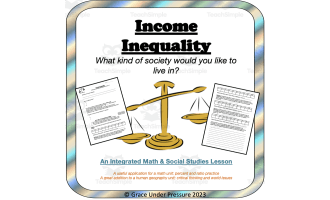
Critical Thinking: Income Inequality: An Integrated Math and Social Studies Lesson
What's Included
8 Page PDF
Title Page
Handout about Capitalism and Income Inequality
Page for A Christmas Carol
Page for Jack and the Beanstalk
Page for a story the student chooses
Reflection
Answer Key
Resource Tags
0 Reviews
Check out these other great products