Vertebrates vs Invertebrates Sorting Worksheet
- Grades
- Grades 2–4, Elementary
- File type
- Preparation
- Print ready


- Subject
- Science, Life Sciences, Animals
- Topic
- Science Worksheet, Science Vocabulary
- Resource types
- Worksheets & Printables, Worksheets
- Preparation
- Print ready
About this resource
What's inside this resource
Teaching science to our elementary students opens them up to a whole new world of interests, but with a whole new take! They get to learn about the weather and its changes. They get to learn about animals and their offspring. They get to learn about natural wonders, such as volcanoes! There are so many engaging things for students to learn during science.
What You Get:
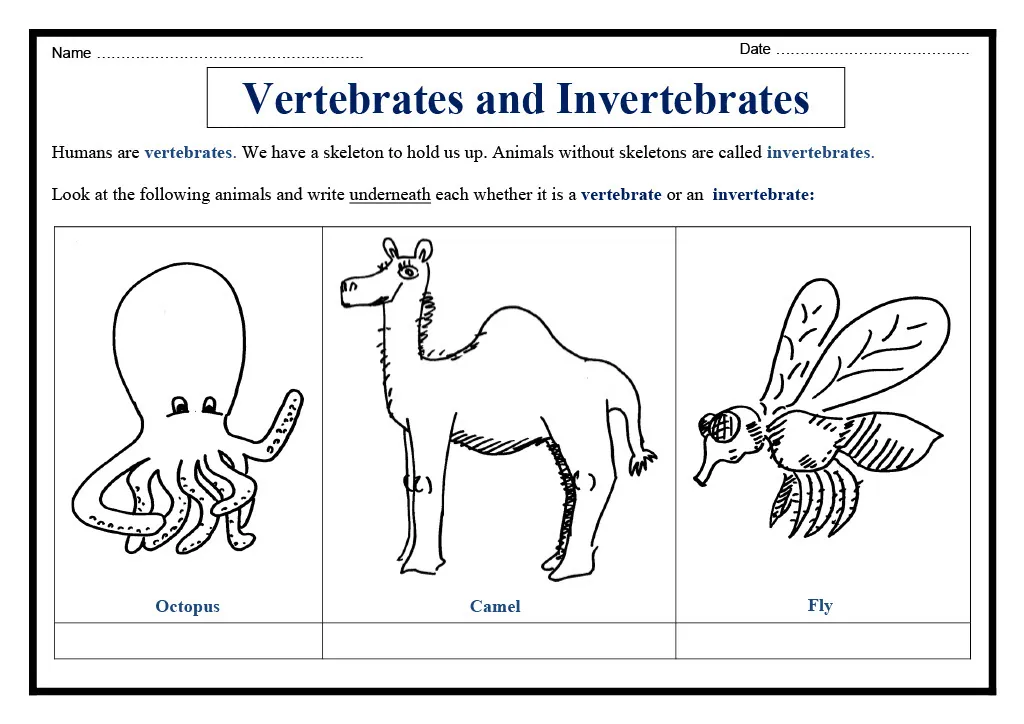
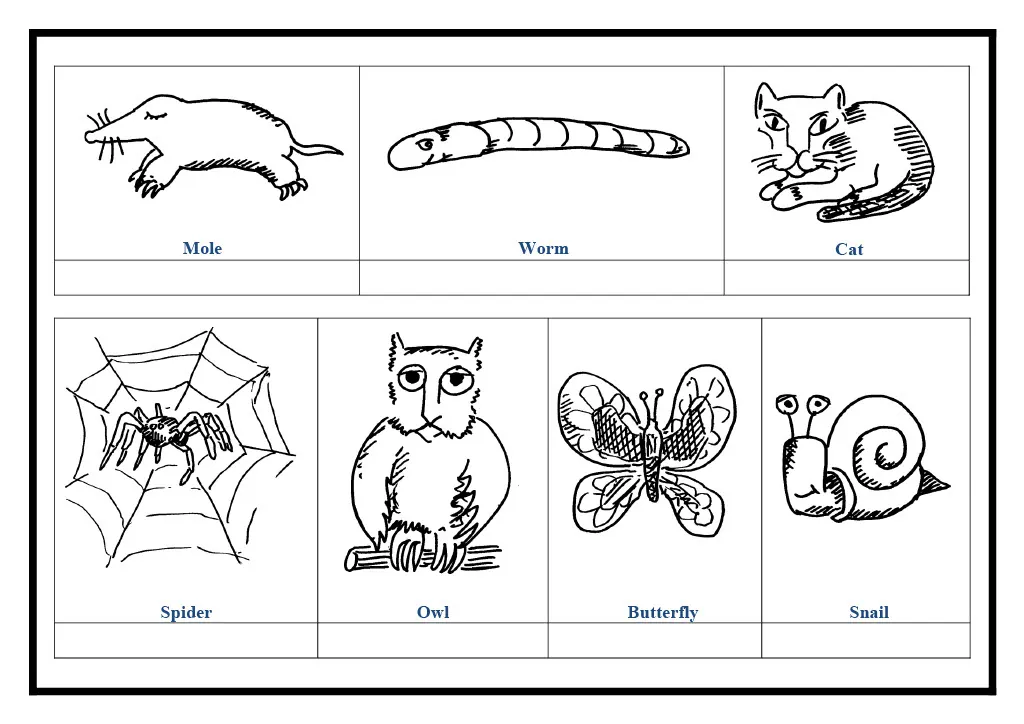
This is a Vertebrates and Invertebrates Worksheet that is ideal for elementary students! The objective is to correctly differentiate between animals that are vertebrates and animals that are invertebrates.
How To Implement This Resource:
Humans are vertebrates. We have a skeleton to hold us up. Animals without skeletons are called invertebrates. Students will look at the animals on each page and write whether it is a vertebrate or an invertebrate. There are 3 animals on the first page and 7 animals on the second page.
You can print off a class set for each student to complete. If you want to save on copies or wish to make this a reusable activity, you may choose to laminate these pages and students will use dry erase markers to complete. This can easily be included in a science center. With a total of 10 questions to complete, this also makes a great assessment.
An answer key is included.
I hope you enjoy!
Here are links to similar resources in my store:
Electrical Words and Symbols Worksheet
Factors Worksheet for Beginners
Check Out More Resources from My Store: Elementary Resources 4 U
Related resources
More resources teachers may find useful
24 related resources were found using this product's title, contributor, categories and tags.

In the classroom
Teaching tips & learning objectives

Learning objectives
Classify an animal as a vertebrate or invertebrate based on whether it has a skeleton
Apply the vertebrate/invertebrate rule to a range of familiar and less familiar animals, including insects and mollusks

Teaching tips
Use as a quick formative check after introducing the vertebrate/invertebrate concept, since it covers only one skill in a single pass
Discuss the less obvious cases (octopus, worm, spider) as a class afterward, since these lack an external skeleton cue that some students may expect

Skills covered
Animal classification — students sort ten animals, including an octopus, worm, and butterfly, into vertebrate or invertebrate groups based on the presence of a skeleton.

No reviews yet
Downloaded this resource? Tell other teachers how it went.
Resource details
Concepts & topics
Core concepts
 Core concepts
vertebrates
invertebrates
animal classification
Topics
 Topics
Explore more
Categories this resource belongs to
Explore related searches
More to explore
You may also like