Order Whole Numbers, Decimals and Fractions
Compare sets of whole numbers, decimals and fractions and arrange each set in order. An answer page is supplied.


- Grades
- Grades 5–6
- Pages
- 2
- File type


- Subject
- Numbers, Math
- Resource types
- Worksheets
- Ontario expectations
- B1.3 — compare
From the author
About this resource
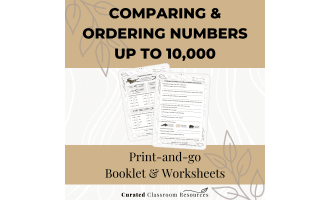
This Ordering Fractions, Decimals, and Whole Numbers Worksheet gives students seven sets to rewrite from least to greatest. The sets cover whole numbers, decimals and mixed numbers. A completed answer key is included on page two.
Related resources
More resources teachers may find useful
More resources on the same subject and topic.


In the classroom
Teaching tips & learning objectives

Learning objectives
- Compare values written in several number forms
- Arrange every member of a set from least to greatest

Teaching tips
- Align decimal places when comparing decimal values.
- Confirm that no number was omitted or repeated in the rewritten sequence.

Skills covered
- Magnitude comparison — judging relative numerical size
- Place-value reasoning — comparing decimal and whole-number positions

No reviews yet
Downloaded this resource? Tell other teachers how it went.
Ontario curriculum
Ontario curriculum expectations
Ontario expectations
 Ontario expectations
- B1.3 — compare and order integers, decimal numbers , and fractions , separately and in combination, in various contexts
Core concepts
 Core concepts
- Ordering numbers
- Fractions, decimals, and whole numbers
Explore more
Categories this resource belongs to
Explore related searches



More to explore