Plot: The Five Elements of a Story Graphic Organizers


- Grades
- Grades 3–6
- Pages
- 14
- File type
- Preparation
- Print ready


- Subject
- Reading Comprehension, Writing, Reading, ELA
- Topic
- Literary, Device
- Resource types
- Graphic Organizers, Templates
- Preparation
- Print ready
- Ontario expectations
- C3.3 — Ontario grade 4 language c3.3
From the author
About this resource
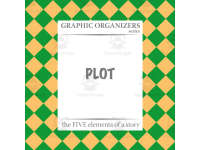
This is our PLOT section of our Graphic Organizers Series: The FIVE Elements of a Story. In this set, you can enjoy 10 custom graphic organizers for Plot. Select a format and text that suit the students’ reading level and current lesson.
Use these graphic organizers to help students gain an understanding of Plot in a story. Each graphic organizer comes with instructions on how to use them.
Plot Graphic Organizers:
Plot Pyramid – Complete this classic Plot Pyramid graphic organizer by writing the Introduction of the story in the bottom left box. Then, describe the Rising Action, followed by the Climax of the story. Finish up with the Falling Action and the Resolution or Conclusion of the story.
Sequence – Describe events from the story in sequence. Start off by writing the Initiating Event, or the event that starts off a chain reaction, in the top box. Follow this with the Steps that directly result from this event in order that they occur. Finish up by writing the Final Outcome of this event.
Prediction Chart – In the first column, write down what you predicted, or thought would happen in the story. In the second column, write down what actually happened in the story. Continue this format for each event you predict will happen in the story.
Storyboard – Illustrate the plot or an event from the story. Draw or describe in detail each stage in the plot or in an event that takes place in the story. Remember, the order of plot development is: Introduction, Rising Action, Climax, Falling Action, and Resolution/Conclusion.
Story Structure – Complete the Story Structure by identifying the Introduction, events of the Rising Action, Climax, events of the Falling Action, and the Conflict and Resolution of the story. Then, identify the theme of the story, as well as the setting of the story (where and when the story takes place).
Sequence Chain – Describe up to 9 events from the story in the order that they occur. Write the first event in the first box, followed by the second event in the following box, and so on following the chain. It is not necessary to fill in every box with an event. For an extra activity, draw each event in detail.
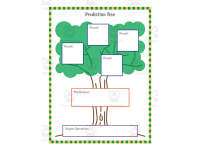
Prediction Tree – In this Prediction Tree graphic organizer, write your question at the base of your tree. On the trunk, write down your prediction to the answer of the question posed. On the branches, write down evidence from the story to support your prediction.
Story Cycle – Describe the Introduction of the story in the top right box. Following the cycle, describe the Rising Action next. Then, include the Climax of the story. Follow this with the Falling Action, and finally with the Resolution of the story. Then, describe how the Resolution relates back to the Introduction.
Changes in Plot – Identify how the Plot changes throughout the story. In the first column, write down what happened in the beginning of the story. In the second column, write down what happened at the end of the story. Compare the two to show how the plot changed. Do this for every event in the story.
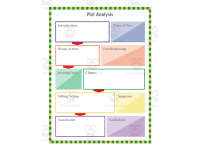
Plot Analysis – Describe the Introduction and identify the Point of View. Describe the Rising Action and what’s being Foreshadowed if relevant. Identify the Inciting Force and the Climax. Describe the Falling Action and any Suspense that is experienced. Describe the Conclusion and any Symbolism that is present.
Related resources
More resources teachers may find useful
More resources on the same subject and topic.


In the classroom
Teaching tips & learning objectives

Learning objectives
Identify and sequence a story's five plot elements: introduction, rising action, climax, falling action, and resolution
Support a prediction about a story's outcome with evidence, using either a two-column chart or a Prediction Tree format
Analyze plot alongside point of view, foreshadowing, and symbolism using the Plot Analysis organizer
Compare how a story's plot changes from beginning to end using the Changes in Plot chart

Teaching tips
Choose a single organizer format that matches the current lesson focus (e.g., Prediction Tree for a predicting-with-evidence lesson, Plot Analysis for a literary-devices lesson) rather than assigning all ten at once.
Use the Storyboard or Sequence Chain formats with picture books or shorter texts, since they ask for up to six or nine discrete events.
Introduce the Plot Pyramid or Story Cycle first as the most foundational five-element formats before moving to the more advanced Plot Analysis organizer.

Skills covered
Plot-element identification and sequencing — students place a story's introduction, rising action, climax, falling action, and resolution into structured graphic organizer formats such as the Plot Pyramid and Story Cycle.
Evidence-based prediction — students record a prediction and cite supporting evidence from the text using the Prediction Tree or Prediction Chart formats.
Literary-device analysis — students identify point of view, foreshadowing, and symbolism alongside plot stages using the Plot Analysis organizer.

No reviews yet
Downloaded this resource? Tell other teachers how it went.
Ontario curriculum
Ontario curriculum expectations
Ontario expectations
 Ontario expectations
- C3.3 — Ontario Grade 4 Language C3.3: analyze various texts, including literary and informational texts, by identifying main and supporting ideas, sequencing the events of multiple plots, and explaining cause and effect.
Core concepts
 Core concepts
Plot structure
Rising action
Climax
Resolution
Prediction
Topics
 Topics
Explore more
Categories this resource belongs to
Explore related searches




More to explore