Pretérito indefinido vs pretérito imperfecto: ejercicios



- Pages
- 11
- File type
- Answer key
- Included


- Subject
- Spanish, Foreign Languages
- Topic
- Pretérito Indefinido Vs Pretérito Imperfecto
- Resource types
- Worksheets
- Answer key
- Included
From the author
About this resource
Introducción
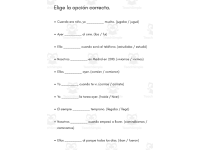
Si estás enseñando gramática española y a tus estudiantes les cuesta saber cuándo usar el pretérito indefinido y el pretérito imperfecto, este recurso fue creado para darles práctica adicional de una forma simple y clara. He preparado estos ejercicios después de notar que muchos alumnos entienden la regla, pero siguen cometiendo errores al elegir el tiempo verbal correcto en las oraciones. El objetivo es ofrecer suficiente repetición para que ganen seguridad y confianza.
Objetivo:
Los estudiantes practicarán y reforzarán la diferencia entre el pretérito indefinido y el pretérito imperfecto mediante una variedad de actividades gramaticales sencillas y guiadas.
Qué incluye:
10 secciones de ejercicios sin preparación previa
Práctica del pretérito indefinido y pretérito imperfecto
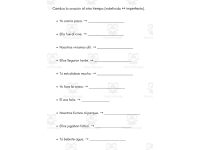
Actividades variadas como completar oraciones, opción múltiple, reescritura de frases, conjugación de verbos, corrección de errores y creación de oraciones
Edades / niveles:
Recomendado para estudiantes de 12 a 16 años o nivel principiante–intermedio de español
Formato de implementación:
PDF imprimible
No editable
Fácil de imprimir y usar en clase, como tarea o repaso
Ideal para práctica individual, preparación de exámenes o actividades en grupo
Related resources
More resources teachers may find useful
More resources on the same subject and topic.


In the classroom
Teaching tips & learning objectives

Learning objectives
Distinguish when to use the Spanish preterite (pretérito indefinido) versus the imperfect (pretérito imperfecto)
Correctly conjugate regular and irregular verbs in the preterite and imperfect tenses
Identify and correct an incorrectly conjugated past-tense verb in a Spanish sentence

Teaching tips
Review the common time-cue words (ayer, cuando era niño, todos los días) before assigning the worksheet, since several exercises depend on recognizing these cues
Use the labelling exercise (indefinido vs. imperfecto) as a quick formative check before the harder conjugation and error-correction sections
Save the error-correction page for last, since it requires students to apply both tenses correctly rather than choose from given options

Skills covered
Preterite vs. imperfect selection — students choose the correct past tense based on contextual time cues across multiple sentence sets.
Verb conjugation — students conjugate regular and irregular Spanish verbs correctly in the preterite and imperfect tenses.
Error correction — students find and fix an incorrectly conjugated verb in a given Spanish sentence.
Good to know
Questions teachers ask about this resource
What cues in the sentences signal whether to use the preterite or the imperfect?
Time markers such as "ayer" (yesterday) and "el año pasado" (last year) point to the preterite, while phrases like "cuando era niño" (when I was a child) and "todos los días" (every day) point to the imperfect, and the exercises are built around noticing these cues.

No reviews yet
Downloaded this resource? Tell other teachers how it went.
Resource details
Concepts & topics
Core concepts
 Core concepts
Pretérito indefinido
Pretérito imperfecto
Spanish verb conjugation
 Topics
Explore more
Categories this resource belongs to
Explore related searches


More to explore
You may also like