Adding -ed: Double the Final Consonant


- Grades
- Grades 1–3
- Pages
- 2
- File type


- Subject
- Grammar, ELA
- Resource types
- Worksheets
- Ontario expectations
- B2.3 — use developing knowledge of the meanings of words
From the author
About this resource
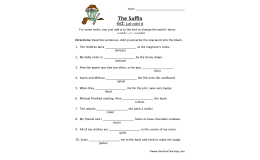
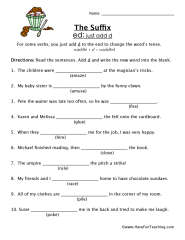
If you want to give students extra practice with their grammar skills, I have just the resource for you. This worksheet is a great way for students to practice adding the suffix ED to words. By doing this, they can improve their spelling and writing skills. This Suffix ED Worksheet is a great way for students to learn how to correctly apply suffixes. Whether you are looking for a review, an introduction, or an informal assessment, this worksheet will serve that purpose!
What You Get:
This is a 2-page printable PDF that was designed for 1st and Grade 2 language arts students. The first page has 10 sentences. The second page is the answer key.
How to Implement This Suffix ED Worksheet:
This Suffix ED Worksheet consists of 10 sentences for students to read and fill in the blank. For each sentence, students will add ed and write the new word in the blank. This worksheet can be utilized in a variety of engaging ways. Some ways included are:
-- You can print off a class set for all students to complete. When you have introduced the –ed suffix to students, you can complete this worksheet as a whole group. While you have a worksheet displayed on the smart board, students can have a copy at their desks.
-- Students can work as partners or small groups to complete the worksheet.
-- This can be used as a homework assignment. It also works well as a formal assessment that can be scored for a grade.
Take A Look at My Best Sellers:
Ending Blends Pictures Worksheet
Making Inferences Worksheet
Locating Nonfiction Text Features Worksheet
Matching Animal Habitats Worksheet
Recognizing Fractions Worksheet
Graphing Bugs Worksheet
Creator-supplied links: Have Fun Teaching
Related resources
More resources teachers may find useful
More resources on the same subject and topic.

In the classroom
Teaching tips & learning objectives

Learning objectives
- Add -ed to short verbs that require a doubled final consonant
- Use correctly formed past-tense verbs in sentences

Teaching tips
- Have learners box the final consonant before adding the ending so the spelling change remains visible.

Skills covered
- Spelling application — identify and double the final consonant before writing the -ed form in a sentence.

No reviews yet
Downloaded this resource? Tell other teachers how it went.
Ontario curriculum
Ontario curriculum expectations
Ontario expectations
 Ontario expectations
- B2.3 — use developing knowledge of the meanings of words and common morphemes (i.e., bases , prefixes , and suffixes ) to read and spell words
Core concepts
 Core concepts
- Consonant doubling
- Past-tense -ed
Explore more
Categories this resource belongs to
Explore related searches


More to explore