Short and Long Vowels: Missing-Letter Practice


- Grades
- Kindergarten, Grades 1–2
- Pages
- 10
- File type


- Subject
- Phonics, Language Development, ELA
- Resource types
- Worksheets
- Ontario expectations
- B2.4 — use phonics knowledge
From the author
About this resource
Setting the foundation for reading is a major feat for teachers because we strive to make all of our students feel successful. There are many moving pieces to this new skill for young learners. Learning letter sounds is one of the many necessary components. Another skill that we tackle is learning short vowel and long vowel sounds. That is the objective of this product.
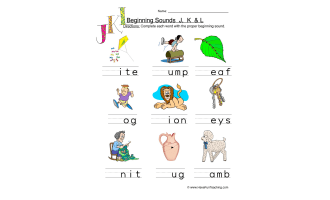
This is a Working with Phonics Worksheet packed with 10 pages of practice for students. From page to page, students will fill in the missing letter for a, e, i, o, and u. First, they will practice with the short vowel, then the long vowel. The corresponding image will help students identify the word.
This worksheet is most appropriate for students being introduced to or reviewing short or long vowel sounds: preschool – Grade 1 students.
You can implement this activity in a few ways:
1. Independent work
2. Early finishers
3. Small group
4. Literacy centres
If you want them to use these over and over again, you can laminate each page and have students use dry erase markers.
I hope you enjoy!
Here are links to similar resources in my store:
I can be contacted for questions and concerns at kdspreschoolshop@gmail.com.
Related resources
More resources teachers may find useful
More resources on the same subject and topic.


In the classroom
Teaching tips & learning objectives

Learning objectives
- Identify the letter that produces a named short or long vowel sound within a word
- Distinguish between the short and long sound of each of the five vowels
- Complete a partially spelled word by supplying the correct missing vowel

Teaching tips
- Name each picture before students fill the blank, using the picture and partial spelling together.

Skills covered
- Short vowel decoding — students identify the missing letter that completes short-vowel words such as "c_p" (short a) and "c_p" (short u).
- Long vowel decoding — students identify the missing letter or vowel team that completes long-vowel words such as "tr_e" (long e) and "c_ke" (long a).
- Sound-to-spelling association — students connect a named vowel sound (e.g. "the long o sound") to its written representation across multiple example words per page.

No reviews yet
Downloaded this resource? Tell other teachers how it went.
Ontario curriculum
Ontario curriculum expectations
Ontario expectations
 Ontario expectations
- B2.4 — use phonics knowledge and phonemic blending to read words, and phonemic segmentation to spell phonetically regular words, in isolation and various text contexts
Core concepts
 Core concepts
- Short vowel sounds
- Long vowel sounds
- Phonics
- Letter-sound correspondence
Explore more
Categories this resource belongs to
Explore related searches


More to explore