Rational Numbers Safari Escape Room – Interactive Math Adventure
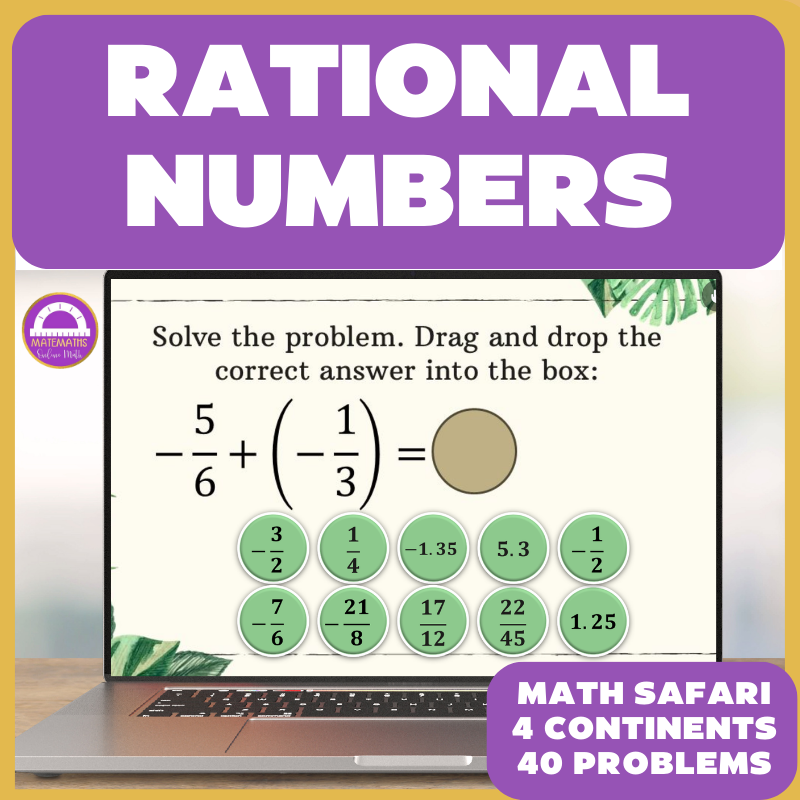
A self-checking digital escape-room activity giving practice on rational-number operations (fractions, decimals, negatives, mixed operations) framed as a 'safari' theme.
Classroom resources
Find number games for counting, recognizing numerals and practicing operations, with place-value, fraction and decimal challenges.
Browse by lesson focus
Choose the topic or kind of practice you need.
A self-checking digital escape-room activity giving practice on rational-number operations (fractions, decimals, negatives, mixed operations) framed as a 'safari' theme.
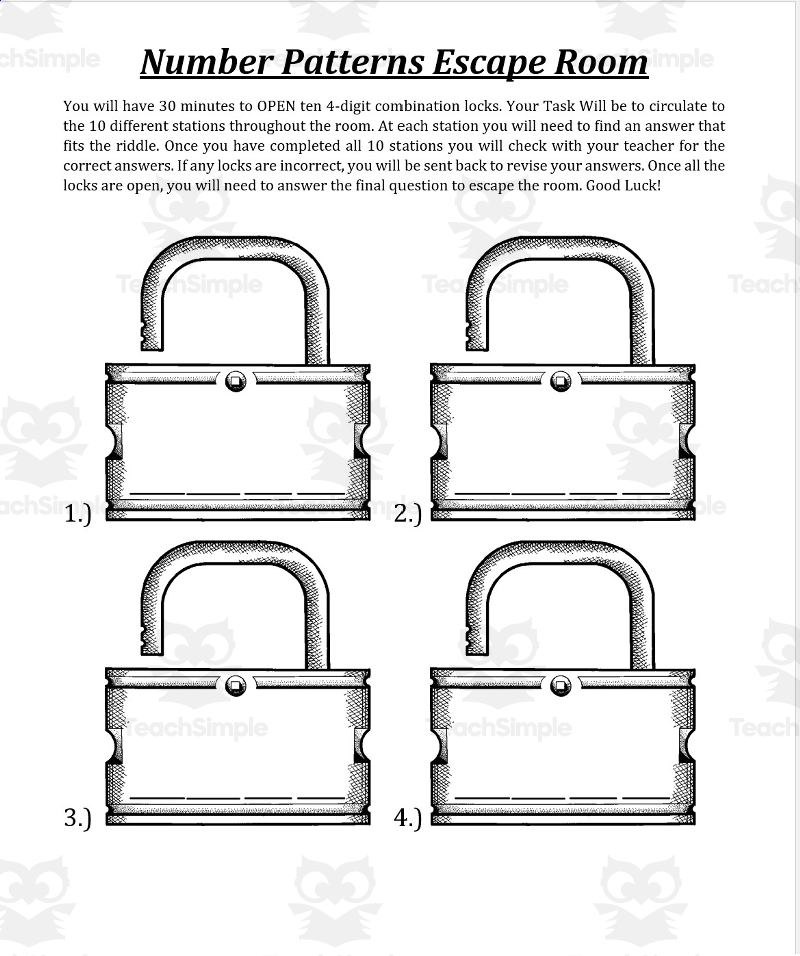
A math escape-room activity where students solve number-divisibility riddles at stations to open combination locks and ultimately answer a final riddle to 'escape'.
Bingo Board Games for Kindergarten is a 100+ page resource full of bingo games for your little learners! Such a wide range of reading and math skills are covered!
Fantasy-narrative escape-room lesson (Lesson 4 of 4, final installment) teaching multiplication and division through a guided puzzle adventure culminating the dragon-quest series.
A set of Grade 4 math bingo games (multiple question sets/'clue' cards) covering place value, division remainders, factors/multiples, fraction-decimal conversion, decimal addition/subtraction, area/perimeter, money/change, and mixed-number conversion.
Two bingo games providing practice adding and subtracting whole numbers with regrouping, aligned to CCSS 4.NBT.4.
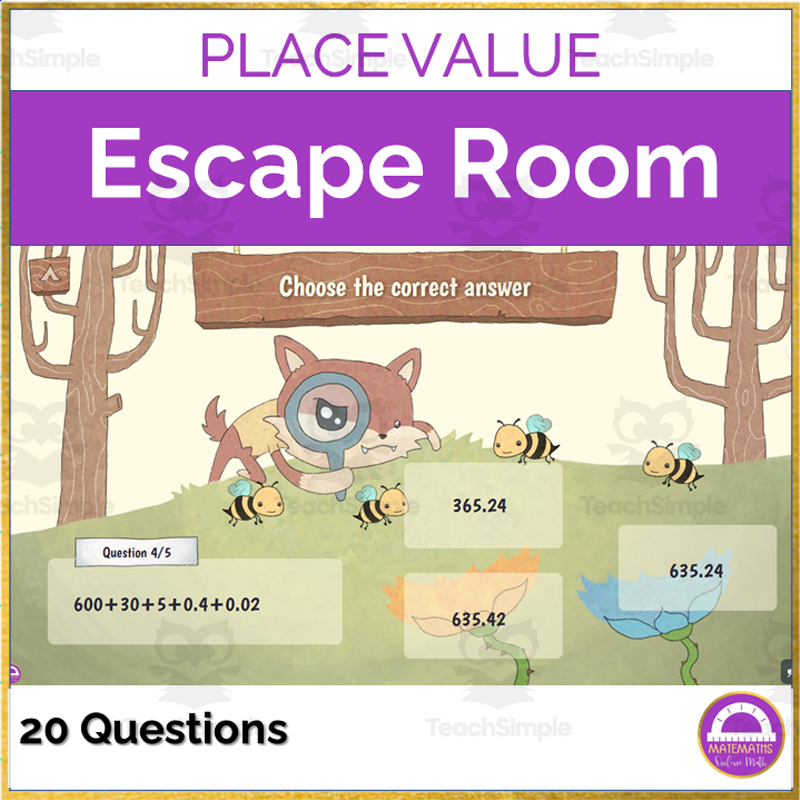
Practice converting expanded-form decimal place value expressions into standard five-digit decimal numbers; also links students to an external interactive digital escape room platform.
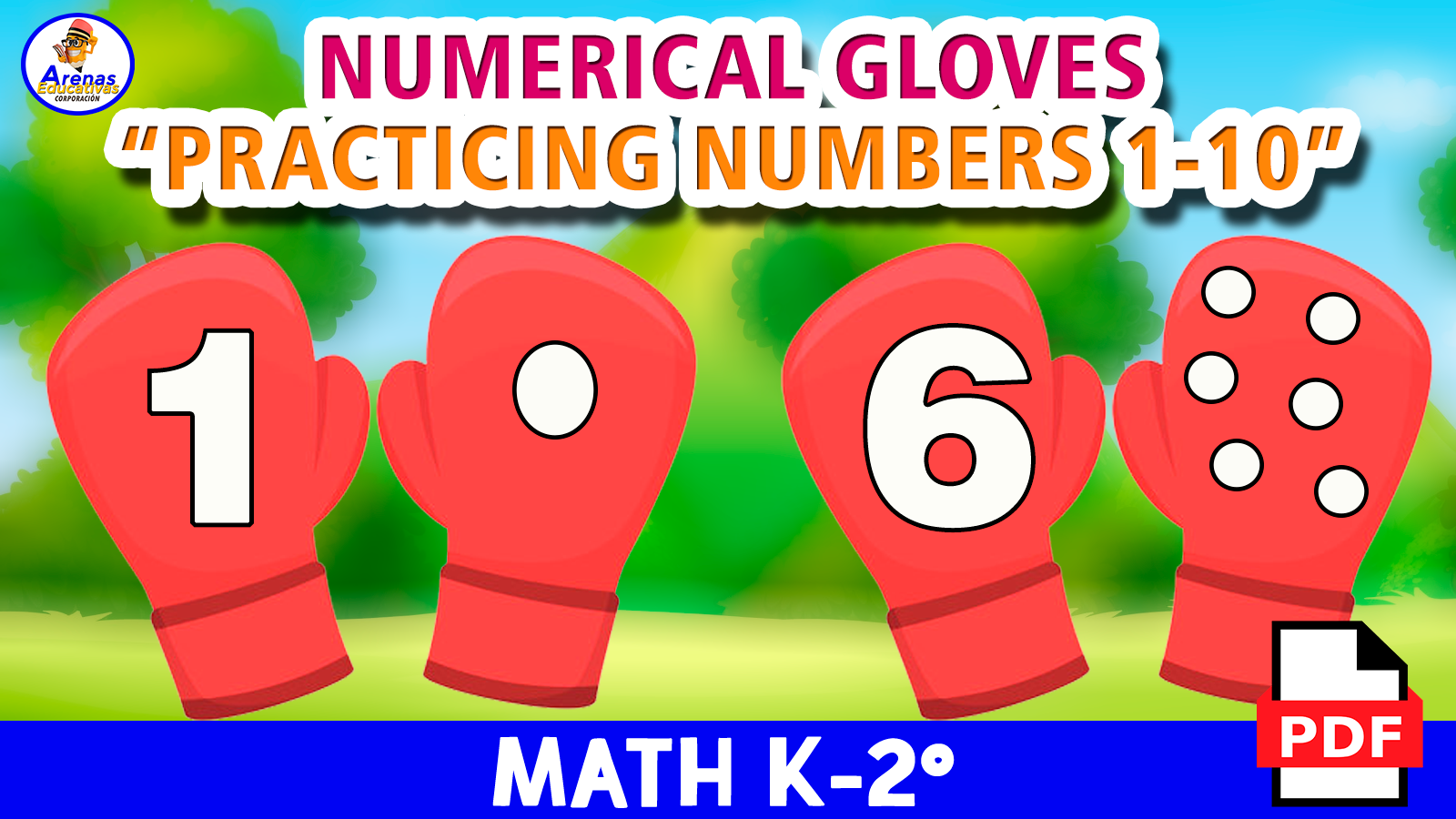
Practice number identification 1-10 through a bingo game.
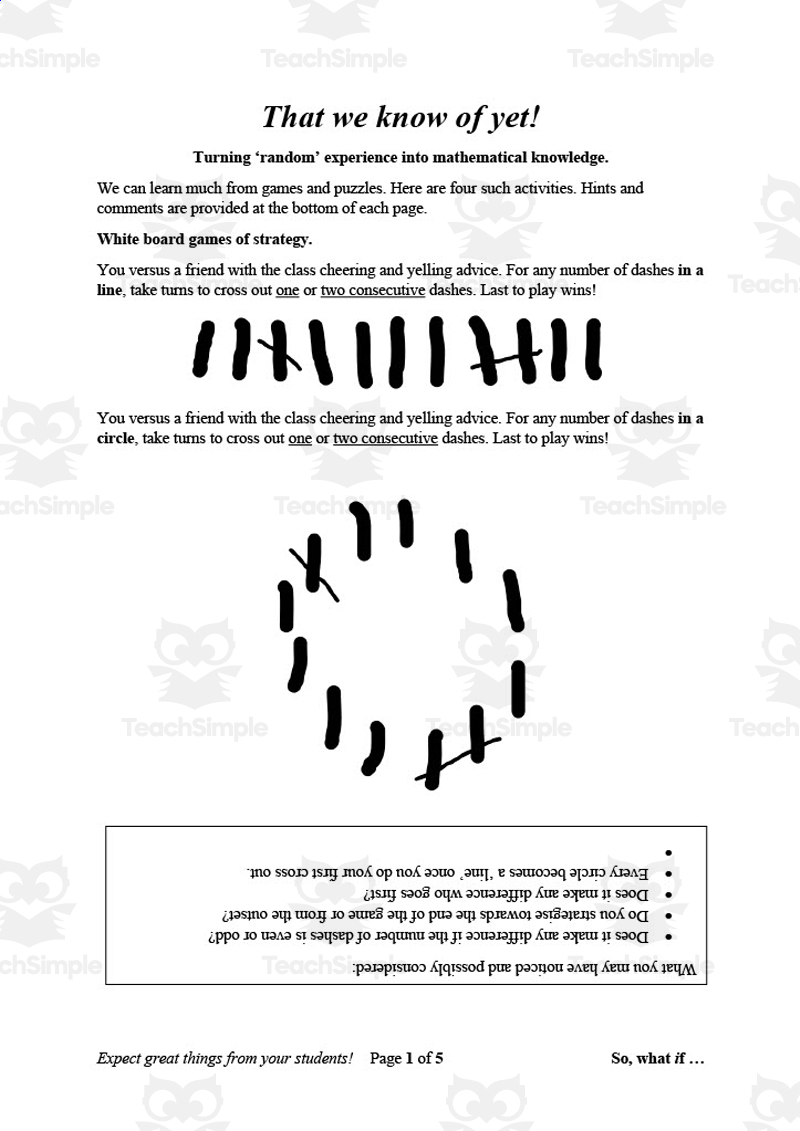
A math-enrichment printable from the 'That we know of yet!' series that builds mathematical/strategic thinking through games and puzzles.
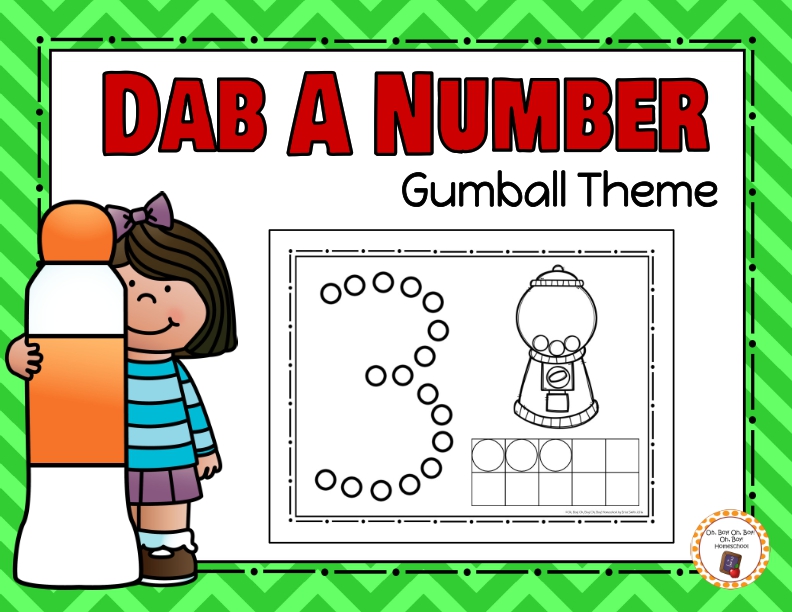
Low-prep number recognition and counting packet using a bingo dabber/dot marker, gumball theme, for numbers 0-10.
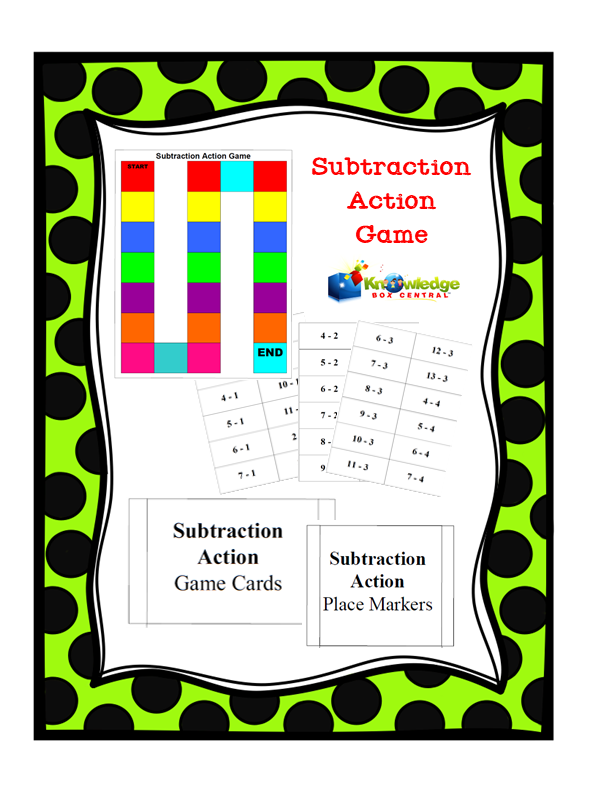
A board game for practicing basic subtraction facts (differences 0-9 within numbers up to 19).
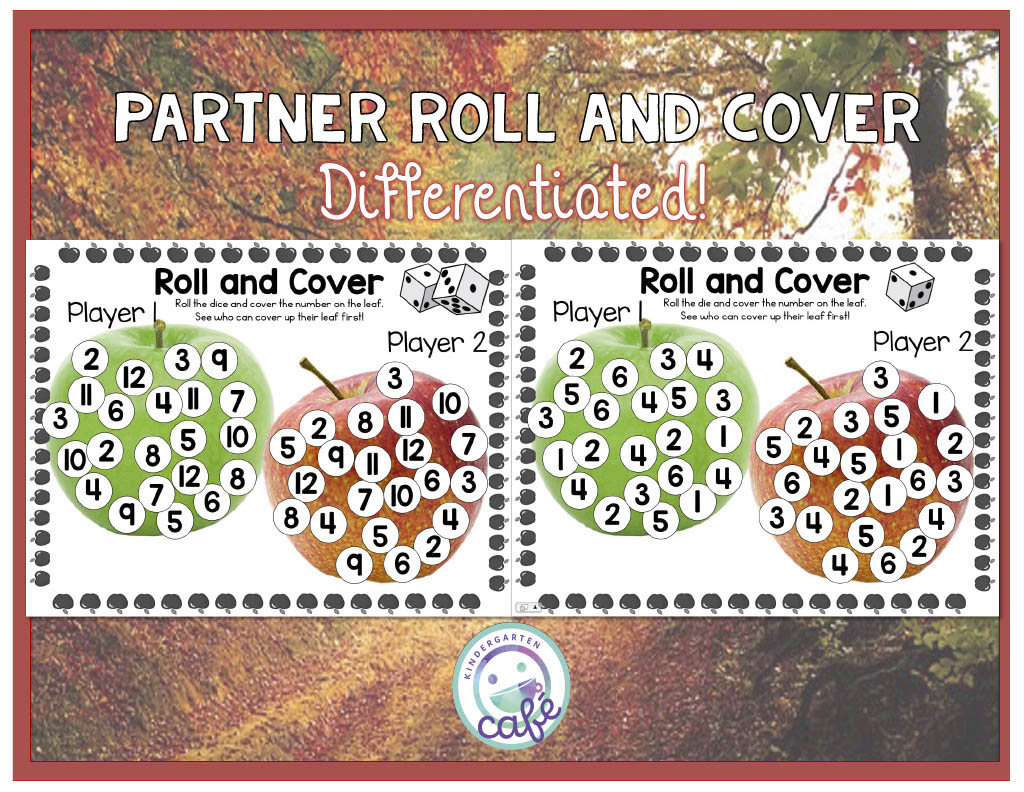
An apple-themed partner dice game for practicing number recognition, differentiated by number range.
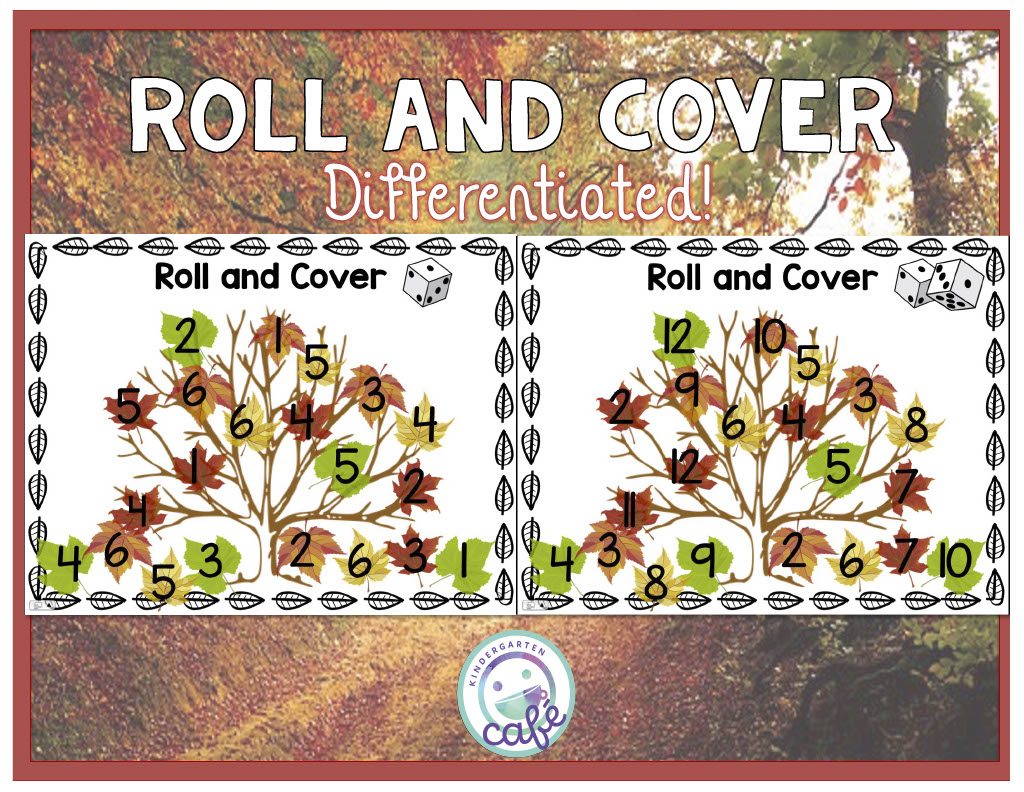
A tree/leaves-themed partner dice game for practicing number recognition, differentiated by number range.
A slideshow-based bingo game giving students practice adding and subtracting fractions, including mixed numbers, aligned to CCSS 5.NF.
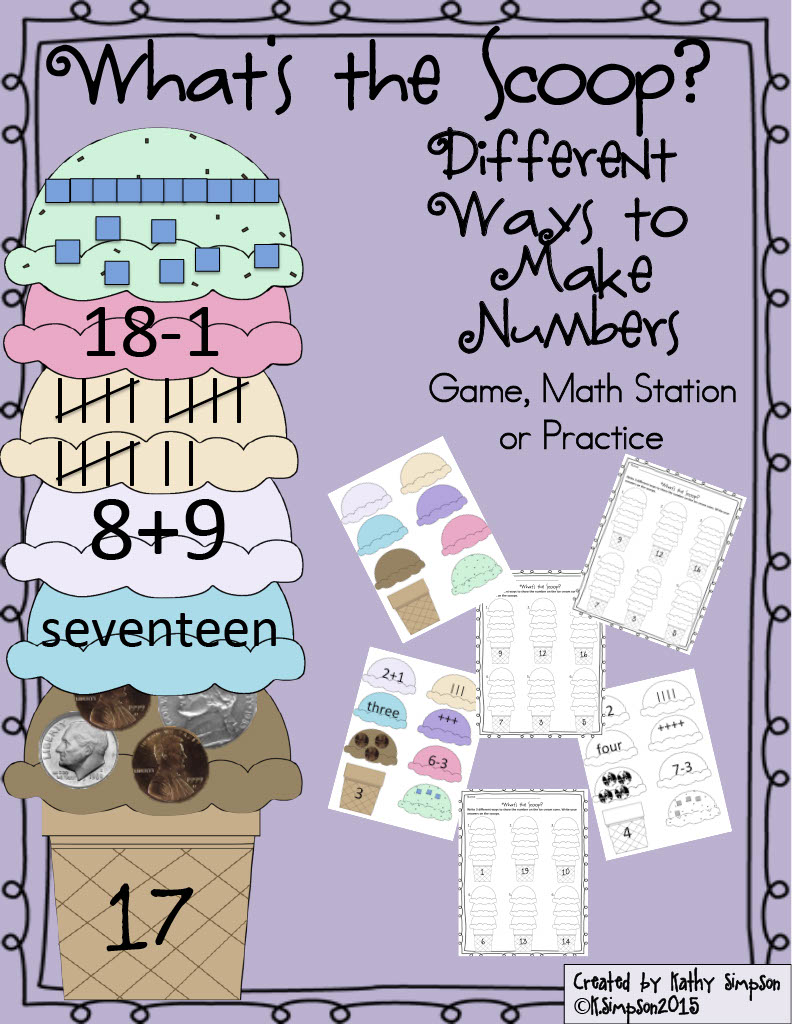
A hands-on math game and worksheet set ('What's the Scoop?') for practicing multiple ways to represent numbers 1-20 (numeral, tally marks, addition/subtraction equations, and word form) using an ice-cream-scoop matching game plus companion worksheets.
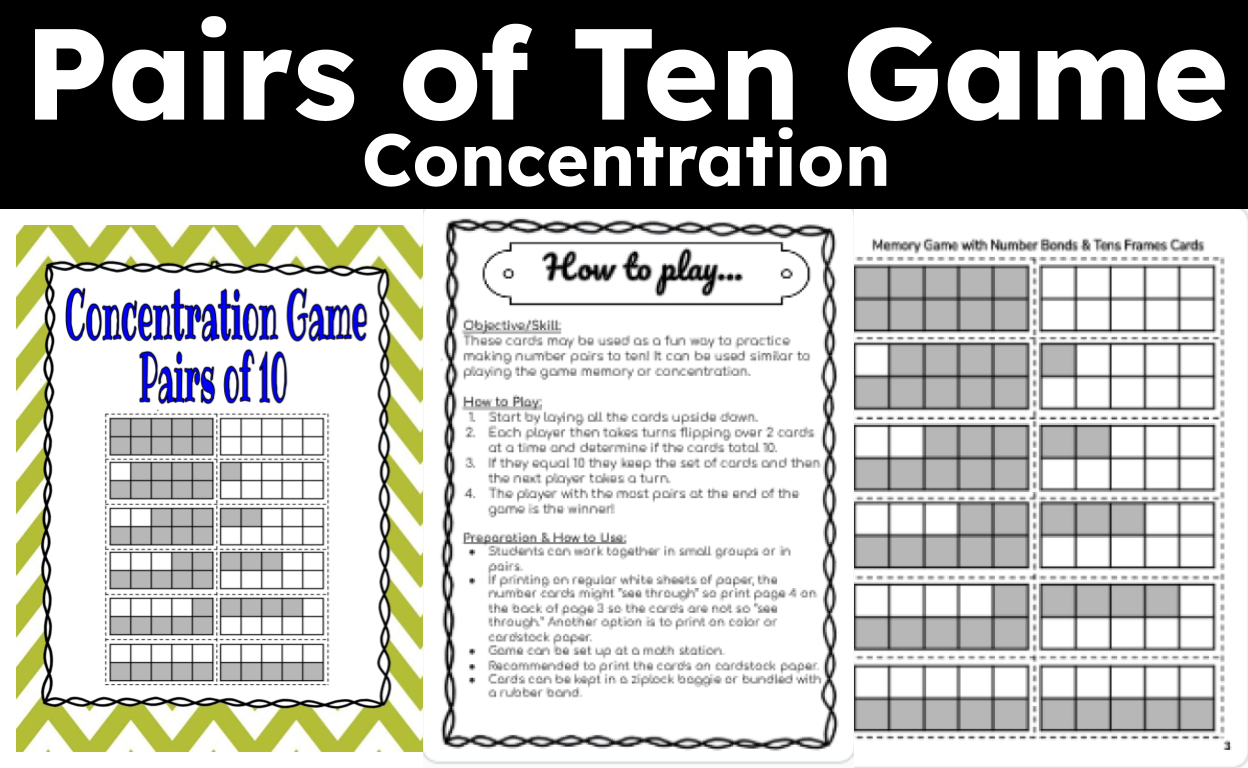
A memory/concentration-style card game for practicing number bonds (pairs) that sum to ten, for use at a math center.
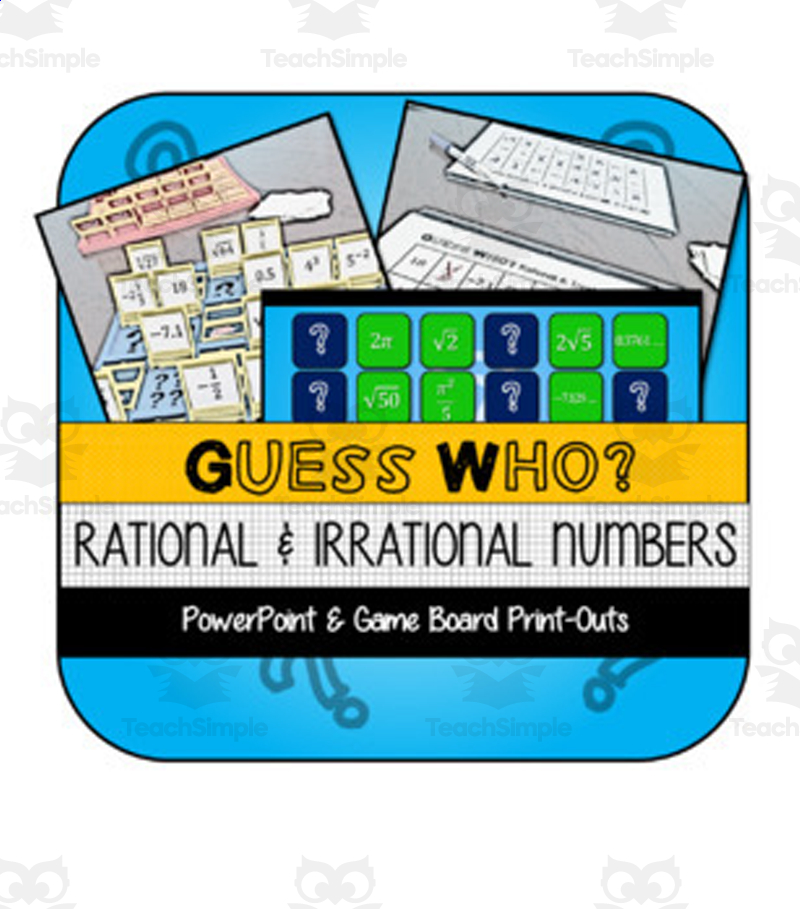
Give students practice identifying and describing the properties of rational and irrational numbers (framed around Georgia's 8th Grade Number System standard MGSE8.NS.1) through a 'Guess Who?'-style guessing-game card activity.
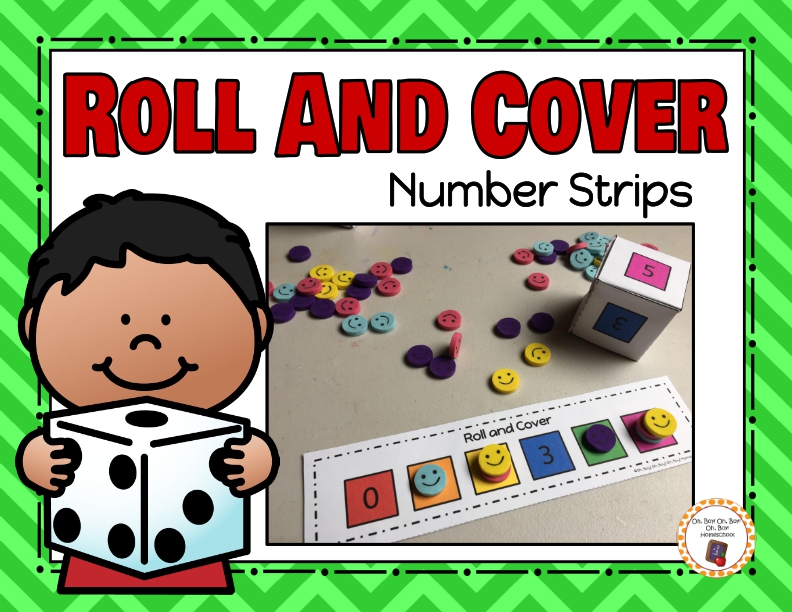
A hands-on number-recognition game: students roll a die and cover the matching number on a printed strip until all numbers on the strip are covered.
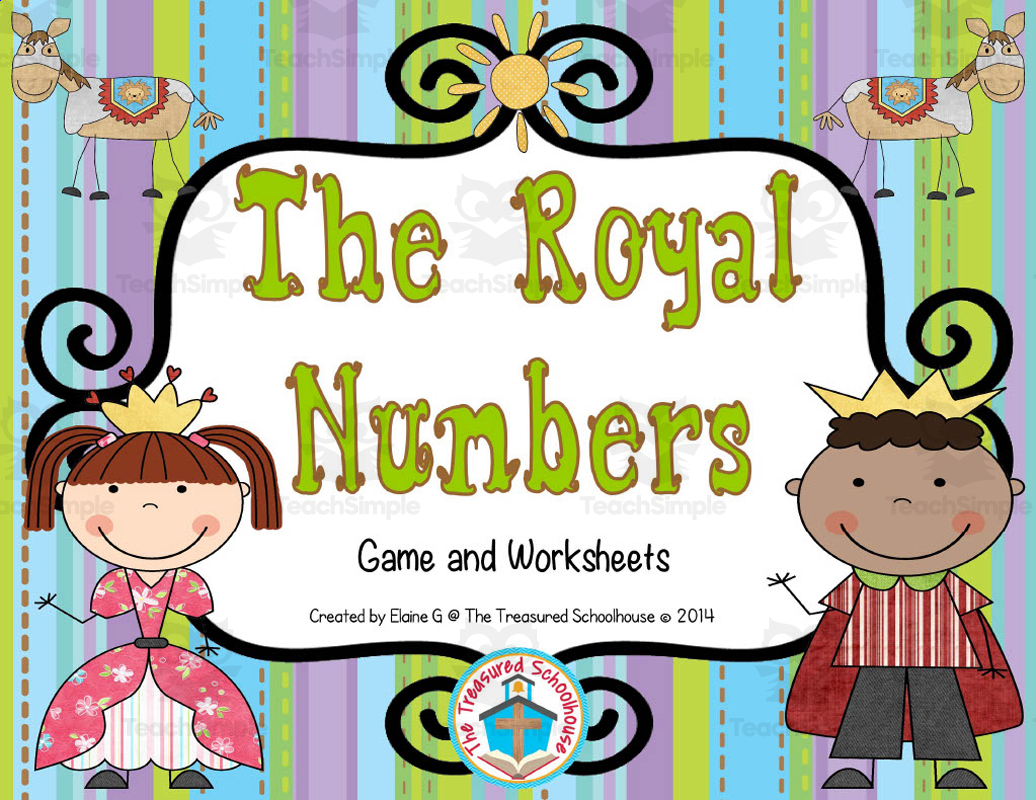
The Royal Numbers Game + Worksheets is a fun way to give your little learners practice with numbers up to 25. They will identify which number comes at the beginning, in the middle and at the end of a sequence.
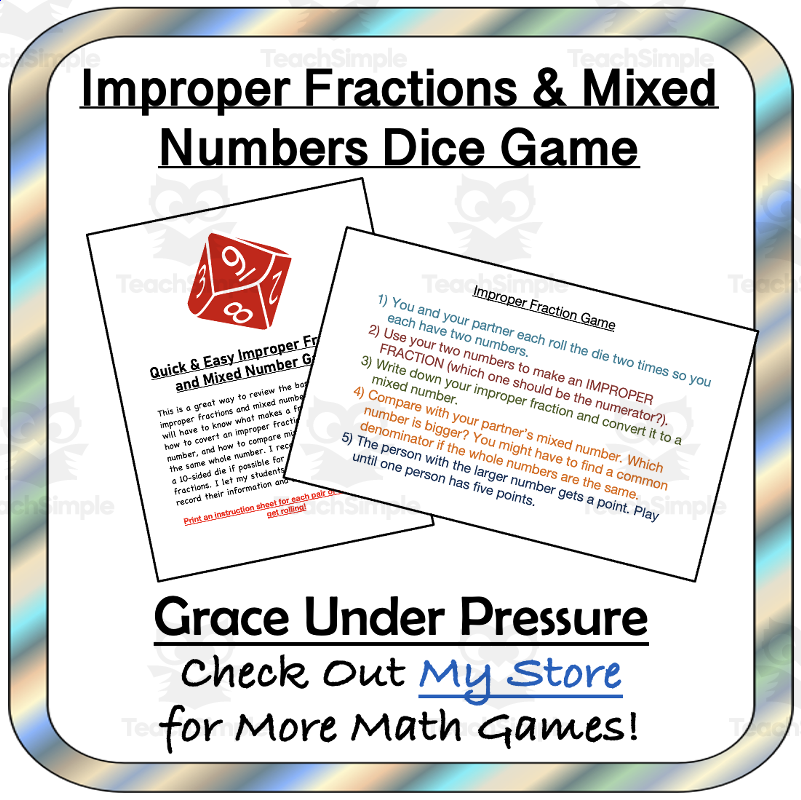
A partner dice game reviewing improper fractions and mixed numbers - forming improper fractions from rolled digits, converting to mixed numbers, and comparing values.
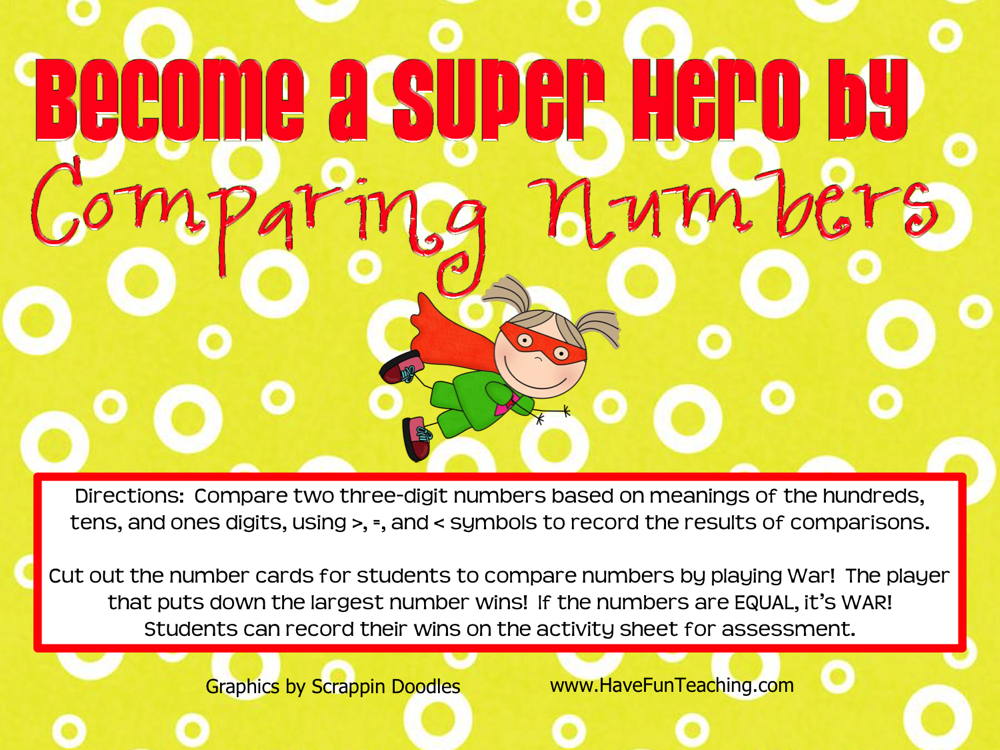
A math card game activity for practicing comparison of three-digit numbers using >, =, and < symbols.
A flexible, teacher-customizable place-value game/worksheet where students 'draw' digit cards and use them to build numbers meeting stated criteria (largest/smallest, rounding, place-value conditions).
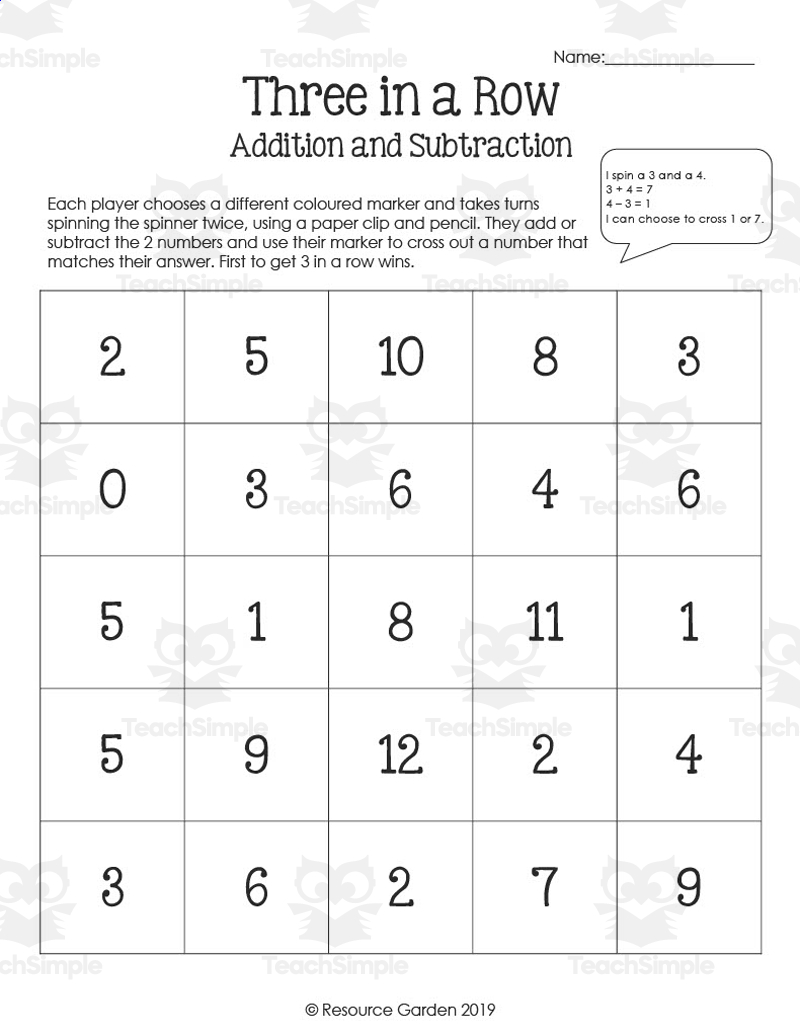
A dice/spinner-based game giving students practice with addition and subtraction facts in a competitive 'three in a row' format.
Introduction It is very important that as a teacher, or even a parent, you use the so-called didactic games in your learning area. These games will make your students or children learn mathematics in a more didactic way and even have love or admiration for it, because mathematics is a very useful tool in daily life.