resources by type
resources by grade
resources by subject
other resources

3,903 products added recently

Order of Operations Quizzes

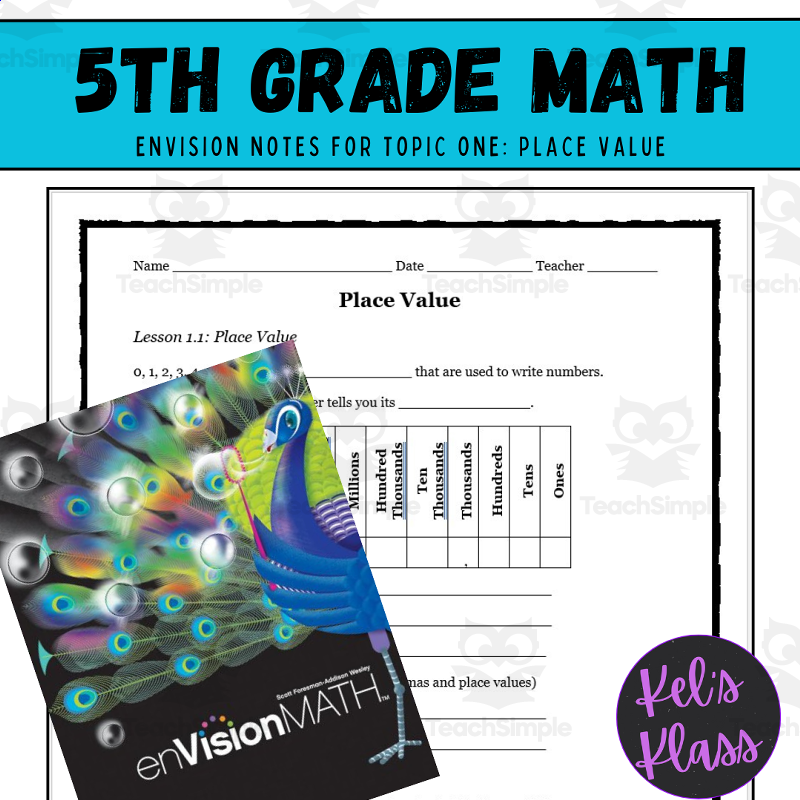
Place Value Quizzes assess students' understanding of the value of digits based on their position within a number. Questions may involve writing numbers in expanded form, comparing and ordering numbers, and working with decimals. Mastery of place value is fundamental for all arithmetic operations and for developing strong number sense. These quizzes provide a foundation for mathematical learning at all levels.

Relevant
alt down
Any Time
alt down
filter by
alt down
All File Types
alt down
filter nav Show filters
Sort by: Relevant
CLEAR
resources by type
Activities
down arrow
Classroom Decor
down arrow
Teacher Tools
up arrow
Anchor Charts
Assessments
Charts
DBQ's
Diagrams
Graphic Organizers
Lesson Plans
Literacy Readers
Outlines
Presentations
Quizzes and Tests
up arrow
Quizzes
Tests
Rubrics
Templates
Worksheets & Printables
down arrow
resources by grade
Early Learning
down arrow
Pre-K
down arrow
Elementary
down arrow
Middle School
down arrow
High School
down arrow
Adult Education
Not Grade Specific
resources by subject
Creative Arts
down arrow
ELA
down arrow
Holiday & Seasonal
down arrow
Life Studies
down arrow
Math
up arrow
Addition and Subtraction
down arrow
Algebra
down arrow
Calculus
down arrow
Trigonometry
Decimals
Early Math
down arrow
Fractions
Geometry
Graphing
Measurements
Money
Multiplication and Division
down arrow
Number Lines
Order of Operations
Percentages
Statistics
Time
P.E. & Health
down arrow
Social Studies
down arrow
Special Resources
down arrow
Science
down arrow
Foreign Languages
down arrow
Resources for Teachers
down arrow
other resources
Common Core
Homeschool Resources
down arrow
Montessori
Research
STEM
Goal Setting & Financial Independence Planners

Goal Setting & Financial Independence Planners
Economics, Social Studies, Math, Statistics, Money, Order Of Operations, ELA, Reading, Strategies, Reading Comprehension, Grade 6, 7, 8, 9, 10, 11, 12, Teacher Tools, Assessments, Lesson Plans, Quizzes and Tests, Quizzes, Tests, Worksheets & Printables, Workbooks, Worksheets, Word Searches

With "Goal Setting & Financial Independence: The Architect's Blueprint", you will turn your students from passive consumers to future architects of their own financial success. Unlike most personal finance worksheets, this curriculum is designed specifically for high school and advanced middle school (Grades 8-11) students and provides them with the respect and knowledge necessary to thrive in today's economy. Say goodbye to condescending advice and oversimplified budgeting. The Curriculum explores the psychology of wealth, the mathematics of compound interest, and the strategic frameworks of top-level corporate strategists and investors. Budgeting as you know it is redefined as Strategic Resource Allocation, and students learn how to be the Chief Financial Officer (CFO) of their own life. Your students will get to create real-world cases, work through 10 detailed worksheets and find themselves on the road to implementing action plans that will help them achieve their goals. Subjects Discussed Are: The Psychology of Creating Goals and Identifying Habits Time-Money Relationship: The Impact of Compounding(72) Budgeting for Success through the Zero-Based Method Learning About Your Paycheck (Gross vs Net Income), FICA Tax/Withholdings/W-4? Difference between Good and Bad Debt, Credit, Amortization Teenage Investing: Roth Individual Retirement Accounts (IRAs), Index Funds & Dollar Cost Averaging (DCA) Evaluating Career and College Return on Investment Asymmetrical Risk - How to Build Human Capital through Entrepreneurship. TEENS AND THE FIRE MOVEMENT - Financially Independent Retire Early. This resource provides : educators with a comprehensive curriculum complete with four chapters covering the key principles of Personal Finance, Financial Literacy and Basic Money Management as well as a Student Workbook containing ten worksheets designed to allow students to create their own personal financial blueprint through multiple scenarios, calculations and reflection questions. The Teacher Resources (Visual Aids) are designed to provide educators with visual representations of the key topics covered in each of the four chapters so that the students can better understand these concepts through the use of anchor charts and an Answer Key for all objective type questions, along with a grading rubric for the subjective type questions. This resource can be used in various academic settings including: Personal Finance Classes/Electives, Economics Classes, Life Skills, Career Readiness Courses and Homeschool Co-Ops. This resource has been created to allow educators to design a complete instructional program that will give students the most valuable lesson they will ever learn and that is how to achieve Financial Independence. Keywords: Financial literacy; Personal Finance; High School; Middle School; Life Skills; Economics; Investing for Teens; Budgeting Worksheet; Goal Setting; Compound Interest; FIRE Movement; Career Readiness; College ROI; Digital resource; Printable; PDF; Curriculum; Homeschool; Case Study Method. Educational Benefits For Parents And Schools-Alike: More Than Just Basics: They will not only learn how to balance a check book, but will also learn about many other advanced financial strategies and 21st Century Financial Concepts relating to Investments, Career Return on Investment Analysis, and the Psychology of Wealth Building. Rigorous & Respectful; Curriculum uses behavioral economics and psychology to build a sophisticated vocabulary with a work related context, assumes that teenagers are intelligent individuals and builds and creates a database of excited students. Turn Key: Provides a detailed curriculum and 10 student assignment work sheets; Free Power Point Presentation; Student Manual; Teacher Manual; Complete Answer Key; complete Grading Rubric The "do-it-yourself" or upload method provides zero prep time for the instructor. Action-oriented & Practical: Students learn all of the aspects of financial literacy through case studies and hands-on experience with developing and developing their own personal goals, personal budgets, and long-term financial plans. Based on the analysis done : on the stated criteria, the cover lists the suggested audience to be Grades 8-11. This is an accurate portrayal of the grades as they apply to target audience. Grades 8 and 9: The concepts of goal-setting, identity-based habits, zero-based (simple) budgeting, and receiving a first paycheck all apply directly to this age group and may provide challenges (some, yet, not many); however, the material has enough scaffolding (additional content and/or support) to be very effective. Grades 10 and 11: This represents the best fit. These students are considering securing part-time employment, intending to save money for an automobile, or making major decisions concerning attending college or entering into the workforce. The worksheets provided on the topics "ROI (Return on Investment) Comparison of College vs. Career," "Dynamics of Debt," and Roth IRA will be extremely relevant and pertinent to these students. High School teachers of Personal Finance, Economics, and Life Skills. Instructors of Career and Technical Education (CTE). Parents who choose to home school and desire to use the material as a strong, legitimate financial curriculum. Middle School teachers of students that are classified as advanced or are placed into gifted programs. Terms of Use and Copyright: This book is copyrighted by Syed Hammad Rizvi. It is intended for use only by the individual or a single school classroom. No part of this resource may be altered, re-distributed or resold. In other words, you cannot post on the internet in a public place so that it can be found and downloaded. If you would like to share this resource with colleagues, please purchase additional licenses from Teachsimple to do so. Thank you for abiding by our terms of use. Syed Hammad Rizvi, thanks for bringing your amazing product.
Author Creative Book Store

Rating

Tags FinancialLiteracy, PersonalFinance, HighSchoolTeacher, LifeSkills, Investing, Budgeting, TeacherResources, FinancialEducation, Economics, CareerReadiness

Crypto & Digital Money Literacy (Age-Appropriate Intro)

Crypto & Digital Money Literacy (Age-Appropriate Intro)
Math, Statistics, Money, Order Of Operations, Business, Life Studies, Career, Finance, Coaching, Home Economics, Homeschool Curriculum, Grade 7, 8, 9, 10, 11, 12, Worksheets & Printables, Workbooks, Worksheets, Word Searches, Teacher Tools, Assessments, Lesson Plans, Quizzes and Tests, Quizzes, Tests

This complete curriculum on the topic of Cryptocurrency and Digital Currency Literacy is a NO-PREP curriculum to prepare your students for the 21st Century's economy as it relates to Cryptocurrency and Digital Currency! This 40-page resource will transform your students from passive consumers to critical thinkers. This curriculum will guide students through the complex world of blockchain, Web3, and digital assets using an academically rigid and unbiased basis. Each student must understand the technology, economics, and history so that they can build a solid foundation on which to build their financial future. The curriculum is appropriate for high schools, and advanced middle schools to study Economics, Computer Science, Business, Financial Literacy, and Social Studies. By removing the speculative hype around these topics and focusing on first principles, this curriculum will provide students with the necessary tools and skills to understand, analyze and critique the "next generation" of the internet. WHAT'S IN THIS 40-PAGE RESOURCE: Part One: The Core Academic Framework (4 Chapters) Chapter One: The Evolution of Value; Barter and Rai Stones to Fiat Currency Chapter Two: The Architecture of Trust; Deconstructing Blockchain, Cryptography & Distributed Ledgers Chapter Three: Programmable Money; Smart Contracts and DeFi Chapter Four: Economics, Ethics & The Future; Volatility, CBDCs and Global Impact Part Two: Student Workbook (10 Worksheets) Over 90 Questions to Test Critical Thinking and Comprehension Historical Antecedents, Decentralized ledgers, Cryptography, Bitcoin & Scarcity, Smart contracts, Digital wallets & Custody, Tokenomics, Scams/Risk Mitigation, Regulation and the Future of Web3 Part Three: Teacher Resources & Visuals (3) High Quality Visuals; Presentations/Explaining Immutable Blockchains, Network Topologies, and the Public/Private Key Analogy Detailed Teacher Implementation Guide; 4 Week Suggested Lesson Plan, Recommendations for Pedagogy and Cross Curricular Instruction (Math, Civics, CS) Comprehensive Answer Key; 10 Page Answer Key with Full Detail and Answered Questions for each Workbook Question and each Chapter Reflection This Curriculum is a Great Resource to Help Students Develop a Strong Foundation of Future Proof Understanding of One of The Greatest Technological Shifts of Their Lifetime. Help Your Students Become Truly Digitally Literate! Keywords: The financial literacy curriculum around the world focuses on Cryptocurrency, Blockchain, Bitcoin, The Digital Currency Age, Web3, High School Economics, Computer Science, Low/no-prep resources to support education in Cryptocurrencies and Digital assets without the risk of speculation, DeFi/NFT technologies - Smart Contracts, 21st Century Skills for educators. Why Parents/Schools Love It: Fosters Critical Thinking Not Speculation: This curriculum teaches students the "How" (the technical side of they did this) and the "Why" (the economic principle behind it), not just teaching students risk to the financial markets through investment advice. Completely No-Prep & Turn-Key: This curriculum will save teachers time because all they have to do is print the lessons, engaging worksheets, high-quality visuals, etc., along with a complete answer key, and be ready to teach on a very complex topic. Builds Essential 21st Century Skills to Prepare Students for their Future: Students will learn more than just financial literacy because they will understand the digital economy and decentralized economy they will be inheriting so they are prepared to become good citizens and productive members of society in the future. True Neutral and Academically Rigorous Perspective: The materials are presented neutrally and educationally, and use real-world case studies and historical context in order to provide a neutral and sophisticated understanding of this polarizing topic. Integration of Many Subjects: This is not merely a technology curriculum; it incorporates lessons from History (Evolution of Money), Civics (CBDC vs. Private Currency), Economics (Scarcity, Inflation), and Computer Science (Cryptography, Logic), etc. Target Student Audience: According to the PDF document, this content is meant for grades 7-12; however, after considering the complexity of the material, a more detailed breakdown can be made as follows: - Primary Target: for students in grades 9-12 (high school). The material presented such as the Byzantine Generals Problem, Turing Completeness, Tokenomics, and Regulatory Arbitrage are all concepts that align with and can be understood by the cognitive level of high school students; thus this material fits perfectly within offerings of honors/ap economics, principles of computer science or as a course under the financial technology branch. - Secondary Target: for advanced/gifted students in 7-8 grades (middle school). The use of this material in the standard/mainstream classroom curriculum may not be appropriate for 7th grade students; however, it would be beneficial in some cases (i.e. gifted program, after school technology club) where there is evidence of interest and ability toward this subject. Copyright to this Book is with Syed Hammad Rizvi and is provided solely for personal use or in one class per teacher. No part of this Book can be changed, copied, shared, or sold. You may not post this Book on the internet for anyone else to find or download. If you wish to give a copy to fellow teachers, please purchase additional licenses from Teachsimple. Your cooperation and respect for these terms of use are greatly appreciated. Thank you for your contribution to this project by Syed Hammad Rizvi.

Author Creative Book Store

Rating

Tags FinancialLiteracy, Cryptocurrency, Blockchain, Bitcoin, Web3, DigitalCurrency, DigitalAssets, DeFi, SmartContracts, DecentralizedFinance

Side Hustle Profit & Loss Basics

Side Hustle Profit & Loss Basics
Math, Money, Multiplication and Division, Statistics, Order Of Operations, Fractions, Measurements, Time, Number Lines, Addition and Subtraction, Grade 6, 7, 8, 9, 10, 11, 12, Worksheets & Printables, Workbooks, Worksheets, Word Searches, Teacher Tools, Assessments, Lesson Plans, Quizzes and Tests, Quizzes, Tests

Transform your students' understanding of math with this engaging, real-world project on the mathematics of e-commerce! "Side Hustle Profit & Loss Basics" is a comprehensive, no-prep curriculum designed to teach teens the essential financial literacy skills needed to run a profitable online business. Gone are the days of abstract math problems. This resource bridges the gap between classroom learning and practical entrepreneurship, using relatable examples like flipping vintage sneakers ("Sneakerhead Sam") and selling handmade goods ("Jewelry Jenna"). Students will move from being passive digital consumers to analytical business operators. This project-based learning package is perfect for Math, Business, Career and Technical Education (CTE), Financial Literacy, and Homeschool settings. It systematically deconstructs the anatomy of an online sale, from calculating the cost of goods sold (COGS) to navigating complex platform fees and understanding the devastating impact of shipping miscalculations. What's Included in this 45-Page Resource: Part 1: In-Depth Lesson Guide (13 pages): A detailed teacher/student guide explaining core concepts like Revenue vs. Profit, COGS, Platform & Payment Fees (Etsy, eBay, Shopify), Logistics, Dimensional Weight, Net Profit, and ROI. Part 2: Student Workbook (18 pages): Features 10 scaffolded worksheets with over 100 questions, applying the concepts through real-world scenarios and fill-in-the-blank exercises. Worksheet 10: The Ultimate P&L Capstone Project: A final project where students synthesize all learned skills to construct a complete Profit & Loss statement for a hypothetical sneaker-flipping business. Part 3: Comprehensive Answer Key (6 pages): A full answer key for all 10 student worksheets, including the final capstone project. Part 4: Teacher-Led Visual Aids (8 pages): Includes high-quality flowcharts and diagrams perfect for classroom projection (The E-Commerce Profit Equation, Fee Matrix, Shipping Cost Matrix) and a master teacher answer key with deep-dive rationales and common student error alerts. Equip your students with the critical math and business skills they need to succeed in the modern digital economy. This isn't just a math lesson; it's a blueprint for their future financial success. Why Parents/Schools Love It: Connects Math to the Real World: It makes abstract concepts like percentages and formulas tangible by applying them to something teens are passionate about: making money online. Teaches Essential Financial Literacy: It goes beyond basic math to teach critical life skills like budgeting, cost analysis, and understanding profitability—skills not always covered in traditional curricula. Fosters an Entrepreneurial Mindset: This resource empowers students to think like producers, not just consumers, by teaching them to identify costs, manage risks, and create value. Comprehensive & No-Prep: It's a complete, ready-to-use package. The detailed lessons, student worksheets, visual aids, and in-depth answer keys save teachers and parents valuable preparation time. Target Student Audience : Based on the content and mathematical complexity, target: Primary Audience: 7th to 10th Grade students. This is the sweet spot mentioned in the PDF, and the level of math (percentages, formulas, multi-step arithmetic) is perfectly aligned with this curriculum. Secondary Audience: Advanced 6th Graders in a gifted or enrichment program. 11th and 12th Grade students in introductory Business, Economics, or Career/Life Skills classes as a practical, foundational unit. Homeschool Co-ops looking for practical, project-based learning modules for middle and high school students. Copyright/Terms of Use: This Book was copyrighted by Syed Hammad Rizvi. This resource is for personal and single classroom use only. You may not alter, redistribute, or sell any part of this resource. In other words, you may not put it on the Internet where it could be publicly found and downloaded. If you want to share this resource with colleagues, please purchase additional licenses from Teachsimple. Thank you for respecting these terms of use. This product is happily brought to you by Syed Hammad Rizvi

Author Creative Book Store

Rating

Tags Financialliteracy, Businessmath, Realworldmath, Projectbasedlearning, Entrepreneurship, Sidehustle, Ecommerce, Ppliedmath, Financialeducation, Profitandloss

Career Pathway Return on Investment (ROI)

Career Pathway Return on Investment (ROI)
Math, Statistics, Order Of Operations, Money, Measurements, Resources for Teachers, Classroom Management, Community Building, Special Resources, Life Skills, Homeschool Curriculum, Homeschool Templates, Grade 8, 9, 10, 11, 12, Worksheets & Printables, Workbooks, Worksheets, Word Searches, Teacher Tools, Assessments, Lesson Plans, Quizzes and Tests, Quizzes, Tests

Is your student truly prepared for the biggest financial decision of their life? Don't let them fall into the "passion trap" or get mesmerized by prestigious university brochures without understanding the numbers. This comprehensive, no-prep digital curriculum is the most important lesson your high schooler will receive on college and career planning. This 40-page PDF guide and workbook transforms students into the "Chief Financial Officer" of their own future. By applying real-world math and economic principles, students will move from being passive consumers of education to active architects of their financial independence. This resource is a complete mini-unit, broken down into three essential phases: Part 1: The Theoretical Framework: An 11-page "textbook" section that clearly explains complex financial topics in an easy-to-understand format. Topics include: Return on Investment (ROI) for college degrees. The mechanics of student loans (Subsidized vs. Unsubsidized). The "silent killer" of wealth: Interest Capitalization. Gross Income vs. Net (Take-Home) Income. The crucial "Rule of First-Year Salary." Calculating the Debt-to-Income (DTI) ratio. Strategic alternatives like the 2+2 transfer model, trade schools, and scholarships. Part 2: The Student Workbook: Ten detailed worksheets that build on each other to move from theory to practical application. Students will calculate actual costs, analyze debt scenarios, budget monthly payments, and compare the financial outcomes of different career paths (e.g., STEM vs. Arts). Part 3: Visuals & Teacher Resources: Includes three powerful visual aids (bar chart, ROI matrix, and flowchart) for classroom discussion, plus a full Teacher Answer Key for all worksheets, making this a completely no-prep resource for you! Who is this for? This is a must-have resource for teachers of: Personal Finance Economics College and Career Readiness (AVID, etc.) Math (real-world applications) Life Skills High School Counselors and Advisors Homeschooling parents preparing their teens for college. Equip your students with the critical thinking and financial literacy skills they need to make smart, informed decisions that will prevent a lifetime of debt and set them on a path to true financial freedom. Download today and empower your students for a secure future! Keywords: Financial Literacy, Personal Finance, Student Loan Debt, College ROI, Return on Investment, College and Career Readiness, High School Math, Economics, Budgeting, Debt-to-Income Ratio, AVID, Life Skills, Workbook, Project Based Learning, No Prep, Teacher Answer Key, Grades 9, 10, 11, 12. Why Parents/Schools Love It : Empowers Students with Real-World Math: It moves beyond abstract theory and uses concrete calculations that directly apply to a student's immediate future, making learning engaging and relevant. Prevents Catastrophic Financial Mistakes: This single resource can arm a student with the knowledge to avoid tens, or even hundreds, of thousands of dollars in unmanageable debt, providing an immeasurable return on investment for the family. Comprehensive and No-Prep: It’s a complete, self-contained unit. With a textbook, 10 worksheets, visuals, and a full answer key, a teacher or parent can implement it immediately without any additional planning. Builds Critical Thinking & Ownership: It teaches students to think like a "CFO," analyzing data, weighing risks, and making strategic decisions, fostering a sense of responsibility for their own financial well-being. Balances Passion with Practicality: The guide doesn't discourage students from following their dreams; instead, it gives them the tools to finance those dreams intelligently, ensuring their passion doesn't become a "financial prison." Target Audience : Based on the content, vocabulary, and concepts discussed (e.g., FAFSA, college selection, majors), target: Grades: 9th through 12th Grade students. 9th/10th Graders: Excellent for introducing these concepts early, so they can plan their high school courses and activities (like scholarship searching) strategically. 11th/12th Graders: Absolutely critical, as they are actively making these decisions. This resource provides an immediate, practical tool for their real-life choices. Courses: Personal Finance, Economics, College & Career Planning, AVID, Advisory/Homeroom periods, and any Life Skills class. Copyright/Terms of Use: This Book was copyrighted by Syed Hammad Rizvi. This resource is for personal and single classroom use only. You may not alter, redistribute, or sell any part of this resource. In other words, you may not put it on the Internet where it could be publicly found and downloaded. If you want to share this resource with colleagues, please purchase additional licenses from Teachsimple. Thank you for respecting these terms of use. This product is happily brought to you by Syed Hammad Rizvi

Author Creative Book Store

Rating

Tags FinancialLiteracy, PersonalFinance, StudentLoans, StudentDebt, CollegeROI, MoneyManagement, FinancialEducation, Budgeting, DebtFree, DebtFreeJourney

Rational Numbers Safari Escape Room – Interactive Math Adventure

Rational Numbers Safari Escape Room – Interactive Math Adventure
Math, Order Of Operations, Decimals, Fractions, Grade 7, 8, 9, Escape Room, Activities, Games, Quizzes, Quizzes and Tests, Teacher Tools, Worksheets & Printables, Worksheets

Embark on a global math safari with this exciting digital escape room for rational numbers! From Africa to Asia, South America to Australia, students complete engaging problems on fractions, decimals, negatives, and mixed operations in their quest to locate four exotic animals. With 40 problem-interactives and self-checking design, this activity is an excellent means of making rational number operations practice meaningful and fun. How It Works Students begin at the first destination and will have to solve a series of rational number problems in order to move on their quest. Once they have completed each challenge, they will be able to unlock the next destination and meet a new animal. They will have practiced all the key skills with rational numbers once they have reached the final destination. They will visit and trace: Elephant (Africa) Tiger (Asia) Macaw (South America) Kangaroo (Australia) What's Included 40 Rational Number Problems (4 sets of 10) covering: Adding & subtracting rational numbers Multiplying rational numbers Dividing rational numbers Multi-step mixed operations Self-Checking Digital Format – drag-and-drop format for instant response Printable Worksheet Version – ideal for additional practice or students without access to devices Printable Answer Key – makes grading or review easy Special Feature – Autosave & Resume Students can come and go! A "Continue" button with the same device and browser lets them pick up where they left off, perfect for multi-day projects or those who finish early. Skills Taught: Adding & subtracting rational numbers (fractions, decimals, integers) Multiplying and dividing rational numbers Solving multi-step, mixed rational number problems Building fluency and confidence with operations with rational numbers Aligned to CCSS 7.NS.A.1–3 Ideal For: 7th Grade Math – Rational Numbers Unit Math stations or centers Digital days of learning Spiral review or test preparation Sub plans or enrichment Turn rational number practice into a global safari adventure! Students will love going on new adventures while overcoming math obstacles, and teachers will enjoy the no-prep, ready-to-go resources. Add to your cart today and make rational numbers practice enjoyable and efficient!

Author Matemaths

Rating

Tags Matemaths, Escape Room, Safari, Math, Middle School, Rational Numbers

Understanding Credit Scores & Compound Interest

Understanding Credit Scores & Compound Interest
Research, Math, Money, Statistics, STEM, Classroom Management, Resources for Teachers, Community Building, Order Of Operations, Number Lines, Grade 6, 7, 8, 9, 10, 11, 12, Worksheets & Printables, Workbooks, Worksheets, Word Searches, Teacher Tools, Assessments, Lesson Plans, Quizzes and Tests, Quizzes, Tests

Are your students prepared to tackle the intricate financial challenges that will face them in the future? Don't stop at checkbook balancing; equip them with skills that would prepare them for financial success. This complete financial literacy curriculum - "Understanding Credit Scores & Compound Interest: The Invisible Architecture of Modern Wealth" - is an engaging and ready-to-use module aimed at turning high school students into active financial participants. More than just a vocabulary lesson, this module delves into two of the most powerful driving forces of economic mobility - the FICO score and compound interest. Students will be presented with rich data, real-life examples, and challenging tasks during this learning experience. What This 42-Page Comprehensive Guide Contains: Part 1: Basic Principles (11 Pages): Detailed authorial chapters that convert complicated ideas into simple and interesting teachings. Chapter 1: The Credit Score Structure: Five fundamental aspects of FICO score, credit usage, and the actual effect of the credit score. Chapter 2: The Concept of Compound Interest: Formula for growth, the 72 rules, and the major difference between annual percentage rate and annual percentage yield. Chapter 3: The Link Between Credit and Interest: Examples of the impressive monetary losses connected with low credit score. Chapter 4: Practical Wealth Building and Debt Reduction: Effective tools such as utilizing the grace period, "Authorized User" loophole, and avoiding the minimum payment استراتيجية. Part 2: Students’ Manual (19 Pages): 10 worksheets intended for learning and application of the information. Great material for individual work, team discussions, or assignments. Includes all types of calculations, tasks for analysis of the examples, and prompts for critical thinking on various subjects such as going into the debt (avalanche vs. snowball) and making credit from scratch, the real cost of low payments, and the concluding assignment where the students develop their ten-year financial plan. Part 3: Instructor Materials (12 Pages): Everything you require for the successful execution of this unit and time savings in preparing. 3 Visual Representations created by Professionals: Excellent graphics that show the FICO scoring model, the compound interest exponential curve, and the credit and debt cycle. 5-Day Implementation Guide for Teachers: A complete teaching manual with pacing, goals and objectives, topics for discussions, and educational methods. Extensive Answer Key: A complete answer key which has answers to all 10 worksheets, values and sample answers for analytical queries. Why Are Students and Educators Fond of This Curriculum? Equips with Marketing Skills needed in Real Life: This course goes beyond theory providing such knowledge of finance that will help the youth not to end up in debts and be able to make good use of all financial opportunities. Excellent and Interesting Academic Experience: The course understands the importance of financial education as an academic field. The serious approach, case studies, and difficult tasks make students think rather than memorize word for word. Provides a Ready-to-Use Solution: It is an easily accessible program to deal with. The 5-day teacher's manual to the course is accompanied by the visual aids and answer key enabling teachers to save lots of time. Gives Students a Strong Life Start: It is not just an exam, but a step to a successful future life giving students understanding of how to earn money, manage income and build up a good credit score. Target Audience: According to the complex vocabulary, mathematical concepts (compound interest formula), and real-life examples (college students, first cars, retirement planning), the main audience is: Primary Audience: High School Students (Grades 11-12). Subjects this lesson will be well suited for: Personal Finance, Economics, Life Skills, Consumer Math, Business, and any teacher like to include practical real-life knowledge to his classes. Secondary Audience: Freshmen or Homeschooling co-ops learning practical life skills. This content has been copyrighted by Syed Hammad Rizvi. This content can only be used for personal use and single classroom purposes. This content should not be modified, duplicated, or sold. To clarify further, this content can never be posted on the internet for public access. In case you would like to share this content with your colleagues, kindly purchase more licenses from Teachsimple.

Author Creative Book Store

Rating

Tags FinancialLiteracy, PersonalFinance, CompoundInterest, CreditScore, FICOscore, WealthBuilding, FinancialEducation, Investing101, DebtFreeJourney, MoneyManagement

Investing Fundamentals & Compound Interest Practice Pack

Investing Fundamentals & Compound Interest Practice Pack
Math, Money, Statistics, Measurements, Order Of Operations, Trigonometry, Time, Multiplication and Division, Division, Multiplication, Grade 6, 7, 8, 9, 10, 11, 12, Worksheets & Printables, Workbooks, Worksheets, Word Searches, Teacher Tools, Lesson Plans, Quizzes and Tests, Quizzes, Tests, Assessments

Complete Set: Compound Interest Practice Pack. With this no-preparation, complete unit, you’ll transform your students’ passive consumption of investments into sound capital allocation. Looking for something more than just a “piggy bank” way to teach your students about finances? The curriculum is designed specifically to teach students how and why they can create wealth through investing. It breaks down stocks and stock markets into simple components, demonstrates how inflation erodes purchasing power without anyone being aware, and mathematically proves the power of compounding through real-life practice examples. Students will develop a firm understanding of investing based upon the learning experiences included in this program, which can be used for multiple subject areas including Math, Economics, Personal Finance, and Life Skills. This is an excellent resource for several weeks of instruction on investment literacy as it provides all of the necessary ingredients (theory, practice, and case studies) to achieve successful learning outcomes. WHAT WILL YOU FIND IN THIS 32-PAGE PACK? PHASE ONE: Core content and theory – This section includes a 9-page “student textbook” that communicates the foundational concepts using academic terminology, generalized real-world analogies where applicable. Covers the following topics: The reality of inflation; the asset classes (i.e., stocks, bonds reals); the difference between simple versus compound interest; the Rule of 72; risk and diversification; behavioral finance (e.g., loss aversion, fear-of-missing-out [FOMO]); and dollar-cost-averaging. PHASE TWO: Student workbook (10 sheets) - A total of 13 pages worth of rigorous practice questions. Starting with simple terminology and building to an increasingly sophisticated portfolio synthesis. Worksheet #1 – The anatomy of an investment. Worksheet #2 –The time-value-of-money and inflation. Worksheet #3 – Simple versus compound interest. Worksheet #4 – The compound-interest formula in action. Worksheet #5 – The Rule of 72. Worksheet #6 – Risk, reward, and volatility. Worksheet #7 – Stock-market mechanics. Worksheet #8 – Mutual funds and ETFs. Worksheet #9 – The impact of time (early vs. late). Worksheet #10 – Building your first portfolio. PHASE THREE: Visual and teacher resources – Everything you need to properly teach and support your students on the curriculum. 3 impactful pedagogical visuals that can be projected and/or printed relating to compound interest, asset classes, and the Rule of 72. Complete, step-by-step Teacher’s Answer Key covering all ten questions in the workbook. Sound implementation guide for Teachers, including module pacing, instructional notes, and other valuable insights related to “expected cognitive friction points.” This isn't simply a lesson plan; This is an entire educational program that will teach young people to have real financial intelligence. Key Terms: Teach Teenagers How to Invest, Compound Interest Project, Financial Literacy Curriculum, Personal Financial Literacy Unit, Stock Market For Kids, Middle School Math, High School Economics, Homeschooling, No Preparation Needed (Print and Go), Digital Learning, and Money Management. Why Do Parents and Schools Appreciate It? Provides Life-Long Knowledge: This unit provides students with the knowledge and skills needed to understand investing, create wealth, and achieve financial stability beyond what they learned in textbooks. Total Unit; No Additional Preparation Needed: This is a complete curriculum with everything needed, including theory, worksheets, visuals, answer keys, and a teacher guide! By using this complete package, more than 10-20 hours of planning can be saved by teachers. Real Comprehension: By combining theory with real-life examples and thorough practice, this unit gives students the knowledge they need to know how to calculate for financial growth and what risks are associated with financial growth rather than just memorizing formulas to solve for financial growth. Engaging as well as Challenging: The language in this unit is challenging, but when students use the step-by-step format and apply these concepts to real-life examples (like comparing two different investors), students will find these topics very interesting and easy to understand. Target Student Audience Assessment: A comprehensive assessment of the material's content and language, mathematical difficulty, etc.: Grade Level of Main Target Audience: 8 - 10 grades. Although the PDF shows 7-9 grades, the vocabulary/academic terminology in the document is more suitable to eighth (8th) & ninth (9th) graders (as opposed to seventh (7th) graders). The level of math skills required to understand this material would be appropriate for eleventh (11th) and twelfth (12th) graders as an introductory course to economics or mathematics. Additional Targeted Audiences: Gifted and Talented Middle School Students (6-7 grades) High School Economics or Personal Finance Electives (11-12th grades) - Use This Material As An Introductory Unit Parents Who Homeschool Their Children With A Curriculum Focused On Life Skills Or Financial Literacy This Product has been copyrighted by Syed Hammad Rizvi. You may only use this Resource in your Personal Use, and only in a Single Classroom. This means you cannot alter, redistribute, or sell it. In other words, you cannot put this Resource on the Internet, where others can access and download it permanently or temporarily. If you would like to share this Resource with your colleagues, please purchase additional licenses from Teachsimple. Thank you for your understanding, and thank you for complying with these terms of use. Syed Hammad Rizvi is pleased to provide this Product to you.

Author Creative Book Store

Rating

Tags FinancialLiteracy, CompoundInterest, Investing, PersonalFinance, StockMarket, WealthBuilding, MoneyManagement, InvestingForBeginners, RuleOf72, TimeValueOfMoney

Dyscalculia Visual Fraction Manipulatives

Dyscalculia Visual Fraction Manipulatives
Math, Fractions, Addition and Subtraction, Addition, Subtraction, Graphing, Money, Number Lines, Order Of Operations, Time, Homeschool Curriculum, Homeschool Templates, Grade 3, 4, 5, 6, 7, Worksheets & Printables, Workbooks, Worksheets, Word Searches, Teacher Tools, Assessments, Lesson Plans, Quizzes and Tests, Quizzes, Tests

Change the nature of instruction for fractions, and help all students by using this complete, evidence-based guide for teaching fractions to students who may have any or all of the following: Dyscalculia, Learning Disabilities in Mathematics, or Anxiety with regard to mathematics. Are you an educator or parent looking for an effective way to teach your students with prior difficulties with abstract mathematic concepts? If so, this is the resource for which you have been searching. This is NOT just another worksheet packet. This is a complete neuro-informed intervention system built to circumvent all cognitive barriers common to the students you teach, and create true and lasting understanding of fractions that will be retained for the remainder of the student's educational career. By following the Concrete-Pictorial-Abstract (CPA) framework along with the principles of cognitive science, this guide provides students with a means for teaching fractions in a way that they will finally be able to process and master from their neurodivergent brain perspective. Your students will no longer suffer from mathematics anxiety or the "Whole Number Bias", which results in students believing that 1/8 is greater than 1/3. We use Linear Fraction Bars as a visual aid and High Contrast Visual Mapping to make fractions tangible and explainable to students through the use of their neural systems, thus enabling students to understand fractions as Predictable and Intuitive. We deliberately avoid all of the Circular Fraction Models (i.e., Pizza) that confuse students with poor or absent spatial perception. THIS 37-PAGE COMPREHENSIVE GUIDELINE CONSISTS OF: The Educators Guide: This document consists of an in-depth look at the "why" behind the method in phase one. It will include definitions of the cognitive make-up behind dyscalculia, the incorrectness of standard methods, and the architectural guidelines for creating educational tools, including manipulatives that are compatible with how the brain works. This phase will also include case studies based on individual students that can be utilized in grade-level math classes. The Student Workbook: Phase Two will consist of a sequential ten part set of worksheets that will serve as step-by-step guides for students in grades three through five. In other words, the first page of the ten page guide will help students learn what a numerator and a denominator are before they then will be a part of the worksheet on determining whether two fractions are equal or comparable. The remainder of the pages will continue to follow the same sequence, with the last page covering mixed numbers. The Teacher Resources and Visual Aids Section: This section contains all the resources necessary for teacher's to correctly implement the above two guides. In addition to possessing high-resolution diagnostic diagrams that can be utilized in the classroom, this section also contains an answer key that has been developed with pedagogical notes included, and a clinical implementation guide that contains scripted interventions for how to address common errors made by students. PLEASE NOTE THE FOLLOWING Group: Individuals who provide direct instructional support to students with disabilities and other struggles in mathematics, such as: SE Teachers/Specialists Math Interventionists/ Specialists (Tier 2 & 3) Resource Room/Co-Teach Models Tutor and Educational Therapists Homeschool Parents General Ed Teachers who want to use effective differentiation strategies. Break the cycle of poor math performance. Get your students the tools they need to develop confidence and obtain true mastery of fractions through this master guide through the Math Anxiety. Key Terms: Dyscalculia, Math Intervention, Special Education Math, Fractions, Visual Math, Manipulatives, Math Anxiety, Learning Disabilities, Third, Fourth, Fifth, Grade, Homeschooling, RTI, Math Support, Number Sense, *CPA Framework (Concrete, Picture, Abstract) Teacher’s Guide. Reasons Why Parents/Schools Are Enthusiastic About This Resource: Evidence Based and Neuro-informed: This is truly not just a collection of activities but rather a structured program based on cognitive science; designed specifically to help students whom have dyscalculia. Eliminates Math Anxiety: The clear, visual, step-by-step approach removes uncertainty and abstract confusion which builds student confidence and creates a positive attitude ("I can do math") about math. Comprehensive All-In-One System: The complete package allows educators to save a tremendous amount of time in planning. It contains the theoretical document, the workbook (student-facing) as well as the full answer key that contains additional clinical cues. This resource is ready for immediate use as an intervention resource. Promotes True Understanding, Not Just Rote Memorization: By making fractions physical and visual, this program goes beyond mere memorization of rules and fosters true, deep conceptual understanding, which can be applied to future concepts. Highly Targeted for Intervention: This resource is an excellent Tier 2/3 resource for intervention, special education resource rooms, tutoring, and homeschooling. It provides very powerful and focused support, right where struggling learners require it most. An in-depth analysis of the content, research, and worksheets indicates the primary target audiences are: Special Education Teachers: This is a critical instructional support for teachers within this specialty since the resource was designed specifically for students diagnosed with learning disabilities. Math Interventionists: This resource meets the needs of small groups of students (Tier 2 and Tier 3) who are considerably below grade level in mathematics. Educational Therapists and Tutors: Qualified professionals who provide one-on-one support to students with dyscalculia. Homeschooling Parents: Especially for those children who have a diagnosis or possibly math deficits. Targeted Grade Levels: The component will specifically target grades three, four and five because all of the fractions address fundamental fractions through to adding fractions and mixed numbers, which are all taught at these grade levels. Rewriting Terms: All rights reserved. The author has copyright (Copyrighted by Syed Hammad Rizvi) on this work. A teacher may use this resource for his/her classroom and for private individual use. You may not modify this resource, distribute it, or sell it. You may not publish or make it available on the internet. If you would like to share this resource with your colleagues, please buy additional licenses from Teachsimple. Thank you for being honest and following my copyright terms. This product is made with love by Syed Hammad Rizvi.

Author Creative Book Store

Rating

Tags Dyscalculia, Dyscalculiaresources, Dyscalculiasupport, Mathintervention, Visualmath, Mathmanipulatives, Mathlearningdisability, Specialneedsmath, Neurodivergentlearning, Cpaframework

Exponents Safari Escape Room – Interactive Math Adventure

Exponents Safari Escape Room – Interactive Math Adventure
Math, Order Of Operations, Algebra, Grade 6, 7, 8, Escape Room, Activities, Games, Quizzes, Quizzes and Tests, Teacher Tools, Worksheets & Printables, Worksheets

Take your students on a global math safari with this exciting digital escape room activity for exponents! As they travel across Africa, Asia, South America, and Australia, students complete challenging exponent problems in order to pursue wildlife and unlock each destination. With 40 self-scoring problems and an inspiring travel theme, this activity gets practicing exponent rules fun and relevant! How It Works Students begin their journey by responding to exponent questions at every destination. After they finish the set successfully, they unlock the next exotic animal destination. By the end of the journey, they will have utilized all of the important exponent skills as they journey around the globe. They will travel and track: Elephant (Africa) Tiger (Asia) Macaw (South America) Kangaroo (Australia) What's Included: 40 Exponent Questions (4 sets of 10) of: Evaluating powers Simplifying using the Product Rule Simplifying with the Quotient & Power Rules Mixed exponent expressions Self-Checking Drag-and-Drop Format – engaging and interactive Printable Worksheet – great for additional practice or differentiation Answer Key – saves time grading or reviewing Special Feature – Autosave & Resume Students can pause and return later! If they open the activity on the same device and browser, a "Continue" button lets them begin where they stopped—no work lost. Skills Covered: Comparing powers with whole-number exponents Using the Product Rule Using the Quotient Rule Using the Power Rule Simplifying expressions with mixed exponents Perfect For: 6th & 7th Grade Math Math centers or stations Digital learning days Spiral review or test prep Sub plans or enrichment activities Why Teachers & Students Love It: Interactive Global Theme – makes review an adventure Interactive & Self-Checking – instant feedback keeps students engaged Flexible & No Prep – use digitally or with printables in minutes Differentiation Ready – includes both interactive and printable versions Transform exponent practice into a worldwide safari adventure! Students will love tracking animals while building fluency, and you’ll love how easy and effective this activity is to implement. Add to your cart today and make exponents exciting in your classroom!

Author Matemaths

Rating

Tags Matemaths, Exponents, Escape Room, Safari, Math, Middle School

Digital Math for 5.OA.1 - Write and Interpret Numerical Expressions (Slides + Self-Grading Quiz)

Digital Math for 5.OA.1 - Write and Interpret Numerical Expressions (Slides + Self-Grading Quiz)
Math, Order Of Operations, Grade 5, Quizzes, Quizzes and Tests, Teacher Tools

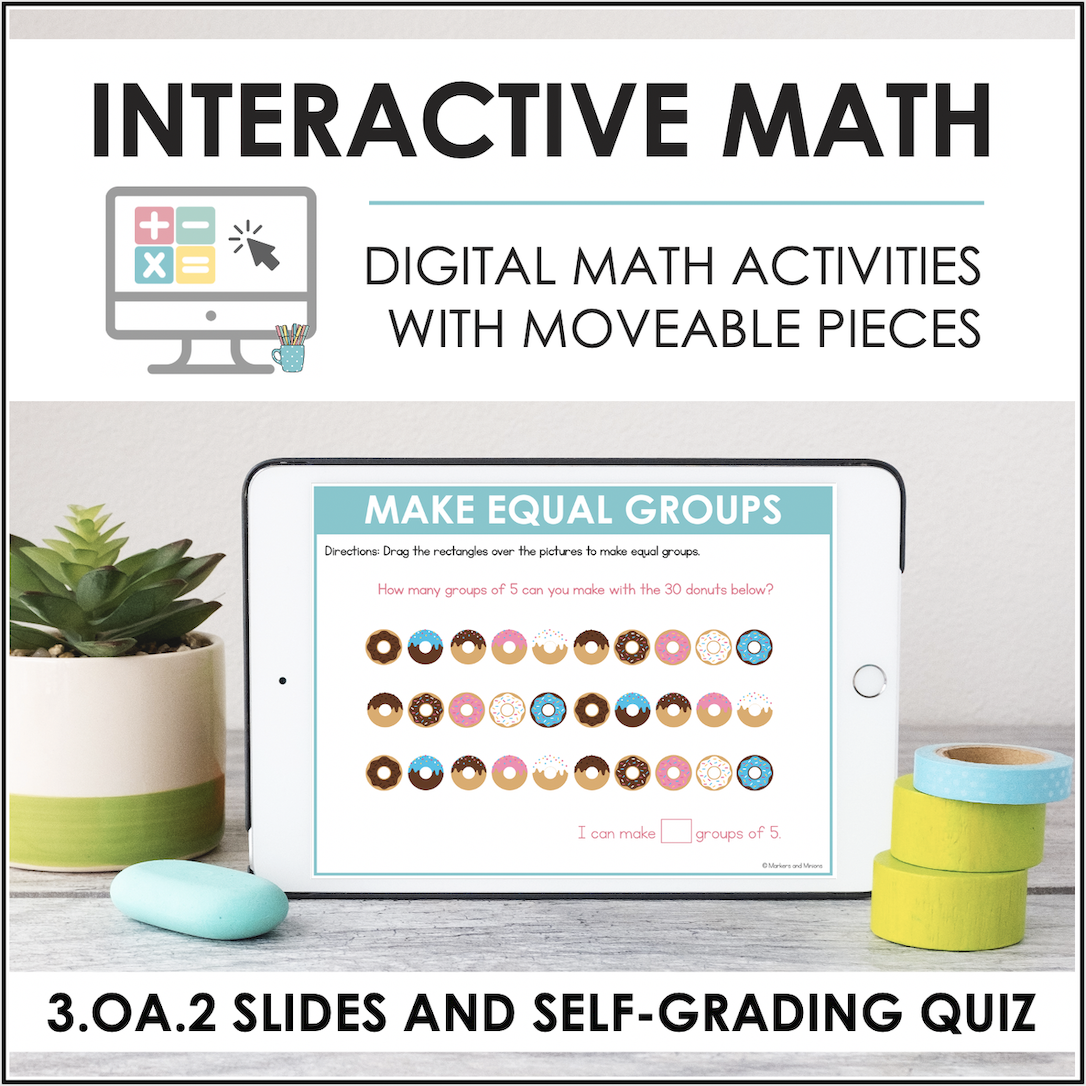
Digital Math Review for Numerical Expressions (5th Grade) This math teaching resource reviews numerical expressions concepts aligned to standard 5.OA.1. The interactive slides actively engage fifth grade students using visual representations to build and interpret numerical expressions. Learners will reinforce their understanding by dragging, dropping, and sorting images representing the expressions. Two versions are included: PowerPoint and Google Slides for easy digital assignment. A supplementary self-grading Google Forms quiz provides data on student understanding. Use the entire resource or select specific slides to target instruction in whole group, small group, or independent practice settings. The engaging slides and self-assessment make this a valuable no-prep, paperless resource for math teachers to enhance numerical expressions instruction.

Author Markers and Minions

Tags Expressions, Word Form, Algebra Quiz, Order Of Operations, Equivalent Expressions

Properties & Order of Operations QUIZ

Properties & Order of Operations QUIZ
Math, Order Of Operations, Grade 7, Quizzes, Quizzes and Tests, Teacher Tools

Properties & quizzes / quizzes -by-subject/math- quizzes /order-of-operations- quizzes ">Order of Operations QUIZ This resource has been created to cater to the needs of seventh-grade Mathematics teachers, making it equally suited for both traditional public school educators and homeschooling parents. The quiz, comprising 10 questions, is tailored to put your students' understanding of using different operations strategically to test. These carefully crafted problems deal with expressions requiring careful attention to the order of operations. A key feature worth noting is that calculation tools are unnecessary as this tool focuses on testing comprehension and strategic use rather than simple numeracy skills. You receive this resource in two formats: Printable version: Perfect for physical distribution Digital version: Tailored specifically for Google Forms usage You could choose to implement this evaluation in a large group setting or within small clusters. You might even utilise it as a homework assignment tool that serves double duty reinforcing learnings at home! To simplify marking procedures and aid review sessions, an all-inclusive answer key accompanies this product guaranteeing precision marking every time. Digital Convenience at its best! One striking benefit offered by digital resources like Properties & quizzes / quizzes -by-subject/math- quizzes /order-of-operations- quizzes ">Order Of Operations QUIZ is accessibility round the clock! In its handy PDF format, it's ready whenever you need it – truly an indispensable addition into your bag of teaching tools. quizzes / quizzes -by-subject/math- quizzes /order-of-operations- quizzes ">Order Of Operations QUIZ . It's ever-ready, effective, everything you need!

Author The Math Cafe

Tags Properties, Order Of Operations, Quiz, Assessment, Mathematics