2,660 products added recently
Page 34 - 2nd Grade Worksheets
Provide your second graders with worksheets that promote growth in literacy, numeracy, and critical thinking. These resources align with curriculum standards and offer engaging activities. Incorporate them to strengthen understanding and encourage enthusiasm for learning.
Guided Reading Level N - The Long Journey of Comets (with Lesson Plan)
ELA, Resources for Teachers, Reading Comprehension, Reading, Language Development, Science, Pre-Reading, Space, Earth and Environmental Sciences, Physics, Grade 2, 3, 4, Worksheets & Printables, Worksheets, Teacher Tools, Centers, Activities, Literacy Readers, Quizzes, Quizzes and Tests, Assessments
This Guided Reading Book - The Long Journey of a Comet (Level N) with lesson plan includes: Guided Reading Color Label (front cover x1) This is a quick way to match the book’s demands to what students can generally handle.. The overall goal is to use the level/color to pick books for several smaller groups. To qualify for a certain level, a student is expected to read a book from that level with about 90–94% accuracy. If a student is consistently accurate and understands, move up a level. If the student is struggling at that level, drop down and add more support. Each student will improve at completely different rates, but it is generally one of the best ways to check progress across the class. DOWNLOAD THE CATALOG TO VIEW ALL GUIDED READING BOOKS AVAILABLE (SORTED LEVELS A-Z) Pre-Reading Question (x1) Teacher asks the prompt aloud, can be while showing the cover or first page. Students share what they already know, or make educated guesses from the cover. Prompt them to use the target vocabulary. Write some of their responses on the board to look back at during the reading. Vocabulary Words (x5) Introduce the five words, best doing it one at a time. Start by saying it, while students repeat and then see if anyone knows what it means before reading further. Read through the meaning and try to briefly connect each word to a picture or gesture so it’s meaningful. Ask students to flip through the book pages and point to where they see each of the vocabulary words. While reading the book pause upon coming across one of the vocab words or read the sentence twice to make sure students understand the word has appeared. Optional: Ask students to raise hands whenever they see/hear one of the new words. Guided Reading Pages (x10) Check the book snapshot (below) for: primary topic - do you need to prep extra reading or intro materials on this? what is taught best - decide on 1-2 bullets to focus on, use the prompt or words provided here for best results. learning goals - what you are checking for students to be able to do after the session, elicit answers using prompts or words provided. key vocabulary (see section above). questions overview - so you know what is coming up and if you need to prep extra materials to assist understanding. Run the lesson You may have already looked at a few of the pages together, but you can show them some of the pictures again first to set meaning. Depending on how much time you have and how familiar your students are with guided reading class, you may want to read the book aloud first with the group first. Students whisper or partner read, while you listen in. If time, do it as a group, one student reading a page each. Use the guided page’s prompts to coach: “Check the picture / does it make sense?” “Point under the words / try the first sound” “Reread the sentence smoothly”. Try to focus more on one student per session (rotating every time), so you can work out if they are ready to move up or need to move down a level. Comprehension Questions (back cover x3) This is your way to check that students didn’t just say the words, but actually understood the text. First, let students answer by pointing to the page/picture and saying a short sentence. After any answer, follow with: “Show me where you found that in the text.” In bigger groups, have partners answer first (10–20 seconds), then call on 2–3 students to share. Differentiation tips: Emerging speakers/struggling readers: oral + pointing On-level: oral in a full sentence Higher: one written sentence or draw + label Book Snapshot Title: The Long Journey of a Comet Genre: Nonfiction (informational) Subject: Earth & Space Science Primary Topic: Comets: composition, orbit, coma, and tails Estimated Guided Reading Level (A–Z): N What This Book Teaches Best What comets are and what they’re made of (a “dirty snowball” mixture of ice, dust, and rock). How comets travel through the solar system, including long, oval-shaped orbits and time spent in the Kuiper Belt. What changes when a comet nears the Sun, including sublimation and the formation of a glowing coma. How solar wind and radiation create two tails that point away from the Sun, and how dust and ion tails differ. Why comets matter to scientists, described as “time capsules” that help scientists learn about the universe’s history. Learning Goals Students can describe what a comet is and identify materials the text says it contains. Students can explain what the nucleus is using details from the book. Students can describe what happens as a comet moves closer to the Sun, including sublimation and coma formation. Students can explain why a comet’s tails form and why they point away from the Sun. Students can compare the dust tail and the ion tail using text details. Students can explain what scientists can learn by studying comets, according to the text. Key Vocabulary From the Text mixture — different things combined together. nucleus — the solid center part of a comet. sublimation — when ice turns directly into gas. radiation — energy that travels out from the Sun. distinct — clearly different from something else. Discussion Prompts Pre-reading question: What do you think happens to a comet as it travels closer to the Sun? Comprehension questions: What does the text say a comet is made of? According to the text, what causes a comet to form a coma? What does the text say scientists can learn by studying comets? Printing Tips 1. Best Printing Method (Recommended) “Booklet” Printing (Best if Available) If your printer or PDF viewer supports Booklet Printing , use this. Settings to use: Print mode: Booklet Paper size: Letter or A4 (either works) Orientation: Landscape Print on both sides: Yes Flip on: Short edge Scaling: Fit to printable area Booklet subset: First test: Front sides only Then: Back sides only This will automatically: Pair pages correctly Put the cover on the outside Align everything for folding After printing, fold in half and staple along the spine . 2. If “Booklet” Printing Is NOT Available You can still print this correctly with manual duplex printing . Step-by-step: Open the PDF. Choose Print . Set: Orientation: Landscape Pages per sheet: 1 Print on both sides: Yes Flip on: Short edge Print all pages . Because each PDF page already contains two facing book pages, the result will still fold cleanly into a book. Thousands of Cored Education products are included with your TeachSimple membership. Download links and encyclopedia index available here.
Author Cored Education
Rating
Tags Reading Comprehension, Reading Passages, Reading, Guided Reading, Guided Reading Lesson Plan, Guided Reading Activity, Pre-reading, Vocabulary, Science Lesson Plans, Space
The Sun Reading Comprehension Passage - Cored Ed Encyclopedia
ELA, Language Development, Reading Comprehension, Reading, Pre-Reading, Writing, Science, Earth Sciences, Earth and Environmental Sciences, Space, Grade 2, 3, 4, 5, Worksheets & Printables, Worksheets, Teacher Tools, Centers, Activities, Writing Prompts, Assessments, Quizzes and Tests, Quizzes, Lesson Plans
This Sun reading comprehension includes: Visualization (on the front cover) Start your lesson by taking a minute to think and share something about the topic. Read the script aloud (slowly), perhaps prepare some music or sound effects. Student close their eyes and let their imaginations wander. Students open their eyes, read the question aloud and give them a few minutes to complete. Ask a few students to share or keep answers until the end to compare with what they learn in the passage. Quick pause—thousands of Cored Education products are included with your TeachSimple membership. Download links and encyclopedia index available here. Pre-Reading Trivia Students will write down one thing they already know about the subject and then read five more facts and discuss. These facts are fun, and the students will enjoy learning about the subject before reading more. Give 1 minute for students to write what they already know (no pressure—best guess is fine). Read the five facts together. After each fact, do ask a student for their opinion, was it surprising? Set a purpose by asking students to highlight/underline one fact they want to learn more about during the reading. Reading Passage The text is a high-interest reading passage with set paragraphs, roughly three to four paragraphs long. It contains a variety of themes about the topic, anywhere from history to technology. The passage is between 250 and 350 words in length. First, ask students to look at the headings and see what they’ll learn about today. What do they know about the topic/heading? First read options: Teacher read-aloud (best for support). Partner reading (paragraph by paragraph). While reading, students underline important details, and vocabulary words they think may come up in the questions section. Mixed Questions The first question page contains four multiple-choice questions, each with a choice of four answers, and three written response questions that require a sentence or two from the student. Students complete the mcqs first independently, then review quickly as a class. For the 3 written responses, try to get students giving the answer with some form of evidence: “I think ___ because the text says ___.” If students get stuck, send them back to check the passage. Vocabulary Questions Practice seven key words from the text in this section across two activities. First section is scrambled words where students will unscramble three words given a clue for each. The second section is a word to meaning matching activity. Before starting, have some students read out words they underlined in the passage. Ask students to say the word and read aloud the sentence(s) around each word. Ask students to do scrambled words and the matching exercise in pairs then go through answers as a class. For the scrambled spelling task, get four pairs to come up to the board and write the words for extra practice with the other student reading out the clue. For the matching task, prompt students to give full sentences: “I matched ___ with ___ because ___.” Creative Writing In this question, the student will be required to write a five to eight sentence paragraph on a question related to the topic. Before starting, ask students write down 3 key ideas they are going to include in their piece. Ask students for ideas to share around the class to help those struggling. Pro writing expectations: 5–8 sentences At least 2 facts or details from the passage At least 2 vocabulary words from the previous page Students read their paragraphs while classmates listen for facts and vocabulary words. Extension Activities This page is optional for fast finishers or to take home. There are several activities, each one requiring a different skill. Do some, do none, do all, completely optional - but you will feel reassured knowing every possibility is planned for. Includes summary writting question. Answer Key There are answers for the multiple-choice questions, written response questions have sample answers, vocabulary answers and if there is a summary question then a sample summary will be provided as well. Lesson Plan Included Customized lesson plan for this lesson is included. Lesson Snapshot Title: The Sun Genre: Nonfiction (informational text with support pages) Subject: Science (Space Science) Primary Topic: How the Sun affects Earth and works Estimated Guided Reading Level (A–Z): S What This Lesson Teaches Best How people used the Sun and changing shadows to notice time long before clocks, phones, and apps. How telescopes in the early 1600s revealed sunspots and helped people realize the Sun can change and even spin. How the Sun shines for so long because nuclear fusion joins hydrogen to make helium and releases energy as sunlight and heat. Key facts about the Sun’s size and importance in the solar system (about 1.39 million kilometres across; holds almost all the mass in the solar system). How the Sun can be active (solar wind, flares, storms) and how spacecraft like NASA’s Parker Solar Probe study the Sun’s outer atmosphere, the corona . Learning Goals Describe how changing shadows helped people notice time long ago. Explain what sunspots are and what they helped early observers realize about the Sun. Explain, using details from the text, how nuclear fusion makes energy inside the Sun. Identify what the corona is and why the Parker Solar Probe flew close to the Sun. Describe two ways the Sun is “not always calm,” based on the passage. Key Vocabulary From the Text telescopes — tools used to see faraway objects in the sky. sunspots — dark freckles seen on the Sun. hydrogen — a gas that joins together deep inside the Sun. helium — what hydrogen becomes when it joins together. corona — the Sun’s outer atmosphere. FULL CATALOG OF DOWNLOAD LINKS AND ENCYCLOPEDIA INDEX HERE
Author Cored Education
Rating
Tags Vocabulary, Reading Comprehension, Reading Passages, Lesson Plans, Ela Lesson Plans, Reading Comprehension Lesson Plans, Reading, Pre-reading, The Sun, Earth Science
Christmas & New Year No Prep Word Search Puzzles for Early Finishers
Vocabulary, Language Development, ELA, Kindergarten, Grade 1, 2, 3, 4, Word Searches, Worksheets, Worksheets & Printables
Christmas and Other Word Search Puzzles 25 No-Prep Puzzles for Early Finishers Basket Keep students busy, engaged, and learning with this set of 25 no-prep word search puzzles . This pack is perfect for classrooms, homeschool settings, or at-home practice. I have designed these puzzles to challenge students while building vocabulary and cognitive skills in a fun way. Each puzzle inside features a different theme, giving students variety and keeping them motivated to solve each one. What’s included in this pack? 25 word search puzzles covering topics such as: Christmas, New Year, Festivals, Spring, Summer Ice cream flavors, Desserts, Yummy drinks Hobbies, Art, Outdoor games, Playgrounds, Camping Nature words, Ocean, House, Calendar Action words, Computer, Circus, Beach Months, Green vegetables Each puzzle includes around 9 - 15 carefully selected words related to the theme I created this resource to be fun and engaging. It is suitable for young learners Features: No-prep: Print and use immediately Flexible for K-5: This resource is not grade-specific. It can be used with a range of ages at different skill levels. Educational and fun: This resource will help kids build vocabulary. It is also beneficial for improving the attention span of elementary grade learners. It will also enhance their problem-solving skills. Versatile use: This screen-free activity works great for classrooms, home learning, travel, or early finishers’ baskets. How to use it? Classrooms: Add these worksheets to early finishers’ baskets, learning centers, or use them as transition activities Homeschooling: Use during independent study or quiet time to reinforce vocabulary Parents: Provide these worksheets as fun, educational activities during car rides, holiday breaks, or rainy days Group activities: You can also turn it into a friendly competition to see who completes a puzzle first Seasonal learning: Match puzzles to the time of year, like Christmas, Summer, or Spring to use it as a seasonal resource These word search puzzles are flexible, no-prep, and engaging . Teachers can use them to fill extra time or provide independent practice. Homeschoolers will find them easy to integrate into lessons, and parents can use them for at-home learning or just for fun. With a wide variety of themes, these puzzles appeal to different interests while supporting vocabulary and critical thinking skills. This set is perfect for early finishers bin, classroom activities, or independent practice worksheets . These puzzles make learning enjoyable for students in K-5.
Author FlashKart
Rating
Tags Puzzles, Word Search, Christmas, Christmas Word Search Puzzle, New Year, New Year Puzzle, Word Game, Early Finishers, Elementary School Resource, 1st To 4th
Guided Reading Level N - Shenyang (with Lesson Plan)
ELA, Resources for Teachers, Reading Comprehension, Reading, Social Studies, Geography, History, Earth and Environmental Sciences, Science, Economics, Grade 2, 3, 4, Worksheets & Printables, Worksheets, Teacher Tools, Centers, Activities, Literacy Readers, Quizzes, Quizzes and Tests, Assessments, Lesson Plans
This Guided Reading Book - Shenyang (Level N) with lesson plan includes: Guided Reading Color Label (front cover x1) This is a quick way to match the book’s demands to what students can generally handle.. The overall goal is to use the level/color to pick books for several smaller groups. To qualify for a certain level, a student is expected to read a book from that level with about 90–94% accuracy. If a student is consistently accurate and understands, move up a level. If the student is struggling at that level, drop down and add more support. Each student will improve at completely different rates, but it is generally one of the best ways to check progress across the class. DOWNLOAD THE CATALOG TO VIEW ALL GUIDED READING BOOKS AVAILABLE (SORTED LEVELS A-Z) Pre-Reading Question (x1) Teacher asks the prompt aloud, can be while showing the cover or first page. Students share what they already know, or make educated guesses from the cover. Prompt them to use the target vocabulary. Write some of their responses on the board to look back at during the reading. Vocabulary Words (x5) Introduce the five words, best doing it one at a time. Start by saying it, while students repeat and then see if anyone knows what it means before reading further. Read through the meaning and try to briefly connect each word to a picture or gesture so it’s meaningful. Ask students to flip through the book pages and point to where they see each of the vocabulary words. While reading the book pause upon coming across one of the vocab words or read the sentence twice to make sure students understand the word has appeared. Optional: Ask students to raise hands whenever they see/hear one of the new words. Guided Reading Pages (x10) Check the book snapshot (below) for: primary topic - do you need to prep extra reading or intro materials on this? what is taught best - decide on 1-2 bullets to focus on, use the prompt or words provided here for best results. learning goals - what you are checking for students to be able to do after the session, elicit answers using prompts or words provided. key vocabulary (see section above). questions overview - so you know what is coming up and if you need to prep extra materials to assist understanding. Run the lesson You may have already looked at a few of the pages together, but you can show them some of the pictures again first to set meaning. Depending on how much time you have and how familiar your students are with guided reading class, you may want to read the book aloud first with the group first. Students whisper or partner read, while you listen in. If time, do it as a group, one student reading a page each. Use the guided page’s prompts to coach: “Check the picture / does it make sense?” “Point under the words / try the first sound” “Reread the sentence smoothly”. Try to focus more on one student per session (rotating every time), so you can work out if they are ready to move up or need to move down a level. Comprehension Questions (back cover x3) This is your way to check that students didn’t just say the words, but actually understood the text. First, let students answer by pointing to the page/picture and saying a short sentence. After any answer, follow with: “Show me where you found that in the text.” In bigger groups, have partners answer first (10–20 seconds), then call on 2–3 students to share. Differentiation tips: Emerging speakers/struggling readers: oral + pointing On-level: oral in a full sentence Higher: one written sentence or draw + label Book Snapshot Title: Global Cities: Shenyang Genre: Nonfiction (informational text) Subject: Social Studies (Geography/Culture) Primary Topic: Landmarks, history, and modern life in Shenyang Estimated Guided Reading Level (A–Z): N What This Book Teaches Best Identifies Shenyang’s location and role (largest city in Northeast China; capital of Liaoning province) and connects it to major waterways in the Liaohe River Basin. Highlights historical heritage through major sites like the Shenyang Imperial Palace (built in 1625; early residence for Qing emperors) and Beiling Park/Northern Mausoleum. Explains how Shenyang developed as an industrial powerhouse , including the Tiexi District’s factory history and preserved museum sites. Shows how a city can blend old and new (Middle Street’s long history alongside modern malls; modern landmarks like the TV Tower and lit-up riverfront). Describes how climate shapes culture , including long, snowy winters and yearly ice-sculpture displays in parks. Learning Goals Identify what the text says Shenyang is the capital of. Describe how rivers and basins are connected to Shenyang’s location and development in the text. Explain what the Shenyang Imperial Palace was used for in the past, based on the text. Describe one way Shenyang’s industry shaped the city in the 20th century. Describe how Shenyang’s winters influence activities and traditions mentioned in the book. Identify one modern landmark or development in Shenyang and tell what the text says about it. Key Vocabulary From the Text situated — located in a certain place. heritage — important history and traditions remembered and protected. mausoleum — a large building where someone is buried. powerhouse — a place important for producing something. metropolitan — connected to a big city and nearby areas. Printing Tips 1. Best Printing Method (Recommended) “Booklet” Printing (Best if Available) If your printer or PDF viewer supports Booklet Printing , use this. Settings to use: Print mode: Booklet Paper size: Letter or A4 (either works) Orientation: Landscape Print on both sides: Yes Flip on: Short edge Scaling: Fit to printable area Booklet subset: First test: Front sides only Then: Back sides only This will automatically: Pair pages correctly Put the cover on the outside Align everything for folding After printing, fold in half and staple along the spine . 2. If “Booklet” Printing Is NOT Available You can still print this correctly with manual duplex printing . Step-by-step: Open the PDF. Choose Print . Set: Orientation: Landscape Pages per sheet: 1 Print on both sides: Yes Flip on: Short edge Print all pages . Because each PDF page already contains two facing book pages, the result will still fold cleanly into a book. Thousands of Cored Education products are included with your TeachSimple membership. Download links and encyclopedia index available here.
Author Cored Education
Rating
Tags Reading Comprehension, Reading Passages, Reading, Guided Reading, Guided Reading Lesson Plan, Guided Reading Activity, Pre-reading, Social Studies Lesson Plans, Geography, History
Quarters Reading Comprehension Passage - Cored Ed Encyclopedia
ELA, Language Development, Resources for Teachers, Reading Comprehension, Reading, Pre-Reading, Social Studies, History, Money, Math, Grade 2, 3, 4, 5, Worksheets & Printables, Worksheets, Teacher Tools, Centers, Activities, Writing Prompts, Assessments, Quizzes and Tests, Quizzes, Lesson Plans
This quarters reading comprehension includes: Visualization (on the front cover) Start your lesson by taking a minute to think and share something about the topic. Read the script aloud (slowly), perhaps prepare some music or sound effects. Student close their eyes and let their imaginations wander. Students open their eyes, read the question aloud and give them a few minutes to complete. Ask a few students to share or keep answers until the end to compare with what they learn in the passage. Quick pause—thousands of Cored Education products are included with your TeachSimple membership. Download links and encyclopedia index available here. Pre-Reading Trivia Students will write down one thing they already know about the subject and then read five more facts and discuss. These facts are fun, and the students will enjoy learning about the subject before reading more. Give 1 minute for students to write what they already know (no pressure—best guess is fine). Read the five facts together. After each fact, do ask a student for their opinion, was it surprising? Set a purpose by asking students to highlight/underline one fact they want to learn more about during the reading. Reading Passage The text is a high-interest reading passage with set paragraphs, roughly three to four paragraphs long. It contains a variety of themes about the topic, anywhere from history to technology. The passage is between 250 and 350 words in length. First, ask students to look at the headings and see what they’ll learn about today. What do they know about the topic/heading? First read options: Teacher read-aloud (best for support). Partner reading (paragraph by paragraph). While reading, students underline important details, and vocabulary words they think may come up in the questions section. Mixed Questions The first question page contains four multiple-choice questions, each with a choice of four answers, and three written response questions that require a sentence or two from the student. Students complete the mcqs first independently, then review quickly as a class. For the 3 written responses, try to get students giving the answer with some form of evidence: “I think ___ because the text says ___.” If students get stuck, send them back to check the passage. Vocabulary Questions Practice seven key words from the text in this section across two activities. First section is scrambled words where students will unscramble three words given a clue for each. The second section is a word to meaning matching activity. Before starting, have some students read out words they underlined in the passage. Ask students to say the word and read aloud the sentence(s) around each word. Ask students to do scrambled words and the matching exercise in pairs then go through answers as a class. For the scrambled spelling task, get four pairs to come up to the board and write the words for extra practice with the other student reading out the clue. For the matching task, prompt students to give full sentences: “I matched ___ with ___ because ___.” Creative Writing In this question, the student will be required to write a five to eight sentence paragraph on a question related to the topic. Before starting, ask students write down 3 key ideas they are going to include in their piece. Ask students for ideas to share around the class to help those struggling. Pro writing expectations: 5–8 sentences At least 2 facts or details from the passage At least 2 vocabulary words from the previous page Students read their paragraphs while classmates listen for facts and vocabulary words. Extension Activities This page is optional for fast finishers or to take home. There are several activities, each one requiring a different skill. Do some, do none, do all, completely optional - but you will feel reassured knowing every possibility is planned for. Includes summary writting question. Answer Key There are answers for the multiple-choice questions, written response questions have sample answers, vocabulary answers and if there is a summary question then a sample summary will be provided as well. Lesson Plan Included Customized lesson plan for this lesson is included. Lesson Snapshot Title: Quarters Genre: Nonfiction (informational reading passage) Subject: Social Studies (U.S. history) / Math (money) Primary Topic: How U.S. quarters changed over time Estimated Guided Reading Level (A–Z): S What This Lesson Teaches Best Understanding money value and fractions (a quarter is 25 cents; one fourth of a dollar; “two bits”). How coin materials and features affected trust and prevented cheating (silver, weight, and ridged edges called “reeding”). Timeline thinking using key dates and changes (1796, 1932, 1965, 1999, 2022–2025, 2026). How symbols/designs on coins reflect history and what a country honors (states, national parks, historical places, notable American women, 250th anniversary themes). Reading informational text with headings and main ideas (three titled sections explain different eras/changes). Learning Goals I can explain why a quarter is worth 25 cents and how it relates to a dollar. I can describe what “two bits” means and where the nickname came from. I can explain how “reeding” (the ridged edge) helped stop people from shaving off metal. I can describe one major change quarters went through over time (design or materials) using details from the passage. I can identify the main idea of the section about changing quarter designs. Key Vocabulary From the Text reeding — tiny ridges on a coin’s edge precious — very valuable recognize — know something by its look or feel coating — a covering layer on something honoring — showing respect by featuring someone or something FULL CATALOG OF DOWNLOAD LINKS AND ENCYCLOPEDIA INDEX HERE
Author Cored Education
Rating
Tags Vocabulary, Reading Comprehension, Reading Passages, Reading, Creative Writing, Reading Strategies, Writing Prompts, Lesson Plans, Quarters, Money
Helicopters Reading Comprehension Passage - Cored Ed Encyclopedia
ELA, Language Development, Resources for Teachers, Reading Comprehension, Reading, Pre-Reading, Writing, Strategies, Technology, Science, Grade 2, 3, 4, 5, Worksheets & Printables, Worksheets, Teacher Tools, Centers, Activities, Writing Prompts, Assessments, Tests, Quizzes and Tests, Quizzes
This helicopters reading comprehension contains the following: Pre-Reading Trivia Students will write down one thing they already know about the subject and then read five more facts and discuss. These facts are fun, and the students will enjoy learning about the subject before reading more. Reading Passage The text is a high-interest reading passage with set paragraphs, roughly three to four paragraphs long. It contains a variety of themes about the topic, anywhere from history to technology. The passage is between 250 and 350 words in length. Mixed Questions The first question page contains four multiple-choice questions, each with a choice of four answers, and three written response questions that require a sentence or two from the student. Creative Writing In this question, the student will be required to write a five to eight sentence paragraph on a question related to the topic. Extension Activities This page is optional for fast finishers. If there are five to ten minutes left at the end of the lesson, the student can choose one of three activities, each one requiring a different skill. Answer Key There are answers for the multiple-choice questions and three written response questions have sample answers. FULL CATALOG OF DOWNLOAD LINKS AND ENCYCLOPEDIA INDEX HERE Lesson Snapshot Title: Helicopters Genre: Nonfiction (informational text with headings) Subject: Reading (Informational Text) / Science & Technology Primary Topic: How helicopters fly and what they do Estimated Guided Reading Level (A–Z): O Support pages present: Pre-reading trivia, mixed questions, creative writing, extension activities, answer key (plus a QR/index page). What This Lesson Teaches Best Explains how helicopters can move differently than most airplanes (rise straight up, drop straight down, hover, slide sideways, scoot backward). Teaches the basic idea of lift in a helicopter by describing spinning rotors/blades and how pilots change blade tilt to move. Describes a problem caused by the main rotor spinning and how a tail rotor (or two opposite-spinning rotors) helps stop unwanted spinning. Connects early ideas about vertical flight (a Chinese bamboo spinning toy; Leonardo da Vinci’s “air screw” sketch) to modern helicopter uses. Builds knowledge of real-world purposes for helicopters (rescue, carrying injured patients to hospitals, fighting fires with water buckets, lifting equipment with cables). Learning Goals Students can describe at least three ways a helicopter can move, based on the text. Students can explain that helicopters use spinning rotors/blades to make lift and move through the air. Students can describe why many helicopters use a tail rotor, using details from the passage. Students can identify two examples of early clues/ideas about vertical flight mentioned in the text. Students can name and describe at least two jobs helicopters do today that the passage lists. Key Vocabulary From the Text rotorcraft — an aircraft that uses spinning rotors. hover — stay in one place in the air. blades — long parts that spin on top. vertical — straight up and down. cables — strong lines used to lift equipment. Cored Ed Encyclopedia Overview The Cored Ed Encyclopedia is a weekly series of lessons that you can pick up and use right away. These short readings fit into whatever time you have available. Each one includes a warm-up, a reading, and a set of questions, but it’s flexible — you can do just the reading, the full lesson, or skip the writing section if you need to. Each lesson focuses on a single topic so students don’t get lost. The writing is clear but never childish, making it perfect for grades two through five. Topics range from animals and science to history, inventions, and everyday things. No matter the level of the student, everyone should take away at least one new idea or fact from each lesson. The materials are easy to print, easy to explain, and require no setup. They work well for whole-class teaching, partner work, or independent study.
Author Cored Education
Rating
Tags Vocabulary, Spelling, Reading Comprehension, Reading Passages, Reading, Creative Writing, Reading Strategies, Writing Prompts, Technology, Helicopters
Writing Haikus Interactive Foldable Booklets – EBOOK
ELA, Writing, Grade 2, 3, 4, 5, 6, 7, 8, Worksheets & Printables, Worksheets
Your students will create three interactive foldable booklets where they can document what they are learning about writing haikus. These 3 foldables cover: •Basic Facts about haikus •Haiku Planner •Haiku illustration This product is downloadable as a PDF file. Print, cut, fold, and create! Keywords: haikus, poetry, syllables, syllabication, rhyme, Japan, nature , Melissa Noll, interactive foldable booklets
Author Knowledge Box Central
Tags Haikus, Poetry, Japan, Writing, Rhyme
1:1 Correspondence, Counting and Number Identification
Math, Early Math, Preschool, Kindergarten, Grade 1, 2, 3, Worksheets & Printables, Worksheets
1:1 Correspondence and Number Identification are important early math skills for children to master.Included in this packet are 6 activities to help your students practice these skills. Laminate theColor Pagesand use with a dry erase marker to have them for years to come. Use the Black and Whitecopies to save on color ink and to send home to families tohelp support generalization. Use the Animated PowerPoint to teach your students remotely or just for added fun!
Author Socially Skilled Kids
Tags Counting, 1:1 Correspondence , Modified Math, 1-1 Correspondence Activities
Lawyer and Courtroom Activity Packet and Worksheets
Life Studies, Career, Grade 1, 2, 3, 4, 5, Worksheets, Worksheets & Printables
The Lawyer and Courtroom Activity Packet and Worksheets This outstanding resource designed to introduce the judicial system to young learners in an accessible manner includes engaging, printable worksheets that require no preparation beforehand. Overview Learning about lawyers and judges doesn't need to be complicated. With this activity packet, it becomes an exciting exploration. The packet caters to students with varying comprehension abilities across grades 1 - 5. Content A thorough introduction: Covers essential knowledge from explaining what a lawyer is to how a courtroom operates. Interactive learning: Encourages expression of understanding through responses. Creative activities: Include tasks such as drawing a courtroom or writing prompts related to legal professions. Puzzles and activities: Houses other engaging tasks like word searches or dot-to-dot exercises themed around law. Career Exploration Opportunities This versatile packet also pays special focus on career exploration in law through interesting facts about renowned lawyers and intriguing exercises such as filling-out 'Lawyer Applications'. The goal is fostering critical thinking skills among students ranging from grade 1 up until grade 5. Versatile Usage Options! The PDF file can be used group-wise in class or delegated as small team efforts or individual homework assignments- adapting flexibly according to your needs! Incorporating this well-planned resource into your teaching strategy will certainly facilitate comprehensive understanding of legal careers while maintaining students' engagement levels high by simplifying complex concepts without falling into the prep hassles trap!
Author KP Classroom
Tags Lawyer, Courtroom, Judicial System, Career Exploration, Interactive Activities, Courtroom Word Search
U.S. Constitutional Amendment Seventeen Interactive Foldable Booklets - EBOOK
Social Studies, Government, Grade 2, 3, 4, 5, 6, 7, 8, 9, 10, 11, 12, Worksheets & Printables, Worksheets
U.S. Constitutional Amendment Seventeen Interactive Foldable Booklets - EBOOK This invaluable teaching resource is designed for Grades 2 to 12. It serves as a fascinating tool for those seeking to teach the U.S constitution in an immersive way. This resource specifically covers the Seventeenth Amendment. Main Features: Interactive foldables focusing on the Seventeenth Amendment of the United States Constitution Delve into details and implications of Amendment Seventeen with carefully crafted foldables The emphasis not only on what it says but also key facts related to it and related vocabulary enrichment Format: This resource in PDF format allows easy printing with no hassle or additional cost. Instructions for creating Interactive Notebook or Lapbook sequences are included. Learning Scenarios: Suitable for individual work at home (for homeschooled students), cooperative activities in small class groups, or homework assignments Promotes active engagement and reinforces critical thinking skills during Government classes under Social Studies subject . User Profile:: Multidisciplinary learners from grade levels two through twelve can benefit from this hands-on approach on learning about U.S constitutional amendment seventeen. In Summary, The eBook offers an intelligent, handy solution when teaching these crucial classroom topics: election processes, popular vote system implementations under Constitution amendments like number seventeen including ratification-related matters deeply interwoven within Governmental function studies.
Author Knowledge Box Central
Tags Interactive Foldables, US Constitution, Amendment Seventeen, Teaching Resource, Government Education
Sharks Interactive Foldable Booklets – EBOOK
Science, Life Sciences, Animals, Grade 2, 3, 4, 5, 6, 7, 8, 9, 10, 11, 12, Worksheets & Printables, Worksheets
Sharks Interactive Foldable Booklets - EBOOK Offering an immersive, creative, and engaging educational resource for teachers and homeschoolers, spotlighting the fascinating world of sharks. This product encompasses Grade 2 through Grade 12 , providing dual foldables to enhance interactive notebooks or lapbooks. Inclusions: 15-pages of printable worksheets in a convenient PDF format. A wealth of information about sharks to pique the interest of young learners. A basic introduction foldable discussing shark facts like body structure, dietary habits, typical behaviors, and fun trivia notes that can stimulate curiosity towards marine life. An advanced foldable showcasing different types of sharks such as the Great White Shark, Hammerhead Shark and more. Design: The structure encourages interactivity; students can print out the worksheets on A4 sheets using their home or school's printer. Instructions are to cut along outlined shapes before folding them - making dynamic booklet-style study aids. With teacher supervision in class or small group settings these resources can be tailored across Science curriculums with focus on Zoology topics. Beyond Knowledge: Beyond gaining knowledge about sharks; this tool also helps fine-tune motor skills via cutting and folding activities whilst boosting creativity by letting students decide how their interactive notebook will be arranged with diverse shark species entries. Some teachers may assign Sharks Interactive Foldable Booklets as compelling homework tasks encouraging autonomous study at home! Last words- This comprehensive teaching resource brings zoological science within everyone's reach - simplified enough for budding scientists yet detailed enough for upper grades - but also makes learning deeply enjoyable by transforming lessons into hands-on experiences with nature's underwater predators!
Author Knowledge Box Central
Tags Sharks, Interactive, Foldable Booklets, Educational Resource, Zoology
Concept Nouns Naming and Definitions 1
Special Resources, ELA, Reading, Language Development, Vocabulary, Writing, Grade 2, 3, 4, 5, Worksheets & Printables, Worksheets
This series of PDF BUNDLE resources focuses on identifying noun concepts, with engaging visualizations ( pictures and graphic arrangements ) of vocabulary by topic. The activity materials in this assignment are designed to help students develop their vocabulary and reading comprehension skills through interactive activities and real-life examples. It includes clear names and definitions of words from common noun categories and can also serve as discussion prompts to encourage critical and analytical thinking, deepen your understanding of the language, and improve your communication skills . This resource is designed to be accessible and engaging to all students . Ideal for teaching English as a Second Language and intervention sessions on learning difficulties. Clear and concise language, visual aids and interactive activities help students easily understand and remember information, integrating visual and kinesthetic elements. You can choose from a variety of worksheets that suit your student's level, interests, and printing preferences. Each category topic includes : 2 sets of Flash cards ( definition sentence / image, image / definition sentence ) 2 sets of Flash cards ( definition word / phrase, definition phrase / word ) 3 anagram strings ( mixed letters of single words or in definition text ) 1 Crossword ( word definition ) 2 sets of linked activities Draw a Line ( definition / image, image / definition ) 2 sets of matching activities Draw a line ( word / definition, definition / word ) 2 series of Quizzes ( definition / image, image / definition ) 2 series of quizzes ( word / definition, definition / word ) 3 Wheels of Fortune ( words, definitions, images ) Search page for 1 word ( word definition ) 2 writing boards ( words, definitions ) 2 blank boards/artboards ( words, definitions ) Various puzzles and word games for naming noun concepts as well . * Use as-is or create your own board games, like Snap, Memory, Match to Sample, and Knowledge Races . Distribute it as morning exercises, quiet time and focus activities, independent workbooks, or fun homework . 65 PDF Pages
Author WORDS ASIDE
Tags Esl, Word Defining, Semantics, Word Search, Anagram, Flash Cards, Centers, Crossword, Definitions, Writing Expository
Daily Morning Work for December
, Grade 2, 3, Worksheets & Printables, Worksheets
This is a Daily Morning Work for December. There are 18 worksheets included that are great review practice for math and language arts. Students will tell time, practice spelling and handwriting, correct sentences and so much more.
Author Our Strange Class
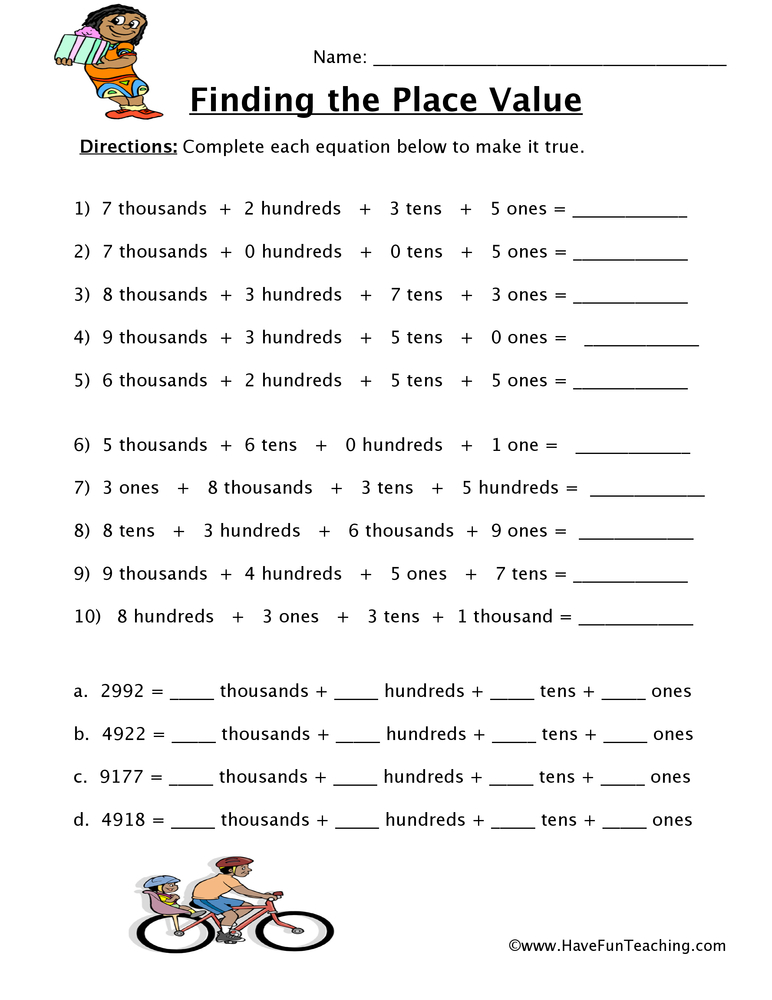
Tags Daily Morning Work, December, Winter, Expanded Form, Grammar Review
Digraph EA EE Vowel Teams Activity Packet and Worksheets
ELA, Language Development, Phonics, Preschool, Grade 1, 2, Worksheets, Worksheets & Printables
This " Digraph EA EE Vowel Teams Activity Packet and Worksheets " is a fun packet of no prep word work and phonics activities for the vowel digraph EA EE. These printables are great for improving phonics skills, spelling, grammar, reading comprehension, and writing with digraphs. These activities are designed for kids at differing levels in Kindergarten, First Grade or Second Grade. Please note that not all activities in this packet will meet your class' particular levels, but there should be enough variation in the resources from your high flyers to those that are more challenged.
Author KP Classroom
Tags Phonics, Words, Digraph, Vowel, Spelling, Vowel Teams Ee And Ea, Is Ea A Vowel Team, Is Ee A Digraph, Words With Ea Vowel Team, Words With Ee Vowel Team, Vowel Team Ee, Vowel Team Ee Words, Is Ea A Digraph, Ee Vs Ea, Ea And Ee Words
Kindness Word Search: 1 Page Sample (PDF)
ELA, Language Development, Resources for Teachers, Vocabulary, Spelling, ESL, Life Skills, Special Resources, Social Skills, Grade 2, 3, 4, 5, Worksheets & Printables, Worksheets, Teacher Tools, Centers, Activities, Word Searches
THIS IS A ONE PAGE SAMPLE OF A SIX PAGE WORD SEARCH DOWNLOAD FULL SIX PAGE WORD SEARCH DOWNLOAD INFORMATION This wordsearch series is designed for students in grades 2–5. Each set of wordsearches is built around a clear vocabulary theme, helping students develop word recognition, improve spelling, and boost topic-related understanding through engaging visual puzzles. Every wordsearch also includes a fun hidden shape for students to guess—adding an interactive twist to traditional vocabulary practice. These wordsearches are student-friendly, classroom-ready, and perfect for integrating into literacy warmups, seasonal units, fast-finisher tasks, or home learning extensions. Each puzzle reinforces themed vocabulary in a playful, structured format that keeps learners motivated. Kindness Word Search Word List 1. Kind Words Please, Thank, Hello, Sorry, Nice, Smile, Help, Share 2. Helping Others Help, Share, Carry, Give, Fix, Ask, Listen, Care 3. Being a Good Friend Friend, Play, Talk, Laugh, Help, Hug, Share, Kind 4. Showing Respect Listen, Quiet, Wait, Polite, Honest, Fair, Safe, Friendly 5. Kindness at School Teacher, Share, Wait, Help, Quiet, Fair, Write, Learn 6. Kindness at Home Parent, Sibling, Grandparent, Care, Share, Talk, Meal, Love PDF Version Other versions will appear here when available. Follow the store for the lastest on new products. How to Use These Wordsearches These wordsearches are ideal for: Morning work or early finisher bins Vocabulary centers or anchor activities Holiday or seasonal review lessons Independent literacy stations or take-home enrichment Each puzzle includes a themed word list and a shaped grid for students to complete. Word directions may vary (horizontal, vertical, diagonal), and answer keys are included for easy checking. Optional vocabulary challenges or writing tasks can be added to extend the learning experience. Whether you're reviewing key vocabulary, exploring a seasonal topic, or offering fun literacy practice, these wordsearches provide a flexible and engaging tool to support vocabulary growth in grades 2–5. More Kindness Themed Products CROSSWORDS FULL CATALOG OF DOWNLOAD LINKS HERE Themed Word Search Links Addition PDF Animals PDF Around the Home PDF Birthday PDF Candy PDF Christmas PDF Cinco de Mayo PDF Clothes PDF Colors PDF Days and Months PDF Division PDF Earth Day PDF Easter PDF Easy Word Searches PDF Fall PDF Father's Day PDF Food PDF Geography (Set 1) PDF Geography (Set 2) PDF Geography (Set 3) PDF Graduation PDF Health PDF History (Set 1) PDF History (Set 2) PDF History (Set 3) PDF Human Body PDF Kindness PDF Life Skills PDF Mother's Day PDF Multiplication PDF Science Word Searches (Set 1) PDF Science Word Searches (Set 2) PDF Science Word Searches (Set 3) PDF Shapes PDF Social Skills PDF Spring PDF Sports PDF St. Patrick's Day PDF Subtraction PDF Summer PDF Thanksgiving PDF Transport PDF Valentine's Day PDF Winter PDF Wordsearches in Depth Structure Each wordsearch is crafted around a focused sub-theme and includes a visual puzzle shaped like a related object (e.g., balloon, gift, snowman). Students complete each puzzle using the provided themed word list, strengthening both content knowledge and spelling skills in a highly engaging format. Each completed set includes: A shaped wordsearch puzzle with 10 vocabulary words A student instruction guide with search directions (horizontal, vertical, diagonal) An answer key for teacher support or student self-checking A Did You Know? fact connected to the theme for enrichment or discussion Themes Included The wordsearches cover a wide range of fun, age-appropriate themes, including: Seasons & Holidays (e.g., Halloween, Easter, Valentine’s Day) Math Concepts (e.g., Addition, Number Words) Everyday Topics (e.g., Animals, Weather, School) Special Units (e.g., Health, Earth Day, Sports, Kindness) Each topic is selected to reflect students’ real-life experiences and interests while reinforcing literacy skills and content understanding in a playful, visual way. For similar downloads and other frees, do check out Cored Group on TeachSimple.
Author Cored Education
Rating
Tags Vocabulary, Spelling, Kindness, Kind Words, Helping Others, Kindness Activities, Ela Word Searches, Word Search, Kindness Word Searches, Word Searches
Science Mazes - Set 2: 1 Page Sample (PDF)
ELA, Language Development, Vocabulary, Spelling, ESL, Resources for Teachers, Science, Physics, Earth and Environmental Sciences, Life Sciences, Grade 2, 3, 4, 5, Worksheets & Printables, Worksheets, Teacher Tools, Centers, Activities, Mazes
THIS IS A ONE PAGE SAMPLE OF A SIX PAGE MAZE DOWNLOAD FULL SIX MAZE DOWNLOAD INFORMATION: Maze Series This maze series is designed for students in grades 2–5. Each set features a clear, kid-friendly theme with scene-based mazes that students first navigate, then complete by drawing a few target words from a simple word list. Pages come in varied styles and graduated difficulty, with an optional “color it in” step—and some themes invite quick calculations to match the task. These mazes are student-friendly, classroom-ready, and perfect for literacy warmups, seasonal units, fast-finisher bins, centers, sub plans, or home learning extensions. The playful, structured format builds problem-solving, attention to detail, and fine-motor control while reinforcing themed content in a motivating way. Note: Unlike many themed products, not all word-list words appear on the maze pages. To support full vocabulary coverage, we’ve released a companion word list you can find in the links section. Science Set 2 Word List 1. Energy and Electricity Energy, Electricity, Battery, Circuit, Switch, Solar, Light, Heat 2. Rocks and Minerals Rock, Mineral, Fossil, Sand, Crystal, Diamond, Lava, Soil 3. Life Cycles Egg, Larva, Pupa, Adult, Seed, Sprout, Grow, Change 4. The Water Cycle Water, Evaporate, Condense, Cloud, Rain, Puddle, River, Ocean 5. Scientific Inquiry and Tools Observe, Hypothesis, Experiment, Measure, Balance, Ruler, Data, Graph 6. Natural Disasters Earthquake, Tsunami, Hurricane, Tornado, Flood, Drought, Lightning, Volcano PDF Version Other versions will appear here when available. Follow the store for the lastest on new products. How to Use These Mazes Perfect for: Morning work or early-finisher bins Literacy or STEM centers Holiday/seasonal review lessons Independent stations, sub plans, or take-home enrichment More Science Themed Products Science Crosswords (Set 1) PDF Science Crosswords (Set 2) PDF Science Crosswords (Set 3) PDF Science Word Searches (Set 1) PDF Science Word Searches (Set 2) PDF Science Word Searches (Set 3) PDF Science Mazes (Set 1) PDF Science Mazes (Set 3) PDF FULL CATALOG OF DOWNLOAD LINKS HERE Themed Mazes Links Addition PDF Animals PDF Around the Home PDF Birthday PDF Candy PDF Christmas PDF Cinco de Mayo PDF Clothes PDF Colors PDF Days and Months PDF Division PDF Earth Day PDF Easter PDF Easy Mazes PDF Fall PDF Father's Day PDF Food PDF Geography (Set 1) PDF Geography (Set 2) PDF Geography (Set 3) PDF Graduation PDF Health PDF History (Set 1) PDF History (Set 2) PDF History (Set 3) PDF Human Body PDF Kindness PDF Life Skills PDF Mother's Day PDF Multiplication PDF Science (Set 1) PDF Science (Set 2) PDF Science (Set 3) PDF Shapes PDF Social Skills PDF Spring PDF Sports PDF St. Patrick's Day PDF Subtraction PDF Summer PDF Thanksgiving PDF Transport PDF Valentine's Day PDF Winter PDF Mazes in Depth Structure Each maze is crafted around a focused sub-theme. Students navigate the maze, encountering branches and cul-de-sacs that build attention and planning. Most pages include a tiny follow-up box—students draw or label 2–3 target words from a small word box, add a quick count, or color in the scene—so the activity reinforces both content and skills in a highly engaging format. Each completed set includes: A themed maze page. A simple student instruction strip. An answer key showing the solved path for teacher support or self-checking Themes Included These mazes cover a wide range of fun, age-appropriate themes, including: Seasons & Holidays (e.g., Halloween, Easter, Valentine’s Day) Math-Lite Connections (e.g., quick counts, number words) Everyday Topics (e.g., Animals, Weather, School) Special Units (e.g., Health, Earth Day, Sports, Kindness) Each topic reflects students’ real-life experiences and interests while strengthening problem-solving, visual scanning, and fine-motor control in a playful, highly visual way. Easy extensions (optional): Time it: solve once in pencil, then try to beat the time in pen Retell the route using sequence words (first, next, then, finally) Count intersections or turns and graph the results Write a 1–2 sentence mini-story about the scene using the target words Design a tiny maze in the corner for a partner to solve Differentiation tips: Offer a finger-trace pass before pencils for emerging learners Highlight the borders of the correct region on first attempts Use thicker-line versions or simpler pages to build confidence Pair roles: “navigator” gives directions; “driver” traces the path For similar downloads and other frees, do check out Cored Group on TeachSimple.
Author Cored Education
Rating
Tags Vocabulary, Spelling, Science, Energy And Electricity, Rocks And Minerals, Life Cycles, The Water Cycle, Natural Disasters, Science Mazes, Mazes
Ancient Greece Interactive Foldable Booklets - EBOOK
Social Studies, History, History: Ancient, Grade 2, 3, 4, 5, 6, 7, 8, Worksheets & Printables, Worksheets
Ancient Greece Interactive Foldable Booklets - EBOOK Product Description: The Ancient Greece Interactive Foldable Booklets - EBOOK is a magnificent educational tool that affords students an insight into intriguing aspects of ancient Greek culture and history. Meant for grades 2-8, this resource illuminates understanding in social studies and particularly, ancient history. Uniqueness: This product shines because of its interactivity. The booklets unfold into mini books plunging learners directly into the core of ancient Greece besides making history more approachable! Taught Aspects: Societal Life Arts & Culture Military & Wars Athens, Sparta, Mycenaeans & Minoans Influences Package Content: 24 Pages PDF File (Full color and B/W Versions) > Detailed Printing and Creating Instructions > > Potential Usage in Diverse Settings :: > The foldables can be embedded within teaching schemes both for group classes or small group activities. It could also turn intimidating homework assignments into creative projects . > > >
Author Knowledge Box Central
Tags Ancient Greece, Interactive Learning, Foldable Booklets, Hands-on Education, Social Studies
Aunt Flossie's Hats and Crab Cakes Later Book Companion
ELA, Reading, Reading Comprehension, Literature, Grade 2, 3, 4, Teacher Tools, Graphic Organizers, Worksheets & Printables, Novel Studies, Activities, Worksheets
This picture book companion is a complete supplemental resource for the book Aunt Flossie's Hats (and Crab Cakes Later) by Elizabeth Fitzgerald Howard. It includes 27 print-and-go reading activities to choose from, making this resource ideal for customizing learning to your student's specific needs and academic abilities. Students will investigate characters, identify story elements, determine the theme, practice plotting story events, compare & contrast, make predictions, inferences, & connections, answer questions that require them to think beyond the text, and much more! Students will be captivated by the stimulating activities, while educators will value the saved effort in searching for premium resources to tackle complex reading concepts. The activities on offer aim to promote advanced cognitive skills, urge students to cite textual justifications for their conclusions, and motivate them to articulate their personal opinions and views. ⭐️This Resource Includes:⭐️ ◾ Making Predictions: Before reading the book, students will make predictions about the text. ◾ Story Elements: Students fill in the boxes with words & pictures to represent the story elements. ◾ Sequencing: Students will retell & illustrate the important parts of the story. ◾ Summary: Students complete the Somebody, Wanted, Because, But, So graphic organizer and write a summary of the story. ◾ Story Event Sort: Students will describe a scene or event from the story that fits into each of the categories & explain how the event made them feel & how it relates to the category. ◾ Cause & Effect (simplified): Students are given either the cause or effect and will cut & match up cause & effect cards, then paste them in the correct boxes (ANSWER KEY included). ◾ Cause & Effect: Students cut & match up cause & effect cards, then paste them in the correct boxes (ANSWER KEY included). ◾ Visualizing Aunt Flossie's Hats: Students read the descriptions of Aunt Flossie's hats from the story and draw pictures of what they visualize the hats to look like. ◾ Making Inferences: Students use clues & schema to make inferences while reading the story. ◾ Using Details to Make Inferences: Students will make inferences using the provided details from the story. ◾ Making Connections: Students make connections to an event from the story. ◾ Character Inside & Out (Sarah): Students include details from the story to describe what the character says, thinks, does, and feels. ◾ Character Inside & Out (Susan): Students include details from the story to describe what the character says, thinks, does, and feels. ◾ Character Inside & Out (Aunt Flossie): Students include details from the story to describe what the character says, thinks, does, and feels. ◾ Character Feelings (Sarah & Susan): Students describe how the characters’ feelings change throughout the story & give examples of the events that cause them to feel the way they do. ◾ Character Feelings (Aunt Flossie): Students describe how the character's feelings change throughout the story & give examples of the events that cause them to feel the way they do. ◾ Character Summary: Students summarize the main character of the story. ◾ Character Perspective: Students will compare Rubina's perspective to Sana's perspective in the story by drawing a picture and adding words to the thought bubbles. ◾ Sketch a Scene From the Story: Students will draw a scene from the story and explain why it's important to the plot. ◾ Setting Influences the Plot: Students will draw a scene from the story that takes place in one of the settings and write about what happened there and why it was important to the plot. ◾ Theme: Students answer the questions to determine which theme best fits the story and provide text evidence to support their choice. ◾ Thinking About the Text: Students will answer the questions about the story & include examples from the text to support their answers. ◾ Thank You Aunt Flossie: Students imagine they are Sarah or Susan and write Aunt Flossie a thank-you note to explain why spending Sunday afternoons with her made such special memories. ◾ Wait... There's More!: Students will write about what happens next in the story. ◾ My Special Memory: Students write about a piece of clothing, jewelry, hat, shoes, or other item that reminds them of a special memory. ◾ Families are Special: Students will brainstorm their family's traditions, things that make their family unique, and special things they do with their family. Then, they will compare and contrast their family with a classmate's family using a Venn diagram. ◾ Book Review: Students will color in the stars to rate how much they enjoyed the book and draw a new cover & their favorite character from the story. Then, they will explain why other kids should or should not read it. 💡Need ideas for different ways you can implement these activities? ◾ Focus on different reading skills each day for targeted instruction, and have students complete a corresponding printable to check for understanding. ◾ During centers, students can independently read the story again and complete an activity that reviews a previously taught concept. ◾ Work with students on a reading concept they struggle with during guided reading or strategy groups. ◾ Students work with a partner or in literature circles to complete additional reading activities. This resource is for extension read-aloud activities only. The book is not included. ⭐️You may also like: ⭐ TEXT SET #1: "The Importance of Friendship" ◾ A Weekend With Wendell Read Aloud Book Companion Activities for IRA ◾ First Come the Zebra Read Aloud Book Companion Activities for IRA ◾ This is Our House Read Aloud Book Companion Activities for IRA ◾ Horace and Morris But Mostly Dolores Read Aloud Book Companion Activities for IRA ◾ The Old Woman Who Named Things Read Aloud Book Companion Activities for IRA TEXT SET #3: "Finding Your Way in a New Place" ◾ Grandfather Counts Read Aloud Book Companion Activities for IRA ◾ The Have a Good Day Cafe, Read Aloud Book Companion Activities for IRA ◾ Roses for Gita Read Aloud Book Companion Activities for IRA ◾ Mango, Abuela, and Me, Read Aloud Book Companion Activities for IRA ◾ Home at Last Read Aloud Book Companion Activities for IRA TEXT SET #7: "Exploring Narrative Nonfiction" ◾ Cactus Hotel Read Aloud Book Companion Activities for IRA ◾ A Log's Life Read Aloud Book Companion Activities for IRA ◾ Salmon Stream Read Aloud Book Companion Activities for IRA ◾ Think of an Eel Read Aloud Book Companion Activities for IRA ✨Be sure to check out my storefront here: https://teachsimple.com/contributor/creatively-gifted
Author Creatively Gifted
Tags IRA, Picture Book Activities, Read Aloud Lessons, Interactive Read Aloud Activities, Elementary Reading, Reading Comprehension, Fountas And Pinnell IRA, Family, Second Grade, Memory Stories
Biography: Hariett Tubman
Social Studies, Biographies, Preschool, Grade 1, 2, 3, Worksheets & Printables, Worksheets
Biography: Hariett Tubman is a great resource for students to learn about the life of Hariett Tubman. The resource presents a short text to read about her life, questions for students to answer, and a space for them to exercise creative writing.
Author FlairSquare Educational Resources
Tags Biography, Hariett Tubman, Writing, Reading Comprehension, Creative Writing, Black History Month, Informational Text
Capitalization Practice and Activities, 4th Grade Grammar Worksheets
ELA, Writing, Reading, Grammar, Grade 2, 3, 4, Worksheets, Worksheets & Printables
Capitalization Practice for Grade 4 Reinforce proper capitalization with this engaging 4th grade grammar resource. The 10 worksheets provide practice identifying contexts where capitalization is required, including beginning sentences, proper nouns like people and places, and the pronoun "I." Sentences feature relevant examples like geographical locations and student names to actively involve learners. Aligned to grade 4 curriculum standards, these printables are versatile for whole class, small group, independent, or homework to instill good capitalization habits. Educators can implement these NO PREP capitalization activities to equip 4th graders with the solid language arts foundation vital for future ELA and writing success. The practice builds familiarity through application in an enjoyable way that sets the stage for excellence.
Author TeacherYouWant
Tags Fourth Grade, Grammar, Capital, Worksheets And Activities, Morning Work, Back To School
"Seahorse" Worksheet Packet
Science, Life Sciences, Animals, Preschool, Grade 1, 2, 3, Worksheets & Printables, Worksheets
This is a "Seahorse" Worksheet Packet. You will get a variety of differentiated worksheets for your little learners. There are 2 different versions - labeled with K/1 and 2/3. Students will get to color, write, label a seahorse and so much more. A correlating YouTube video is included for easy listening. Answer keys are included.
Author Tandem Teaching Moments
Tags Seahorses, Label Worksheets, Reading Worksheets, Parent Word Game, Bookmarks
"Waterfowl: The Original Flying Boats" Reading Comprehension Series
ELA, Reading, Reading Comprehension, Science, Life Sciences, Animals, Grade 2, 3, 4, 5, 6, Worksheets & Printables, Worksheets
Let’s give those students of yours a jump-start with reading comprehension and science that they will love! My science reading comprehension series is designed to inspire a real understanding of science, ignite curiosity and foster critical thinking skills. This more in-depth activity is based on the article, “Waterfowl the Original Flying Boats,” published by Creation Ministries International. This downloadable, printable , pdf contains a link to an online article about these majestic flying machines as well as thought-provoking questions to get your students’ minds whirring away. Viewing this material is sure to increase their overall knowledge on waterfowl, while simultaneously nurturing their ever-growing understanding of science concepts. Plus, there's over 60 vocabulary words! Since having an expansive range of vocabulary is essential in achieving academic success, you can rest assured that your students will be using some fun and interesting words as they soak up this new-found knowledge. Included: Page of over 60 vocabulary words that students will research to learn the meanings. 40 questions that are fill-in-the-blank and true/false with one essay question. Link to article that goes with the questions. Answer key So don't worry about tackling this alone; let Science Reading Comprehension Waterfowl the Original Flying Boats give those little brains of yours a stimulating workout that both you and them will love! #readingcomprehension #scienceofreadingcomprehension #creationvsevolution #waterfowl You can find more at my storefront here: Homeschooling Dietitian Mom
Author Homeschooling Dietitian Mom
Tags Science Article, Reading Comprehension, Reading Article, Science Questions, Waterfowl, Vocabulary, Critical Thinking, Evolution, Creation
Community Helpers Worksheets
ELA, Literature, Grade 1, 2, 3, 4, 5, Worksheets & Printables, Worksheets
Product Description The Community Helpers Worksheets activity are fun ways for children to learn about different community helpers, why they help and how they help as well as helps the children to think cognitively what they want to be when they grow up. It’s also good as a quiet activity for children who finish their work early or for community helpers centers and activity sheets. Directions for use: To prepare the sheets just print on to sturdy card paper that is compatible with your printer. Laminate for durability and for reuse. Uses for product Quiet activity Recognition skills Writing skills Reading skills Cognitive skills Worksheets Reading practice Community Helpers Theme
Author Koodles Clubhouse
Tags Community Helpers, Writing, Reading, Coloring, Reading Practice, Community Helper Worksheets For Preschool, Free Printable Community Helpers Worksheets For Preschool, Community Sign Worksheets, Community Worksheets, My Community Worksheets, Community Helper Worksheets Preschool, Free Community Helpers Worksheets, Community Helpers Worksheets For Kindergarten
Measurement - Task Sheets Gr. PK-2
Math, Measurements, Grade 1, 2, Worksheets & Printables, Worksheets
Measurement - Task Sheets Gr. PK-2: An educational resource designed meticulously to instill crucial concepts of Measurement in students. Filled with real-world scenarios and engaging activities , impactful for both public school teachers and homeschooling parents Caters to learners at different stages ranging from prekindergarten through the second grade A resource that promotes steady growth from simple tasks for beginners to increasingly challenging problems as students move up the grades. Engaging learning approach: Incorporates hands-on activities , such as using everyday objects like a coin or a paperclip as measuring tools Promotes active learning beyond rote memorization by stimulating creative thinking amidst practical scenarios Remaining true to its measurement teaching aim, it: Incorporates thermometer reading exercises necessary for understanding temperature measures—thus imparting an essential life skill Applicable during whole group sessions, small group discussions or as homework assignments – offering educators flexibility according to their teaching style or student learning needs Satisfies NCTM standards' requirements while meeting your State's Standards All this comes neatly bundled together in one single PDF file giving you convenience and saves you precious time.
Author Classroom Complete Press
Tags PDF