Reading & language
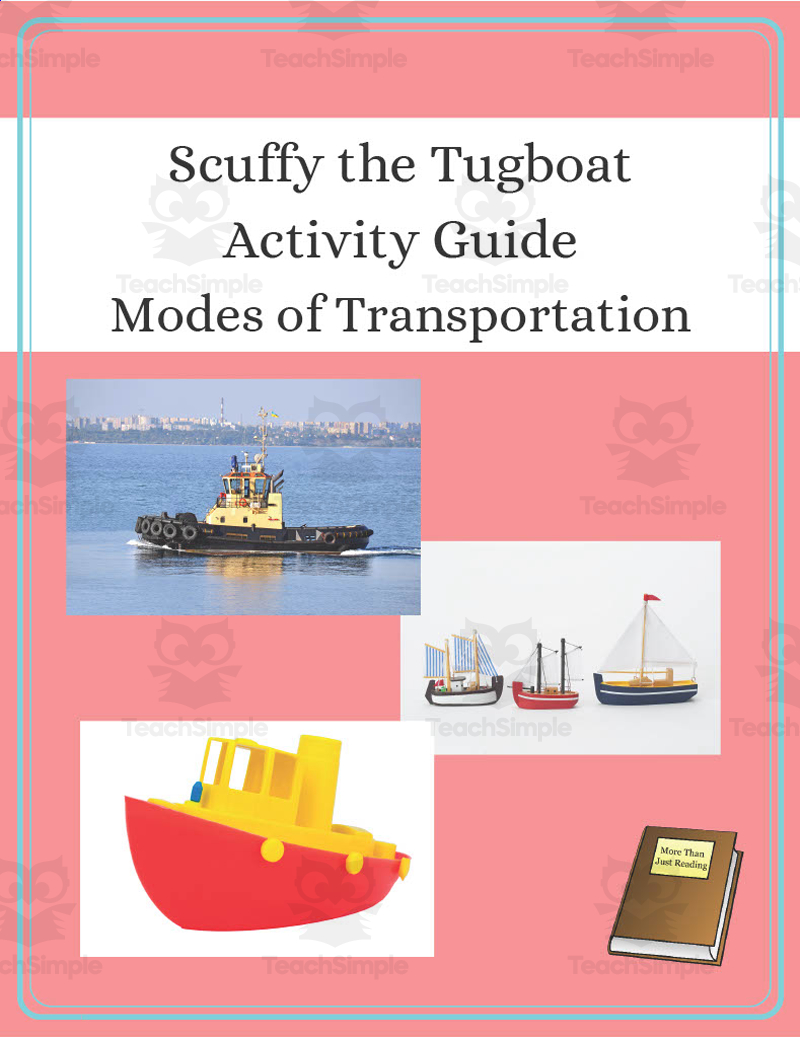
Scuffy the Tugboat: Modes of Transportation Activity Guide
Read-aloud comprehension activity guide built around 'Scuffy the Tugboat', focused on modes of transportation mentioned in the story.




Classroom resources
Browse by lesson focus
Choose the topic or kind of practice you need.
Showing 1969–1992 of 4998 resources

 Show filters
 Read-aloud comprehension activity guide built around 'Scuffy the Tugboat', focused on modes of transportation mentioned in the story.
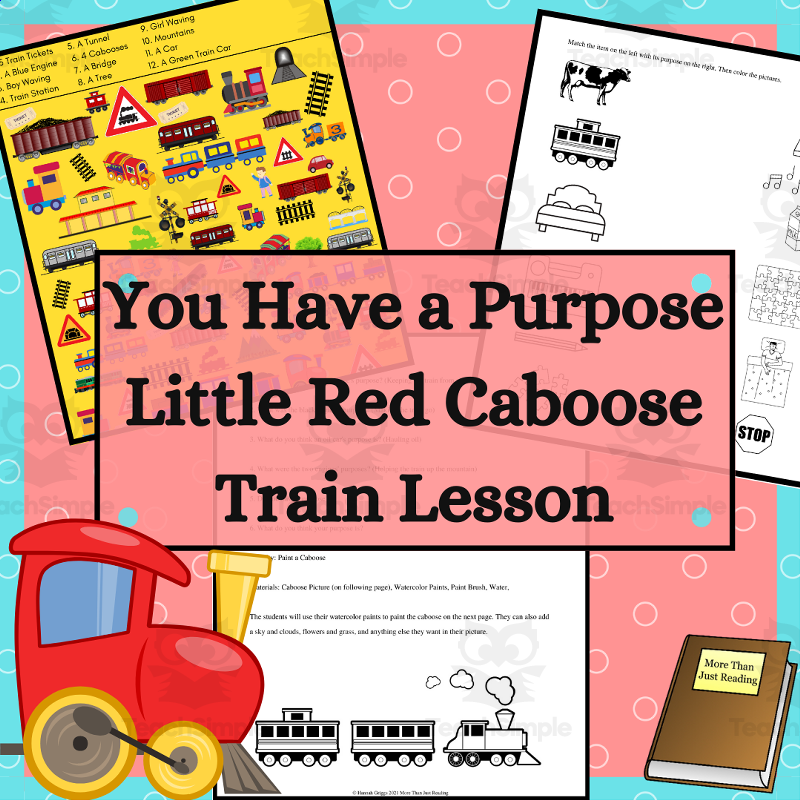
A short companion activity guide for the picture book 'The Little Red Caboose', for preschool-Grade 1, built around teacher-led discussion questions plus one hands-on or creative activity. This guide focuses on the theme that everyone (and everything) has a purpose.
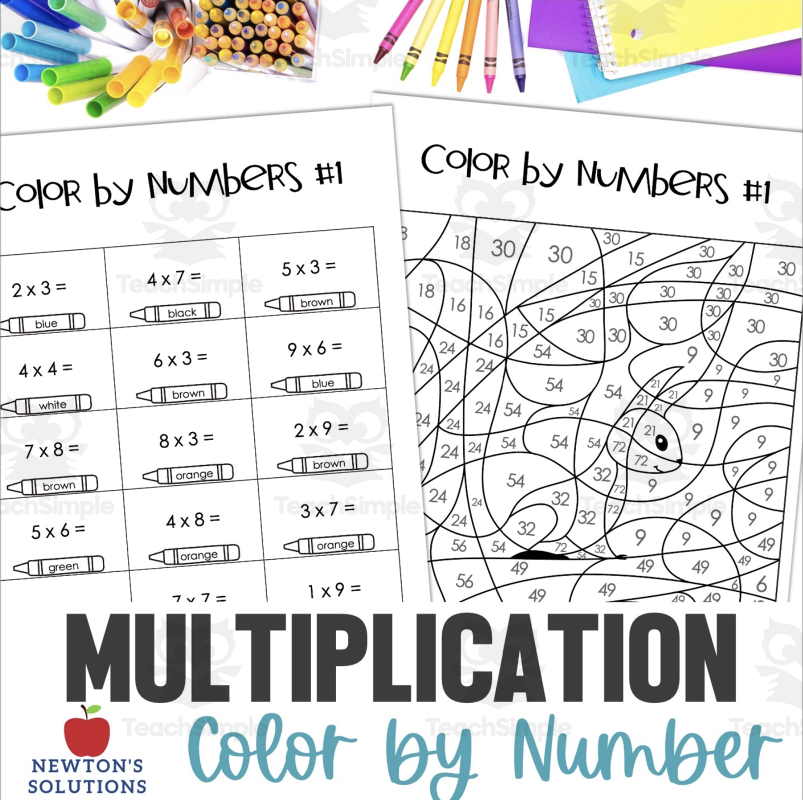
Give students self-checking practice with multiplication facts (0-12) through a color-by-number format.
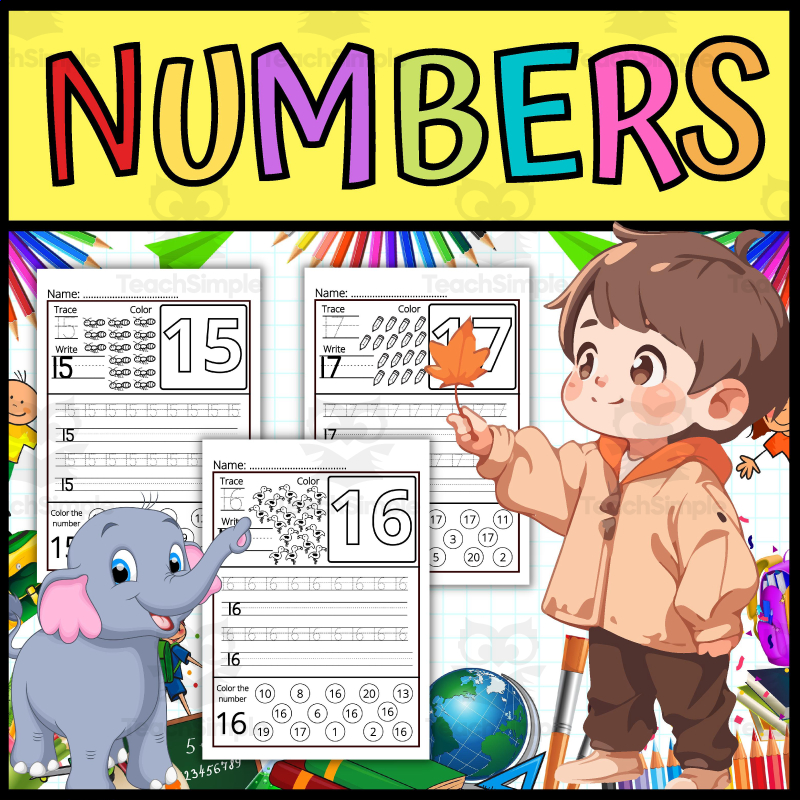
Build number recognition and number-writing skills for teen numbers (11 through 20) through repeated tracing, writing, and 'find the number' practice.
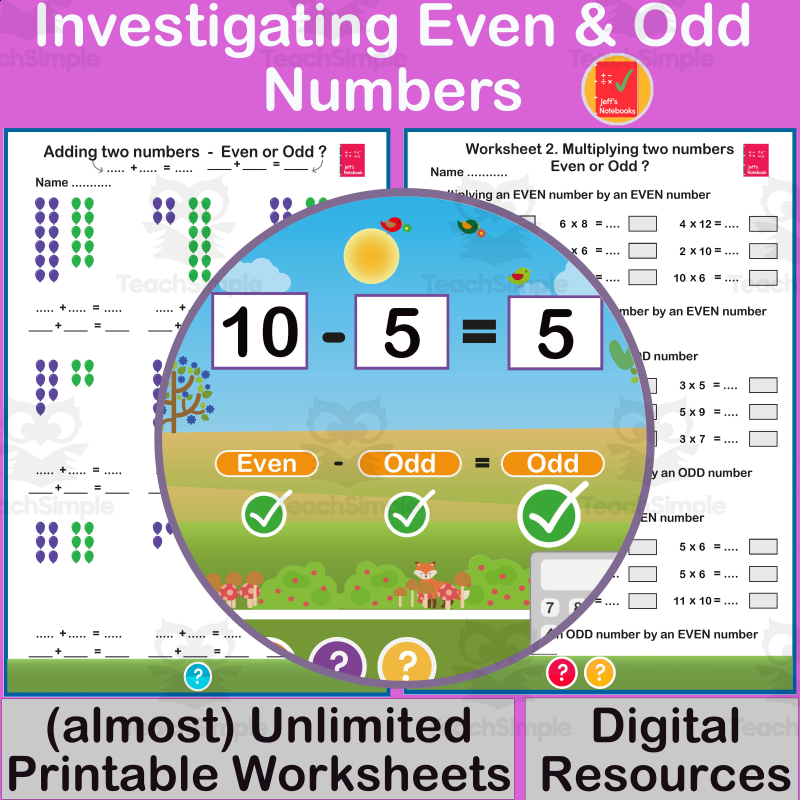
Guide students to investigate whether patterns emerge in even/odd classification when even and odd numbers are added, subtracted, multiplied, or divided.
A single-Bloom's-level 'Chapter Slice' of Classroom Complete Press's Reading Response Forms series (grades 3-4): gives teachers response forms and activities that target Bloom's Taxonomy Level 1 (Remembering) reading-response skills.
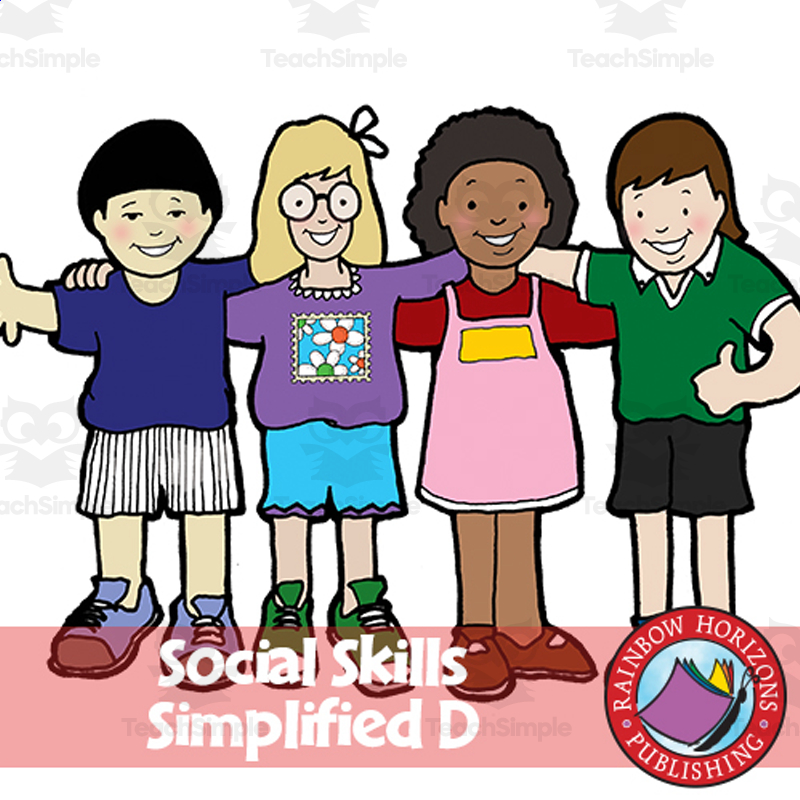
Teach elementary students (Elementary | Grade 3-4) character-building and social skills through short lessons and guided practice pages, organized into categories such as respect/responsibility, citizenship, and manners.
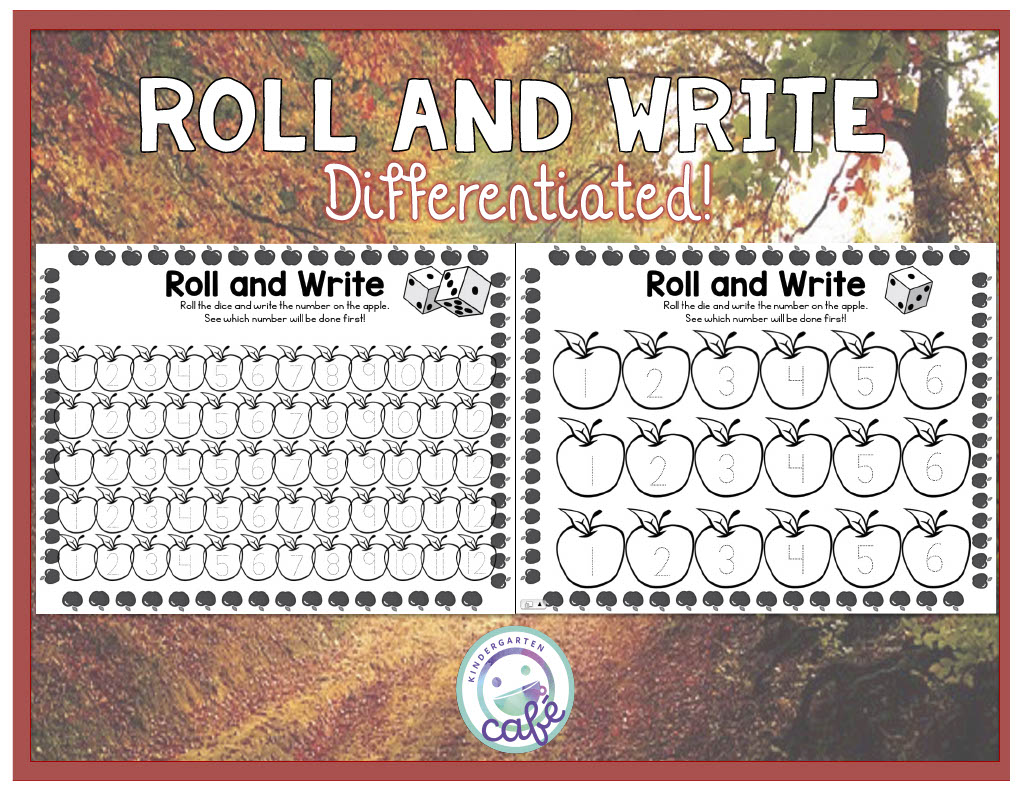
A partner dice game for practicing number recognition and writing numerals, apple themed.
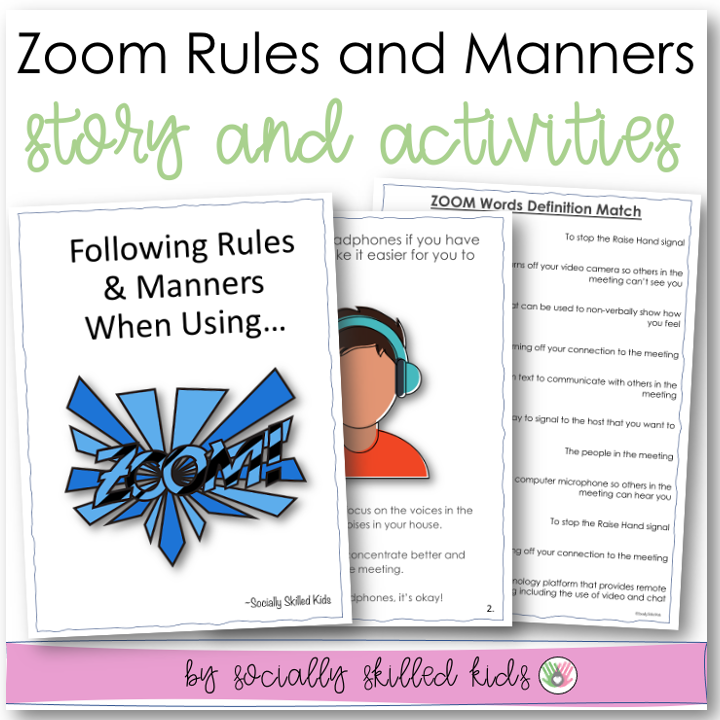
A social skills resource teaching students appropriate behavior, etiquette, and technology vocabulary for participating in Zoom video-conference lessons, delivered as an animated slide story plus a matching print skill-builder packet.
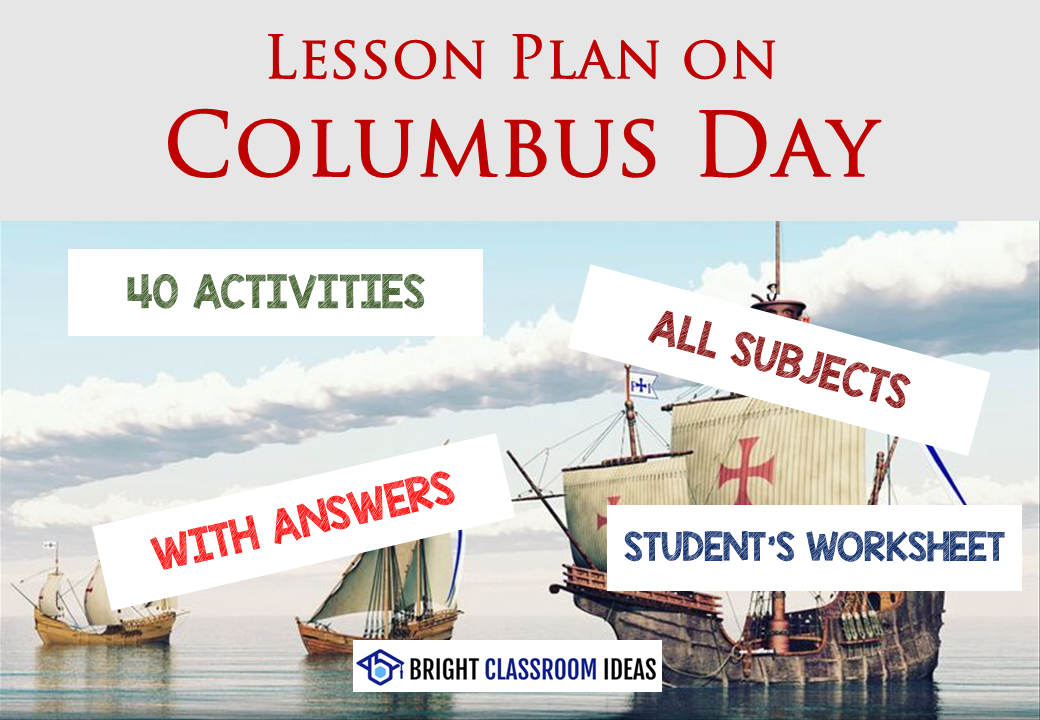
Teach elementary students who Christopher Columbus was, the story of his 1492 voyage, why Columbus Day is celebrated in the U.S., and the difference between myth and historical fact.

Illustrated color and black-and-white posters introduce art-line vocabulary such as curved, zigzag, wavy, spiral, dotted and dashed. The packet includes one-type and two-type layouts, separate drawing prompts and an additional vocabulary reference. Two practice pages pair traceable examples with space to draw; a third page provides blank boxes beside twelve line words. These are drawing activities, not matching questions.
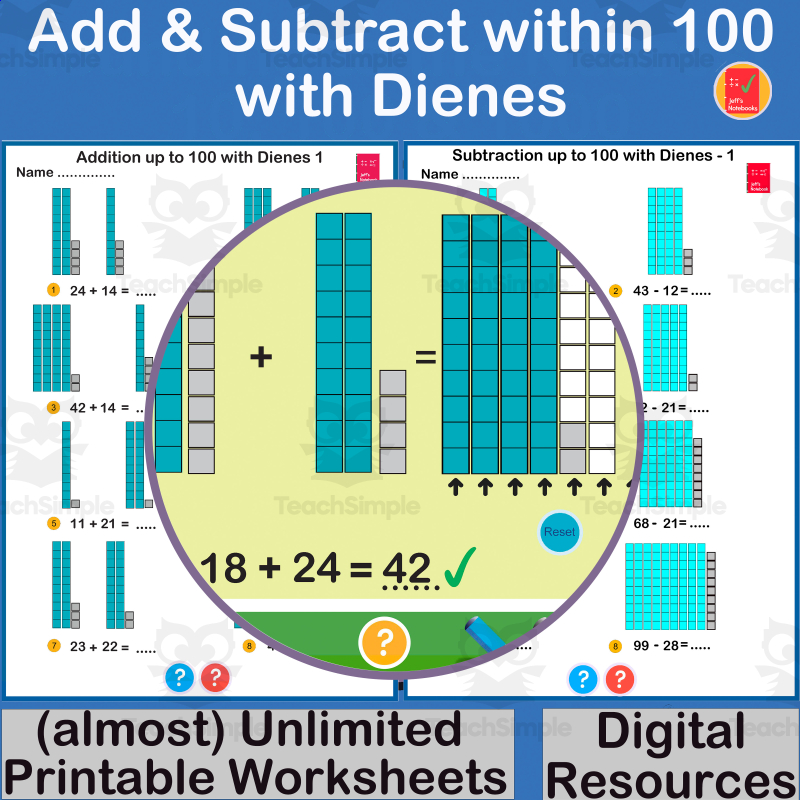
A Grade 1 teaching resource using Dienes (base-ten) blocks to teach two-digit addition and subtraction within 100, with and without exchange/regrouping (carrying/borrowing).
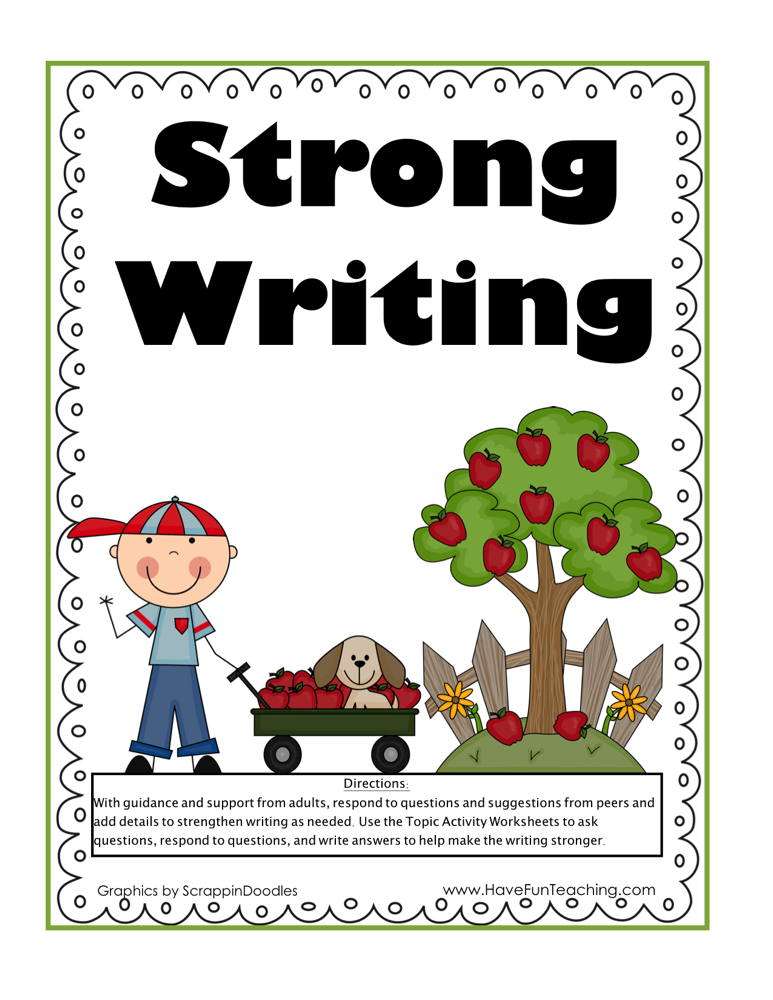
A writing activity that uses topic question prompts and peer/teacher feedback to help students add descriptive details and strengthen their writing.
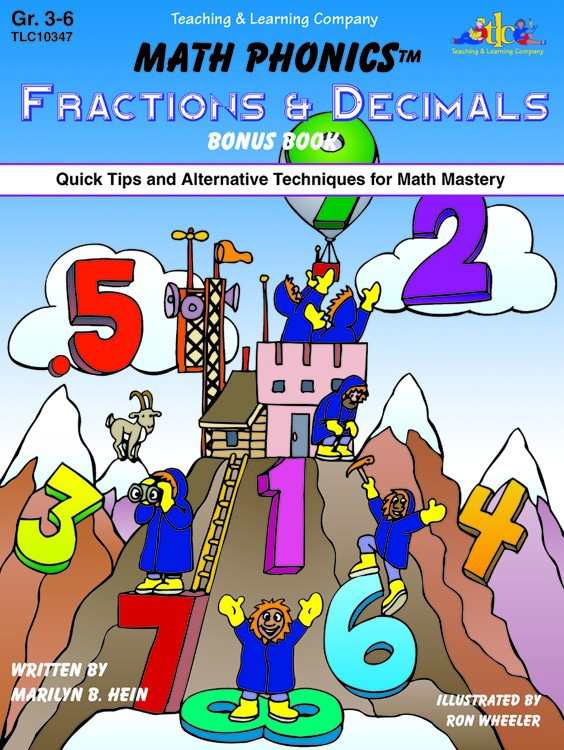
A 'bonus' teacher resource book combining alternative techniques for fractions and decimals: reviewing basic fraction/division skills, adding/subtracting fractions with regrouping, decimal operations, and converting between fractions, decimals, ratios, and percents.
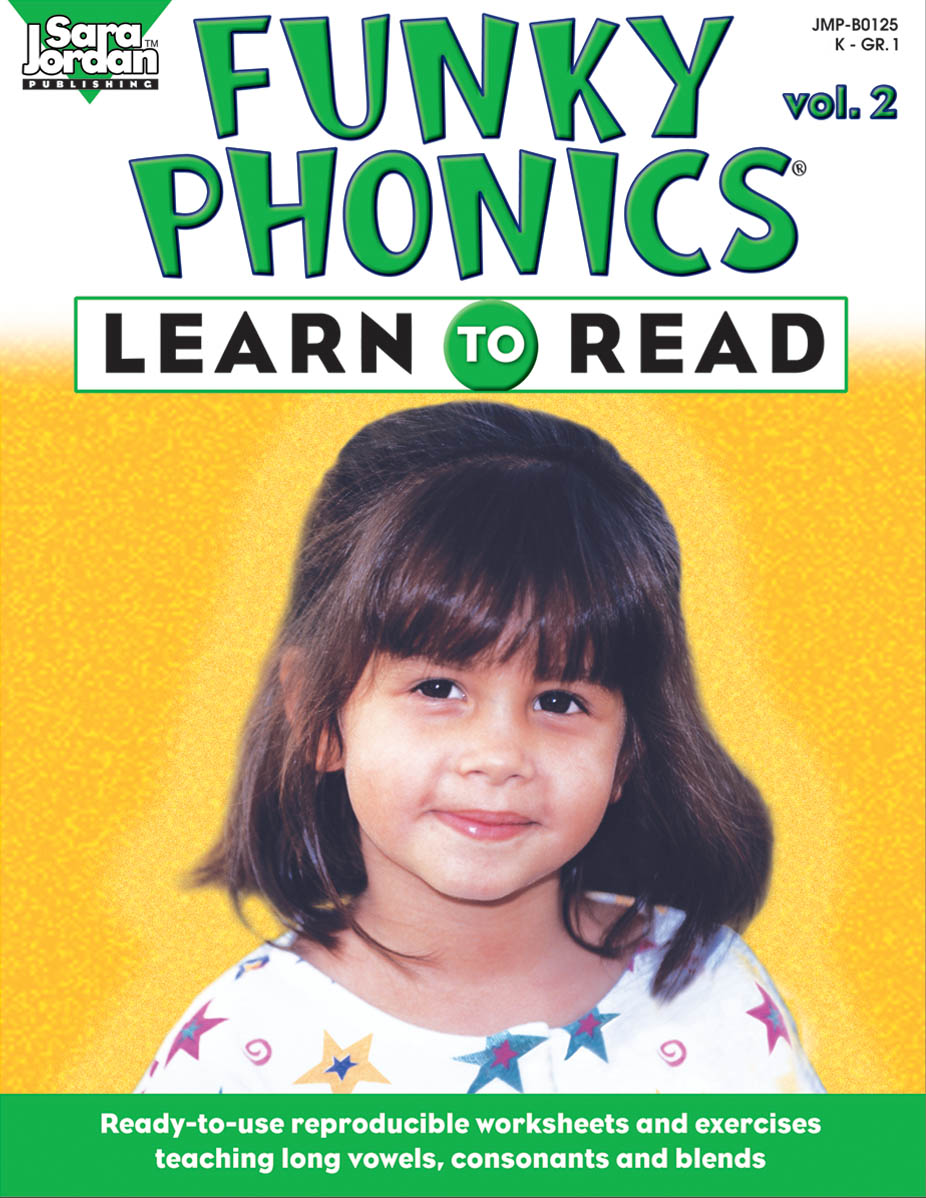
Teach long vowel sounds and the remaining consonant letter sounds (hard 'g', 'j', 'q'/'u', 'v', 'w', 'x', 'y', 'z'), for Kindergarten-Grade 1 students, as a follow-on to Volume 1's short vowels/consonants.
A single-Bloom's-level 'Chapter Slice' of Classroom Complete Press's Reading Response Forms series (grades 3-4): gives teachers response forms and activities that target Bloom's Taxonomy Level 2 (Understanding) reading-response skills.
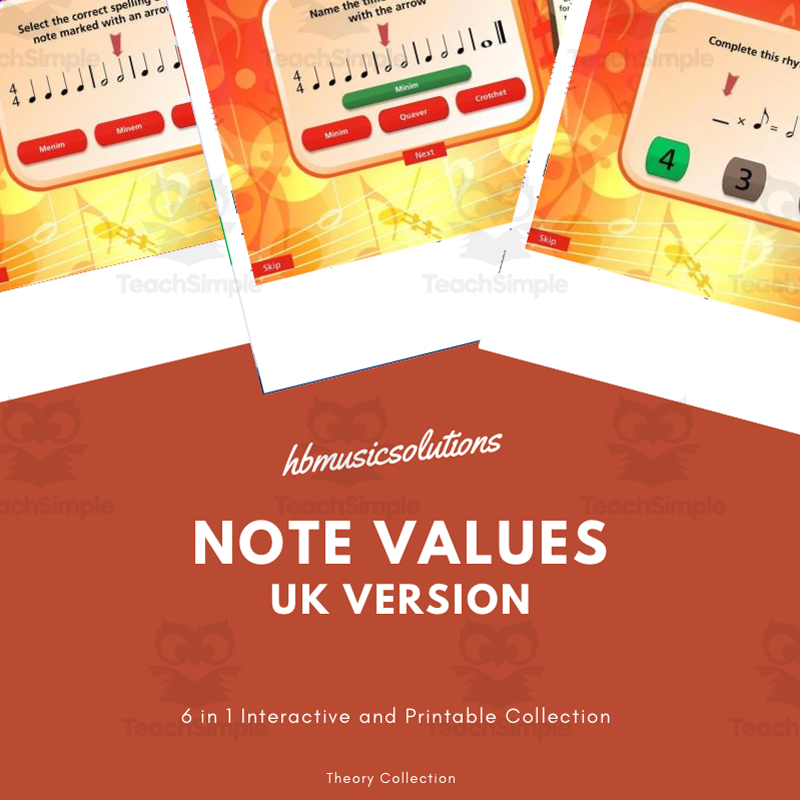
A 17-section beginner music theory course (Grade 1 / ABRSM-aligned) covering note values, time signatures, clefs, rests, ties, dotted notes, accidentals, semitones, scales, key signatures, tonic triad, and musical directions, ending in a test.
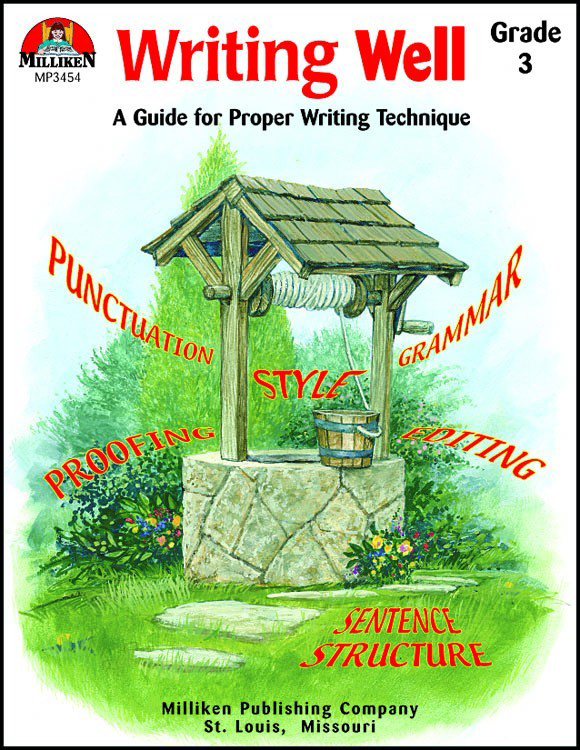
Provide third-grade teachers a sequenced series of practice pages reinforcing sentence structure, parts of speech, sentence combining, and paragraph/topic-sentence writing skills.
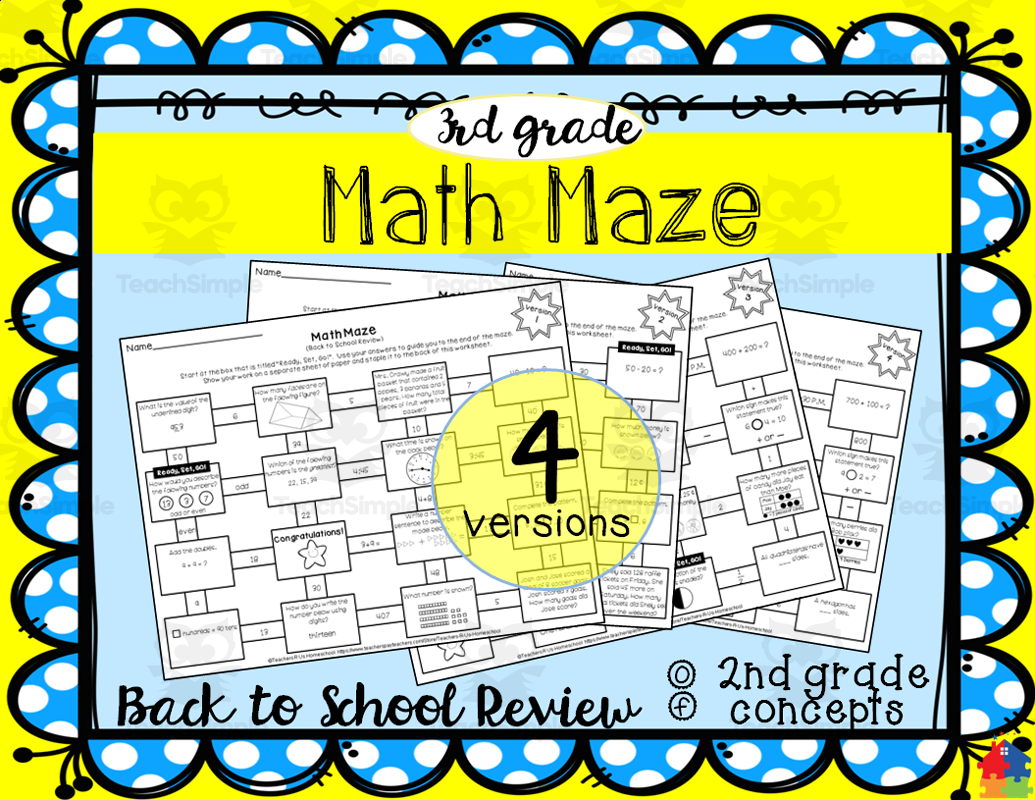
Back-to-school math maze review activity for 3rd grade covering 2nd-grade math concepts, where students solve problems to navigate through a maze; an answer key is included.

A Dolch Basic Sight Vocabulary teaching resource (volume 2 in the series) of reproducible group lessons and individual activities for vocabulary development.
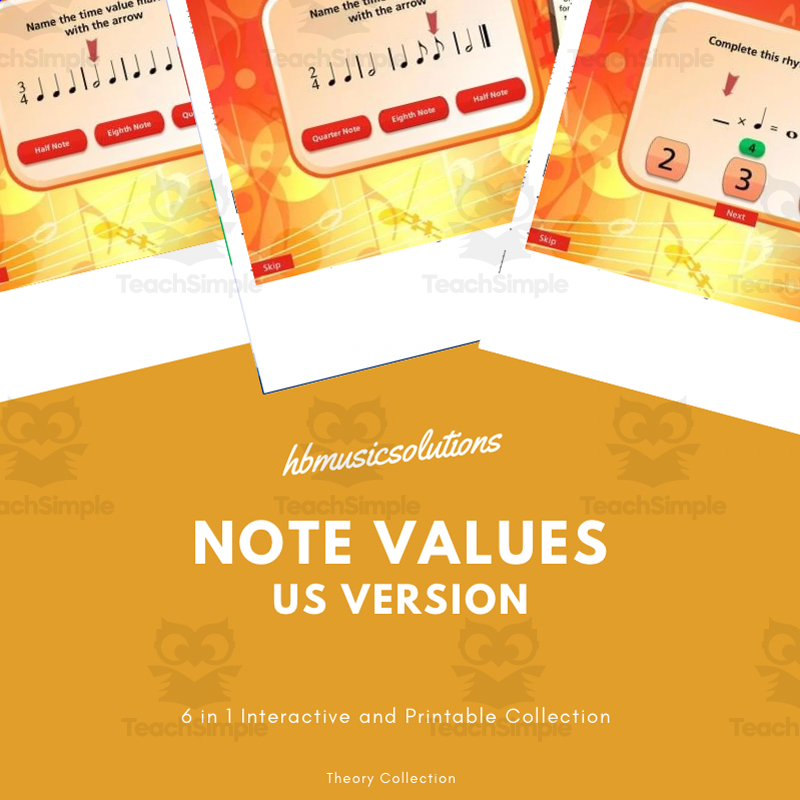
A 17-section beginner music theory course (US-labeled version, ABRSM Grade 1-aligned content) covering note values, time signatures, clefs, rests, ties, dotted notes, accidentals, half tones, scales, key signatures, tonic triad, and musical directions, ending in a test.
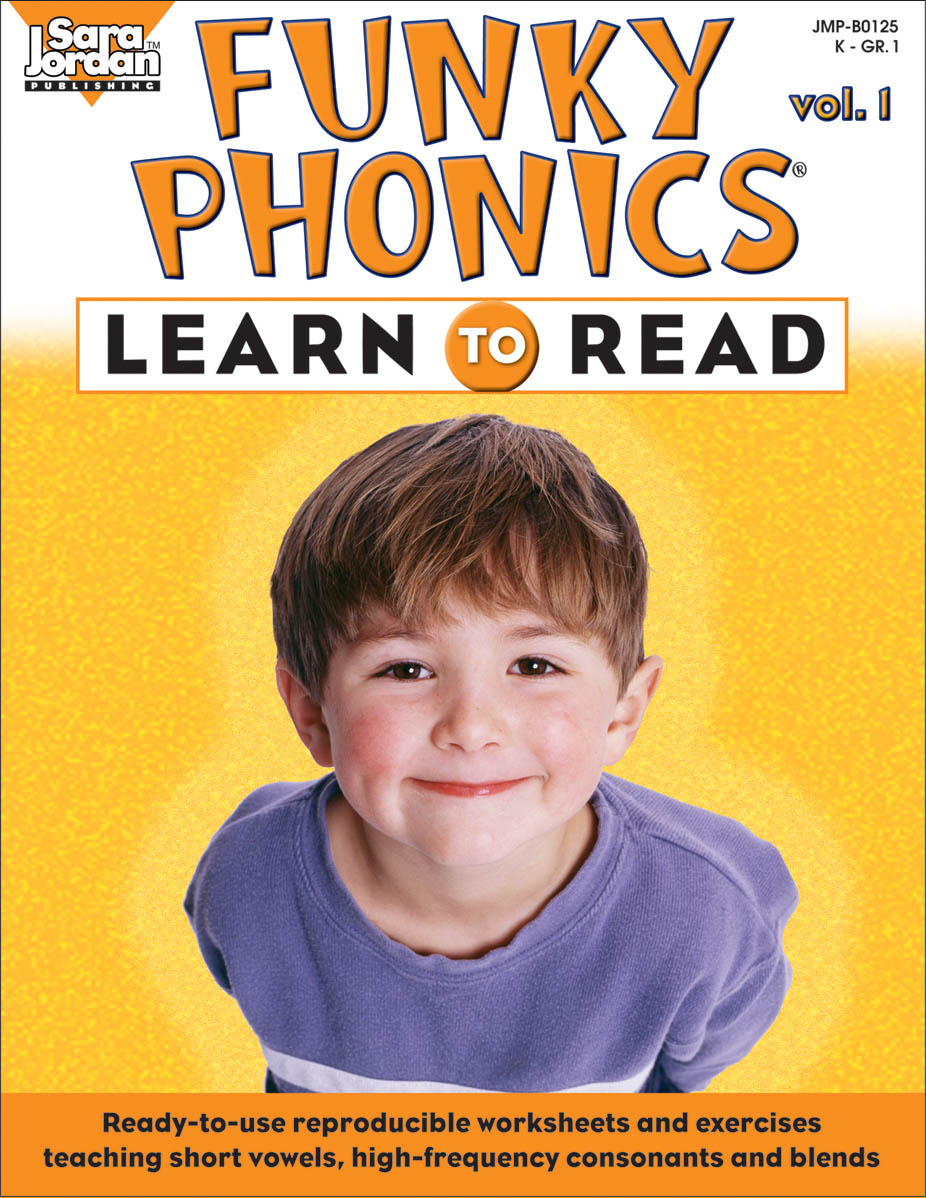
Teach beginning phonics: alphabet letter-sound recognition, high-frequency consonants, and short vowel sounds, for Kindergarten-Grade 1 students.

K-1: An Integrated Resource for Social Studies Teaching The Let's Be Friends Gr. K-1 is a comprehensive teaching tool, developed to enable educators in delivering social studies lessons in an engaging and inventive manner.
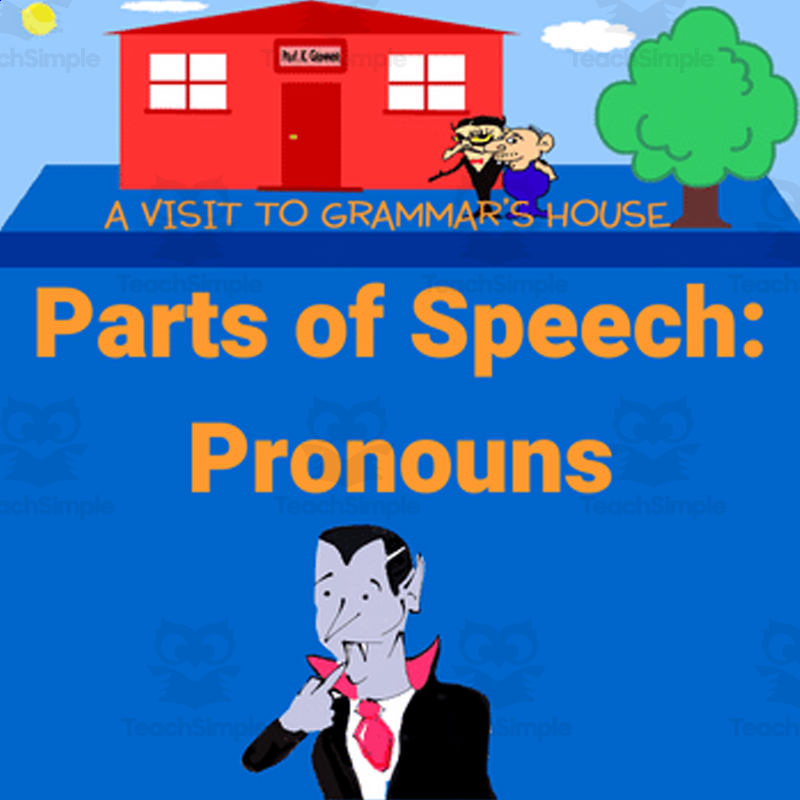
Teaches how and when to replace proper nouns with pronouns for clarity (subject pronouns, object pronouns, plural pronouns, and possessive pronouns) through a story-editing exercise and a fill-in-the-blank narrative, plus a story-based teaching dialogue.