Math practice
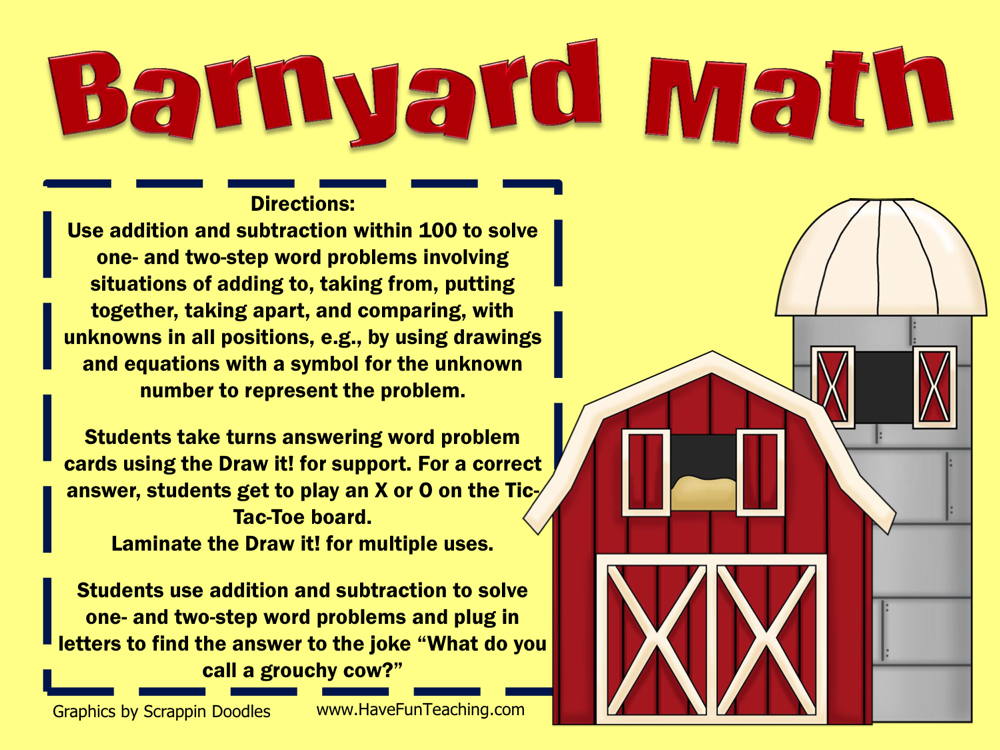
Barnyard Math Word Problems Activity
Practice solving one- and two-step addition/subtraction word problems within 100 using a game format.
Answers included




Classroom resources
Browse by lesson focus
Choose the topic or kind of practice you need.
Showing 2113–2136 of 4998 resources

 Show filters
 Practice solving one- and two-step addition/subtraction word problems within 100 using a game format.

Teaches Grade 3 students where food comes from (processed vs. unprocessed) and how food choices affect oral health.
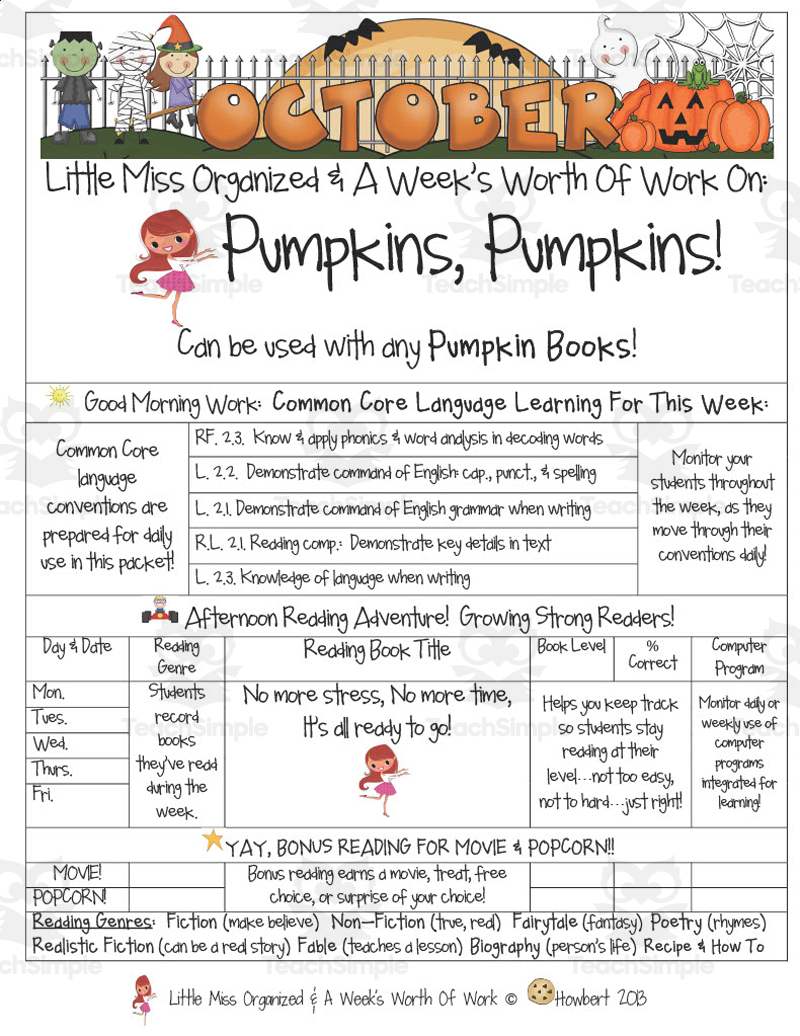
A week's worth of daily reading/language-arts warm-up activities themed around pumpkins, for use alongside any pumpkin-themed book.
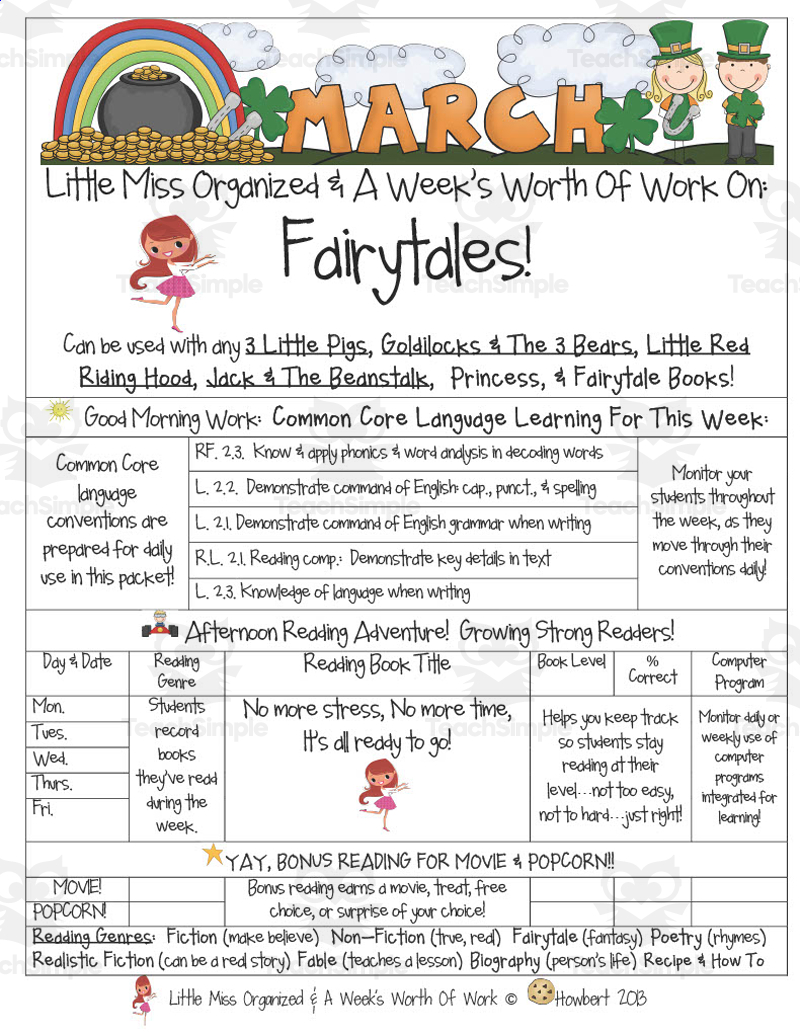
A week-long (Monday-Friday) 2nd-grade morning-work and language-conventions packet themed around classic fairytales (Three Little Pigs, Goldilocks, Little Red Riding Hood, Jack & the Beanstalk), targeting phonics, grammar conventions, and syllable sorting via CCSS-aligned daily activities.

Provide a ready-to-use emergency/substitute-teacher lesson built around a reading passage about Tyrannosaurus rex, for grades 3-4.
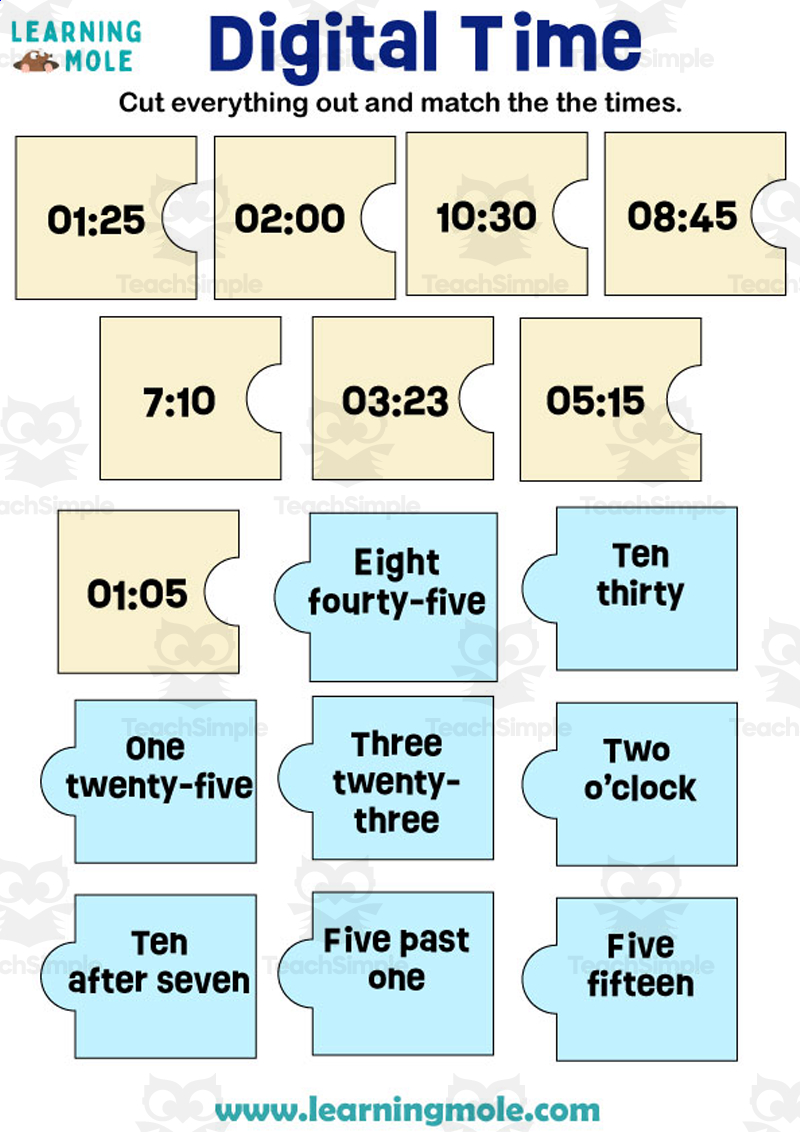
Teach students to read digital clock times and match them to their written word form.
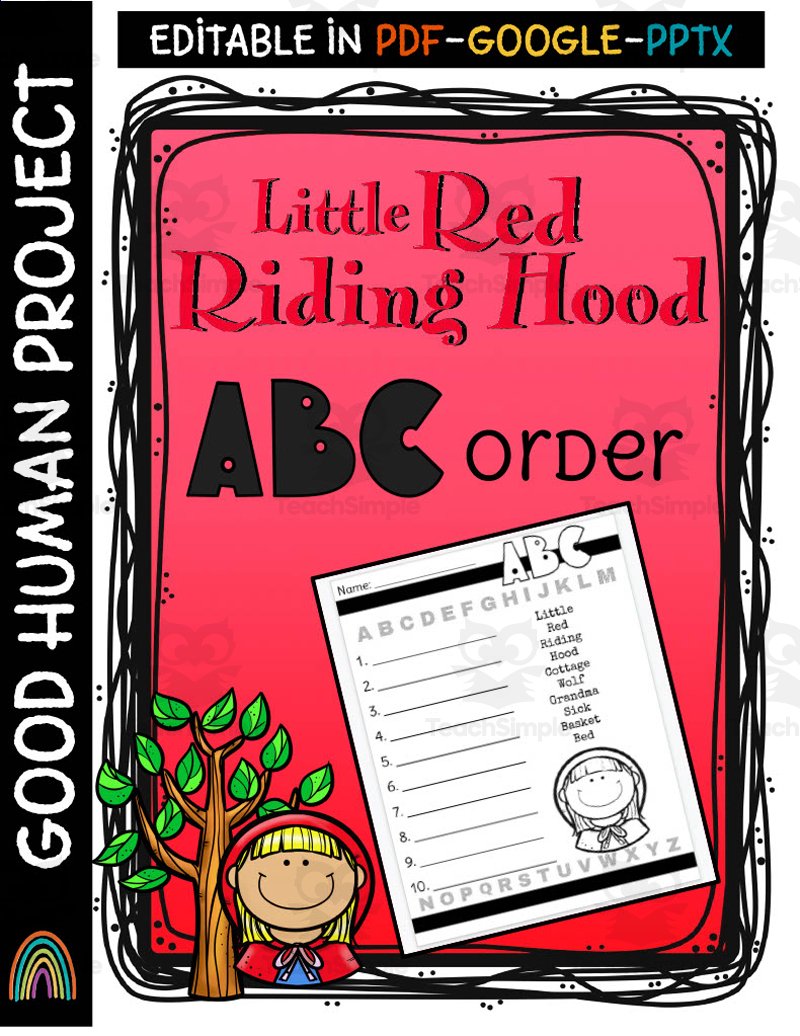
Alphabetical-order (ABC order) practice using vocabulary drawn from the Little Red Riding Hood folk tale.
A daily fact-fluency drill and self-scoring practice book for basic addition and subtraction facts, building speed and accuracy over time.
 Free download
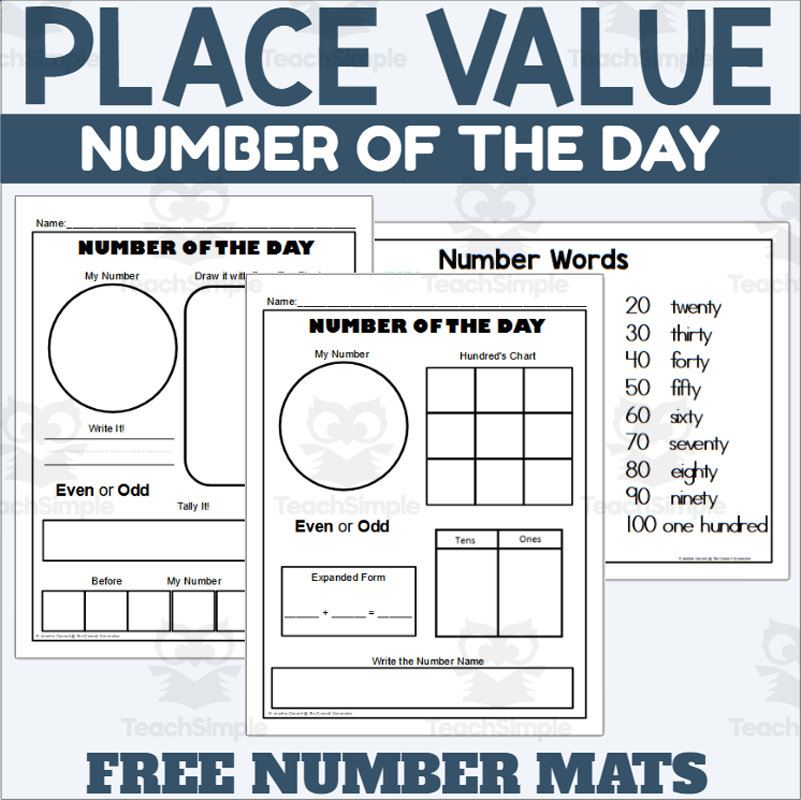
 Give students daily practice representing a two-digit number in multiple place-value formats as a 'Number of the Day' routine.
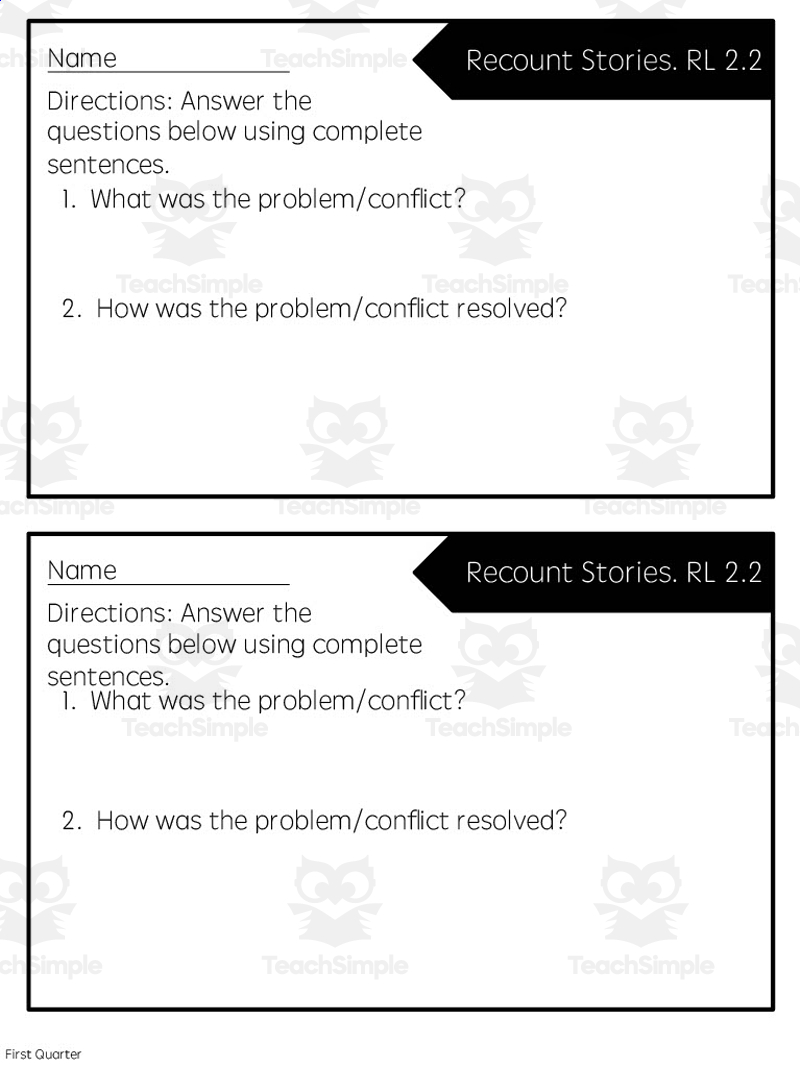
A short, ready-to-print formative check for the Common Core grade-2 reading-literature standard RL 2.2, used to assess whether students can identify a story's problem/conflict and how it was resolved.
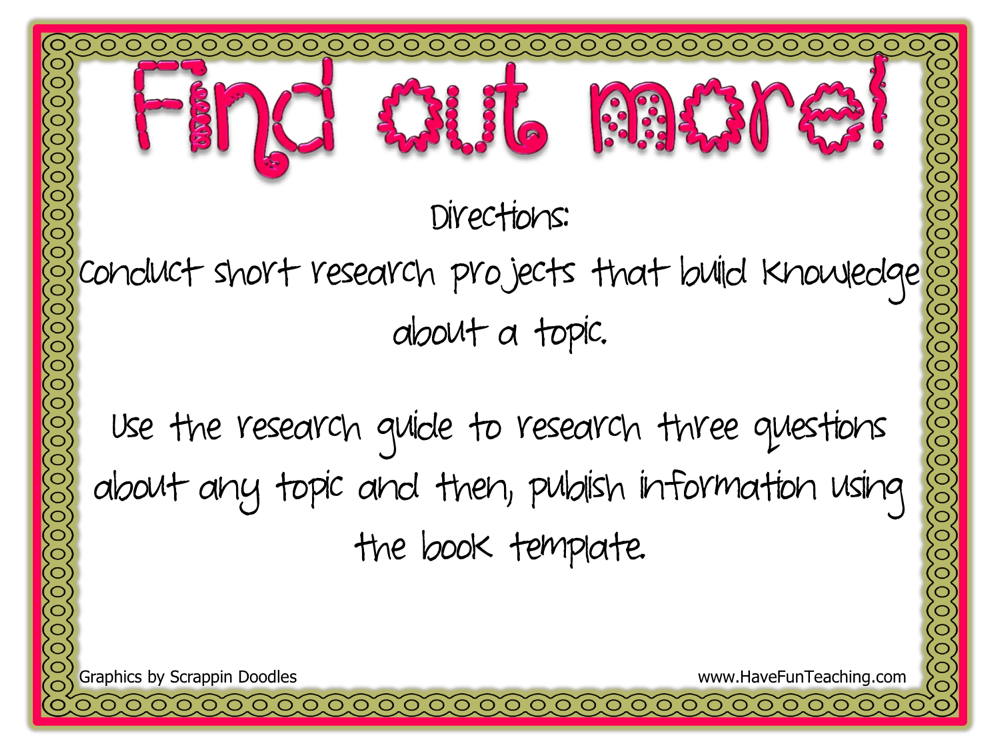
A short research-and-writing activity guiding students through researching three questions about a self-chosen topic and publishing their findings using a book template.
 Free download
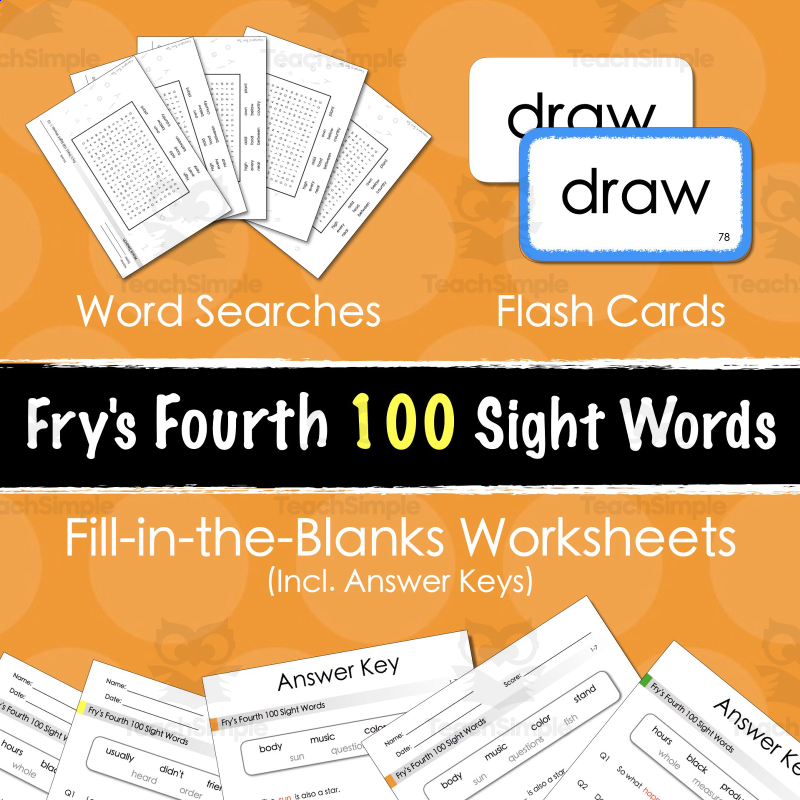
 Give students practice recalling and correctly using Fry's Fourth 100 high-frequency sight words (words #301-400) in sentence context, plus supplemental review formats (word list, word search, flash cards).
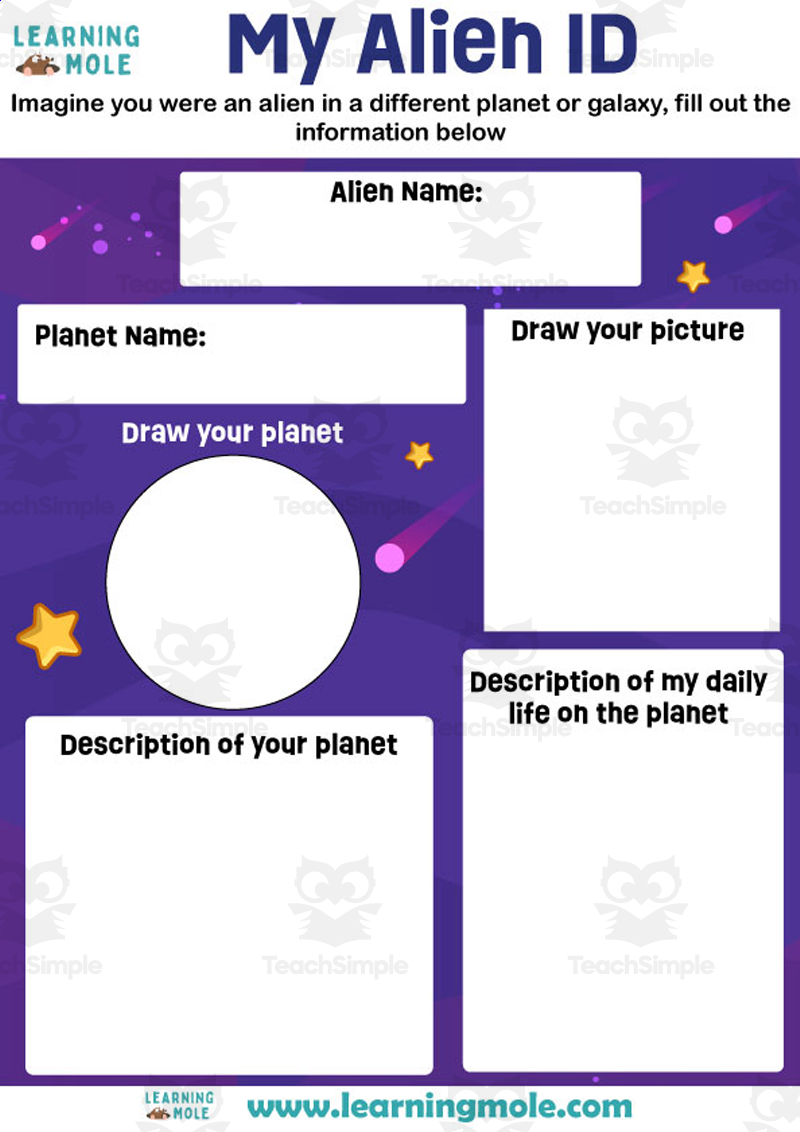
A creative-writing and drawing activity that has students imagine and describe an alien and its home planet, encouraging imaginative engagement with space themes.
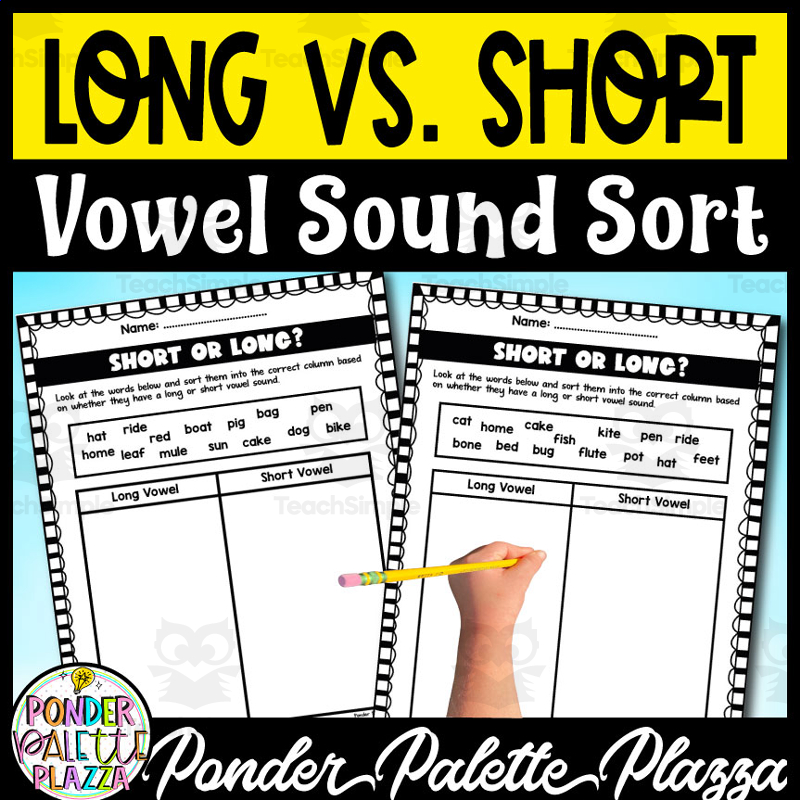
Practice distinguishing long and short vowel sounds by sorting a list of words into 'Long Vowel' and 'Short Vowel' columns.
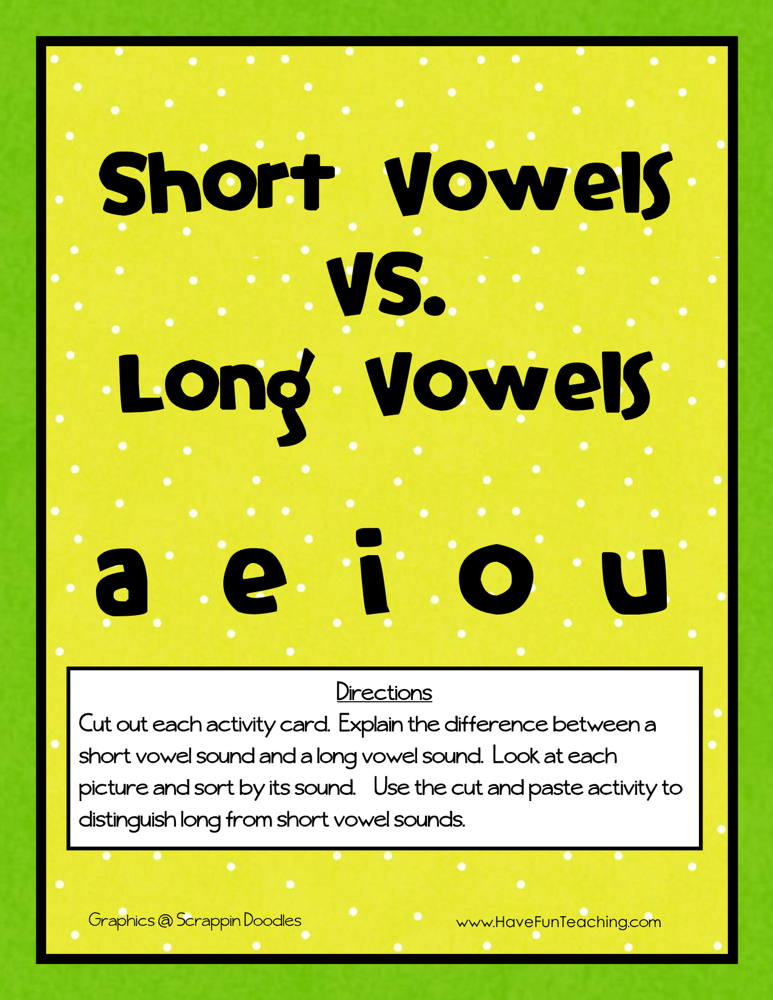
Sorting/matching activity teaching students to distinguish short vowel sounds from long vowel sounds using picture cards.
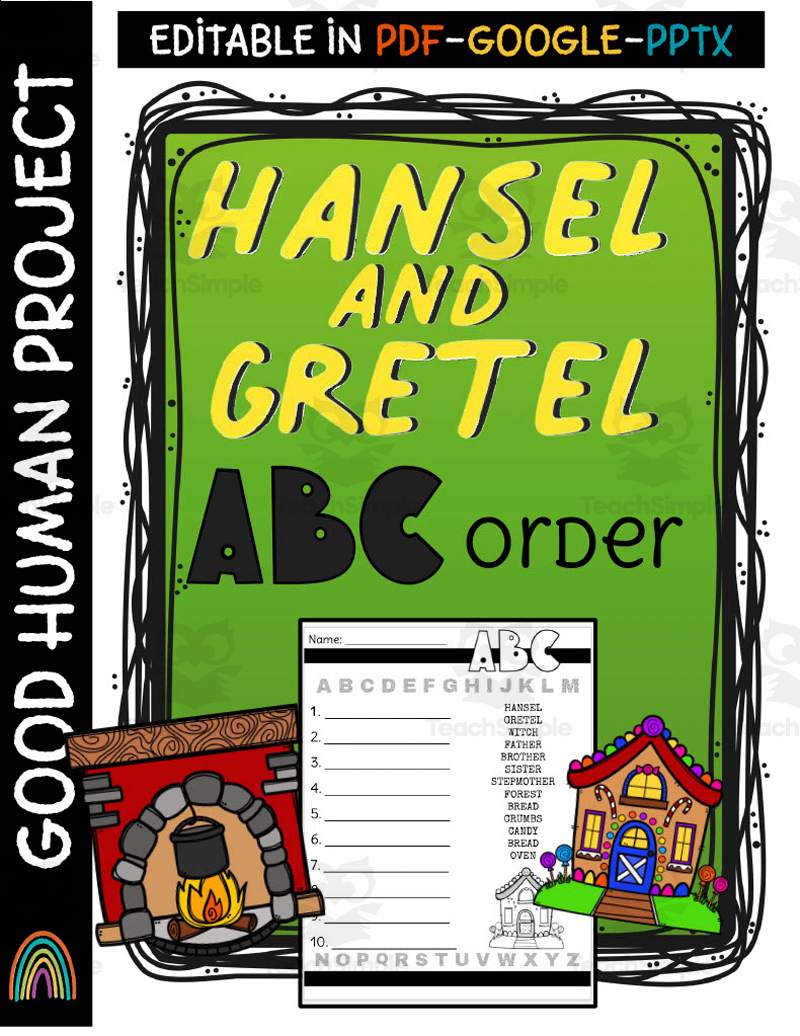
Give students practice putting story-related vocabulary into alphabetical order.
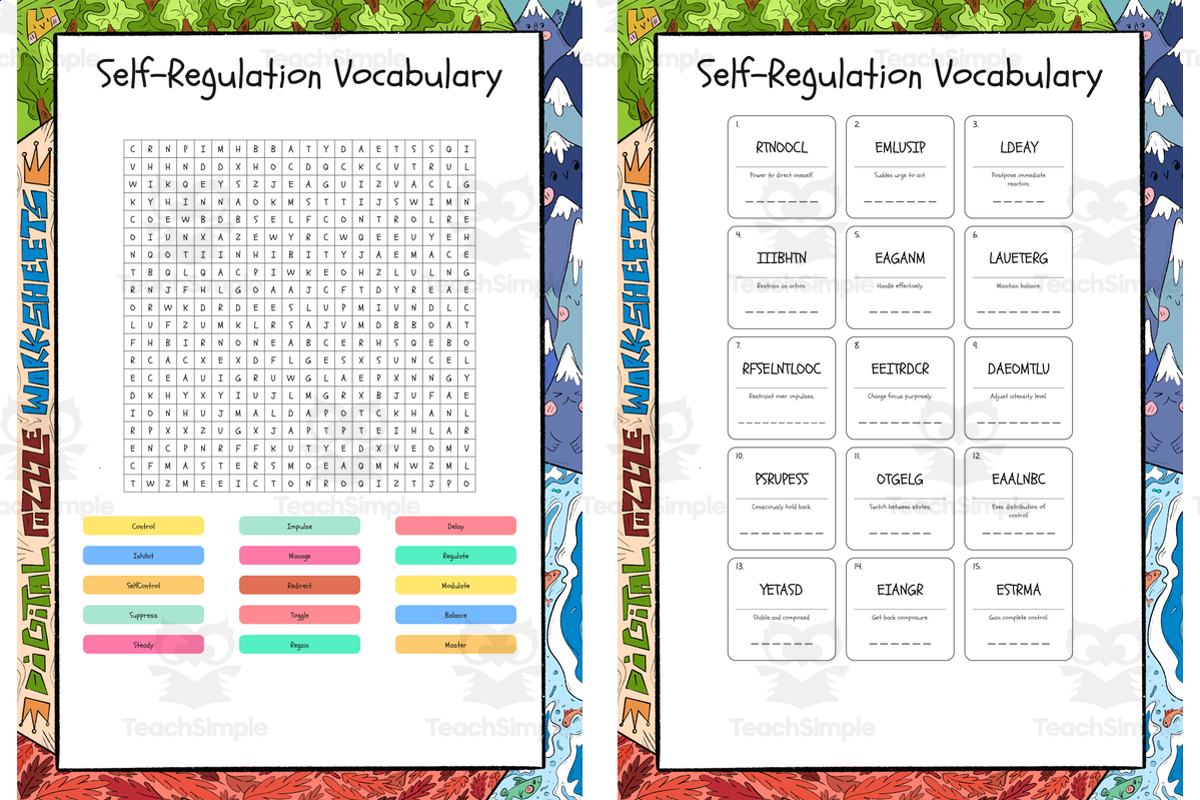
A three-activity vocabulary reinforcement set (crossword, word scramble, word search) built around self-regulation vocabulary terms.

A short, ready-to-print formative check for the Common Core grade-2 reading-literature standard RL 2.1, used to assess whether students can ask and answer questions about key details in a story and identify its main characters and message.
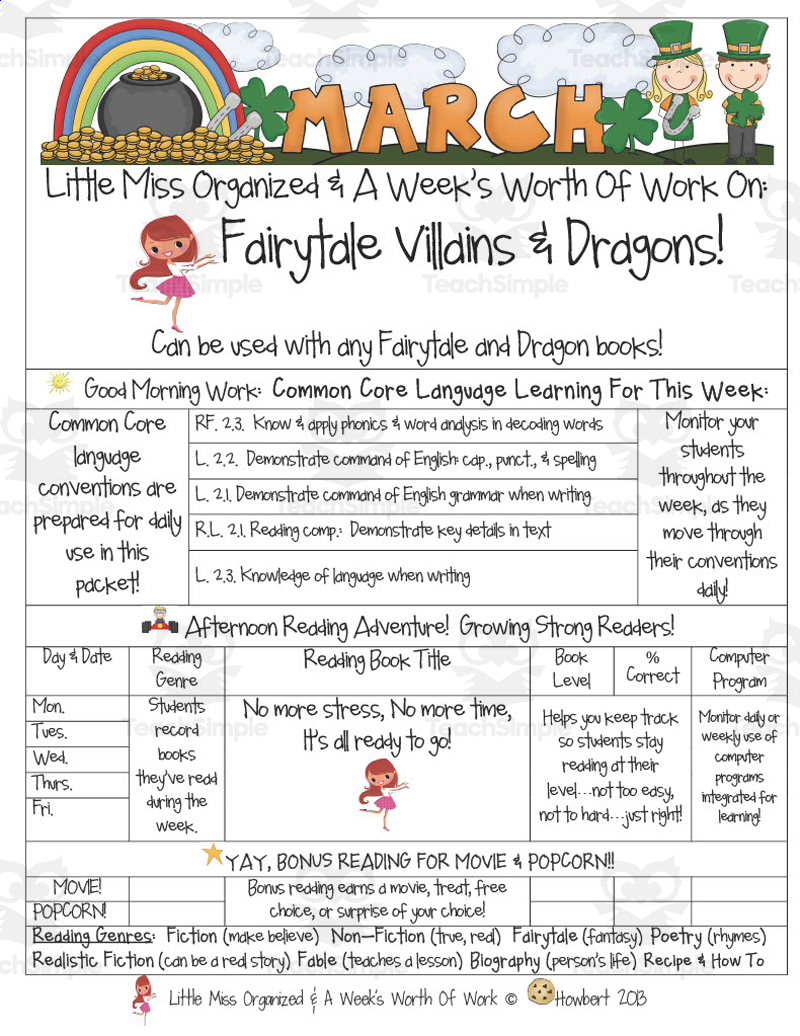
A week-long (Monday-Friday) 2nd-grade morning-work and language-conventions packet themed around fairytale villains and dragons, targeting phonics, grammar conventions, syllables, and nouns via CCSS-aligned daily activities.
 Free download
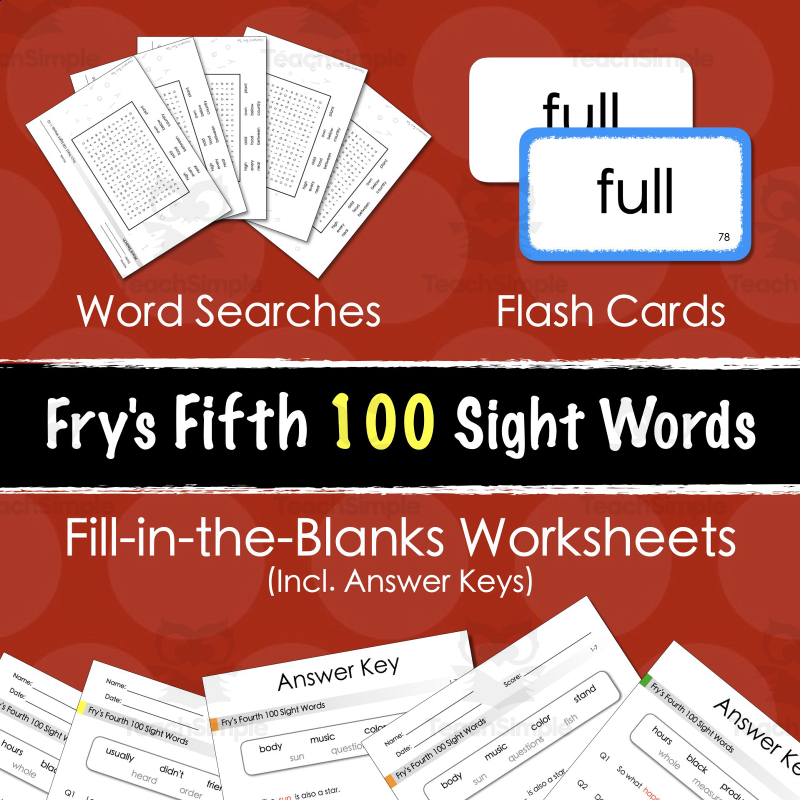
 Give students practice recalling and correctly using Fry's Fifth 100 high-frequency sight words (words #401-500) in sentence context, plus supplemental review formats (word list, word search).

A cut-and-paste sentence-building activity to help students recognize word order and sentence structure.
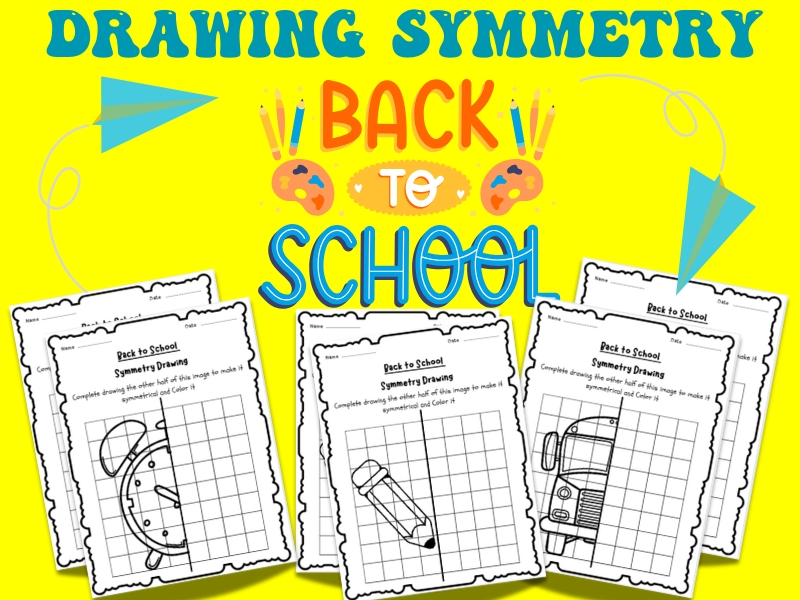
A symmetry-drawing and coloring activity where students complete the missing (mirrored) half of school-themed pictures and then color the finished image, practicing visual symmetry and geometry concepts.
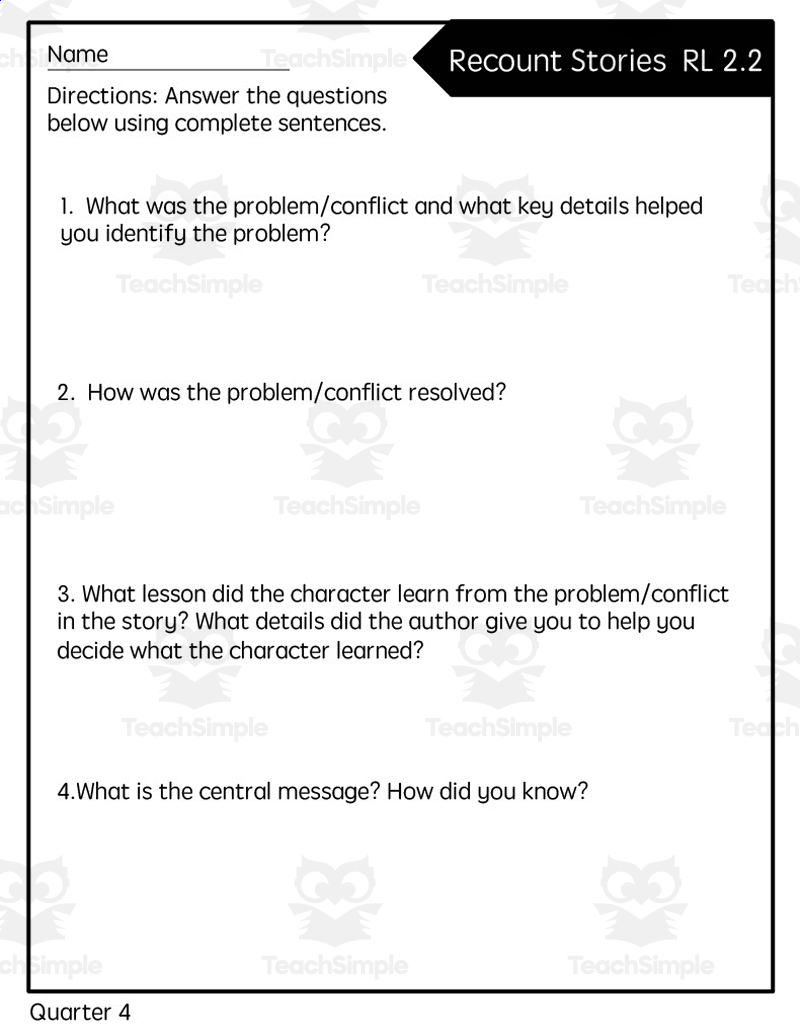
A short, ready-to-print formative check for the Common Core grade-2 reading-literature standard RL 2.2, used to assess whether students can identify a story's problem/conflict with supporting details, its resolution, the lesson learned with textual support, and the central message with justification.
 Free download
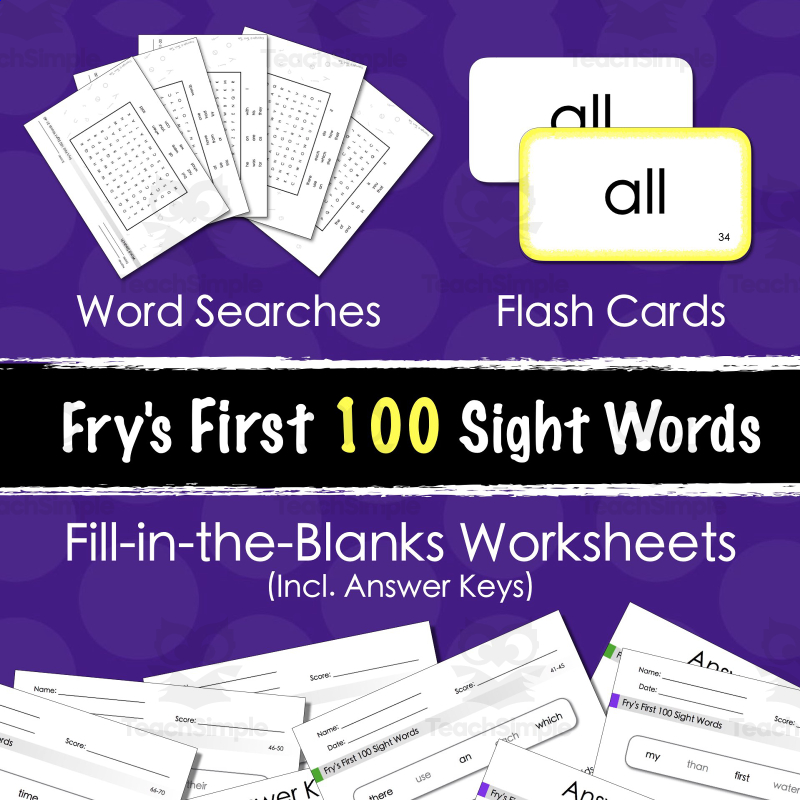
 Give students practice recalling and correctly using Fry's First 100 high-frequency sight words (words #1-100) in sentence context, plus supplemental review formats (word list, word search, flash cards).