Number & Operations - Task Sheets Vol. 4 Gr. 6-8
Apply number and operation skills to everyday word problems, with task sheets and review practice.
Classroom resources
Browse by lesson focus
Choose the topic or kind of practice you need.
Apply number and operation skills to everyday word problems, with task sheets and review practice.
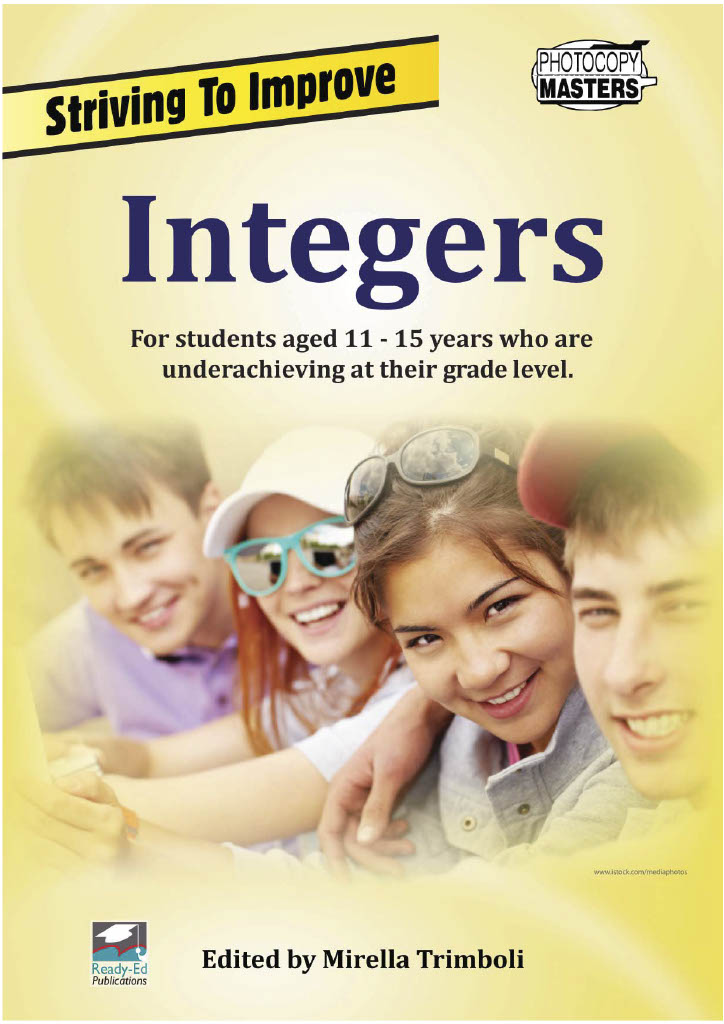
Skill-gap intervention workbook covering integer/number concepts and operations for students needing remediation.
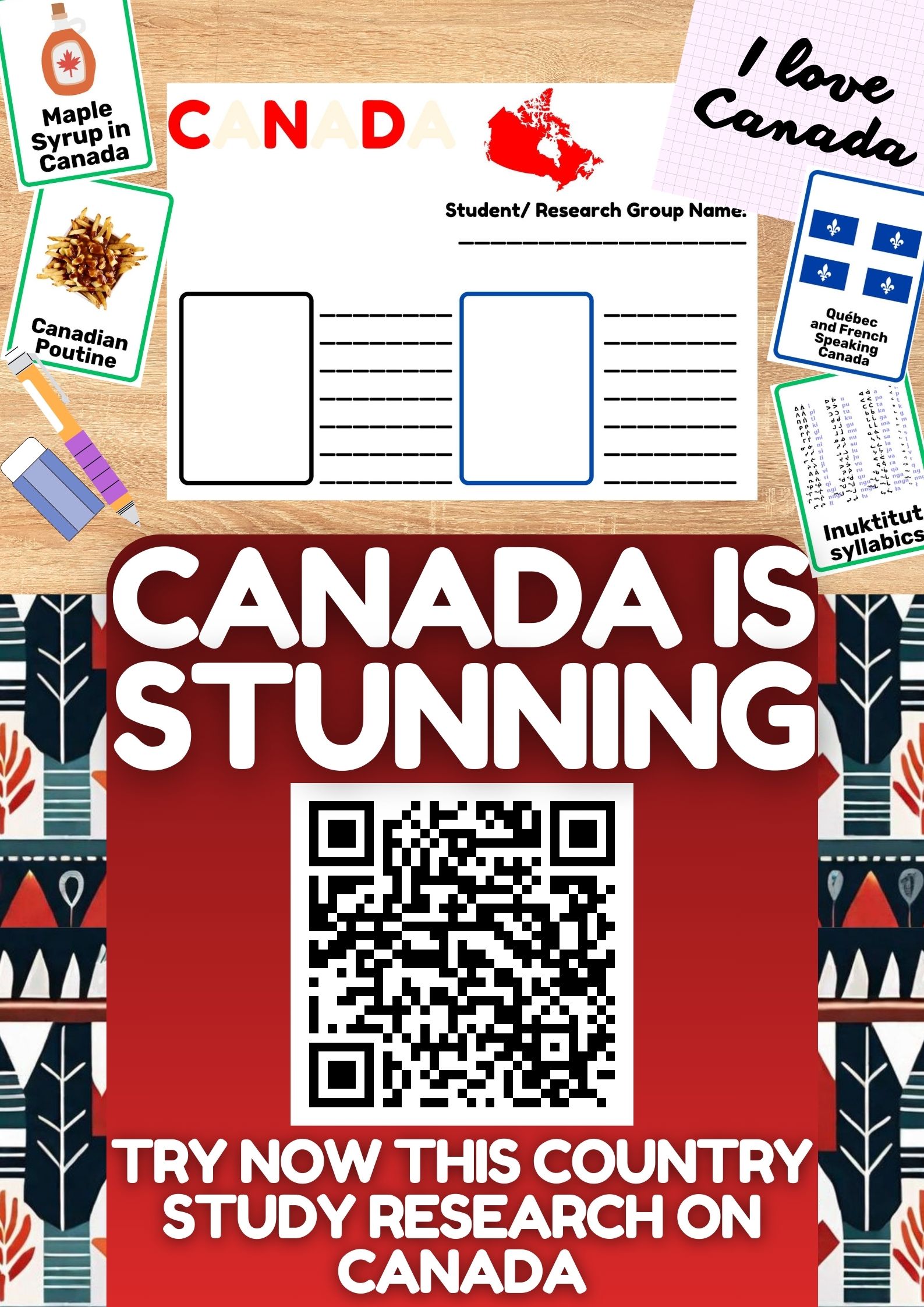
Use the topic cards (e.g., First Peoples and European contact, Confederation, immigration, World Wars, provinces/territories, oceans, climate, political system, economic sectors, Ottawa landmarks, culture and media) to research assigned aspects of Canada, then record findings on the accompanying research worksheet…
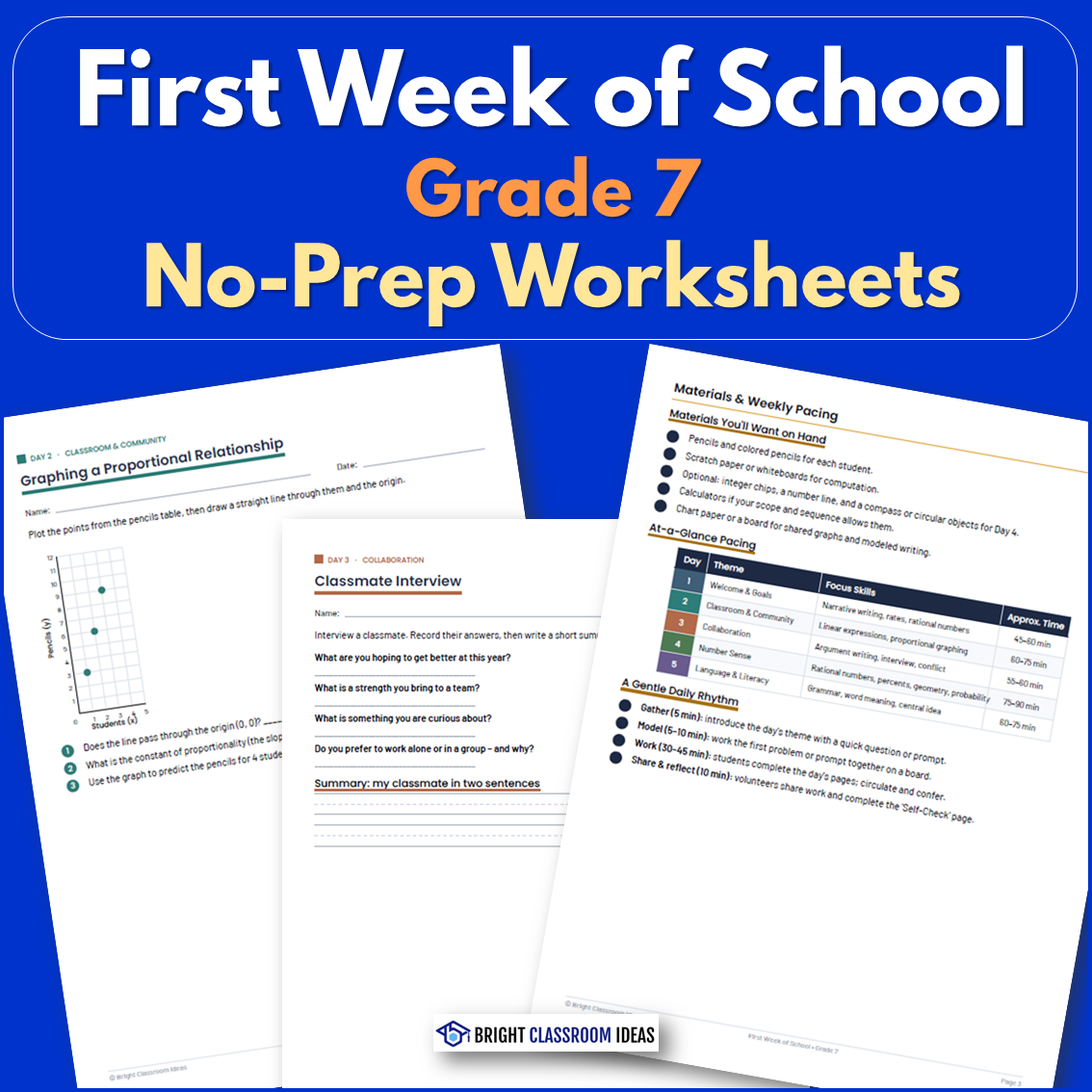
Students complete daily worksheets: introduce themselves and write a personal narrative, set goals, work grade-level math problems (unit rate/percent problems, simplifying and evaluating linear expressions, proportional relationships), read a graph or chart, and complete ELA exercises (grammar, vocabulary/roots, figurative language,…
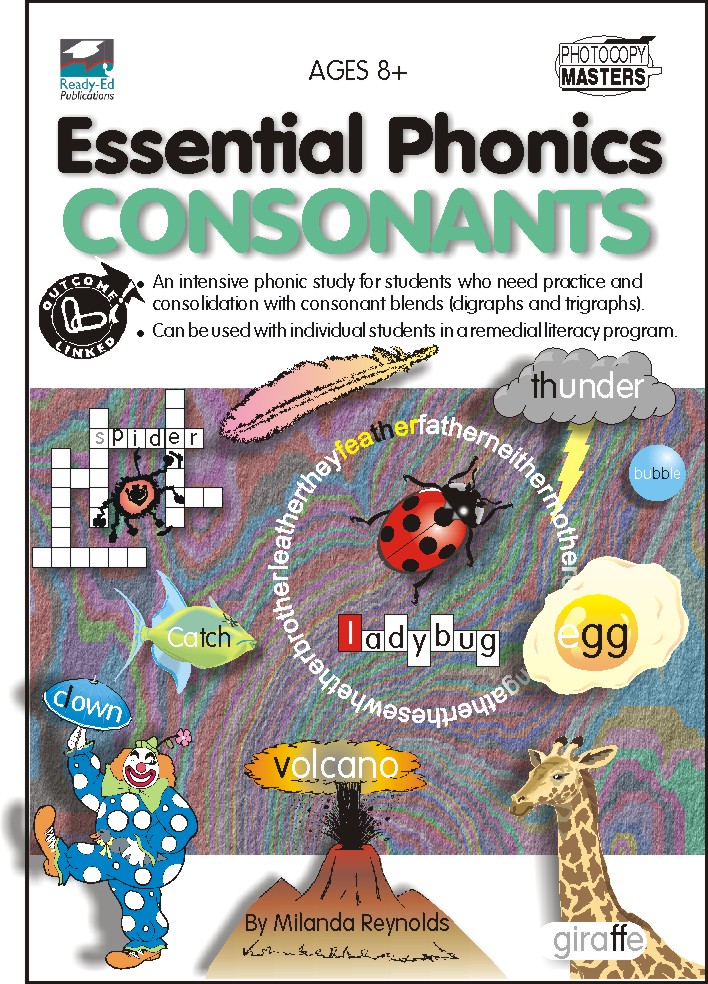
An intensive phonics workbook giving students practice and consolidation with consonant blends, digraphs and trigraphs, for students needing extra reading/spelling support.
Apply number and operation skills to everyday word problems, with task sheets and review practice.
Students complete printable activity pages such as prime numbers, triangular numbers, adding/subtracting integers, equivalent fractions, adding/subtracting/multiplying/dividing decimals, powers of 10, budgeting ('Super Saver Shopper'), metric conversions, volume, comparing lengths/areas, angles, coordinate/Cartesian…
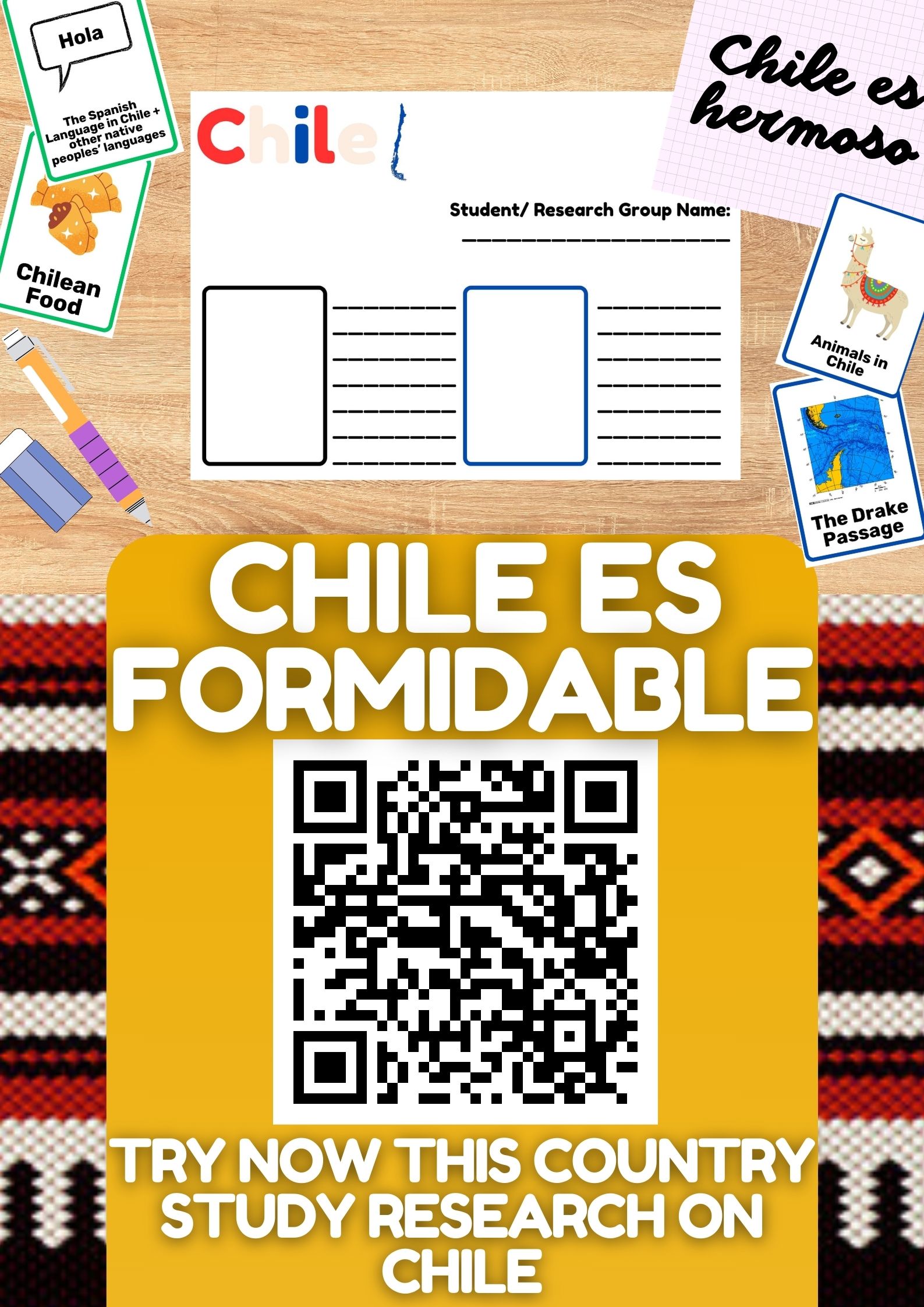
Use the topic cards (e.g., Spanish conquest, Bernardo O'Higgins, Pinochet's dictatorship, transition to democracy, geography, climate, political system, economic sectors, Santiago landmarks) to research assigned aspects of Chile, then record findings on the accompanying research worksheet, which includes a dedicated…
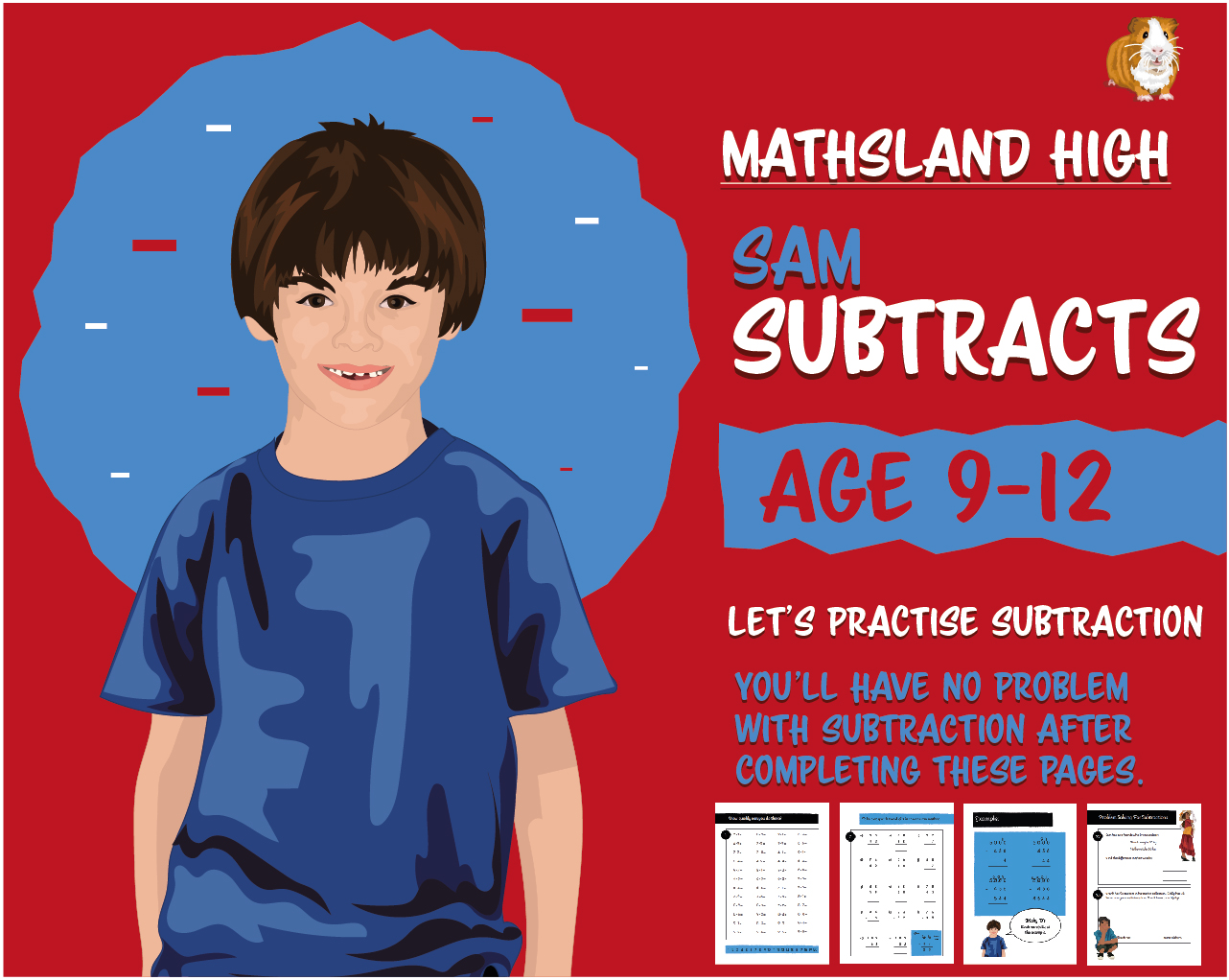
Practice workbook of varied subtraction question formats (missing numbers, differences, word-style prompts, input/output tables) for upper-elementary/middle-school students.
Complete practice items (calculations, word problems, self-check tick boxes) across the workbook's numbered sections
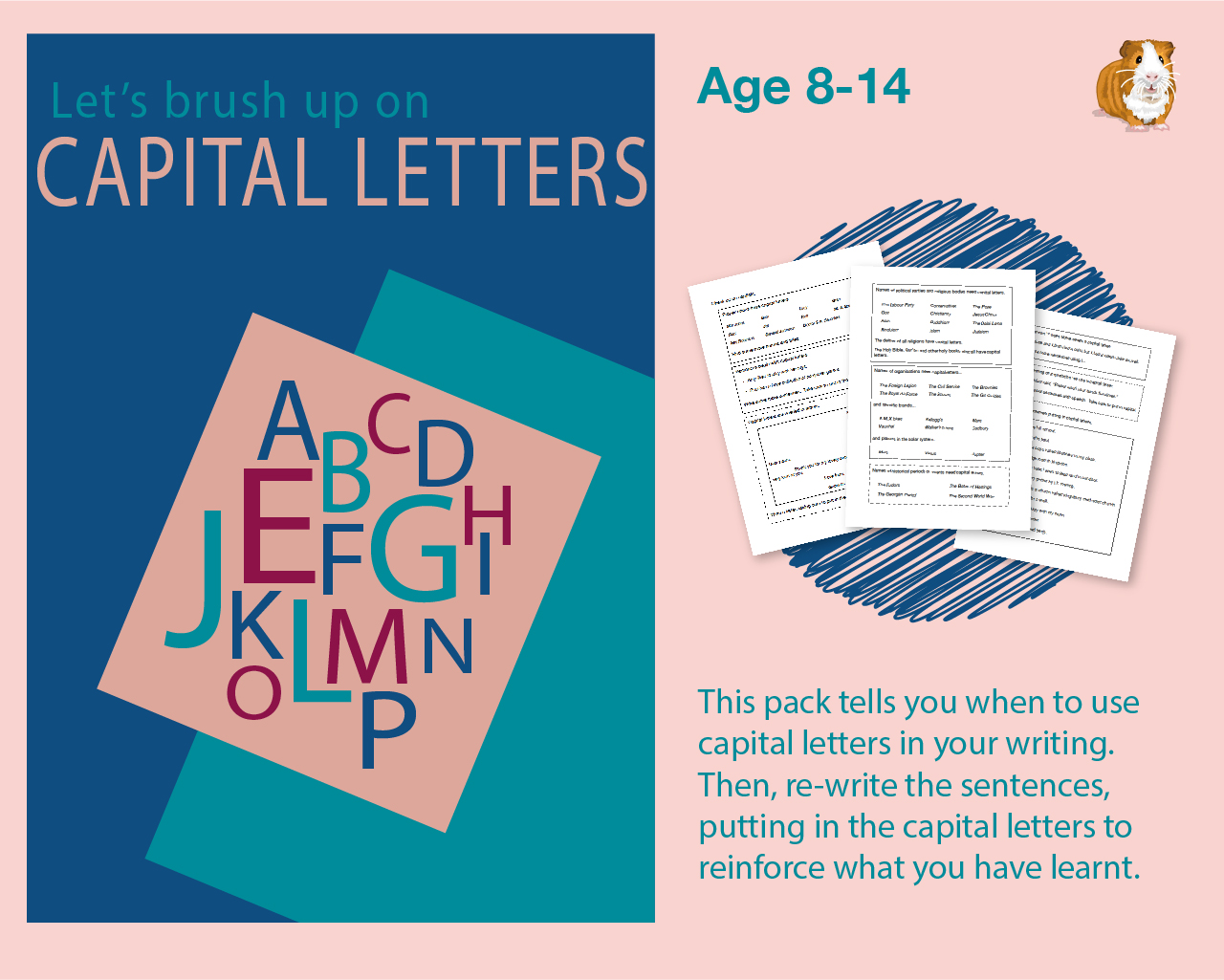
Complete fill-in exercises adding more examples of capitalized items in each category (names, sentences, letters, abbreviations, titles, place names, streets, buildings, organizations, historical periods, quotations), then rewrite 7 given sentences correcting capitalization.
Complete reproducible practice pages: add and subtract fractions and mixed numbers with like and unlike denominators, multiply and divide fractional and mixed numbers (including three-factor problems), and solve fraction word problems, writing answers in simplest form.
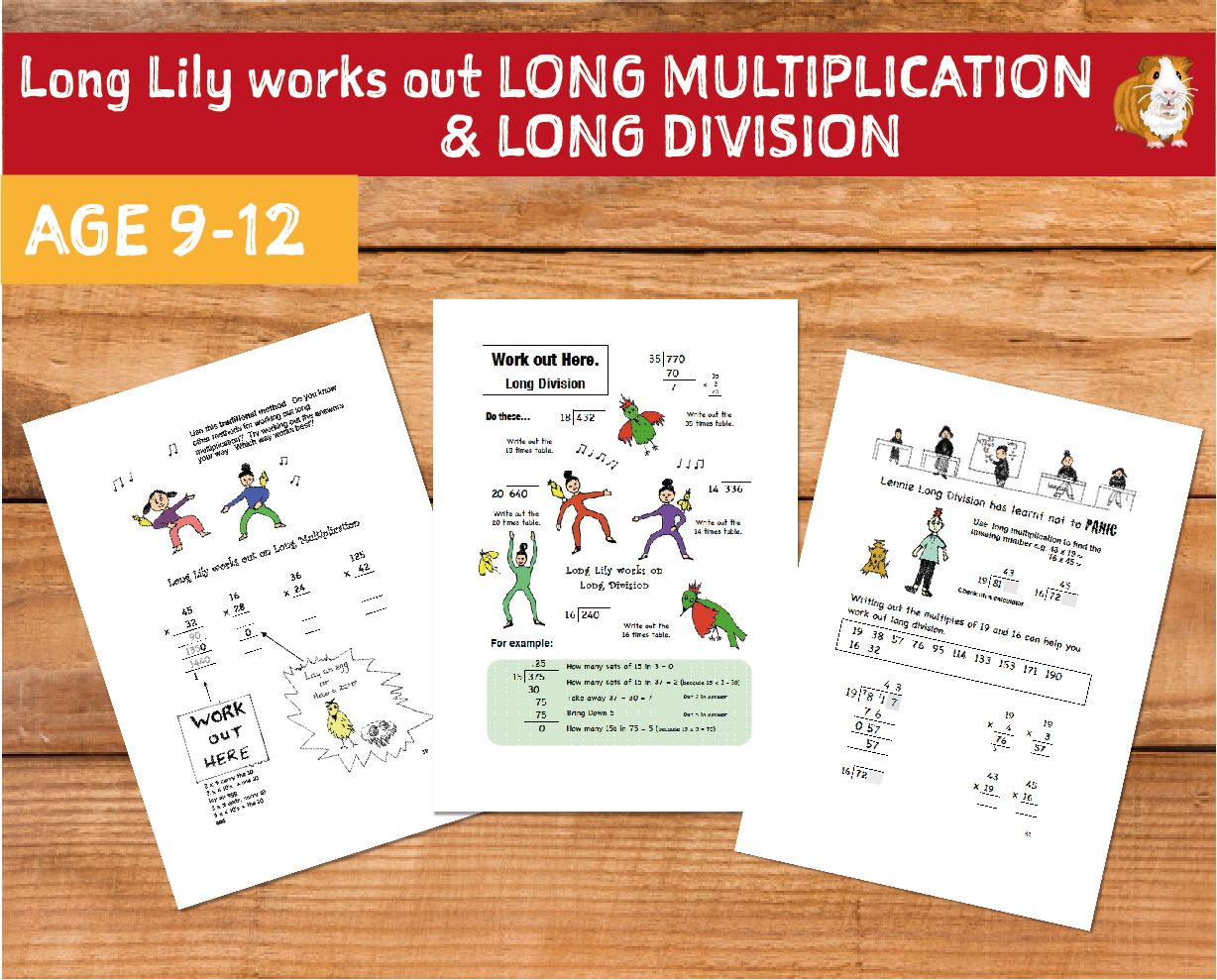
Work out long multiplication and long division problems using the traditional method shown (including writing out times tables, tracking carries, and using the 'how many sets of X' subtraction method for division), and identify prime numbers/factors in later pages.
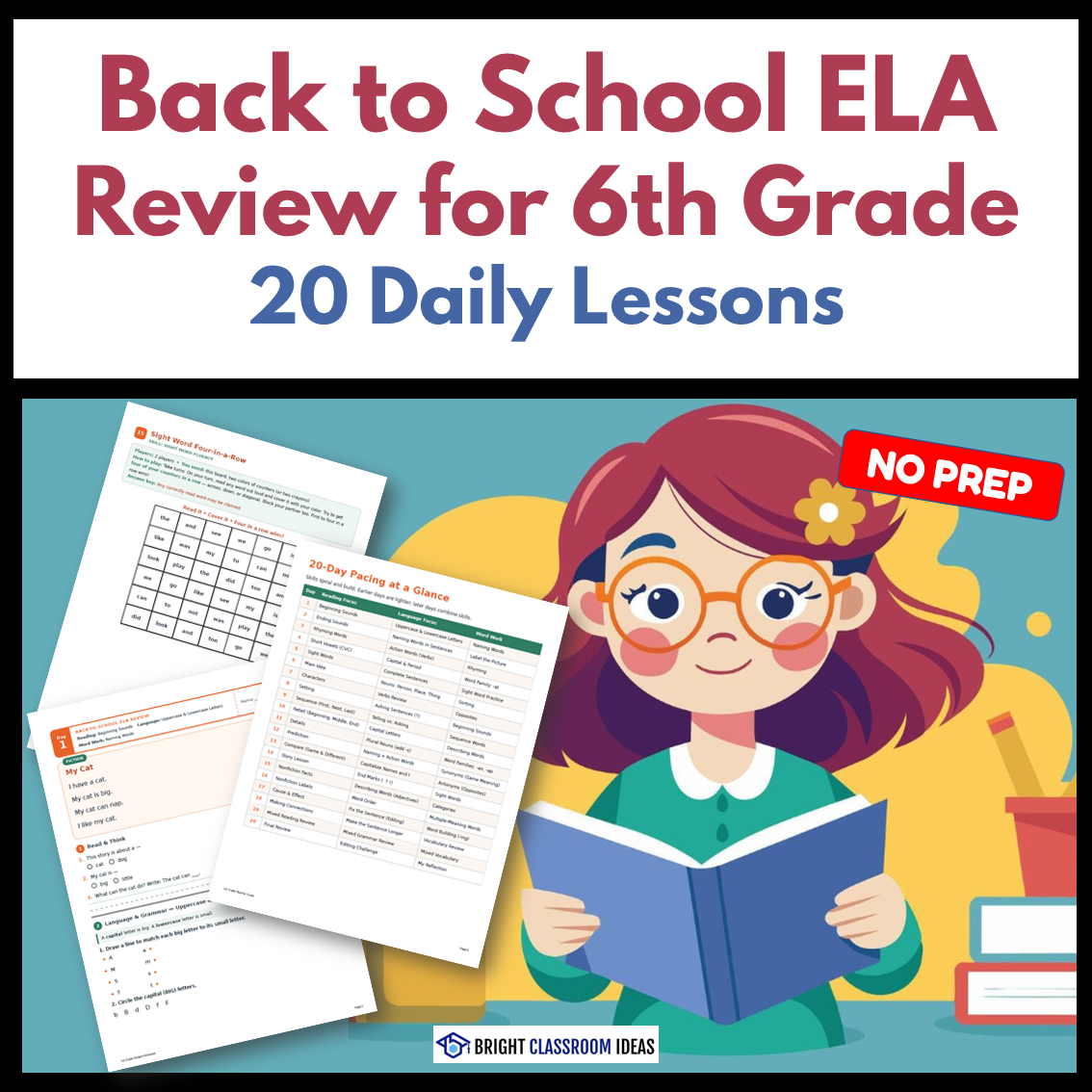
For each of 20 daily lessons, read a short passage and answer comprehension questions (Read & Think), complete a grammar/language exercise (Language & Grammar), do a word-study/vocabulary task (Word Work), and write a short response (Write About It); also play included print-and-play literacy games.
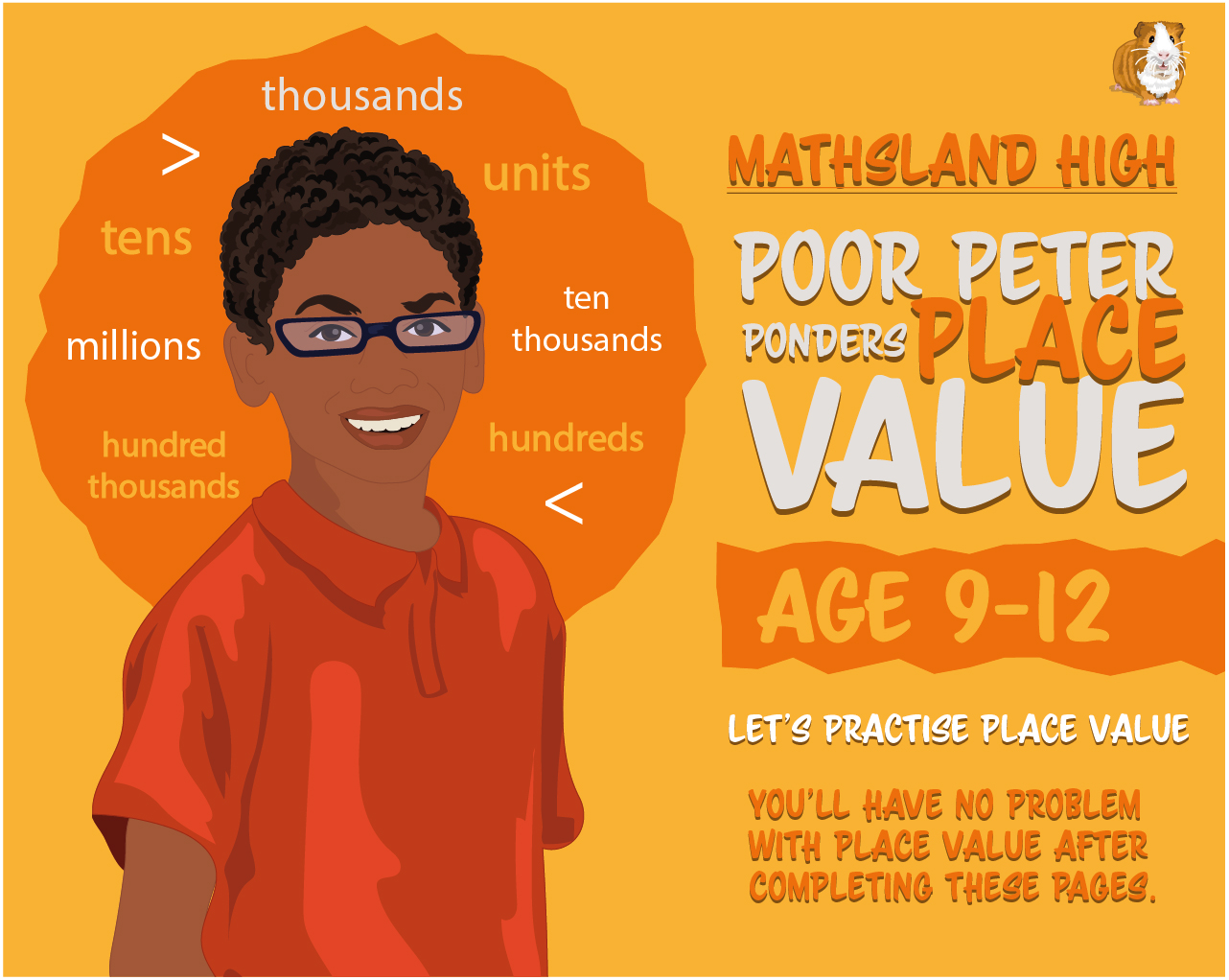
Students write numbers into place value charts, add/subtract 10 or 100, identify the value of an underlined digit, and order numbers from smallest to largest.
A 40-unit spelling/phonics workbook (Book 2 of a 3-book series) that teaches English sounds and letter blends -- including irregular spellings -- to students at a spelling age of roughly 10-11, building spelling and reading vocabulary through grouped word lists.
Worksheets practicing converting fractions to terminating and repeating decimals, supplementing CCSS 7.NS.A.2d.
Clothes Shopping Money Math Level 3 is a 60-question special education worksheet that builds essential life skills for middle school students. This activity aids in teaching calculations for discounts, sales tax, and determining prices when shopping for various items of clothing. The questions are formatted as real-life word…
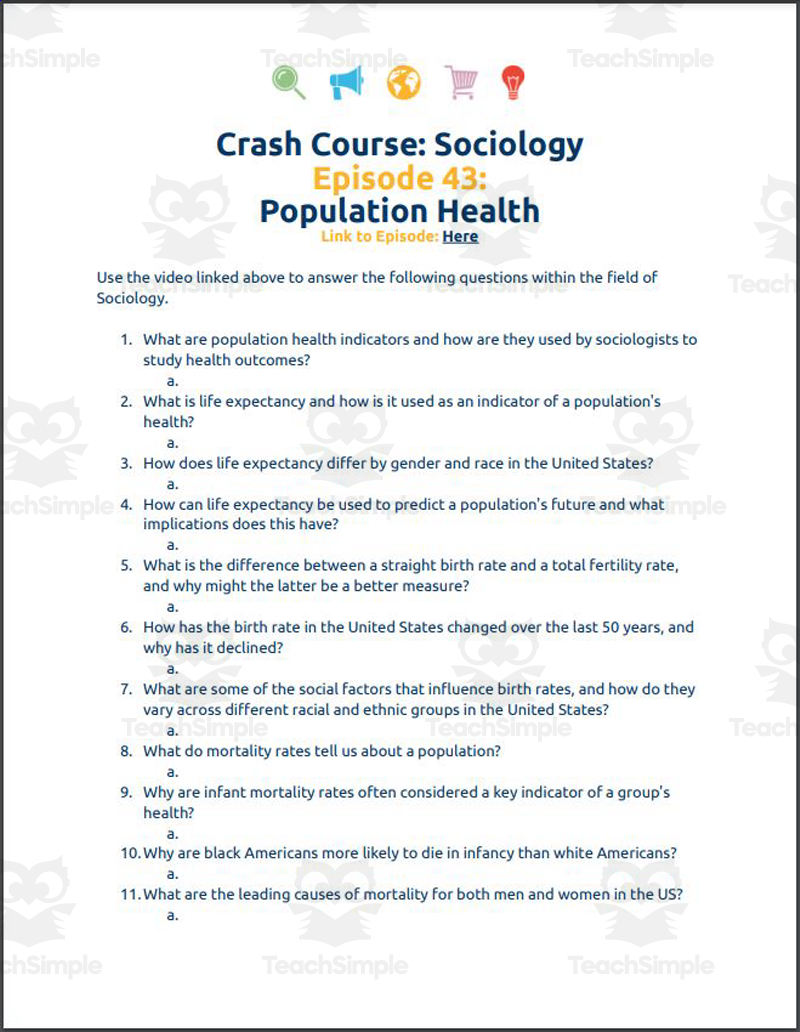
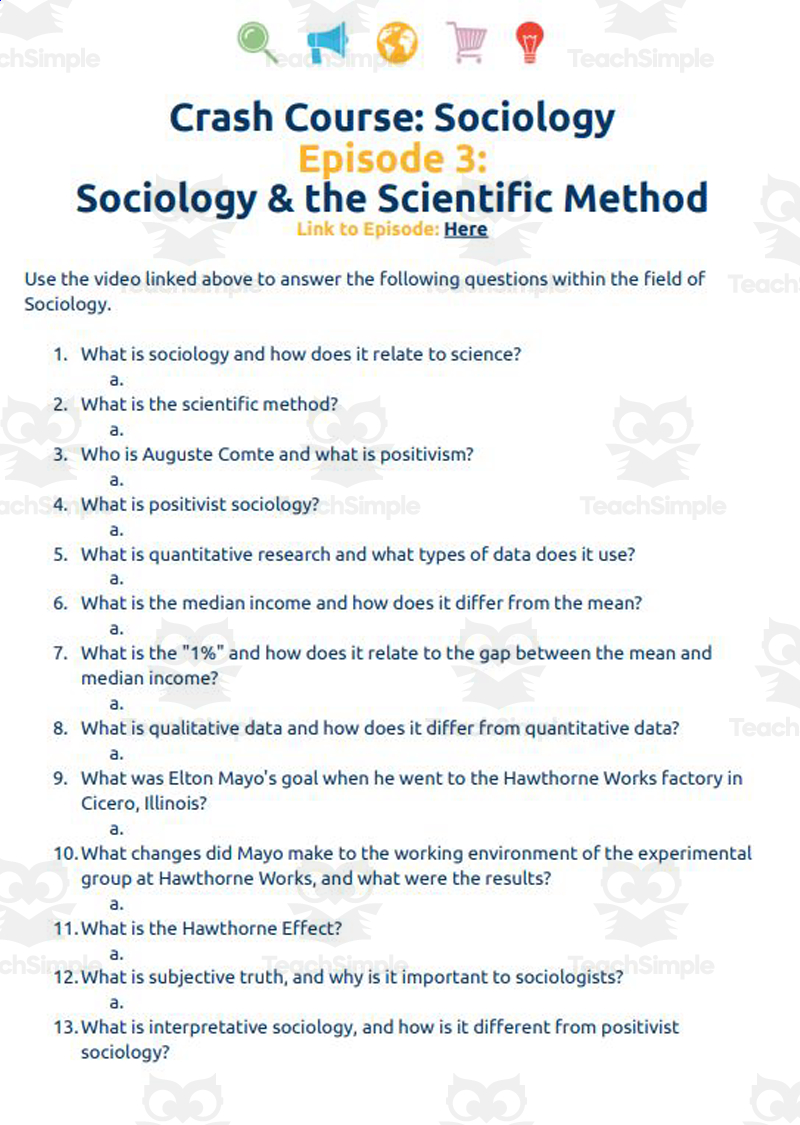
Watch the linked Crash Course Sociology YouTube episode, then write short-answer responses to 15 numbered comprehension questions in the blank space provided under each question.
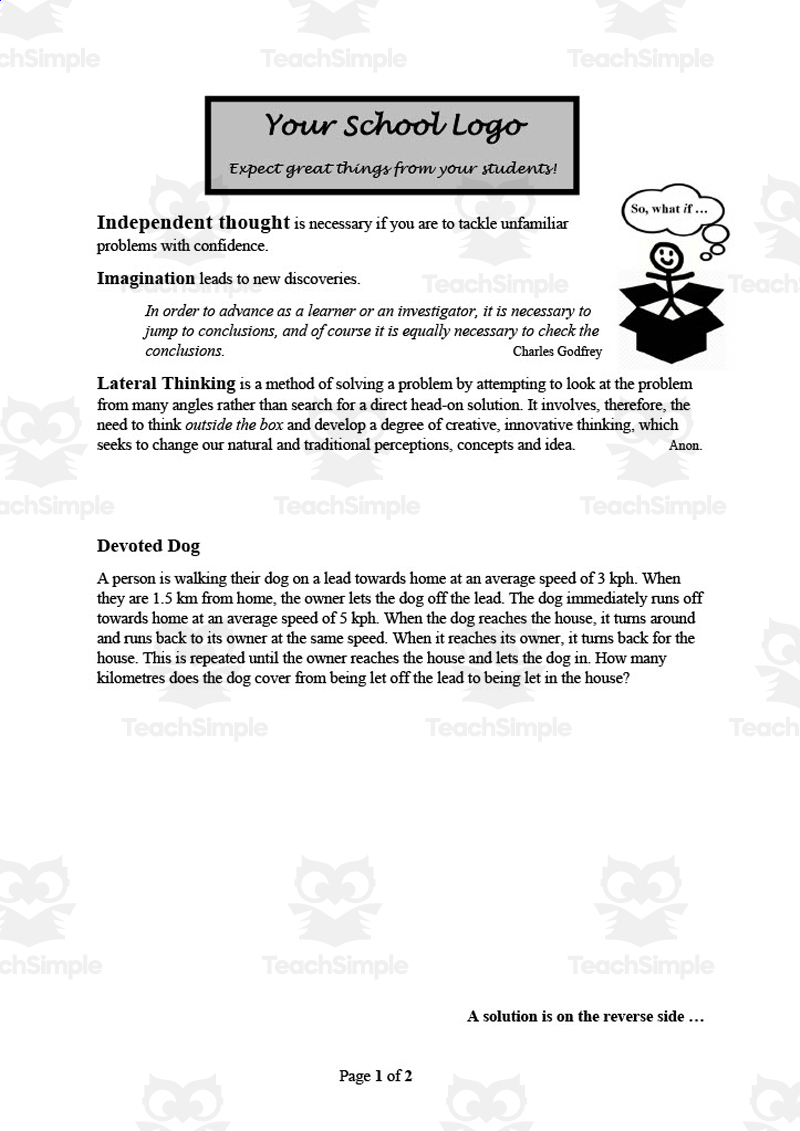
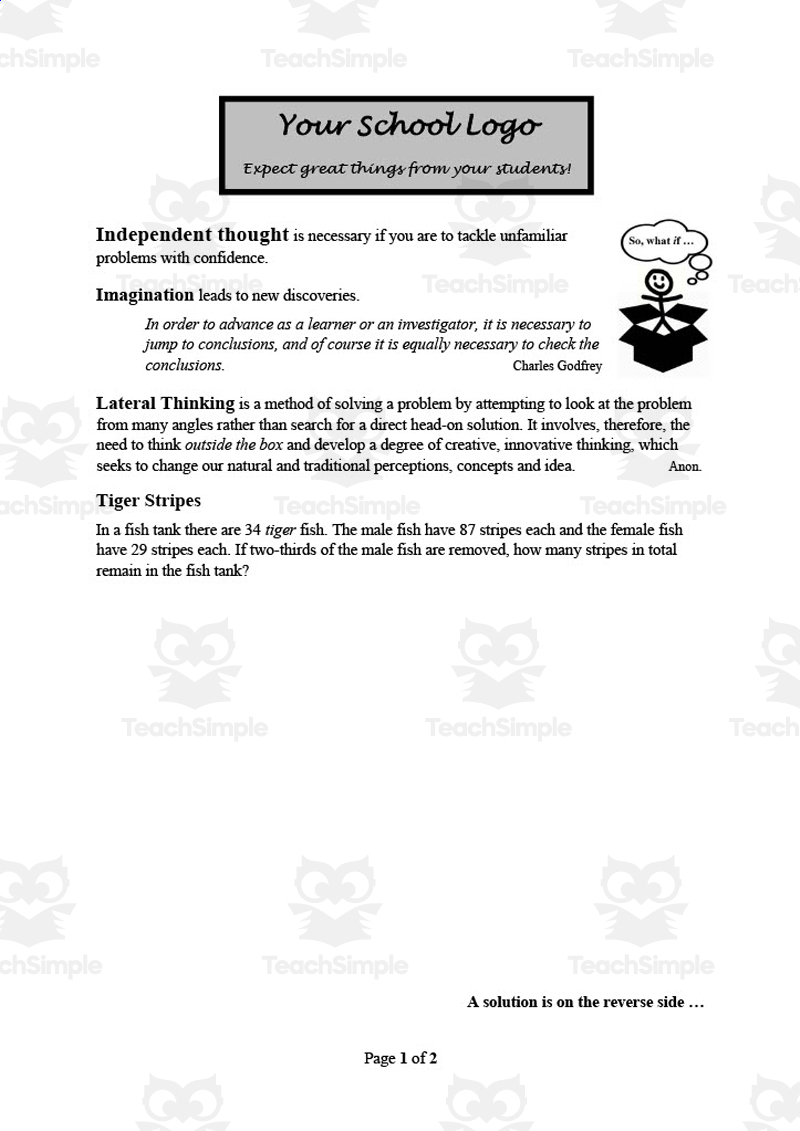
A two-page single-problem investigation worksheet on rate/distance/time reasoning, introduced with text on independent thought and lateral thinking.
A mental-math worksheet teaching strategies for finding percentages of a number without a calculator (10%, multiples of 10%, 50%, 25%, and combinations like 15%/35%/45%).
Read first-person riddle descriptions (health benefits and physical traits) of 8 fruits and 8 vegetables, guess which food each riddle describes, and answer a reflection question on which fruit/vegetable is their favourite and why.
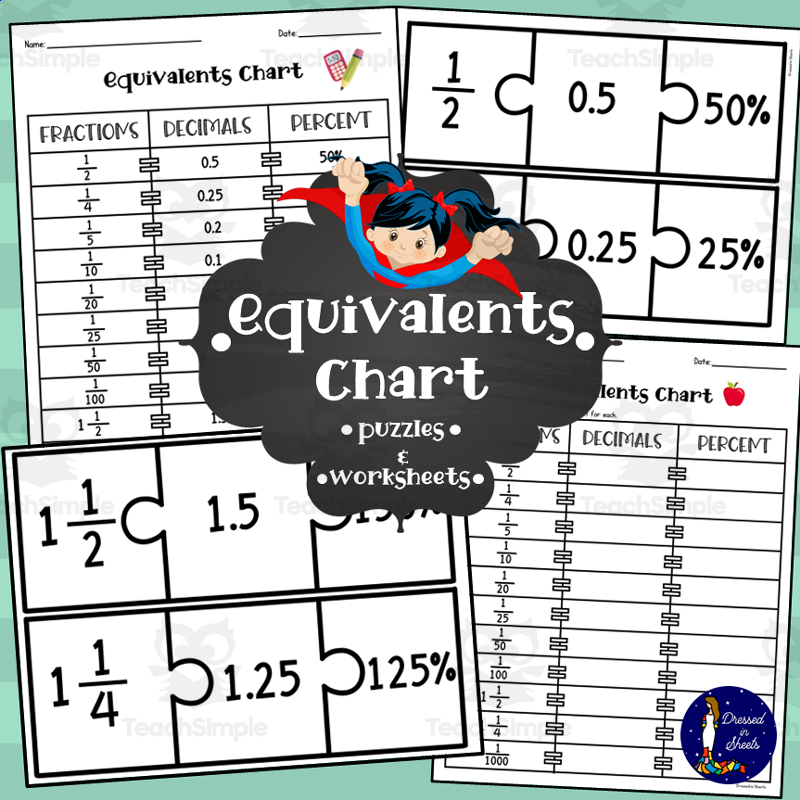
Teaches and drills memorization of common fraction-decimal-percent equivalents using a reference chart, fill-in worksheets, and a puzzle.
Watch the linked Crash Course Sociology video, then answer 15 short-answer questions about the episode's content in the blank space provided under each question on the worksheet; a separate answer key gives the expected answers, including one open-ended personal-reflection question.