"Bark, George" | Picture Book Study

- Grades
- Preschool–1, Elementary
- Pages
- 52
- File type
- Preparation
- Print ready


- Subject
- ELA, Reading
- Topic
- picture book study, no prep
- Resource types
- Novel Studies, Worksheets & Printables
- Preparation
- Print ready
- Standards
- CCSS.RL.1.3 CCSS.RL.K.6 +1
About this resource
What's inside this resource
"Bark, George!" is a children's classic. This no-prep book study is the perfect way to dive into the book in you classroom. This story is sure to get lots of laughs from your students!
What You Get:
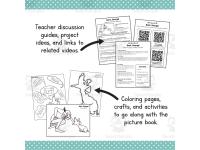
Educator's Discussion Guide
Book-Inspired Project and Activity Ideas
YouTube Video Links for Supplemental Viewing
10 Signs Teaching "Hello" in Different Languages
Jigsaw Puzzle Activity
Story Crown Craft Template
Cut and Paste Story Pattern Worksheet
Tracing Practice Page
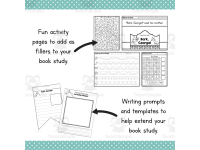
Expansive Storybook Maze
Venn Diagram for Story Comparisons
Open-Ended Writing/Drawing Prompt
Book Report Templates (2)
Early Writer Draw and Write Prompts (3)
Story-Inspired Writing Pennant
Non-Fiction Reading on Veterinary Careers
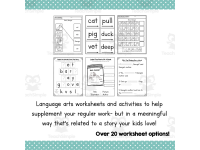
Sight Word Card Games
Bark, George Coloring Page
Puppy Bandage Craft Activity
Tracing George's Words Worksheet
George's Trip to the Vet Maze
Animal Hospital Tracing Activity
Cut-Out George and Animals from Vet Craft
"How Did The Animals Get Inside?" Writing Template
"P is for Puppy" Handwriting Practice (3 pages)
Story Sequence Writing Template
Fill-in-the-Blanks Story Words Activity
Design Your Own Book Cover Project
Label the Book Parts Cut and Paste
Words and Pictures Sorting from Story
Missing Letters Word Finishing Activity
Sight Words Practice: WENT and SAY
Blending Sounds Focus: -RK words
Story Words Handwriting Page
Analyzing Story Elements
Character Traits Worksheet
Sequencing Strips Puzzle
Early Writer Draw and Write Prompts (2)
Write and Illustrate Your Own Story Template
Related resources
More resources teachers may find useful
24 related resources were found using this product's title, contributor, categories and tags.


In the classroom
Teaching tips & learning objectives

Learning objectives
Identify story elements (characters, setting, problem and solution) and retell the story's events in sequence.
Practice foundational literacy skills — sight words, the -RK blend, and letter Pp recognition — using story-based vocabulary.

Teaching tips
Read the book aloud first using the discussion guide, then let students choose which craft and worksheet activities to complete, since the resource is designed to be mixed and matched rather than used in full.
Pair the nonfiction veterinarian reading with the story's vet scene to compare a fiction and nonfiction text on the same topic. Use these fiction and nonfiction retelling worksheets to revisit the story and the veterinarian reading.

Skills covered
Story comprehension and retelling — students identify story elements and sequence events using First/Next/Then/Last.
Foundational phonics and sight words — students trace, highlight, and practice the -RK blend, sight words WENT/SAY, and letter Pp.
Book knowledge — students label the title, author, illustrator, and picture on a book, and compare fiction to nonfiction text.
Good to know
Questions teachers ask about this resource
Does this resource include content beyond the story itself, or is it strictly about the plot of 'Bark, George!'?
It goes beyond the plot — the set includes a one-page nonfiction reading on what veterinarians do and a set of signs teaching 'hello' in different languages.

No reviews yet
Downloaded this resource? Tell other teachers how it went.
Curriculum
Standards, concepts & topics
Standards
 Standards
- CCSS.RL.1.3 — Describe characters, settings, and major events in a story, using key details.
- CCSS.RL.K.6 — With prompting and support, name the author and illustrator of a story and define the role of each in telling the story.
- CCSS.RL.1.2 — Retell stories, including key details, and demonstrate understanding of their central message or lesson.
Core concepts
 Core concepts
story elements
story sequencing
sight words
words containing -rk
fiction vs. nonfiction
 Topics
Explore more
Categories this resource belongs to
Explore related searches
More to explore
You may also like