Chemistry: Unit 3 Atomic Theory PowerPoint and Guided Notes

- Grades
- Grades 9–11, High School
- File type
- Multiple File Types
- Editable
- Yes


- Subject
- Science, Chemistry
- Topic
- Atomic Theory, Chemistry Education
- Resource types
- Presentations, Teacher Tools
- Editable
- Yes
About this resource
What's inside this resource
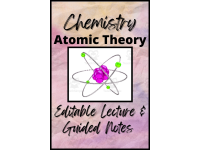
This comprehensive study guide is an invaluable resource for chemistry educators focusing on Atomic Theory. The content has been designed to be easy-to-follow, making it perfect for structured yet engaging sessions in public school classes or homeschooling environments.
This dynamic learning material consists of two Microsoft documents: a guided lecture booklet and a carefully formulated PowerPoint presentation. Both align with Florida's Next Generation Sunshine State Standards for Science, catering primarily to Grade 9 to Grade 11 chemistry syllabi.
- PPT Presentation: A solid collection of 53 slides, each rich with actionable knowledge.
- Lecture Notes: An expansive yet detailed guide spanning 11 pages.
The topics covered in this educational package have been methodically assembled, beginning subtly before gradually leading into more complicated arenas. These include:
- The key Atomic Scientists and their contribution;
- An exploration into the Structure of the Atom;
- A deep-dive into deciphering the Periodic Table;
- An elucidation on Isotopes;
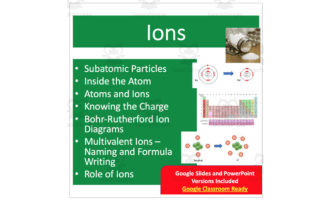
- A detailed discourse on Ions;
and wrapping up with < li>A concrete conclusion discussing 'Average Atomic Mass.'
All topics are supplementarily accompanied by textual answers or explanations along graphic illustrations—either placed directly onto slides or expounded in the notes section—enhancing comprehension throughout.
Bonus Point:All elements within this resource, including lecture guide and PowerPoint slides are fully editable! This equips educators to tailor content according to their teaching style and the individual needs of their students.This resource enables teachers to achieve academic goals through data-backed lesson plans. It ensures that pupils remain attentive throughout their educational journey, providing them with tangible connections linking theory with practical applications—all these consolidating into a rich narrative in Chemistry's quintessential Unit 3: Atomic Theory.
Related resources
More resources teachers may find useful
24 related resources were found using this product's title, contributor, categories and tags.

In the classroom
Teaching tips & learning objectives

Learning objectives
- Describe how models of the atom changed from Democritus to later scientists
- Explain each scientist's contribution to atomic theory

Skills covered
- Guided note-taking — filling blanks in the lecture guide while following the slides
- Comparing models — answering guide questions about each scientist's view of the atom

No reviews yet
Downloaded this resource? Tell other teachers how it went.
Resource details
Concepts & topics
Core concepts
 Core concepts
- Atomic theory
- Models of the atom
- Democritus
- Dalton's atomic theory
 Topics
Explore more
Categories this resource belongs to
Explore related searches
More to explore
You may also like