


"Colonial Foundations No. 3", Regents US History Short Essays

Attributes
Subject
Types
File
Editable
No
Rating
Add To Collection


About This Product
Regents US History Short Essays, "Colonial Foundations No. 3"
This secondary US history teaching resource helps students develop historical document analysis skills like placing a document in context and analyzing factors affecting reliability. It includes two sets of primary source documents with accompanying prompts formatted after the New York State Regents US History exam part II short essay task.
Students describe context, identify relationships between events/ideas in documents (cause/effect, similarity/difference, turning points), and analyze how audience, purpose, bias or point of view affects a document's usefulness as evidence. Pairs of documents allow students to practice these essential skills. Monthly practice followed by debriefing where classmates anonymously review each other's work helps cement strategies for success.
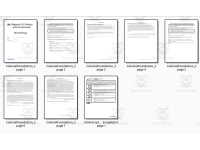
The resource includes a cover sheet, two document sets with prompts, and a grading rubric. Using authentic primary sources gives students an enriched, historian-style experience examining the past.
Resource Tags
0 Reviews
Explore related searches
you may also like...
Check out these other great products

Teacher Tools, Assessments


Teacher Tools, Assessments

Teacher Tools, Assessments

Teacher Tools, Assessments

Teacher Tools, Assessments

Teacher Tools, Assessments