FINGER PAINTS - 10 Pictures of Wild Animals - ART FOR KIDS

- Grades
- Grades 1–3, Elementary
- Pages
- 12
- File type
- Preparation
- Print ready


- Subject
- Creative Arts, Art
- Topic
- Art, Finger painting
- Resource types
- Activities
- Preparation
- Print ready
Product description
From the author
Wild-Animal Finger Painting
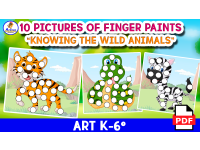
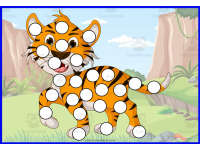
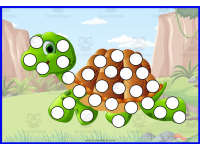
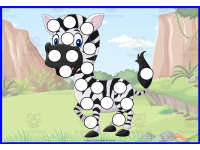
Choose from ten colored animal pictures with white circles for children to fill using fingertip paint marks. The 12-page PDF includes the ten activity pictures, a cover and a publisher-links page.
Provide paint, protect clothing and the work surface, and allow space for the pictures to dry. Students can choose colors and practice controlled fingertip placement. Print one picture for each learner; no answer key is needed.
Related resources available separately
activity
Related resources
More resources teachers may find useful
24 related resources were found using this product's title, contributor, categories and tags.


In the classroom
Teaching tips & learning objectives

Learning objectives
- Place repeated fingertip marks in the blank circles on an animal picture
- Explore color and texture through finger painting

Teaching tips
Have students wear old clothing or a smock, to protect clothing while painting.
Set out the paint in shallow containers so fingers can be dipped easily, and keep a damp cloth nearby for cleanup between colors.
Introduce the activity with calm music before starting, to settle students before they begin the sensory, hands-on task.

Skills covered
- Hand control through repeated fingertip placement
- Color selection
- Tactile exploration of paint
Good to know
Questions teachers ask about this resource
What art materials are needed?
Provide finger paint, containers for small amounts of paint, and a protected work surface. The resource supplies ten colored wild-animal pictures with blank circular paint spaces.

No reviews yet
Downloaded this resource? Tell other teachers how it went.
Resource details
Concepts & topics
Core concepts
 Core concepts
Finger painting
Fine motor development
Sensory art
 Topics
Explore more
Categories this resource belongs to
Explore related searches
More to explore
You may also like