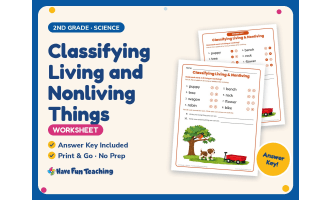
Intro to Classification and Pysical Properties


About This Product
Introduction to Classification and Physical Properties Guide: An invaluable resource for Grade 5 Basic Science teachers.
This comprehensive tool provides a thorough exploration of two core scientific principles — classification and physical properties. It is meticulously crafted to promote hands-on learning through step-by-step activities that engage students' critical thinking skills.
Unraveling Classification Concepts
- In-depth look into how objects, plants, and animals can be grouped based on different factors.
- An effective foundation for more advanced subjects like taxonomy and biological nomenclature.
A Deep Dive into Physical Properties of Materials
- Theoretical concepts are expertly explained so that students grasp their practical applications in everyday life.
- The guide promotes active learning experiences as pupils sort out materials in their environment based on specific properties.
Presented in an easy-to-use PDF format, this 17-page guide is replete with academic standards-compliant content. It's perfect for either whole class instruction, small group discussions, or independent at-home study (including homeschooling).
Making the Lessons Practical with Real-Life Examples:
.To add contextuality into these lessons, instructors are encouraged to use common household items or dismantle everyday objects. This tangible approach fosters deep understanding as it brings the theoretical aspects of science to life right within students' environments.
In essence, this Introduction to Classification and Physical Properties isn't just another lesson plan but rather an engaging tool that sparks stimulating conversations among young learners. With its clear yet enjoyable format, it encourages pupils to ponder deeply about why things are what they are; making science interactive and straightforward fun.
What's Included
1 PDF with 17 ready to print pages
Resource Tags
0 Reviews
Check out these other great products