My Parents are Getting Divorced Social Story




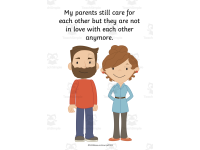
- Grades
- Not Grade Specific
- Pages
- 68
- File type
- Preparation
- Print ready


- Subject
- Social Emotional Learning (SEL), Health, Special Education Needs (SEN)
- Topic
- Social story, Divorce
- Resource types
- Activities
- Preparation
- Print ready
Product description
From the author
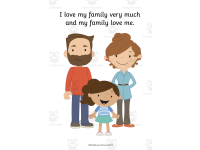
Divorce can be an extremely confusing and emotional time for children. This social story resource aims to clearly explain what divorce means and what to expect in a reassuring way to help ease a child’s worries. The story uses direct, simple language and visual supports.
The social story defines divorce in concrete terms as parents living in separate homes without being married anymore. It emphasizes that divorce is between the parents, not the child, and that both parents still love the child and will take care of them, even though they don’t live together. Common changes like moving between two homes and having different routines are covered. The story validates the difficult emotions the child might experience like sadness, anger, or confusion. It outlines how to verbalize feelings and who to talk to if needing support during this transition.
The story has a reassuring tone throughout, communicating the consistency and care the child can rely on. Visual supports reinforce the narrative. The direct explanations and matter-of-fact delivery help take some of the uncertainty and abstractness out of divorce. Use only the pages that fit the child’s family arrangements and experience. The story offers a starting point for discussing changes and feelings; children may respond differently.
These books should be used over and over to reinforce the point so I would suggest either putting the pages into a display book or laminating and binding them.
Clipart images courtesy of Kari Bolt Clip Art
Related resources
More resources teachers may find useful
24 related resources were found using this product's title, contributor, categories and tags.


In the classroom
Teaching tips & learning objectives

Learning objectives
Understand what divorce means in concrete terms — parents will not be married anymore and will live in separate homes
Recognize that the divorce is not the child's fault and that both parents still love them
Anticipate practical changes such as a parent moving out or having two houses to call home

Teaching tips
Select only the living-arrangement pages that match the child's actual situation before printing; the author's note invites you to leave out pages that do not apply
Read the selected story pages together at a comfortable pace and revisit them in response to the child’s questions
Build the story into the child's daily schedule rather than saving it for difficult moments, and keep every reading a positive, praise-rich experience

Skills covered
Understanding family change — the story defines divorce concretely and previews changes such as a parent moving to a new home.
Coping strategies — four concrete options are modelled: speaking to someone, writing or drawing feelings, time with friends, and hugging a parent.
Self-reassurance — repeated statements such as "My parents getting divorced is not my fault" give the child language to counter self-blame.
Good to know
Questions teachers ask about this resource
Should I use every living-arrangement page?
Choose only the pages that accurately reflect the child’s situation before reading together.
How should I share the story?
Use a quiet one-to-one setting and allow questions. Revisit selected pages as needed without requiring the child to share more than they want.

No reviews yet
Downloaded this resource? Tell other teachers how it went.
Resource details
Concepts & topics
Core concepts
 Core concepts
Social story
Divorce and family change
Emotional regulation
Coping strategies
 Topics
Explore more
Categories this resource belongs to
Explore related searches
More to explore
You may also like