search
user.png
vertical menu

Prevention, Recycling & Conservation: Conserving Fresh Water Gr. 5-8

Prevention, Recycling & Conservation: Conserving Fresh Water Gr. 5-8 preview
Prevention, Recycling & Conservation: Conserving Fresh Water Gr. 5-8 preview 2
Prevention, Recycling & Conservation: Conserving Fresh Water Gr. 5-8 preview 3

Prevention, Recycling & Conservation: Conserving Fresh Water Gr. 5-8 preview 4

Look Inside · 10 pages

Conserving Fresh Water chapter slice cover, from the Waste Management: Prevention, Recycling & Conservation unit
Cover of the Conserving Fresh Water chapter slice
Critical thinking skills chart linking Bloom's levels 1–6 to each reading topic, including Conserving Fresh Water
Skills overview chart for the full unit
Table of contents for the full unit, with Conserving Fresh Water (page 7) as the reading included in this slice
Contents page listing the unit's sections
Assessment rubric rating Understanding Concepts, Analysis & Application, and Creativity at levels 1–4
Teacher guide: student assessment rubric
Teacher guide introduction explaining reading passages, Before and After You Read activities, and the answer key
Teacher guide: how the resource is organized
Bloom's Taxonomy six levels of thinking, plus a vocabulary list: conservation, potable, wastewater and many more
Teacher guide: Bloom's Taxonomy and unit vocabulary
Before You Read: imagine taps running dry, define 'potable', and match six words such as hazardous and wetland
Before You Read activities for the passage
Reading passage on saving water at home and in cities, with a 'Recycled Water in Use' sign photo
The Conserving Fresh Water reading passage
After You Read part 1: fill in water-saving steps and circle items never to pour down a drain, like motor oil
After You Read questions 1 and 2
After You Read part 2: define recycled water, list three uses, and research local water recycling
After You Read questions 3–5 with extension task
Attributes
Add To Collection
Add to collection Add to collection

About This Product

Prevention, Recycling & Conservation: Conserving Fresh Water Gr. 5-8

This is a teaching resource designed for use by educators in public schools or homeschool settings. It focuses on the critical environmental topics of prevention, recycling, and conservation initiatives. Specifically created for students in grades 5 to 8.

"Conserving Fresh Water" Chapter Slice

This chapter slice is an extract from the full lesson plan titled "Prevention, Recycling & Conservation". It arms students with fundamental knowledge needed to understand their roles in environmental stewardship.

Core Topics Covered

  • Conservation
  • Renewable resources vs non-renewable resources
  • Landfill waste reduction and composting techniques
  • Negative effects of waste and pollution on freshwater resources
Note:The focus extends to atmospheric pollutions caused by fossil fuel burning resulting in smog formation, ozone depletion, and greenhouse gas emissions.

Possible Solutions Discussed

  • The adoption of alternative fuels usage.
  • The pursuit of zero waste goals .
  • <

    Tips for sustainable living practices are also shared. These discussions are aimed towards enlightening students about proactive steps protecting our planet.

    About The Product File (PDF)

    This handy tool belongs to the Environmental Science lesson plans within its Science curriculum offerings. It includes:
      Easily digestible reading passages,
      Engaging student activities,
      A spectrum of test prep tools perfect for initiating classroom discussions among large groups or small study circles.
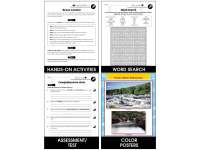
    Apart from this main content; you will find colorful mini posters which are ideal for remedial instruction aimed at facilitating faster understanding for slower learners.

    Furthermore, the lessons apply effective methodologies that align strictly with state standard requirements as outlined by Bloom's Taxonomy. This fosters comprehension through information recall, application analysis synthesis evaluation and culminates into independent knowledge application.

    In essence;Teachers make the most out of their time and energy investment by guiding their students progressively towards becoming environmental science specialists. They master complex concepts more easily evolving into confident learners who can contribute positively to creating a sustainable world.

What's Included

Contains 1 Product File

Resource Tags

0 Reviews

Explore related searches