search
user.png
vertical menu

Periodic Table Worksheet with a Webquest and Slides

Periodic Table Worksheet with a Webquest and Slides preview
Periodic Table Worksheet with a Webquest and Slides preview 2
Periodic Table Worksheet with a Webquest and Slides preview 3

Periodic Table Worksheet with a Webquest and Slides preview 4

Look Inside · 10 pages

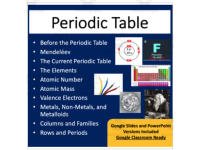
Periodic Table lesson title slide listing topics from Mendeléev and atomic mass to valence electrons, families and periods
Opening slide to preview the unit's topics with the class
Lesson directions: students copy bolded, underlined text into their notes and jot notes while watching numbered videos
Explain the note-taking routine before starting
Video cue slide: a play button labeled 1 signals students to open video 1 from the Additional Resource document
Pause point to show the first video
Why the periodic table matters: students note that it organizes all known information about the elements in one place
Hook discussion on why chemists rely on this tool
Chemistry before the periodic table: notes explain elements were unorganized, information was hard to find and confusing
Historical context before introducing Mendeléev
Mendeléev's 1869 table grouped elements by atomic mass; students note he left blank spaces for undiscovered elements
History of science notes with a portrait and his original table
The current periodic table: elements ordered by increasing atomic number, with periods 1 to 7 and groups 1 to 18 defined
Contrast Mendeléev's method with today's arrangement
Full-color table of the elements 1 to 118 with group numbers 1 to 18, periods 1 to 7, lanthanides and actinides labeled
Project as a reference while locating groups and periods
The Elements: students note there are 118 elements, 98 occurring naturally and the rest created in the lab
Quick fact slide on natural versus lab-made elements
Using an element's position to predict its physical and chemical properties and which elements it will react with
Sets up why position matters before reading the table
Attributes
Grades

Grade 7, 8, 9

Editable
No
Rating
Add To Collection
Add to collection Add to collection

About This Product

Periodic Table - Google Slides and PowerPoint Lesson

This digital resource, designed for grade 7-9 science educators, brings life to the vast world of chemistry—specifically, the periodic table. This two-day lesson package engages students in interactive learning while providing teachers user-friendly resources in both office and Google formats.

Topic Coverage

  • History – Mendeleev
  • Element squares
  • Atomic number & atomic mass
  • Valence electrons
  • Metals/Non-metals and Metalloids
  • Groups, families & periods
  • .

All themes are complemented by engaging videos with a correlating worksheet accessible directly from the presentation itself.

User-Friendly Formatting

All files come in Word along with Google Doc versions. The presentation materials are offered through PowerPoint or Google Slide formats for your convenience. Compatibility issues have been pre-adjusted for seamless use across all platforms.

Versatile Usage Patterns :

This kit can be used in whole-class discussions or small group activities. Even homework assignments derived from these resources would be beneficial due to its user-friendly design! Note:

You just need one click via our link to automatically create copies of these educational tools that would reside straight into your personal drive making it an ideal fit within distance learning allocation or other such settings requiring easy access regardless of location or type of devices available!

What's Included

Included in the lesson package is:

- Office and Google versions of the presentation

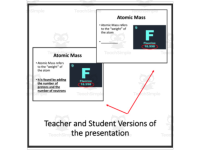
- The teacher version of the presentation

- The student version of the presentation

- Auto-graded Exit Ticket

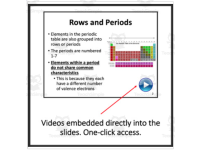
- Videos embedded in the presentation

- Student worksheet

- Student lesson handout

In order, the lesson covers:

1) History – Mendeleev

2) Element squares

3) Atomic Number

4) Atomic Mass

5) Valence Electrons

6) Metals/Non-Metals and Metalloids

7) Groups and Families

8) Periods

0 Reviews

Explore related searches
you may also like...

Check out these other great products