World Kindness Day PowerPoint Presentation


- Grades
- Grades 2–9, Elementary, Middle School, High School
- File type
- Microsoft PowerPoint
- Use
- Digital activity


- Topic
- World Kindness, PowerPoint Presentation
- Resource types
- Presentations, Teacher Tools
- Use
- Digital activity
About this resource
What's inside this resource
The World Kindness Day PowerPoint Presentation is a captivating and interactive resource aimed at enhancing students from Grade 2 to Grade 9's understanding of the importance of kindness. Ideal as a teaching aid for World Kindness Day, celebrated globally every 13th of November, this presentation offers sixty-four slides exploring different facets related to kindness.
- To begin with, the presentation introduces students to the origins of World Kindness Day, providing a perfect storytelling platform.
- Moving forward, it shares Jonny Benjamin's story, adding an empathetic twist in your classroom climate.
- Focusing on global thoughts on kindness as shared by notable philosophers like Mark Twain and Gandhi is another impressive feature. This can give birth to engaging classroom discussions about creating harmony through acts of kindness.
- An additional feature that promotes active student participation revolves around discussing examples showcasing daily acts of kindness. Furthermore, there’s a hyperlink included within this learning source directing students towards an interview with Jonny Benjamin himself - thus giving them close insights into his perspective.
This practical resource can be used during whole-class sessions or smaller group settings alike. Also available as homework assignments for independent study time centered on value education. With fully editable content aligned appropriately for pupils from Grades 2 through 9; customization according to specific class needs or preferences while maintaining essential moral learnings becomes feasible. To summarize: The World Kindness Day PowerPoint Presentation aims not just at academic learning but also at nurturing pupils' character development - transforming education beyond classrooms into life lessons.
Related resources
More resources teachers may find useful
24 related resources were found using this product's title, contributor, categories and tags.


In the classroom
Teaching tips & learning objectives

Learning objectives
Give the origin and date of World Kindness Day and name the movement behind it
Describe how national kindness organisations mark the day, using the chocolate bar, gerbera and Bondi Beach examples
Explain what the presentation reports about the physical effects of kindness, naming oxytocin and serotonin and what each is said to do

Teaching tips
Slides 15 to 27 tell a suicide-attempt story in detail - the bridge, the intent, the stranger's words - so preview that block, decide whether the class will see it, and have the school's usual support routes ready before the lesson
Slide 24 depends on an embedded click to hear the story, so test that it plays on the machine being used before the lesson rather than during it
The framing is British throughout, from Kindness Day UK and the MBE to a pupil addressing a teacher as "Miss", which is worth adjusting or explaining outside the UK

Skills covered
Understanding an awareness day - students learn where World Kindness Day came from, when it falls, and which organisations mark it.
Reading real-world examples - three national campaigns are given with their own figures, from 10,000 chocolate bars in London to 30,000 gerberas in Singapore.
Following a true narrative - Jonny Benjamin's story runs across thirteen slides from diagnosis through the bridge to an MBE, and the presentation draws an explicit conclusion from it about consequence.
Good to know
Questions teachers ask about this resource
What does the presentation say about the science of kindness?
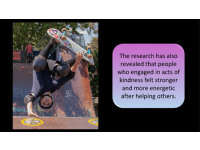
It cites research on two chemicals. Oxytocin, released when people perform acts of kindness, is described as lowering blood pressure, improving heart health and increasing self-esteem and optimism. Serotonin is described as healing wounds, calming you down and making you feel happy. Two further slides add that people who helped others felt stronger and more energetic afterwards, and that people who give to charity report the greatest happiness overall.
Whose story runs through the middle of the presentation?
Jonny Benjamin's. Diagnosed with schizophrenia in 2007 at the age of twenty, he left hospital on 14 January 2008 and went to Waterloo Bridge intending to end his life. A stranger stopped, offered to buy him a coffee and told him he could get better, and Jonny moved back from the edge. Six years later he used social media to find the man, Neil Laybourn, and in 2017 he received an MBE for services to mental health and suicide prevention. This section deals with suicide directly and is worth previewing before it is shown.
Where is the presentation's frame of reference?
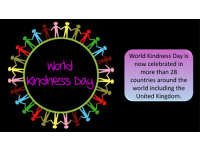
Mostly the United Kingdom. Kindness Day UK and its two founders, the MBE, the London train station giveaway and a pupil saying "Miss, I really enjoyed the lesson" all point there. The examples do reach further - Singapore and Australia both appear - and the World Kindness Movement itself is described as active in more than 28 countries.

No reviews yet
Downloaded this resource? Tell other teachers how it went.
Resource details
Concepts & topics
Core concepts
 Core concepts
Kindness
World Kindness Day
Mental health
Empathy
Acts of service
 Topics
Explore more
Categories this resource belongs to
Explore related searches
More to explore
You may also like