A Rainy Day Adventure - Writing Prompt

- Year groups
- Reception (Early Years), Years 1–3 (Key Stages 1–2)
- Pages
- 2
- File type
- Preparation
- Print ready


- Subject
- Spring, Months, Graphic Arts, Seasons, Creative Writing, Holidays, Creative Arts, Writing, Holiday & Seasonal, English
- Topic
- Writing, Writing Prompts
- Resource types
- Colouring Pages, Lesson Plans, Writing Prompts
- Preparation
- Print ready
From the author
About this resource
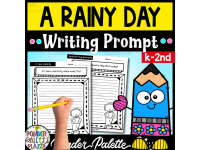
Rainy days: some see gloom, others see puddle-jumping, worm-spotting, and soggy sock adventures. A Rainy Day Adventure is a fun and creative spring writing prompt that turns grey skies into bright ideas! This resource includes two parts, a writing section where students craft their own rainy day tale, and a drawing section to bring it all to life (umbrellas, rubber boots, and heroic raincoats encouraged).
In the writing portion, students dive into a drizzly day of their own imagining. Maybe they get swept into a magical storm, find a talking frog with a weather app, or become puddle pirates on the playground. Whatever the plot, creativity pours down like rain. In the drawing section, they illustrate their scene, raindrops, rainbows, or whatever their soggy hearts desire.
Ways to Use It:
Spring writing centres
Fun Friday writing and art activity
Sub plans with no stress
Classroom displays for those cozy, rainy-day vibes
Why Teachers Love It:
Encourages creative storytelling and artistic expression
No prep, just print and go
Engages reluctant writers with fun, relatable prompts
Great for cross-curricular writing and art lessons
Because even on the rainiest day, your students' imaginations can shine.
The PDF includes two activity pages and one terms-of-use page, for three pages in total.
Related resources
More resources teachers may find useful
More resources on the same subject and topic.


In the classroom
Teaching tips & learning objectives

Learning objectives
Generate an original written response to an open-ended personal narrative prompt.
Illustrate a written idea with a drawing that reflects the same imagined scenario.

Teaching tips
Have students complete the writing page first, then move to the drawing page so their illustration reflects the adventure they already described.
Use the two pages as quick warm-up or sub-plan material, since each page needs nothing beyond something to write and draw with.
Open with a short class discussion about real rainy-day experiences before writing to help reluctant writers get started.

Skills covered
Personal narrative writing -- students respond in their own words to an open-ended 'what would you do' prompt.
Visual storytelling -- students translate their written idea into an illustrated scene on the companion page.

No reviews yet
Downloaded this resource? Tell other teachers how it went.
Resource details
Concepts & topics
Core concepts
 Core concepts
Creative writing prompt
Spring theme
Writing-and-drawing pairing
 Topics
Explore more
Categories this resource belongs to
Explore related searches


More to explore